
Buying your first motorhome can leave you stuck between a camper van that feels too small and a large RV that seems hard to drive. You want enough room to sleep, cook, and relax, but you probably don’t want to feel nervous every time you pull into a gas station.
That is where Class C motorhomes start to make sense. They combine a familiar truck or van cab with a living area that includes many of the comforts you would expect in a larger RV.
They also remain a popular choice in the United States. According to the RV Industry Association, manufacturers shipped 20,903 Class C motorhomes in 2025. During the first six months of 2026, shipments reached 12,435, showing continued activity in this part of the RV market.
But popularity does not mean a Class C is right for everyone. Some models are expensive to maintain, difficult to park, and larger than a new RV owner may expect.
Before you spend your money, it helps to know what makes these motorhomes appealing and where they fall short. Here is what first-time buyers should consider in 2026.
Class C Motorhomes: Why They’re the Sweet Spot for Many First-Time Buyers
What Are Class C Motorhomes, and How Do They Work?
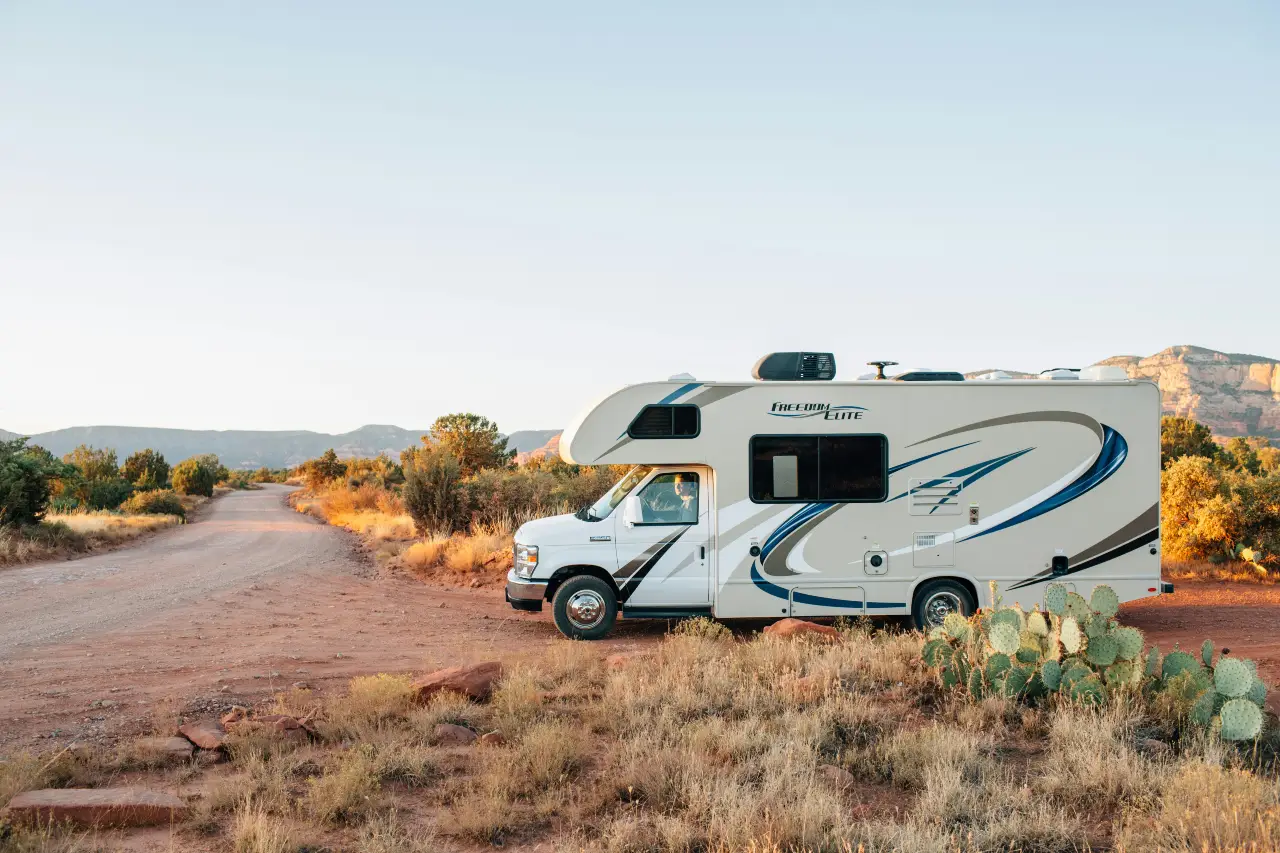
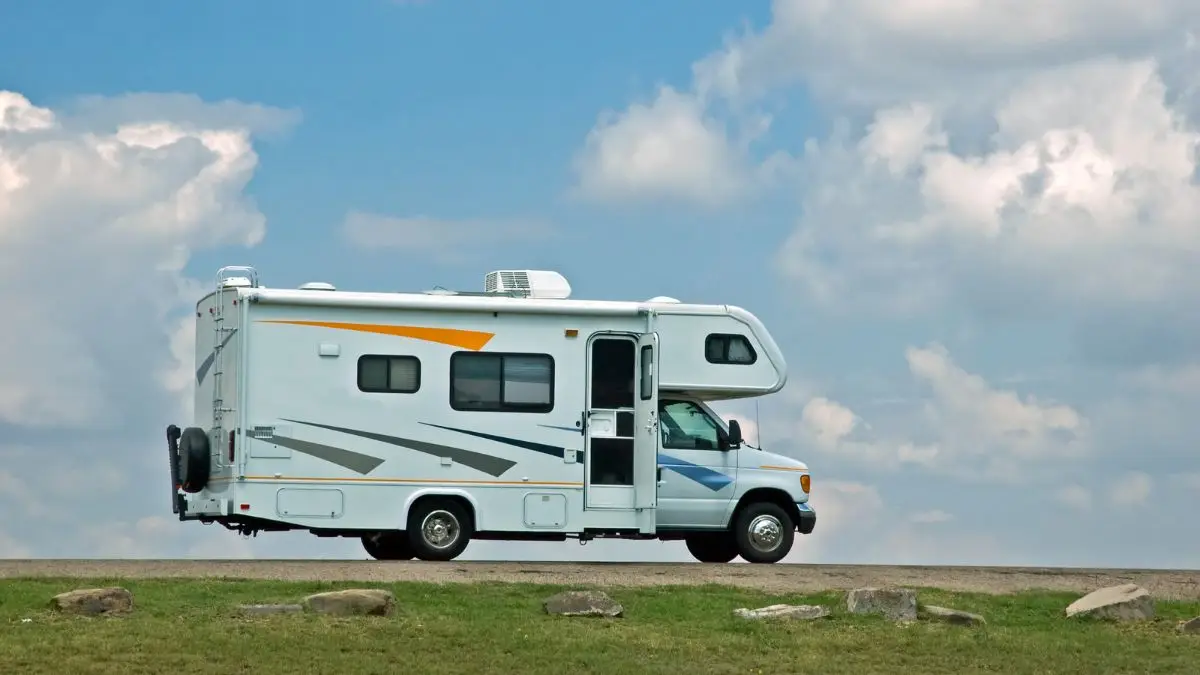
Class C motorhomes are built on a van or truck chassis with a separate living area attached behind the front cab. You can usually recognize them by the raised section above the driver’s compartment, although some models have a more streamlined front design.
That raised space often holds an extra bed. Other models use it for storage or entertainment equipment, giving owners more room without making the vehicle longer.
Most Class C motorhomes come with a kitchen, bathroom, sleeping area, dining space, and storage compartments. Depending on the floorplan, you may also get a separate bedroom, a shower, or a slideout that expands the living space when parked.
One thing that surprises new buyers is how much these vehicles differ in size. For example, the 2026 Coachmen Freelander lineup includes models measuring less than 24 feet and others approaching 33 feet.
That difference changes how the motorhome feels on the road. A shorter model may be easier to fit into campsites, while a larger one may offer more room for children, guests, and extended trips.
There are also Super C motorhomes built on larger truck chassis. These can be considerably heavier and more expensive, so they should not be treated as the same buying decision as a smaller Class C.
The main appeal is simple. You get a vehicle you can drive and a place to live in the same package.
Why Class C Motorhomes Offer a Practical Middle Ground
Many people buying their first RV face the same problem. A small camper van may be convenient, but spending several rainy days inside one can feel cramped.
A large Class A motorhome offers more room in many cases. However, its size, price, and driving position can feel overwhelming if you have never operated a large vehicle.
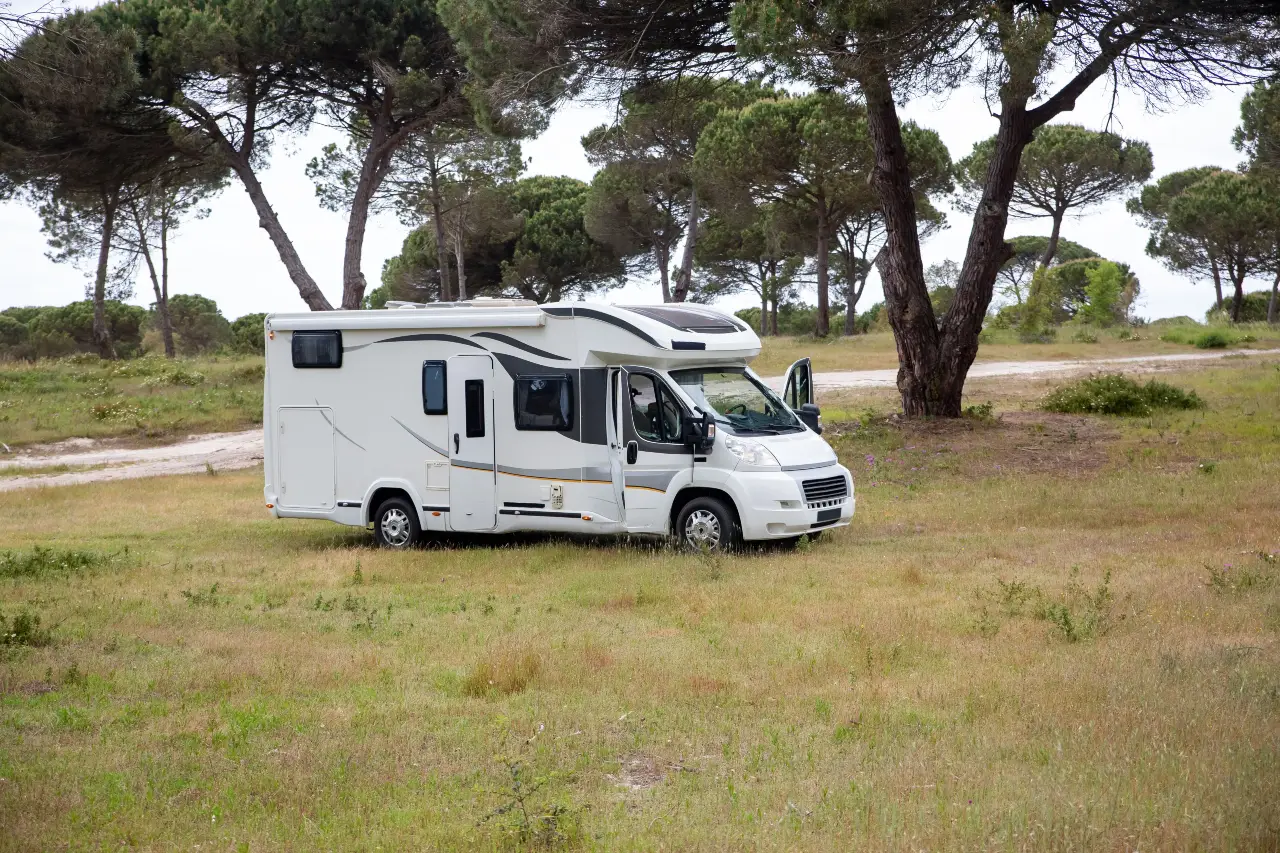
Class C motorhomes sit between these choices in several important ways. They usually offer more living space than camper vans while keeping a familiar cab design that some drivers find easier to approach.
You can prepare meals without relying on campground cooking areas. You can use your own bathroom and have a proper place to sleep instead of setting up a tent every night.
For couples, a shorter Class C may provide all the space needed for weekend trips and longer vacations. Families may prefer layouts with extra beds and separate sleeping areas.
Still, size matters more than the Class C label itself. A motorhome measuring about 24 feet will create a different driving and camping experience from one measuring nearly 33 feet.
The longer model may have a bigger bathroom, more storage, or a private bedroom. The smaller one may be easier to park at older campgrounds and in crowded areas.
That is why buyers should compare actual dimensions and floor plans rather than assume every Class C offers the same balance.
Class C vs Class A vs Class B Motorhomes: Which One Fits You?
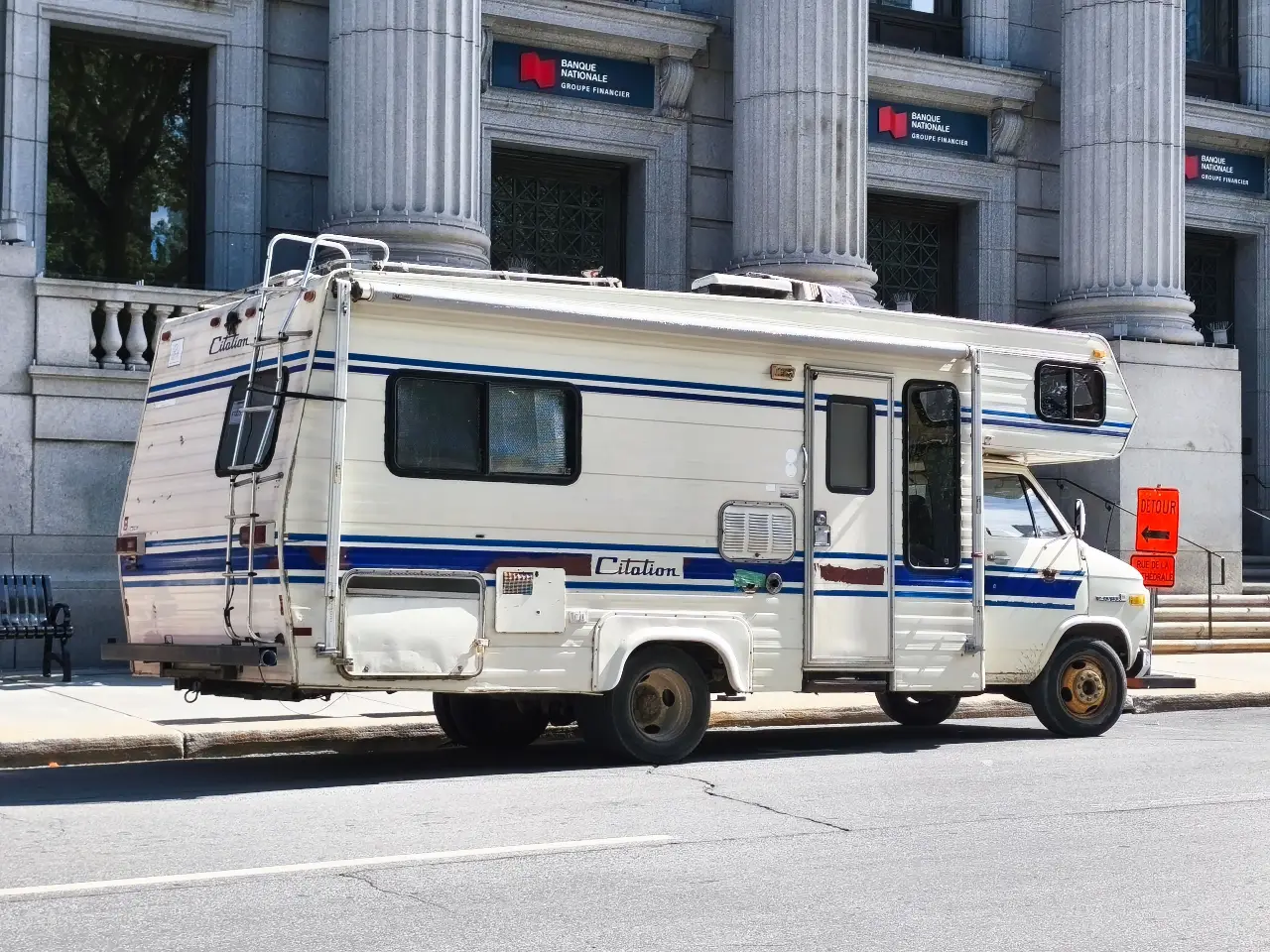
Before choosing a Class C, it helps to compare all three motorhome types. Each offers a different balance of comfort, mobility, and cost.
Class A motorhomes usually have a large, bus-style body. They can provide spacious living rooms, generous storage, and features that appeal to people planning extended stays.
Class B motorhomes are built inside vans. They are often easier to park and better suited to travelers who spend most of their time exploring rather than relaxing inside their vehicle.
Class C motorhomes use a separate living body behind a conventional cab. Many provide more sleeping space and larger bathrooms than Class B camper vans.
| Feature | Class A | Class B | Class C |
|---|---|---|---|
| Design | Bus style | Camper van | Truck or van cab |
| Living space | Often large | Usually compact | Moderate to large |
| Parking | Can be difficult | Often easier | Depends on length |
| Bathroom | Usually included | Often compact | Usually included |
| Sleeping room | Often generous | Usually limited | Varies by layout |
| Best for | Longer stays | Flexible travel | Families and couples |
These are general differences. A small Class A may be shorter than a large Class C, and a premium Class B can cost more than some larger motorhomes.
If you want to explore cities, visit crowded attractions, and move every day, a Class B may suit your plans better. If you want a large living area for extended campground stays, a Class A could be worth considering.
A Class C makes sense when you want a more comfortable living area without moving straight to a large bus-style motorhome.
The right choice depends on where you travel and how much time you expect to spend inside.
Why the Familiar Cab Can Make Driving Less Intimidating

Driving a motorhome for the first time can feel stressful. You are sitting higher than usual, the vehicle is wider, and you cannot judge parking spaces the same way you would in a car.
One reason Class C motorhomes appeal to beginners is their familiar front cab. Many use steering wheels, dashboards, front doors, and driving controls similar to those found in commercial vans or trucks.
This can make the first few driving lessons feel less unfamiliar. However, it does not mean a Class C handles like an ordinary passenger van.
You still need to account for the vehicle’s width, height, weight, and longer braking distance. Large mirrors and backup cameras can help with visibility, but they cannot eliminate blind spots.
The rear of the motorhome also needs attention when turning. Some models have a long body extending behind the rear wheels, which can swing outward during tight turns.
Strong crosswinds and passing trucks may affect how the vehicle feels on the highway. Driving more slowly and leaving extra space around other vehicles can make these situations easier to handle.
Before your first trip, practice three things in a large, empty parking area:
- Make wide turns without crossing into nearby spaces.
- Reverse slowly while checking mirrors and camera views.
- Practice stopping with plenty of room ahead.
Know your motorhome’s exact height before driving under low bridges or entering parking garages. Also check your state driver’s license requirements, since some larger recreational vehicles may require a special license or endorsement.
A short practice session can reveal driving problems before you encounter them on a busy highway.
How a Class C Gives Families More Sleeping and Living Space
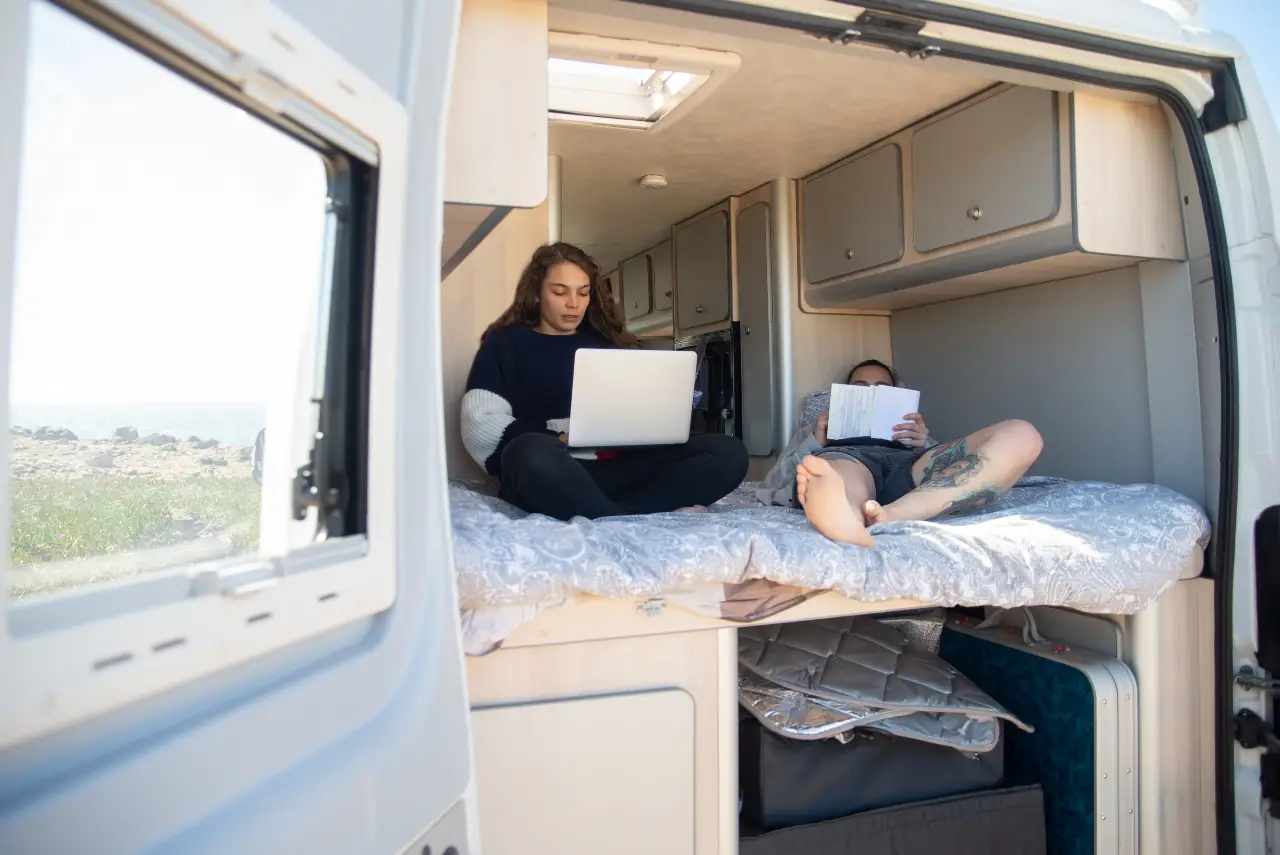
A major reason families choose Class C motorhomes is the sleeping arrangement. Some layouts provide separate places for parents, children, and occasional guests without requiring a very large vehicle.
The sleeping space above the cab is especially useful. Children may enjoy having their own area, while adults can use the rear bedroom or another bed.
Some models also include dining tables that convert into beds. Larger floorplans may have bunk beds, a private rear bedroom, or a bed that folds against the wall during the day.
For example, many 2026 Coachmen Freelander floorplans list a cabover sleeping area measuring 57 by 80 inches. The manufacturer also lists an 800-pound capacity for that sleeping area on applicable models.
Still, buyers should never assume every Class C has the same sleeping arrangements. You need to check the exact model and confirm the limits for each bed.
Sleeping capacity and passenger capacity are different things.
A motorhome advertised to sleep six people may not provide six suitable belted seats for travel. You must check the actual passenger seating and proper restraint arrangements before planning a family trip.
You should also think about what happens when everyone gets ready for bed. A dining area that converts into a mattress may mean losing the table each evening.
Bathroom access matters too. Walk through the floor plan and check whether someone can reach the toilet without climbing over another sleeping person.
The best layout is one that works during ordinary daily routines, not just one that looks spacious in photographs.
How Much Do Class C Motorhomes Cost in 2026?
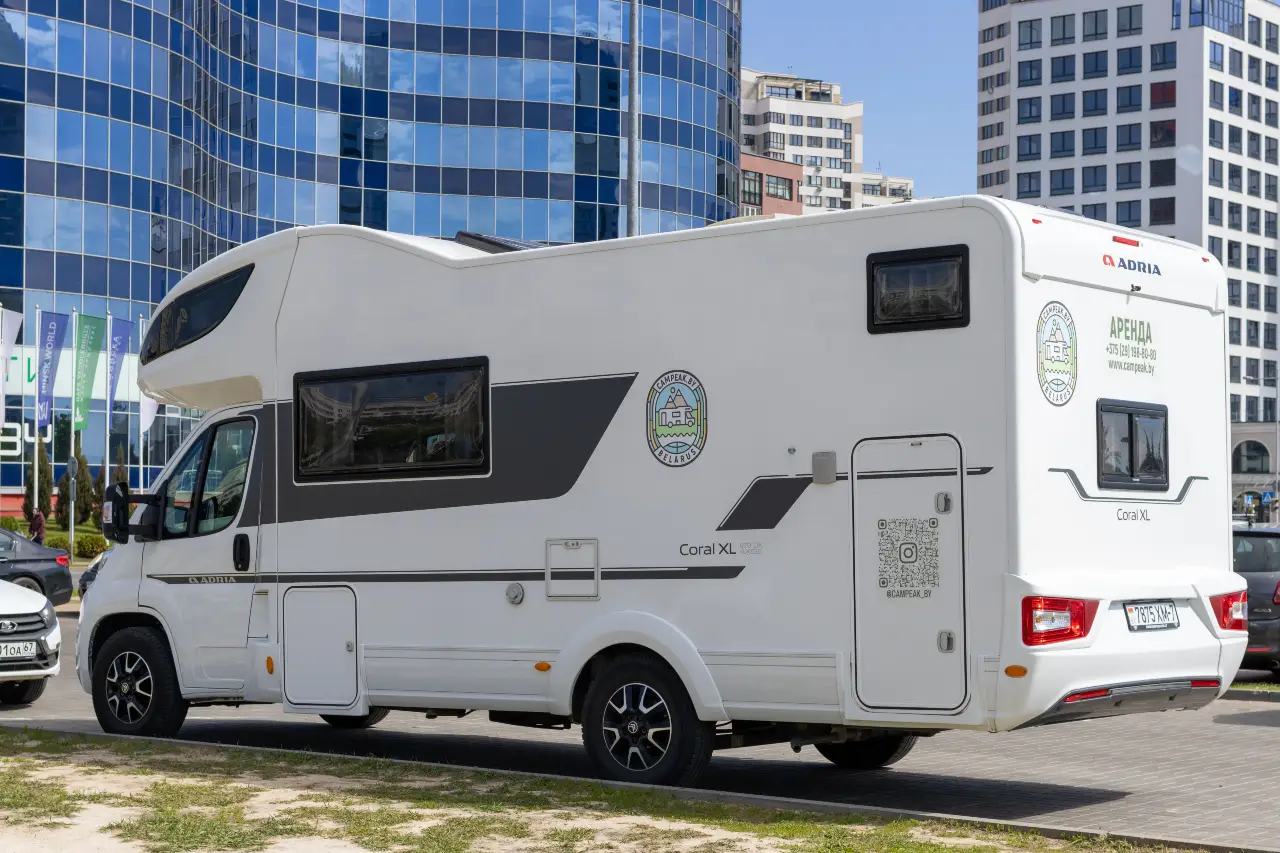
Price is often the point where new RV buyers discover how different Class C motorhomes can be. Two vehicles with similar exterior sizes may have very different prices because of their chassis, engines, materials, and equipment.
Entry-level gasoline models generally offer a simpler way into Class C ownership. Premium diesel models can cost considerably more, especially when they include advanced technology and luxury interiors.
Here are published price examples used for comparison in 2026.
| Motorhome | Published starting or list price |
|---|---|
| 2026 Thor Chateau 22E | $126,560 |
| Winnebago Minnie Winnie | $146,248 |
| 2026 Winnebago View | $217,555 |
These are published manufacturer or suggested list price references, not confirmed dealer selling prices. The Minnie Winnie price is a model range reference, and model year and remaining inventory should be checked before shopping.
The 2026 Winnebago View, for example, is a diesel Class C built on a Mercedes-Benz Sprinter chassis. Its published starting MSRP is $217,555, but taxes, title, freight, dealer preparation, and other costs are not included.
Dealers may advertise lower selling prices or offer different packages. That makes it important to compare complete written quotes rather than relying on a single number shown in an advertisement.
Why Used Models May Be Worth Considering
A used Class C can cost less than a similar new motorhome. However, a lower purchase price does not always mean lower total spending.
An older vehicle may need new tires, roof repairs, appliance replacements, or engine work. Water damage can also turn an apparently attractive deal into an expensive problem.
Before buying used, compare the purchase price with the repairs needed to make the motorhome safe and comfortable.
You should also check the interest rate if you plan to finance the purchase. A low advertised monthly payment may come with a long loan term and substantial interest costs.
Ask the dealer for a full price that includes every required fee. That gives you a better starting point for comparing two motorhomes.
The Real Costs of Owning a Class C Motorhome
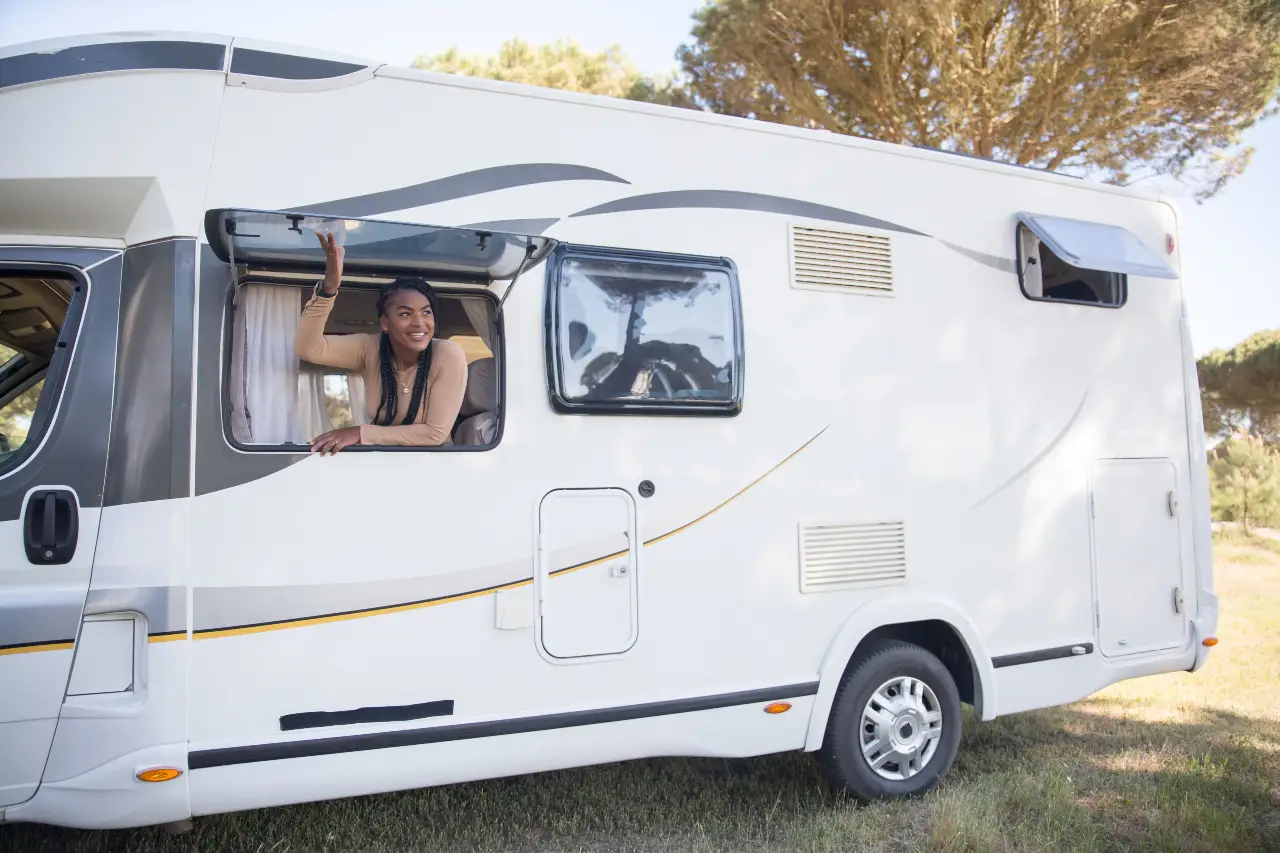
Buying the motorhome is only the beginning of the expense. You also have to maintain the vehicle and the systems that make it comfortable to live in.
Regular costs can include insurance, registration, engine service, tires, batteries, storage, and campground reservations. You may also spend money on propane, fuel, electrical repairs, and plumbing maintenance.
If you have a loan, monthly payments can take up a large part of your budget. Even when the motorhome is paid for, maintenance and depreciation remain important costs.
Here is a simple worksheet to use before buying.
| Expense | Your annual budget |
|---|---|
| Loan payments | $_____ |
| Insurance | $_____ |
| Registration | $_____ |
| Maintenance and repairs | $_____ |
| Storage | $_____ |
| Campground fees | $_____ |
| Fuel and propane | $_____ |
| Total | $_____ |
The best numbers come from actual quotes and your expected travel habits. Insurance costs can vary by location, vehicle value, and coverage, while fuel spending depends on how far you drive.
Calculate What Each Night of Camping Really Costs
Suppose you spend $12,000 during a year on ownership and travel expenses. If you camp for 40 nights, that works out to $300 per camping night.
This is only a hypothetical example, not an average cost for Class C owners. The figure also depends on which expenses you count.
That calculation becomes especially helpful if you expect to use your RV only a few weekends each year. Renting may cost less than owning when your annual use is limited.
Do not count the full purchase price and loan principal twice. If you want a complete economic comparison, account for financing costs and depreciation consistently.
The goal is to see what RV ownership will cost your household before making a major commitment.
Where Class C Motorhomes Make Travel Easier and Harder
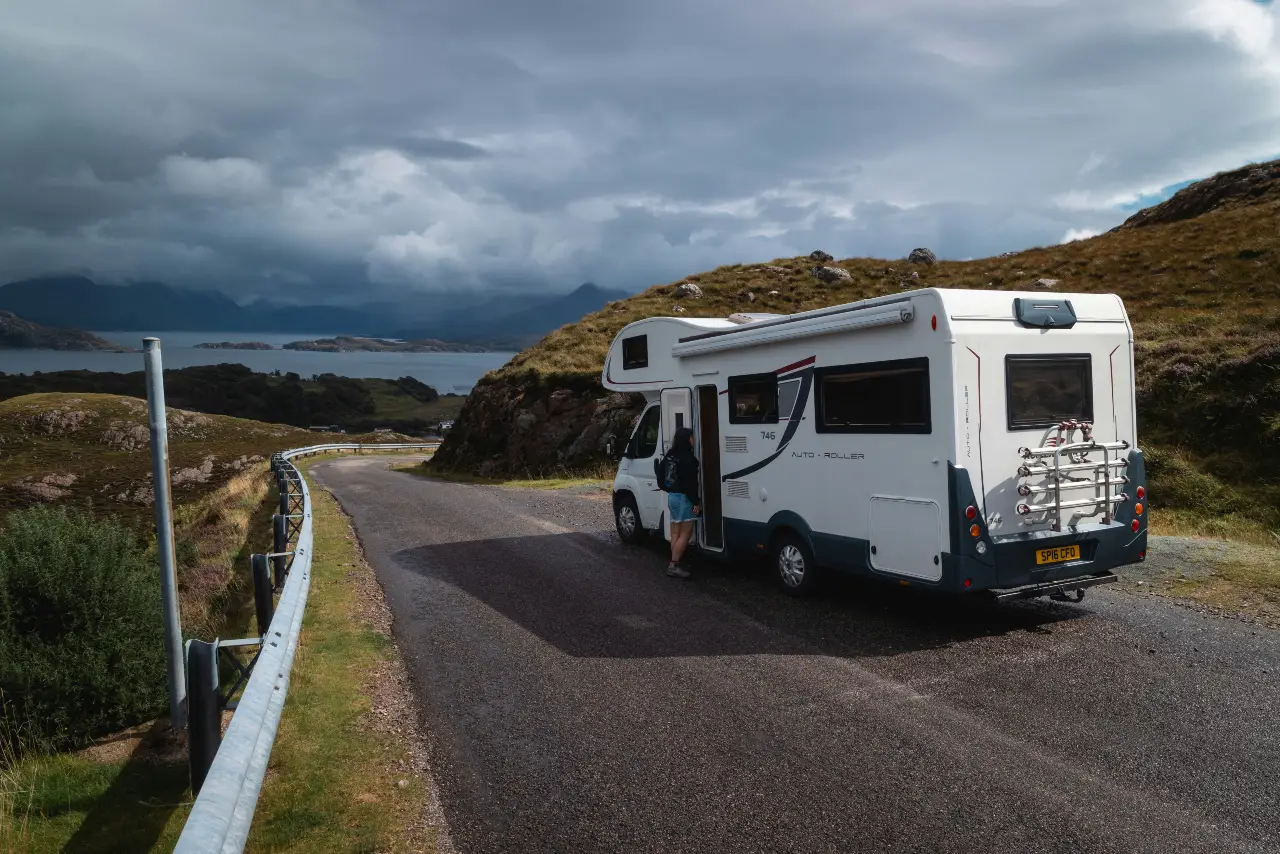
Class C motorhomes make some parts of camping easier because your basic living equipment travels with you. You do not have to unload a tent, build a sleeping area, or rely on campground bathrooms for every trip.
You can prepare a meal in your own kitchen and sleep in a familiar bed. Having a bathroom nearby can also make family travel more comfortable, especially at night.
However, traveling in a motorhome creates a different problem when you want to explore after reaching your campsite.
If you do not bring another vehicle, you may have to disconnect water, electricity, and sewer connections whenever you drive somewhere. You also have to secure loose items inside before moving.
This becomes inconvenient if you spend several days at one campground and want to visit restaurants, stores, or nearby attractions.
Why Motorhome Length Can Limit Campsite Choices
Some campgrounds have narrow roads, small parking pads, or strict vehicle length limits. The National Park Service notes that certain campgrounds cannot handle longer RVs.
For example, White Tank and Hidden Valley campgrounds in Joshua Tree National Park have a 25-foot combined vehicle length limit. That can rule out many larger Class C motorhomes.
A motorhome that fits one national park campground may not fit another. Always check the rules for the exact campsite you want to reserve.
Before booking, compare the site’s vehicle limit with your motorhome’s full exterior length. Check your width, height, and any extra length from a trailer or towed vehicle as well.
A shorter Class C may give you more camping choices. A longer model may be more comfortable once parked, but that extra space comes with limits.
The Class C Motorhome Pros and Cons Buyers Should Know
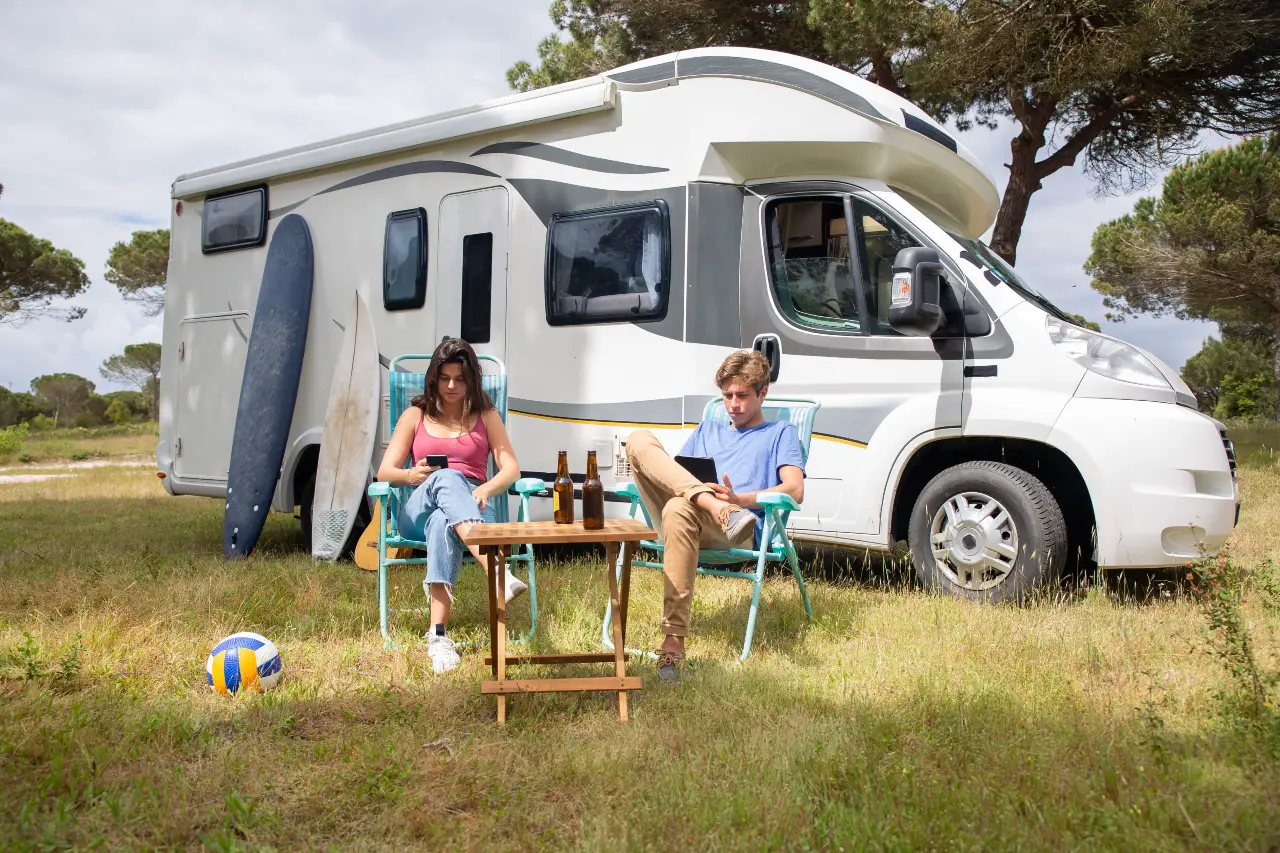
Class C motorhomes provide a useful balance of living space and travel convenience, but they are not free from problems. Knowing the drawbacks before buying can save you from expensive surprises.
One major advantage is having your living space and driving vehicle connected. You can move between the cab and living area when safely parked without stepping outside in bad weather.
Another benefit is the range of floorplans. You can choose compact layouts for couples or larger designs with room for children and guests.
The disadvantages often become clearer after ownership begins. Larger models can be difficult to park, maintenance can be expensive, and some campsites may be unavailable because of vehicle size.
| Advantage | Possible drawback |
|---|---|
| Built-in kitchen and bathroom | More systems to maintain |
| Extra sleeping space | Less room for storage in some layouts |
| Familiar front cab | Still a large vehicle |
| Many floorplan choices | Some layouts have poor access |
| Comfortable campground living | Less convenient for local driving |
| Self-contained travel | Higher ongoing costs than expected |
Water Damage Deserves Special Attention
Water leaks are an important concern when evaluating any motorhome. Roof openings, windows, wall seams, slideouts, and cabover sections can allow moisture inside if seals fail.
You may not notice a problem immediately. Water can enter behind panels and damage wood, insulation, or interior surfaces before obvious stains appear.
Check for soft flooring, stained ceilings, unusual smells, and repairs around the roof or windows. An independent inspection is especially useful when buying a used vehicle.
You should also examine cargo capacity. A motorhome may have plenty of cabinets but limited remaining weight capacity once passengers, water, and equipment are included.
These issues do not mean you should avoid Class C motorhomes. They mean you should inspect the specific vehicle rather than assume every model is equally dependable.
How to Choose the Best Class C Motorhome for Beginners
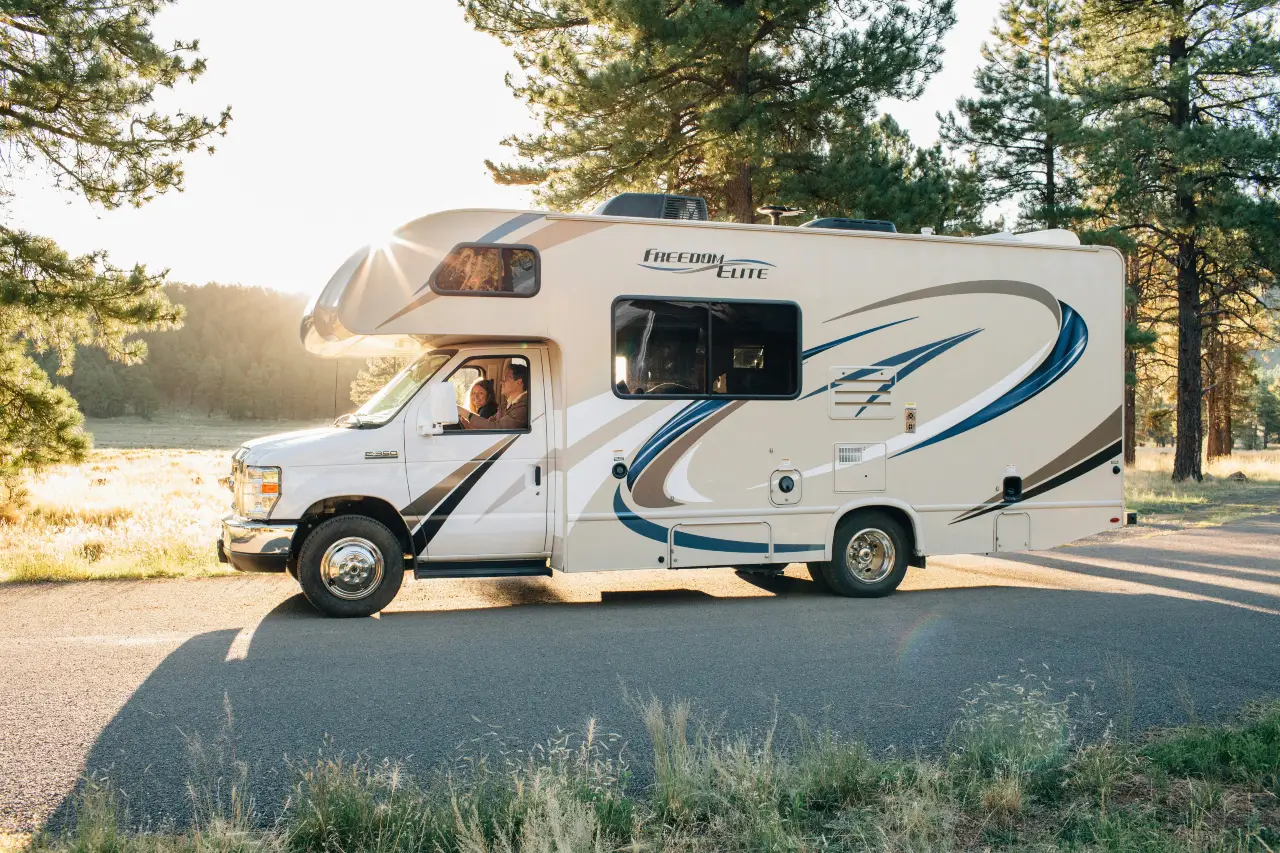
The best Class C motorhome for a beginner is not necessarily the smallest or cheapest model. It is the one that fits your travel plans without creating problems you could have avoided.
Start by deciding how many people will usually travel with you. Then determine how many need permanent beds and properly belted travel seats.
Next, consider the places you expect to visit. A motorhome used for weekend campground trips has different needs from one used for extended travel through national parks.
Compare Size Before Comparing Luxury Features
The 2026 Coachmen Freelander 22XG provides a useful compact example. One published configuration measures 24 feet 9 inches long and includes a bed that folds away against the wall.
The Freelander 30RS measures 32 feet 11 inches long. That is more than eight additional feet, which can affect campsite selection and maneuvering.
Neither size is automatically better. The right choice depends on whether you value easier parking or additional living room.
Use this simple size guide when shopping.
| Motorhome length | What to examine |
|---|---|
| Under 25 feet | Storage, bed size, parking |
| 25 to 29 feet | Bathroom, seating, campsite fit |
| 30 to 33 feet | Turning space, bedroom, parking |
| Over 33 feet | Route access, storage, operating costs |
These are shopping ranges, not official RV size categories. Vehicle design also affects how easy a motorhome is to drive and park.
Check the Layout With Everything Closed
Some Class C motorhomes use slideouts to increase living space while parked. This can make the interior more comfortable, but slideouts also add parts that need maintenance.
Walk through the motorhome with the slideouts retracted. Check whether you can reach the bathroom, refrigerator, and sleeping area without moving anything.
Also ask about the actual cargo capacity and towing ratings for the specific vehicle. Do not assume a model can safely tow your car because another version has similar specifications.
Before visiting a dealership, answer these five questions:
- How many people will travel and sleep inside?
- What is the longest vehicle you feel comfortable driving?
- Which campgrounds do you plan to visit?
- How much can you spend each year after purchase?
- Which features would you refuse to buy without?
Keep your answers nearby while comparing motorhomes. They can help you avoid paying extra for features you rarely use.
What to Inspect Before Buying a New or Used Class C

A motorhome can look beautiful inside and still have expensive problems. Fresh upholstery and polished cabinets cannot tell you whether the roof leaks or the vehicle has been maintained properly.
That is why an inspection should cover both the driving vehicle and the living area. These are different systems, and both need attention.
Start With the Roof and Walls
Inspect roof seams, skylights, vents, windows, and the area above the driver’s cab. Look for cracked sealant, stains, soft surfaces, and evidence of past repairs.
Water damage is especially concerning because it may spread into hidden areas. A professional RV inspector can help identify moisture problems that are difficult to spot during a casual walkthrough.
Test the Appliances and Utility Systems
Turn on the air conditioner and heating system. Check the refrigerator, stove, water pump, toilet, shower, and electrical outlets.
If the motorhome has a generator, ask to see it operate under an appropriate load. Also confirm that the batteries charge correctly and that the water system does not leak.
These tests help reveal problems that may require expensive repairs after purchase.
Check Weight Ratings and Tires
Every motorhome has a gross vehicle weight rating, often called GVWR. This is the maximum permitted weight of the loaded vehicle, including occupants, cargo, fluids, and equipment.
You should also check the weight allowed on each axle. Exceeding these limits can affect handling, braking, and tire safety.
Ask for the vehicle’s cargo capacity label and, when possible, a recent weight measurement. Remember that filling fresh water tanks and loading camping equipment adds weight.
Check tire age, condition, size, and correct pressure requirements. A tire can look acceptable while being old enough to deserve replacement.
Arrange an Independent Inspection
Even when a dealership provides its own inspection report, an independent review can offer another view of the vehicle’s condition.
For a used motorhome, consider an RV inspection along with a mechanical inspection by someone familiar with its chassis and engine.
Review service records, warranty terms, title history, and unresolved recalls. Check whether any repairs have been completed properly.
A professional inspection costs money, but discovering a major problem before buying is usually better than discovering it after taking the vehicle home.
Should You Rent a Class C Motorhome Before Buying One?
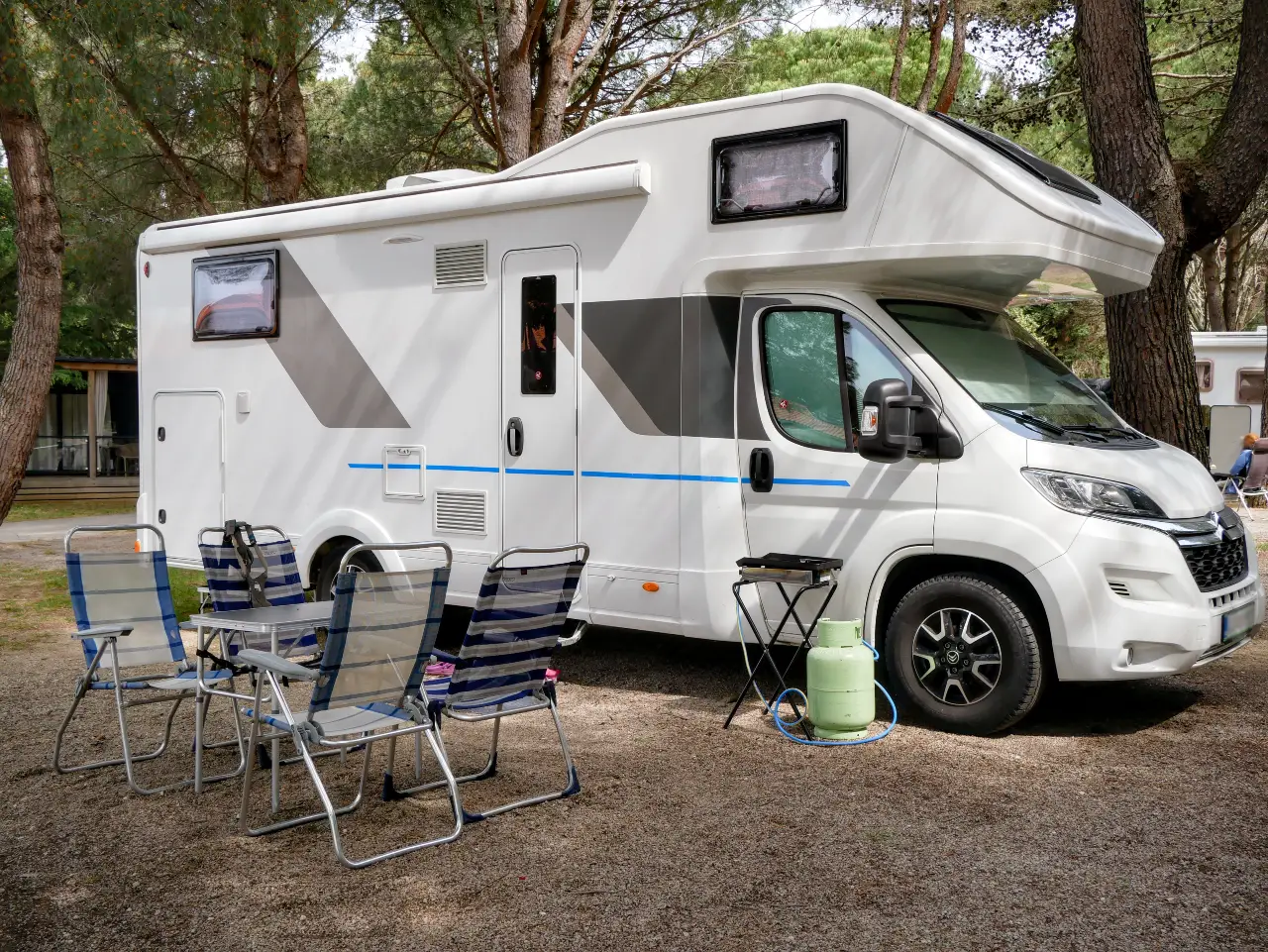
Renting a Class C before buying can reveal problems that are difficult to notice during a dealership visit. A vehicle may feel spacious when empty but crowded once your family and luggage are inside.
Try to rent a model close to the size you plan to purchase. Spend at least one night using its kitchen, bathroom, sleeping areas, and storage.
Pay attention to how it feels on narrow roads and at fuel stations. Notice whether you are comfortable reversing, parking, and entering campground sites.
Also test normal camping tasks. Connect the utilities, prepare a meal, set up the sleeping areas, and pack everything away before departure.
If you are comparing different sizes, renting a shorter model and a larger one on separate trips can be helpful. It lets you experience the comfort and driving differences rather than guessing from floor plans.
Write down the things that bother you. An awkward bathroom door, uncomfortable bed, or lack of storage may become a bigger issue during longer trips.
Renting has a cost, but it may prevent you from purchasing a motorhome that does not suit your routine.
Are Class C Motorhomes the Right First RV for You?
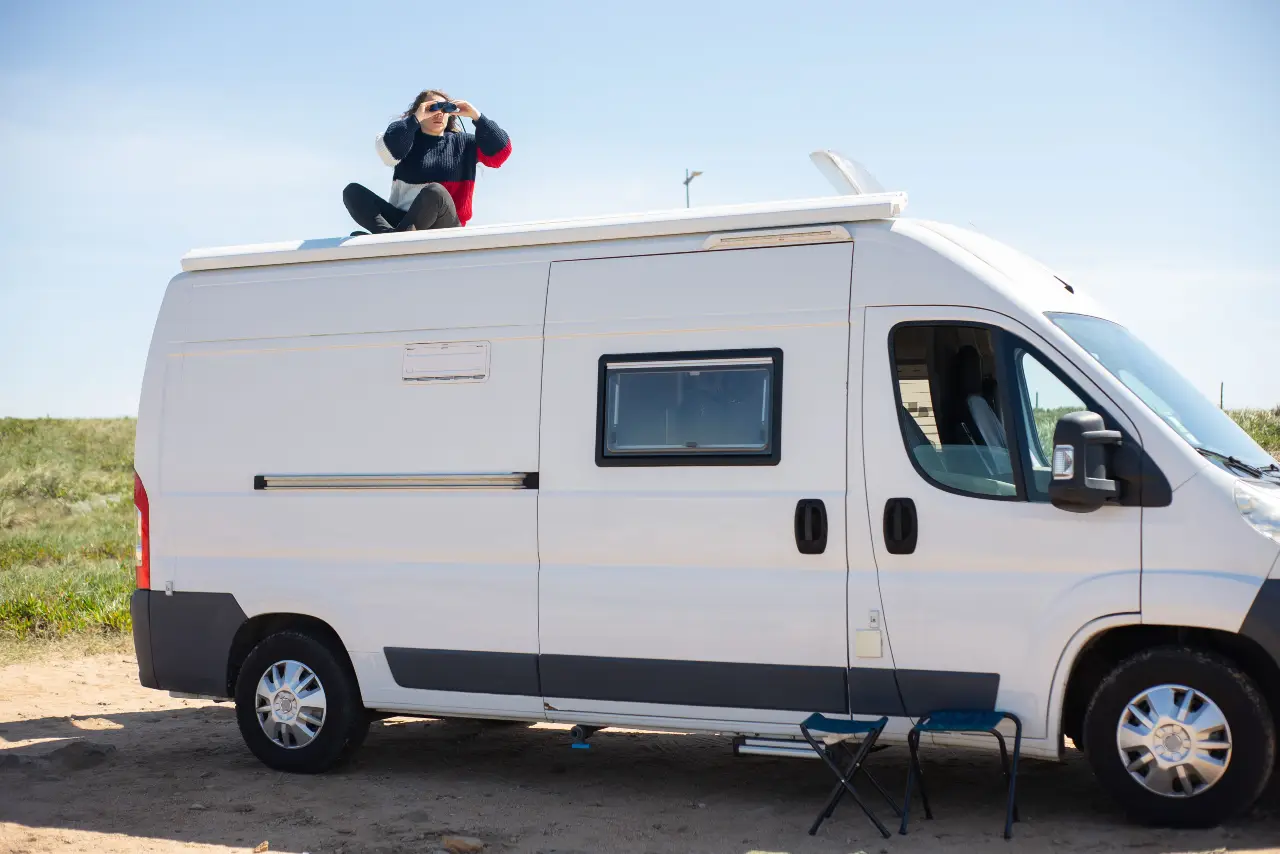
Class C motorhomes can be a sensible choice for couples and families who want a comfortable place to sleep, cook, and relax while traveling. They are especially appealing when a camper van feels too small, but a large Class A seems unnecessary.
However, your plans matter more than the name of the RV category. If you mostly visit crowded cities, a smaller camper van may be easier to live with.
If you already own a suitable tow vehicle, a travel trailer could be worth comparing. It allows you to leave the trailer at camp while using the tow vehicle for local trips.
Before making a decision, ask yourself whether you can comfortably handle the following requirements.
You may be ready to consider a Class C if:
- You want an indoor bathroom and cooking space.
- You need more sleeping room than a small camper van provides.
- You are comfortable learning to drive a larger vehicle.
- You can afford the purchase and ongoing ownership costs.
- Your preferred campgrounds can accommodate the vehicle.
- You have a realistic plan for maintenance and storage.
- You are willing to inspect or rent before buying.
You do not have to answer yes to every question immediately. But any question that raises concern deserves attention before you sign a purchase agreement.
Write down your three most important needs and use them to compare available models. A motorhome that fails an essential requirement is unlikely to become a better fit simply because it has attractive features.
Frequently Asked Questions About Class C Motorhomes
Are Class C Motorhomes Good for First-Time Owners?
They can be a good choice because many offer a familiar front cab and enough living space for comfortable camping. However, driving confidence, maintenance costs, and parking needs should be considered before buying.
A shorter model may be a better starting point for some beginners, but the ideal size depends on your experience and travel plans.
Can You Drive a Class C Motorhome With a Regular Driver’s License?
Many Class C motorhomes can be driven with a regular driver’s license in the United States. However, requirements vary by state and can depend on the vehicle’s weight or other factors.
Check with your state motor vehicle department before purchasing. Do not assume every motorhome has the same licensing rules.
How Long Do Class C Motorhomes Last?
There is no reliable lifespan that applies to every Class C motorhome. Condition depends on maintenance, storage, mileage, water exposure, and how the vehicle has been used.
A well-maintained older motorhome may be a better purchase than a newer one with neglected roof seals or poor service records. Inspect the individual vehicle rather than judging it only by age.
Is a Class C Motorhome Cheaper Than a Travel Trailer?
A travel trailer may have a lower purchase price because it does not include its own engine and driving cab. However, you may need a suitable tow vehicle, which can add substantial expense.
Compare the full cost of the trailer, tow vehicle, insurance, maintenance, and travel needs before deciding. The cheaper option depends on what you already own and how you plan to camp.
Final Thoughts
Class C motorhomes appeal to many first-time buyers because they offer a useful mix of living space, familiar driving controls, and everyday camping comfort. You can find shorter models for couples and larger layouts for families who need more room.
Still, owning one involves more than choosing an attractive floorplan. Parking limits, maintenance, fuel, storage, and cargo capacity can affect how much you enjoy using your RV.
Before buying, compare at least two models that meet your needs. Review the full annual cost, arrange a proper inspection, and rent or test drive a similar vehicle if possible.
The right first motorhome should make your trips easier, fit your budget, and give you confidence every time you leave home.