
Most people worry about engine trouble, flat tires, and expensive repairs when traveling in an RV but some of the biggest problems can come from everyday items already sitting inside your camper. Things you use without a second thought at home can become dangerous when you’re living in a smaller space with limited power and storage.
A portable heater might overload an electrical circuit. Ordinary bathroom wipes can clog a holding tank. Even firewood brought from home could violate campground restrictions. These mistakes can lead to unexpected expenses, damaged equipment, or serious safety problems.
The National Park Service warns RV owners about electrical overloads, cooking fires, fuel leaks, and other hazards that can develop inside recreational vehicles. Many problems can be reduced with proper equipment and a few simple habits.
Before packing for your next trip, take a closer look at these 19 everyday items. Some are best left at home, while others simply need to be used and stored correctly.
1. Portable Space Heaters Can Overload Your RV’s Electrical System
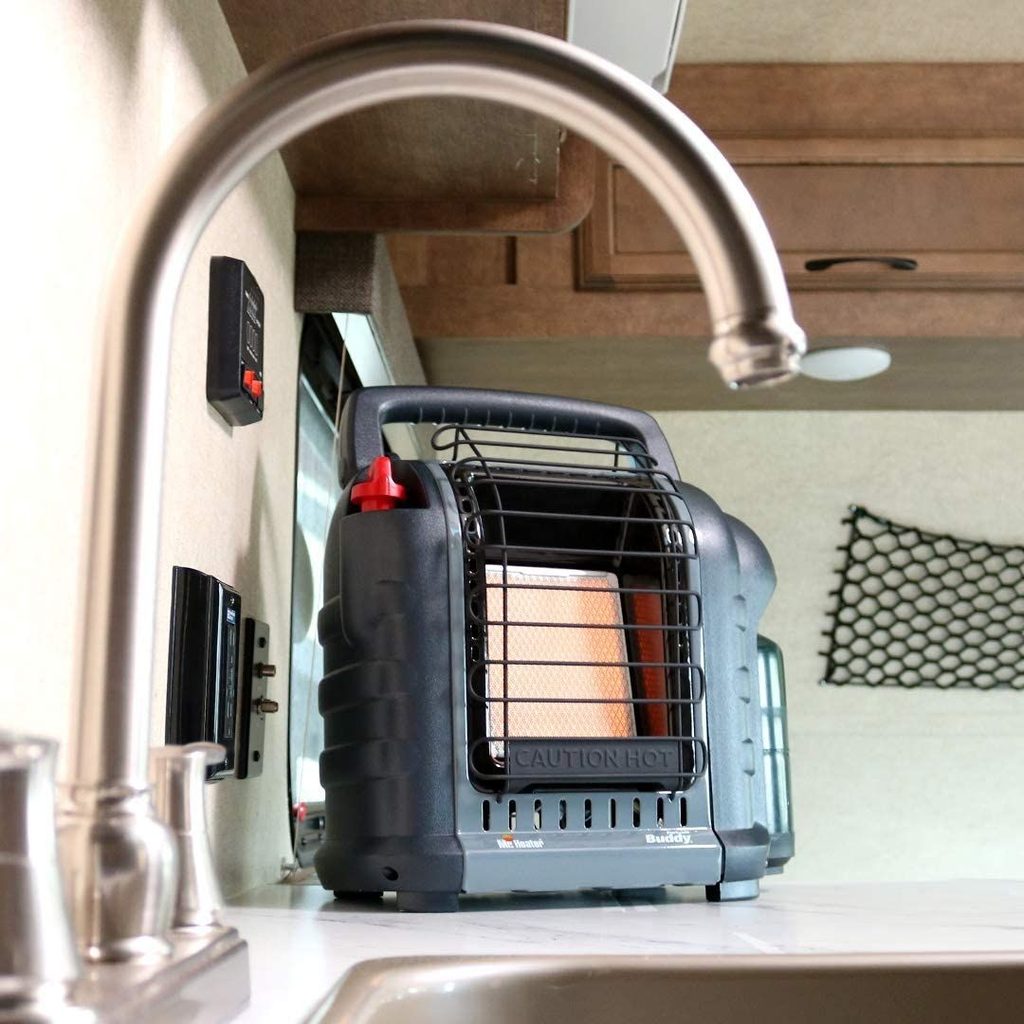
A small electric heater seems like an easy way to stay warm during chilly nights. But portable heaters can use a large share of the electricity available inside an RV. Running one alongside a microwave, coffee maker, or other powerful appliance can overload a circuit.
A typical 1,500 watt heater draws about 12.5 amps on a 120 volt circuit. That is a substantial load, especially in an RV with limited electrical capacity. Placing the heater too close to bedding, curtains, or furniture can also create a fire hazard.
Check the heater’s instructions and your RV’s electrical capacity before using it. Plug a suitable heater directly into an appropriate wall outlet, never an extension cord or power strip, and keep it away from anything that could catch fire. Never leave it running unattended or while sleeping.
2. Power Strips Can Become Dangerous When You Plug In Too Much
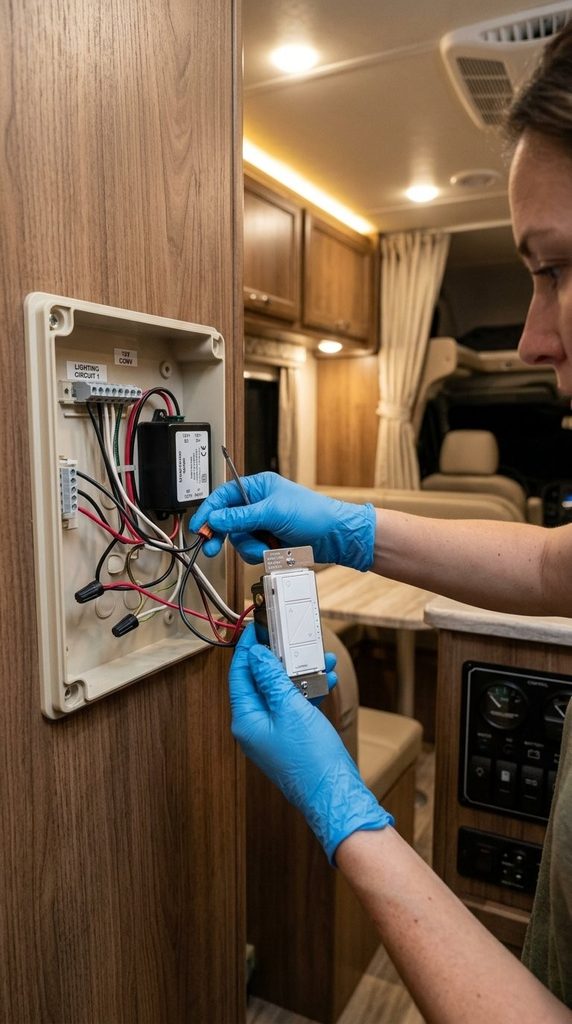
An RV rarely has enough electrical outlets for everything people want to use. That makes power strips tempting, especially when you need to charge phones, run kitchen appliances, or connect entertainment equipment.
The problem starts when too many devices draw electricity through one outlet or circuit. A power strip adds places to plug things in, but it does not increase the electrical capacity of your RV. High power appliances can cause overheating when connected to equipment that cannot handle the load.
Use properly rated, safety certified power strips only where appropriate, and avoid connecting one strip to another. Keep powerful appliances on suitable outlets and pay attention to warm plugs, damaged cords, or breakers that keep tripping.
3. Ordinary Extension Cords May Not Handle Your RV’s Power Needs
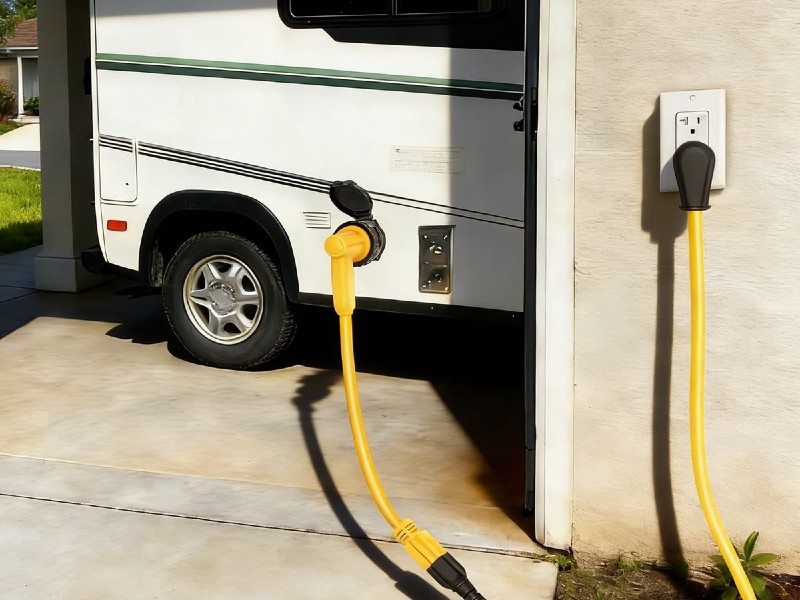
An extension cord that works for holiday decorations may be completely unsuitable for supplying electricity to an RV. Smaller household cords are not designed to carry the sustained electrical loads that campers may require.
Using an undersized cord can cause overheating and voltage problems. Long cords, damaged insulation, and loose connections can increase the risk. The danger becomes greater when people use ordinary cords to connect their RV to campground electrical service.
Use a properly rated RV power cord and the correct connection for your electrical system. Before connecting to campground power, inspect the cord and outlet for damage. Never modify a plug or bypass electrical protection to make an unsuitable connection work.
4. Scented Candles Can Create Bigger Problems Than You Expect
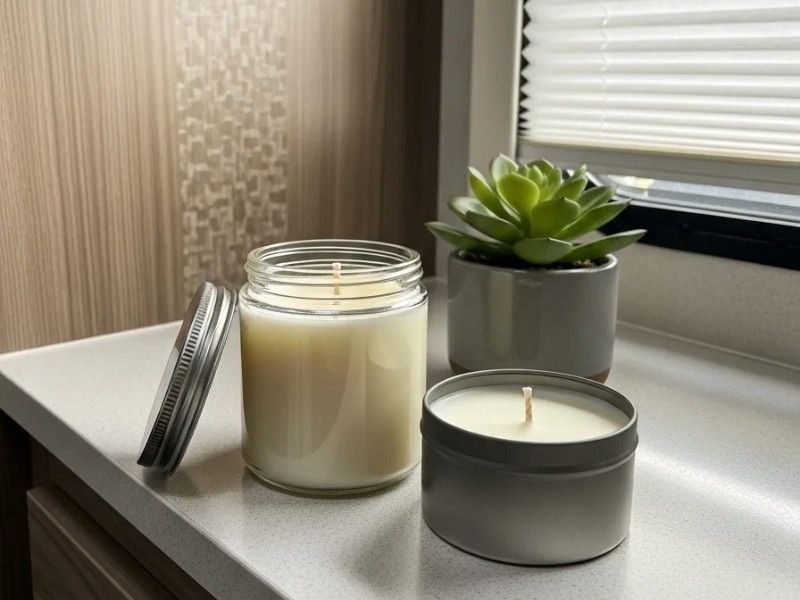
A scented candle can make a camper feel cozy, especially on a rainy evening. But RV interiors often have curtains, bedding, cabinets, and other materials close together. A small flame can become dangerous if it is placed near something that burns easily.
Candles may also tip over when someone bumps a table or moves around the camper. Pets and children can add another risk, particularly when there is little space between the candle and other belongings.
Choose flameless LED candles when you want soft lighting without an open flame. If you use a real candle, keep it on a stable surface away from anything flammable and extinguish it whenever you leave the area or go to sleep.
5. Household Cleaning Chemicals Can Damage RV Plumbing
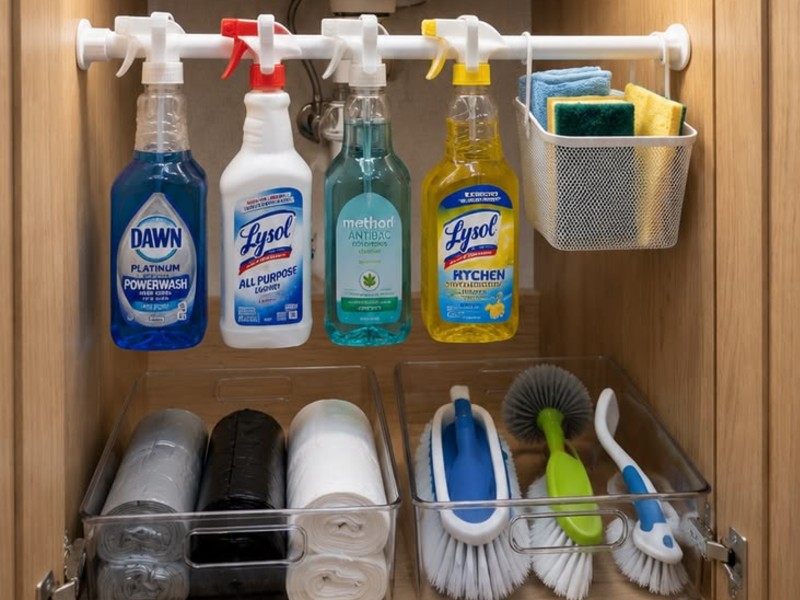
Using the same cleaning products you keep at home might seem harmless. But RV toilets, seals, tanks, and plumbing systems can have different care requirements from household fixtures. Some strong cleaners may damage materials or interfere with products used in holding tanks.
Mixing cleaning chemicals creates another risk. Combining bleach with ammonia or acidic cleaners can release dangerous gases, and the limited interior space of an RV makes chemical exposure especially concerning.
Check your RV toilet and plumbing manufacturer’s cleaning instructions before using a new product. Never mix household chemicals, and keep cleaning supplies in their original labeled containers. Proper cleaning should protect your plumbing rather than create another repair bill.
6. Disposable Wipes Can Leave You With a Clogged Black Tank
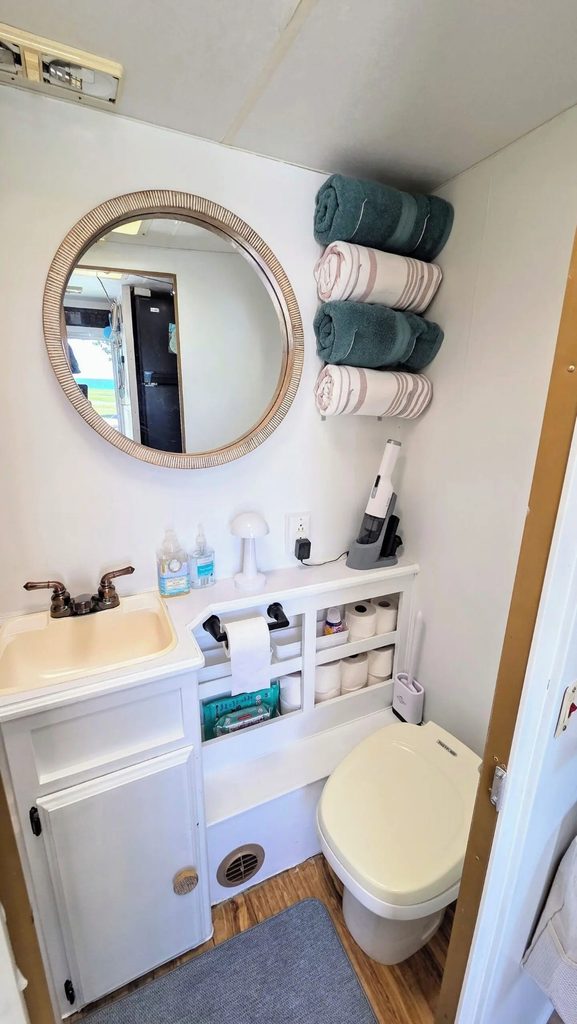
Bathroom wipes are convenient, and some packages claim the product can be flushed. But an RV holding tank is different from a household sewer system. Wipes may remain intact and collect around tank outlets or other parts of the waste system.
A blockage can prevent the tank from emptying properly. Fixing the problem may require special equipment or professional assistance, which can become an expensive and unpleasant interruption during a trip.
Keep disposable wipes out of your RV toilet, including products labeled as flushable. Use toilet paper recommended for your RV’s sanitation system and follow the manufacturer’s instructions for water use and tank maintenance.
7. Portable Generators Can Cause Carbon Monoxide Poisoning
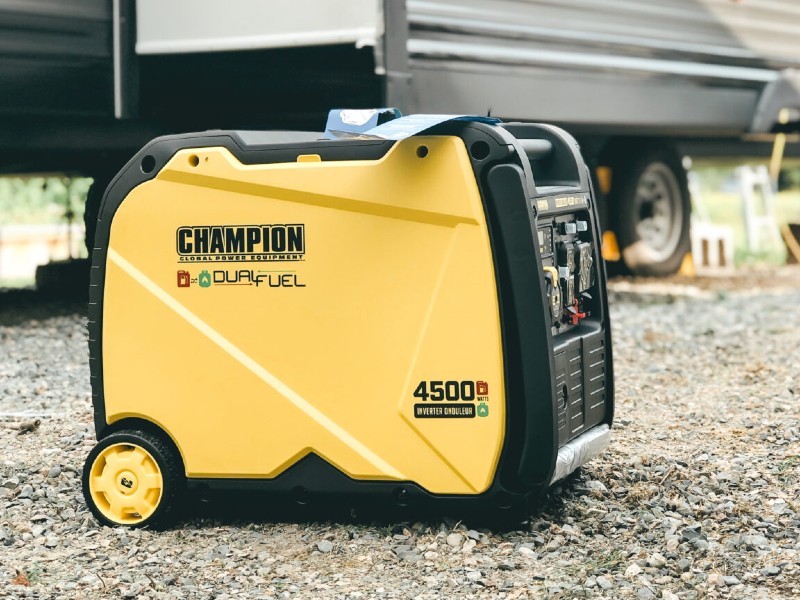
A portable generator can be extremely useful when camping without electrical hookups. It provides power for appliances, charging equipment, and other everyday needs. But gasoline and propane generators produce carbon monoxide, a poisonous gas that cannot be seen or smelled.
The National Park Service warns that generators and other fuel burning equipment can cause dangerous carbon monoxide exposure. Exhaust can enter an RV through windows, vents, or other openings, even when the generator is outside.
Never operate a portable generator inside an RV, storage compartment, garage, or under an awning. Follow the manufacturer’s outdoor placement and clearance instructions, keep exhaust away from occupied spaces, and maintain working carbon monoxide alarms inside the camper.
8. Portable Propane Grills Should Never Be Used Inside Your Camper
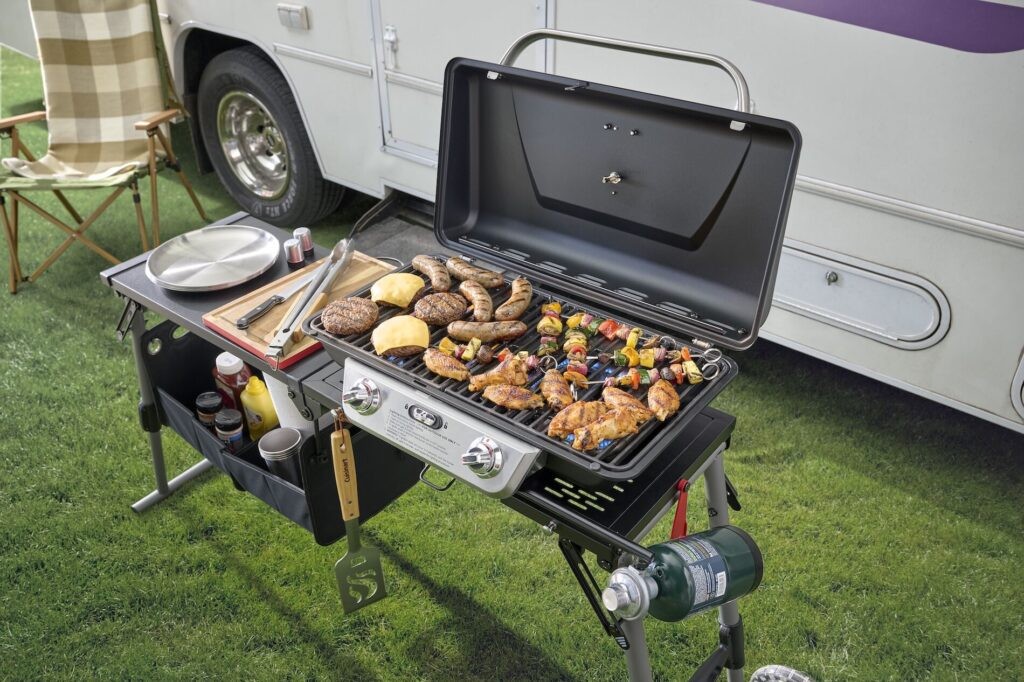
A small propane grill makes campsite cooking easy, especially when you want to prepare food outdoors. But bringing it inside during bad weather can turn a convenient appliance into a serious hazard.
Portable grills are generally designed for outdoor use because they produce combustion gases and heat. Using one inside an RV can create carbon monoxide exposure and fire risks. A roof vent or open window does not make an outdoor grill safe for indoor cooking.
Set up your grill outdoors at the distances required by its manufacturer and campground rules. Keep it away from RV walls, awnings, and other combustible materials. If the weather is too dangerous for outdoor cooking, use an appliance approved for indoor RV use instead.
9. Gasoline Containers Can Become Dangerous in the Wrong Storage Area
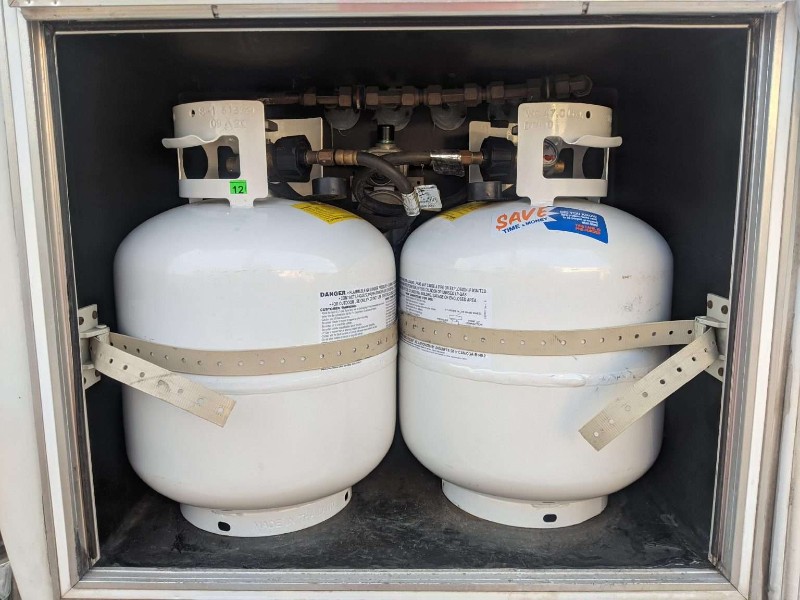
Extra gasoline may seem useful when traveling through remote areas. But storing fuel inside an RV creates risks from flammable vapors, leaks, and spills. Heat can make these problems more serious, especially during summer trips.
Even a tightly closed container can become hazardous if it is damaged or stored incorrectly. Gasoline vapors can ignite when they reach a spark or flame, and spilled fuel can damage belongings or create unsafe conditions.
Carry gasoline only when necessary, using approved containers and storage arrangements permitted by your RV and container manufacturers. Never store gasoline in the living or sleeping area. Check local transport and campground rules before bringing extra fuel.
10. Heavy Coffee Makers and Kitchen Appliances Can Become Flying Objects
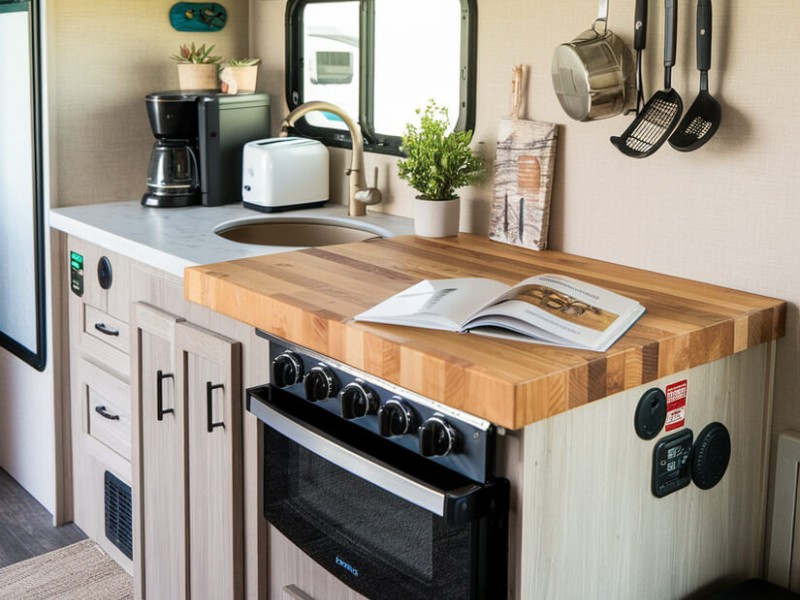
A large coffee maker or countertop appliance may sit safely in your kitchen at home. Inside an RV, however, it can become a problem when the vehicle suddenly brakes, turns, or travels over a rough road.
Heavy items left loose on counters can slide, fall, or strike someone. They may also damage cabinets, flooring, and other equipment. Glass containers and removable appliance parts can break during travel.
Before driving, unplug countertop appliances, allow hot items to cool, and secure everything in suitable storage. Keep heavier belongings low and avoid placing them in overhead cabinets where they could fall when a door opens.
11. Extra Water Containers Can Push Your RV Over Its Weight Limit
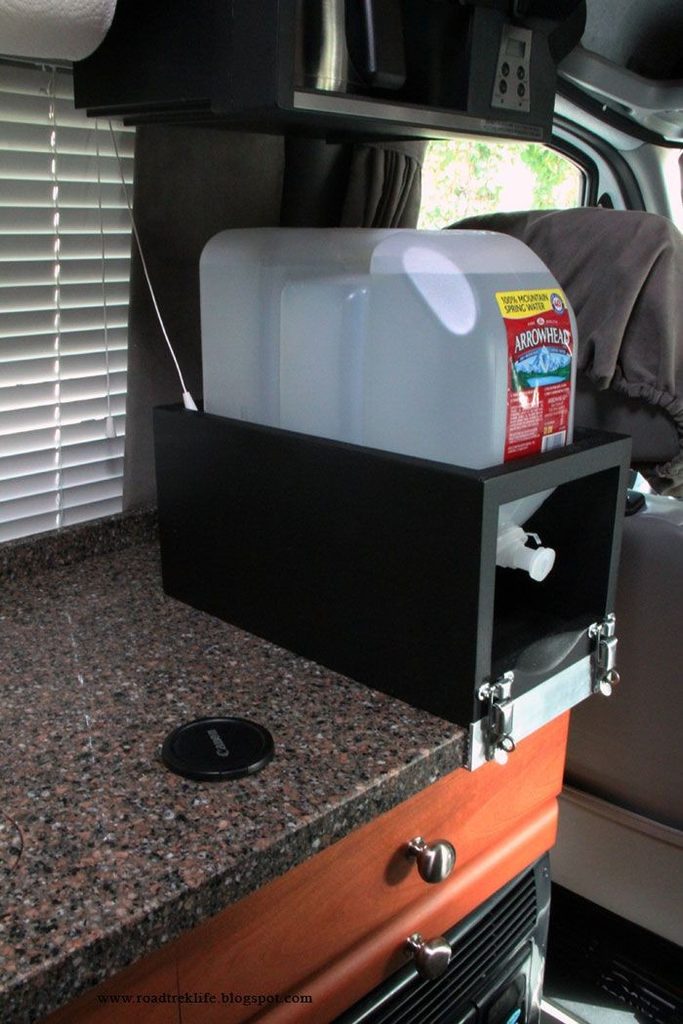
Carrying additional drinking water sounds like a smart idea, especially when camping away from hookups. But water is heavy, and adding several large containers can use up more of your RV’s available cargo capacity than expected.
One gallon of water weighs about 8.34 pounds. A 20 gallon supply adds roughly 167 pounds before counting the weight of the containers themselves. That extra load matters when your RV is already carrying passengers, food, furniture, and equipment.
Check your RV’s cargo carrying capacity and actual loaded weight before adding more supplies. Secure water containers so they cannot move during travel. Remember that the weight must also be distributed within the vehicle’s axle and tire limits.
12. Lithium Battery Packs Need More Care Than You Think
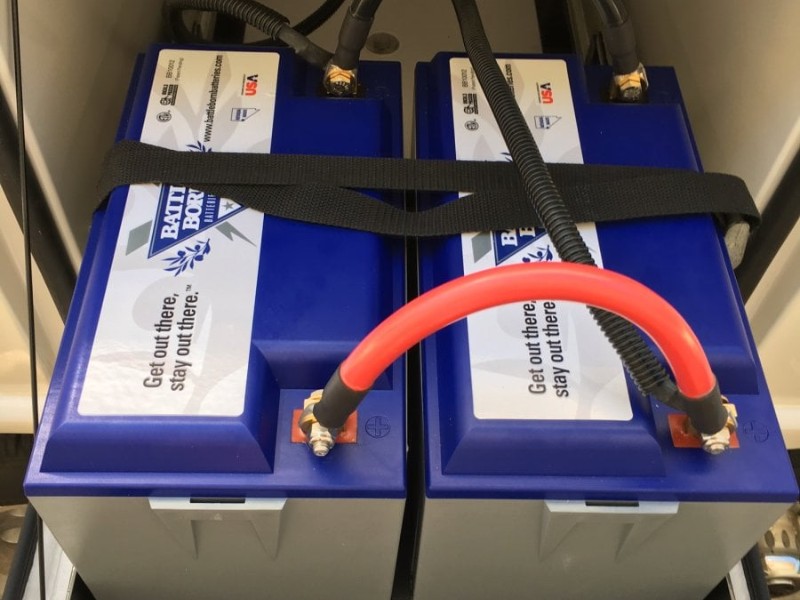
Portable power stations, electric bike batteries, and rechargeable equipment are popular among RV travelers. They can provide convenient power when hookups are unavailable. But damaged or unsuitable lithium batteries can overheat and, in some cases, catch fire.
Problems may develop when a battery is punctured, crushed, exposed to excessive heat, or charged with incompatible equipment. Poorly made replacement chargers and damaged cables can increase the danger.
Use the charger approved for your battery and follow its temperature and storage instructions. Stop using any battery that becomes swollen, unusually hot, damaged, or starts producing smoke or strange odors. Keep battery equipment away from heat sources and follow the manufacturer’s safety guidance.
13. Loose Propane Cylinders Can Become a Serious Safety Problem
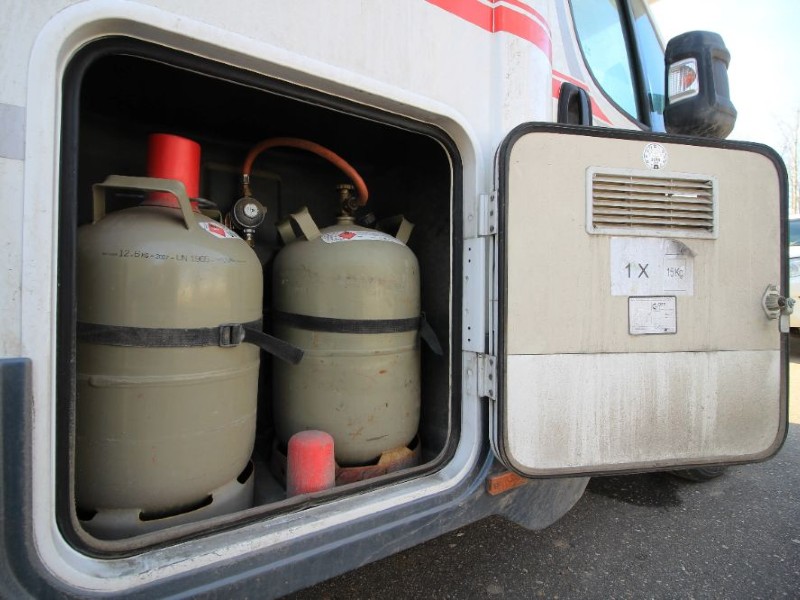
Small propane cylinders are useful for camping stoves, grills, and portable outdoor equipment. But they need proper storage because propane is flammable and a leaking cylinder can create a dangerous situation.
A cylinder that falls, rolls around, or suffers valve damage may begin leaking. Storing propane in an unsuitable enclosed compartment can allow gas to collect, creating a risk if an ignition source is nearby.
Keep propane cylinders secured upright in an approved, ventilated location appropriate for the cylinder and RV design. Protect valves from damage, inspect connections, and follow the manufacturer’s transport instructions. Never assume that an ordinary storage cupboard is a safe place for spare propane.
14. Household Drain Cleaners Can Turn a Small Clog Into a Bigger Problem
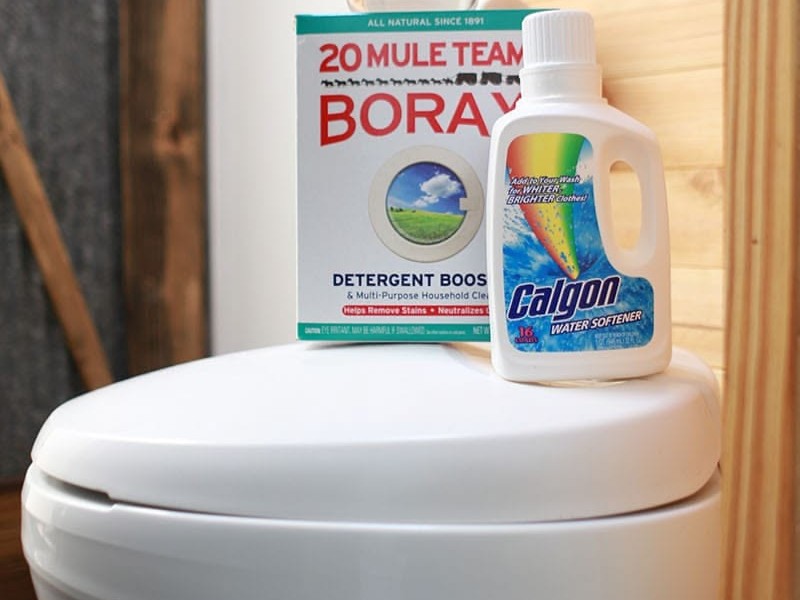
A slow draining RV sink can be frustrating, especially when you are trying to wash dishes or get ready for bed. Reaching for a powerful household drain cleaner may seem like the fastest solution.
However, some chemical drain cleaners may be unsuitable for RV plumbing, seals, and holding tanks. They can also pose risks to people who later disconnect hoses or work on the drainage system. The wrong product may make a simple clog harder and more dangerous to fix.
Start by checking the drain screen and following the RV manufacturer’s recommended cleaning method. Use only products approved for your particular plumbing system. For a persistent blockage, seek help from an RV technician rather than repeatedly pouring chemicals into the drain.
15. Firewood From Home Can Violate Campground Rules
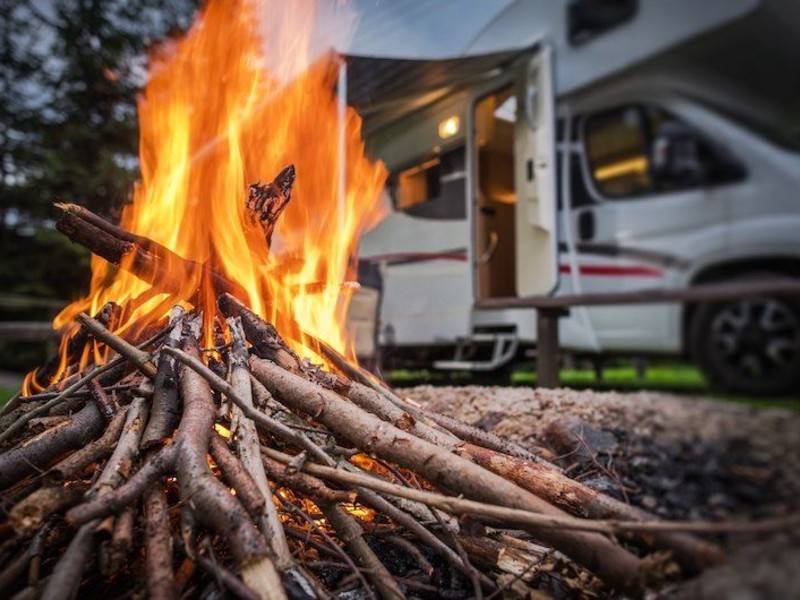
Bringing leftover firewood from home may seem like an easy way to save money. But moving untreated wood between regions can spread insects and plant diseases that damage forests.
On October 1, 2026, the USDA warned campers and RV owners about transporting invasive forest pests through firewood. Some areas have quarantine rules restricting wood movement, even when the logs look completely healthy.
Buy firewood near the campground where you plan to burn it, or use certified heat treated wood when permitted. Check local restrictions before traveling and avoid taking leftover untreated firewood to another destination.
16. Charcoal Ashes Can Start a Fire Long After Cooking Ends
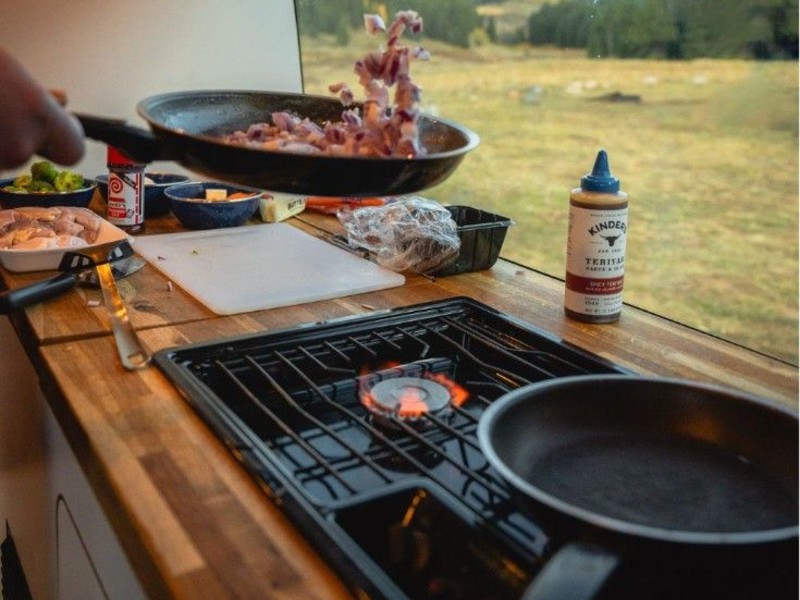
Cooking over charcoal is a popular part of camping, and the cleanup may seem simple once the food is finished. But charcoal can remain hot after the flames disappear, making leftover ashes more dangerous than they look.
Dumping warm ashes into ordinary trash containers can ignite paper, packaging, or other combustible materials. The same problem can occur when people leave used charcoal near dry leaves, wooden decks, or campsite equipment.
Allow charcoal to cool completely and follow the campground’s ash disposal instructions. Use designated metal ash containers where provided. Never put hot ashes inside the RV, a plastic trash can, or any container holding combustible rubbish.
17. Large Outdoor Rugs Can Get You in Trouble at Certain Campgrounds
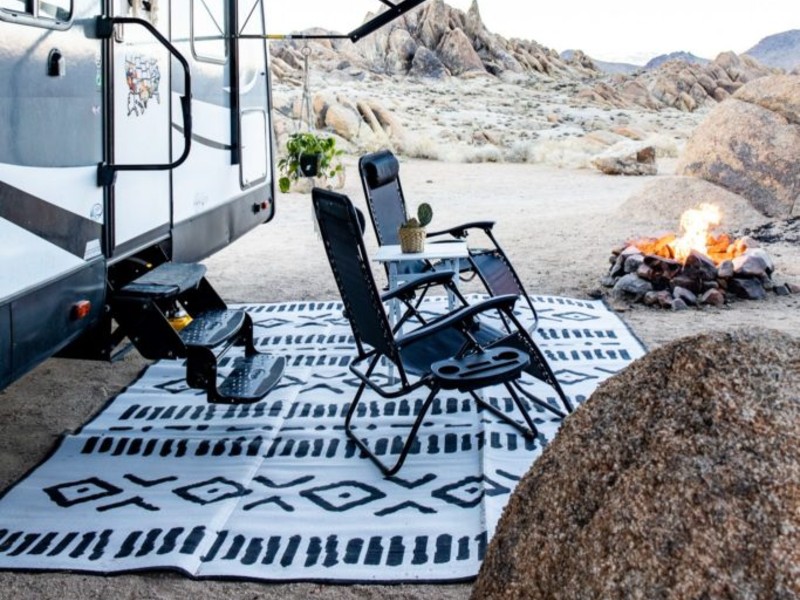
An outdoor rug can make a campsite look clean and comfortable. It creates a pleasant place for chairs and helps reduce the amount of dirt tracked inside the RV. But some campgrounds restrict where rugs can be placed.
Large mats may damage grass by blocking sunlight and trapping moisture. Campground operators may limit rugs to gravel, concrete, or designated patio areas to protect the grounds for future visitors.
Check campsite rules before spreading out a rug or ground covering. If rugs are permitted, choose an appropriate size and place it only in approved areas. Following these small rules helps avoid disputes with campground staff.
18. Decorative Lights Can Cause Trouble When Used Outdoors
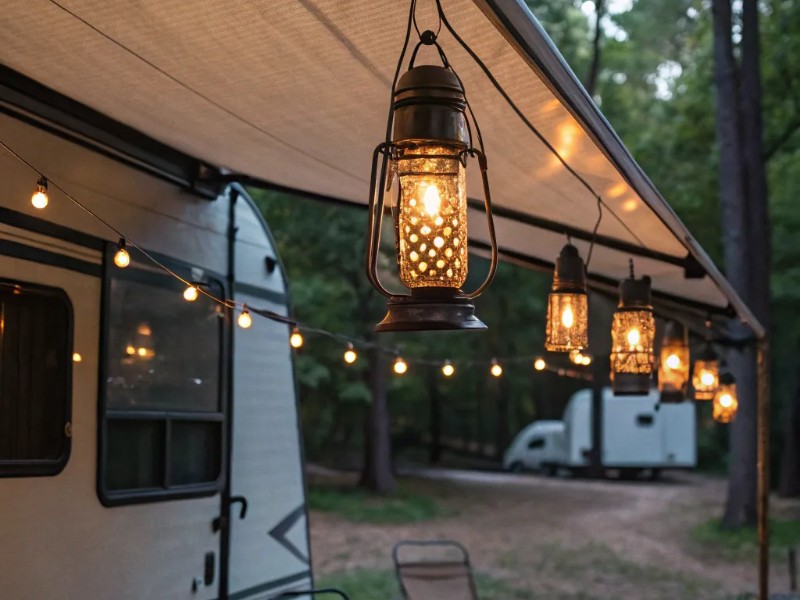
String lights can make an RV campsite look attractive at night. Many travelers hang them around awnings, picnic tables, and outdoor seating areas to create a welcoming atmosphere.
Problems begin when indoor lights are exposed to rain, electrical connections become wet, or cords are stretched across walkways. Some campgrounds also have rules about excessive lighting because it can disturb neighbors or affect dark sky viewing areas.
Choose outdoor rated lights and protect electrical connections according to the product instructions. Keep cords away from walking paths, inspect them for damage, and turn lights off when required by campground quiet hours or lighting rules.
19. Portable Appliances Can Exceed the Power Available at Your Campsite
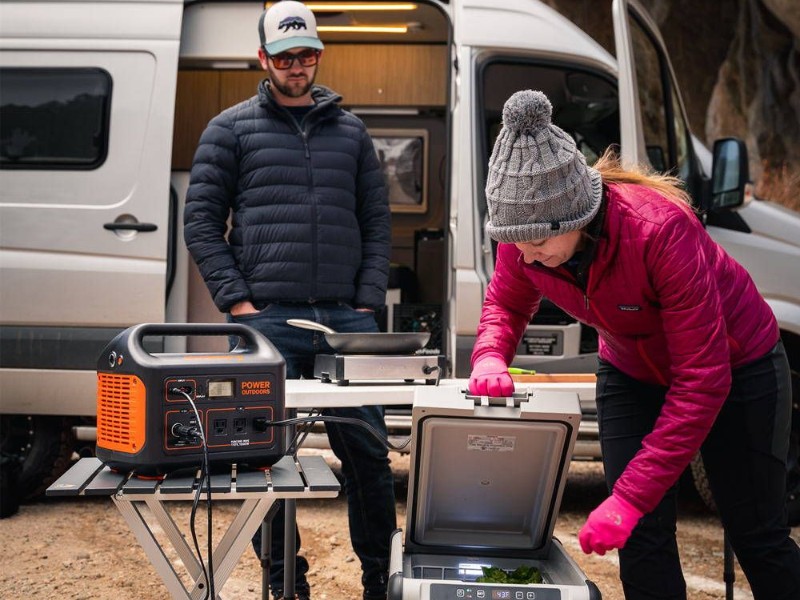
Bringing an air fryer, electric kettle, microwave, and portable air conditioner can make RV living more comfortable. But using several powerful appliances at once may draw more electricity than your campground connection or RV wiring can safely supply.
An RV connected to 30 amp, 120 volt service has a theoretical supply of 3,600 watts before considering practical circuit limits. A space heater, air conditioner, and kitchen appliance running together may exceed that amount. Individual circuits can also trip even when total RV consumption seems acceptable.
Learn which appliances use the most electricity and avoid operating too many at the same time. If breakers trip repeatedly, reduce the load and have the electrical system checked. Never replace a breaker with a higher rated one to avoid trips.