

Retiring into a camper van sounds like the perfect reward after decades of working. You sell unnecessary belongings, leave expensive housing behind, and finally have time to visit the places you’ve always wanted to see. Beautiful mountain views, quiet lakes, and mornings without an alarm clock make the idea even more appealing.
But the first year of camper van life can reveal problems that retirement brochures and travel videos rarely mention. Finding legal parking, dealing with breakdowns, missing family, and managing everyday expenses can turn a peaceful dream into an exhausting routine.
The RV Industry Association’s 2025 study found that the typical RV owner used their vehicle for 30 days per year. Living in a van throughout retirement is a much bigger commitment than taking several short vacations. Those ownership figures also do not tell us how many retirees regret choosing van life.
Not everyone has regrets, and many retirees love their smaller homes and flexible schedules. But these 19 challenges explain why some people reconsider camper van living during their first year and what you can do to avoid making an expensive mistake.
1. The Monthly Costs Are Higher Than Retirement Plans Allowed

One of the biggest attractions of camper van living is the possibility of spending less money. Without a traditional mortgage or expensive house to maintain, retirement savings may seem like they will stretch much further. But living on the road brings a different collection of monthly bills.
Campground fees, gasoline, insurance, maintenance, internet, and groceries can quickly add up. A campground charging $45 per night would cost $1,350 over 30 nights. That calculation does not include fuel, vehicle payments, or repairs.
Before committing to full time travel, build a budget using actual campground prices and your expected driving distance. Include money for repairs and unexpected accommodation. A camper van can be affordable, but only when its total costs fit comfortably within your retirement income.
2. Sleeping in a Small Van Gets Old Faster Than Expected

A compact camper van can feel comfortable during a weekend trip. But after several months, sleeping, cooking, relaxing, and storing belongings in the same small area may become frustrating.
Some vans have beds that require climbing over another person or converting the dining space every evening. Limited headroom and narrow walkways can also make ordinary movement uncomfortable, especially when you are tired after a long day.
Before buying, rent a similar van for at least a week and use it for ordinary daily activities. Pay attention to how easily you can get into bed, stand up, and move around at night. A beautiful interior means little if you cannot sleep comfortably.
3. Finding Legal Overnight Parking Becomes a Daily Worry
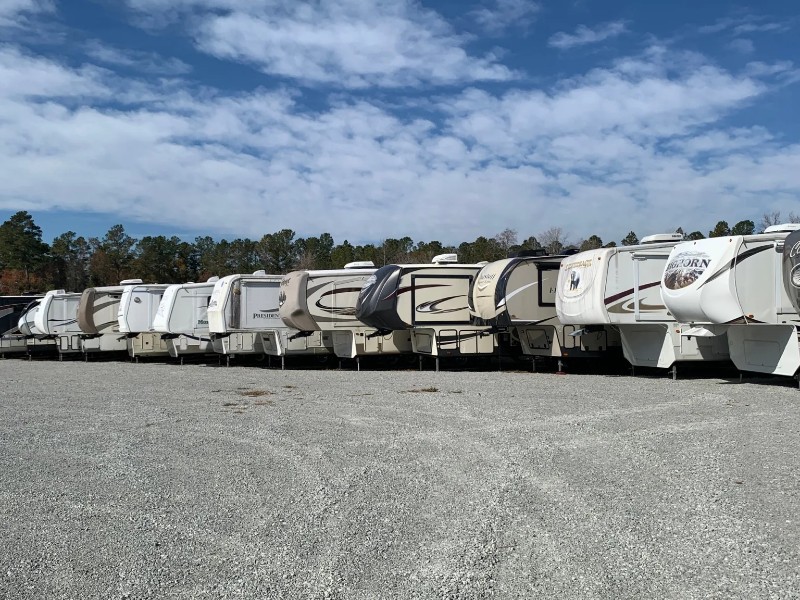
Social media makes it seem possible to park beside almost any beautiful beach, forest, or mountain. In reality, many places restrict overnight vehicle occupancy, and permission to park does not always mean permission to sleep inside your van.
You may spend considerable time checking campground availability, local parking rules, and public land restrictions. Arriving somewhere after dark only to discover that overnight camping is prohibited can quickly ruin an otherwise enjoyable travel day.
Choose your overnight location before leaving in the morning. Check official campground rules and keep a backup destination available. Knowing where you are legally allowed to sleep removes much of the uncertainty from camper van travel.
4. Missing Family Starts to Hurt During Important Moments
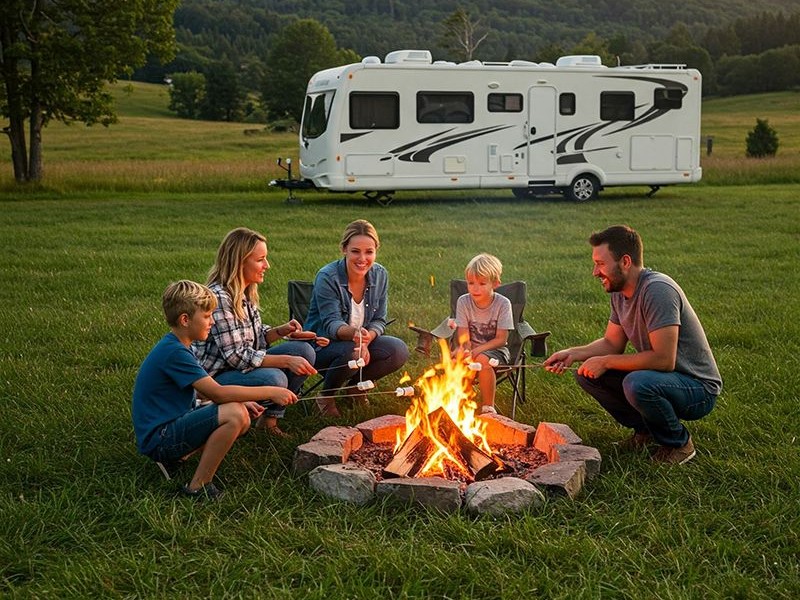
Retirement often brings dreams of exploring the country without a strict schedule. But after several months away, some travelers begin missing family dinners, birthdays, school events, and ordinary weekends with loved ones.
Grandchildren grow quickly, and older relatives may need more attention than expected. Video calls help maintain relationships, but they cannot replace every holiday gathering or afternoon spent together.
Plan your travel calendar around the people who matter most. Consider spending part of the year near family instead of traveling constantly. You can enjoy retirement adventures while still being present for important moments at home.
5. Mechanical Problems Can Leave You Without a Home

A camper van is both your transportation and your living space. When the engine fails or another serious mechanical problem appears, you may temporarily lose access to both.
Repairs can become complicated when you are far from familiar mechanics. Parts may need to be ordered, and some workshops cannot accommodate a fully equipped camper van. You might also need a hotel while the vehicle is being repaired.
Have a qualified mechanic inspect the van before taking extended trips. Keep a separate emergency fund and check what your roadside assistance plan actually covers. Planning for breakdowns is much easier than finding solutions when you are already stranded.
6. Small Bathrooms Make Everyday Life More Complicated
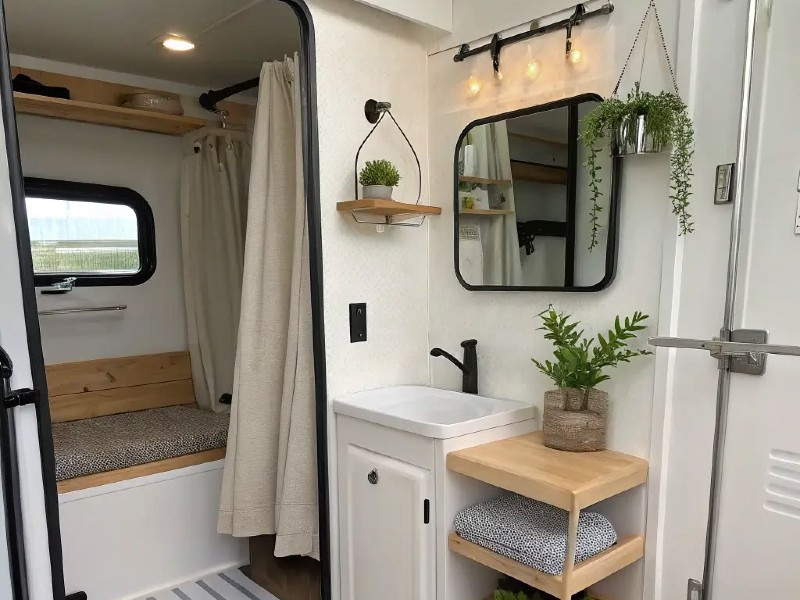
Camper van bathrooms can look practical in photographs, but using them every day may be another matter. Some vans have compact wet bathrooms, portable toilets, or no built in bathroom at all.
Limited water storage makes showering more difficult, while waste tanks need regular attention. Finding clean public bathrooms can also become frustrating when you are traveling through unfamiliar areas.
Choose a bathroom arrangement you can comfortably manage every day, not just during occasional vacations. Check toilet access, shower space, and waste disposal requirements before buying. These details can make a major difference in how enjoyable retirement travel feels.
7. Long Driving Days Stop Feeling Like a Vacation

Driving through beautiful countryside can be one of the best parts of retirement travel. But spending several hours behind the wheel while managing traffic, unfamiliar roads, and changing weather can become tiring.
Once you arrive, there may still be groceries to buy, equipment to organize, and a suitable place to park. Frequent moves can make it feel as though you spend more time preparing to travel than enjoying your destination.
Try limiting driving days and staying longer in each location. A slower schedule gives you time to explore without constantly watching the clock. Retirement travel should provide opportunities to rest, not create another demanding schedule.
8. Medicare Coverage Requires More Planning Than Expected

Medical care may not be the first thing you consider when buying a camper van. But regular doctor visits, prescriptions, and specialist appointments can become harder to arrange when you frequently travel between states.
Original Medicare generally allows you to use doctors and hospitals that accept Medicare across the United States. Medicare Advantage plans often have provider networks and service areas that affect access to routine care. Coverage rules depend on your particular plan.
Before leaving home, contact your insurer and confirm where you can receive medical services. Keep important records available and plan ahead for routine treatment. Reliable access to health care matters more than visiting one additional destination.
9. Constantly Being Together Can Create Relationship Tension
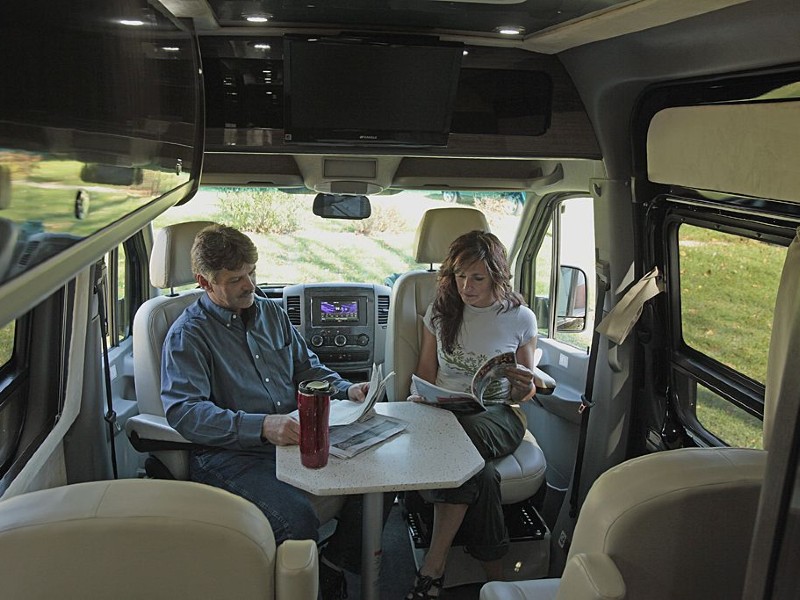
Retirement gives couples more time together, which can be wonderful. But sharing a small camper van every day leaves little room for different interests, private conversations, or quiet time alone.
One person may want to visit another national park while the other prefers staying somewhere peaceful. Small disagreements over spending, driving, cleaning, or meal planning can feel bigger when both people occupy the same limited space.
Discuss daily expectations before moving into a van together. Divide responsibilities fairly and make room for separate activities. A successful retirement lifestyle should provide comfort and independence for both people.
10. Bad Weather Can Keep You Trapped Inside for Days
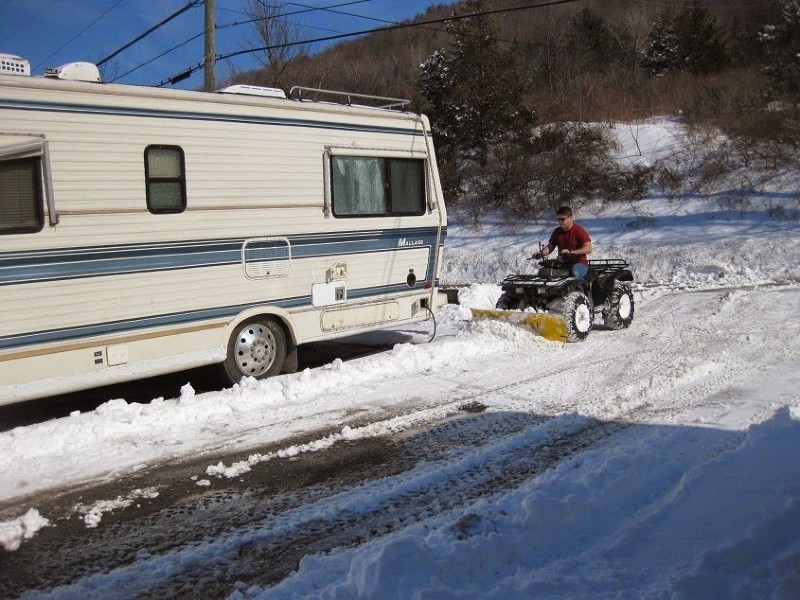
Travel videos often feature sunshine, mountain views, and comfortable outdoor seating areas. But heavy rain, freezing temperatures, strong winds, and extreme heat can quickly change what camper van living feels like.
During poor weather, you may spend much of the day inside a very small space. Wet clothing, moisture on windows, and limited room to move can make things uncomfortable. Severe storms may also require leaving the van for safer shelter.
Check seasonal weather patterns before choosing your route. Prepare suitable clothing and maintain your heating, cooling, and ventilation equipment. Traveling during milder seasons can make everyday life considerably easier.
11. Free Camping Is Not Always Comfortable or Convenient
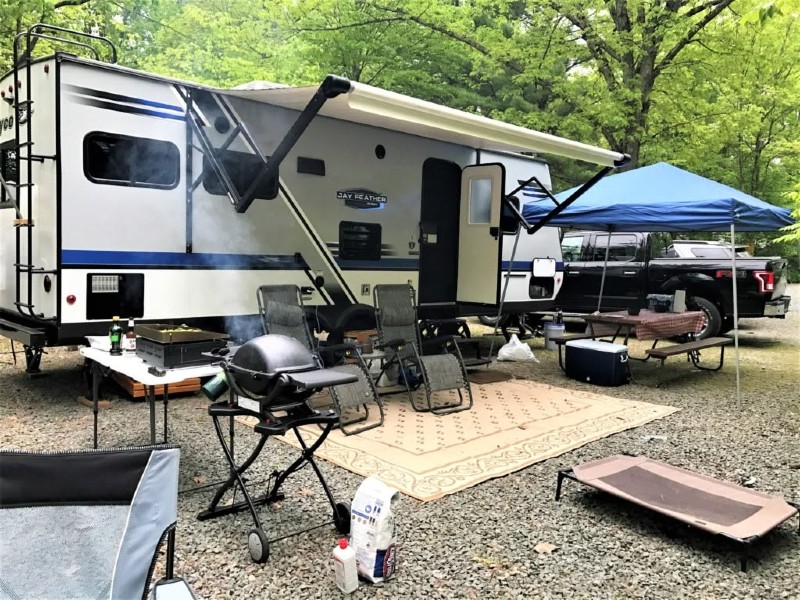
Free camping sounds like an excellent way to protect retirement savings. But locations without campground fees may also lack bathrooms, drinking water, electrical hookups, and safe waste disposal facilities.
Some public lands have limits on how long visitors may stay in one area. Access roads may be unsuitable for certain vehicles, and remote sites can have weak phone signals or limited emergency services.
Research public camping areas through the responsible land management agency. Make sure your van has enough water, power, and waste capacity for the planned stay. Free camping is useful when it meets your needs, but paying for a suitable campsite can sometimes be the better choice.
12. Cooking Every Meal in a Tiny Kitchen Gets Frustrating

Preparing meals inside a camper van can be enjoyable at first. But limited counter space, small refrigerators, and compact cooking equipment may make everyday food preparation more difficult.
You may have to wash dishes immediately because there is nowhere to leave them. Grocery shopping also takes more planning when storage is limited, particularly in remote areas with fewer affordable supermarkets.
Choose simple meals that use common ingredients and require little equipment. Keep essential cooking supplies organized and avoid carrying appliances you rarely use. A practical kitchen setup can save both money and frustration.
13. Loneliness Can Appear Even When You’re Traveling Together

Retirement travel provides opportunities to meet people at campgrounds, parks, and local attractions. But friendships made during short visits may fade when everyone leaves for another destination.
Some retirees miss familiar neighbors, regular community activities, and friends they could see every week. Even couples who enjoy traveling together may want social connections outside their relationship.
Consider staying in one area long enough to participate in local activities. Keep in touch with friends and schedule visits with family throughout the year. Building a sense of community can make life on the road more satisfying.
14. Daily Chores Take More Effort Than the Brochures Suggest
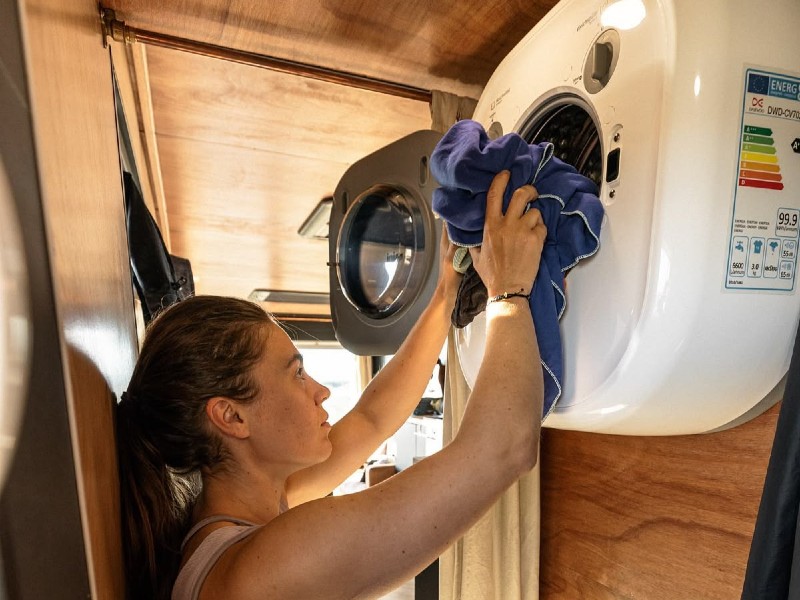
Living in a small van reduces the amount of space you need to clean. But everyday responsibilities do not disappear, and some become more complicated when you lack traditional household facilities.
Water tanks need refilling, wastewater requires proper disposal, and laundry often means visiting a public facility. Managing battery power and finding suitable parking can also become part of your daily routine.
Create a simple schedule for cleaning, laundry, water refills, and vehicle checks. Combining errands into one town visit can save time and fuel. Good habits reduce the pressure of these tasks without requiring expensive equipment.
15. Your Belongings May Not Fit Into the Life You Planned
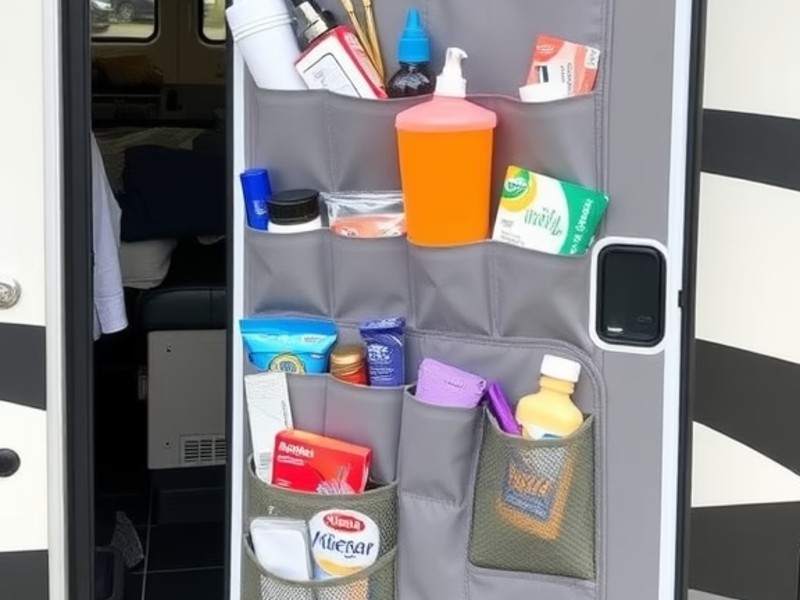
Moving from a house into a camper van requires difficult decisions about personal belongings. Decades of furniture, clothing, tools, photographs, and keepsakes cannot all fit inside a small vehicle.
Some retirees feel relieved after downsizing, while others miss belongings connected to family memories. Paying for a storage unit can also become another monthly expense that was not included in the original budget.
Start sorting your possessions months before making the move. Keep essential items and carefully consider what has lasting personal value. Avoid selling irreplaceable belongings until you are confident that camper van living suits you.
16. The First Big Repair Can Change How You Feel About Freedom

An unexpected repair bill can feel especially stressful when you are living on retirement savings. Vehicle problems may require spending money that was originally reserved for travel, entertainment, or other retirement plans.
Even a relatively small repair can affect your schedule when the nearest suitable workshop is far away. Larger mechanical failures can create serious financial pressure, particularly if the van was purchased with a loan.
Before buying, compare the costs of maintaining different vehicle models and ask about local service availability. Set aside money specifically for repairs rather than relying on your normal monthly budget. A lower purchase price is not always a bargain if the vehicle needs expensive work.
17. You May Miss Having a Permanent Address and Familiar Routine

One reason people choose camper van living is to escape the predictable routines of ordinary life. But after several months, some begin to miss familiar grocery stores, local doctors, regular neighbors, and having somewhere that always feels like home.
Mail, vehicle registration, insurance, voting, and legal residency can also require planning. Using a mail forwarding service does not automatically establish legal residency, and requirements differ between states.
Research residency rules before leaving your permanent home. Keep important documents organized and arrange reliable mail handling. If you discover that you miss having a home base, consider seasonal travel instead of giving up RV adventures completely.
18. Selling the Van After One Year May Be an Expensive Decision
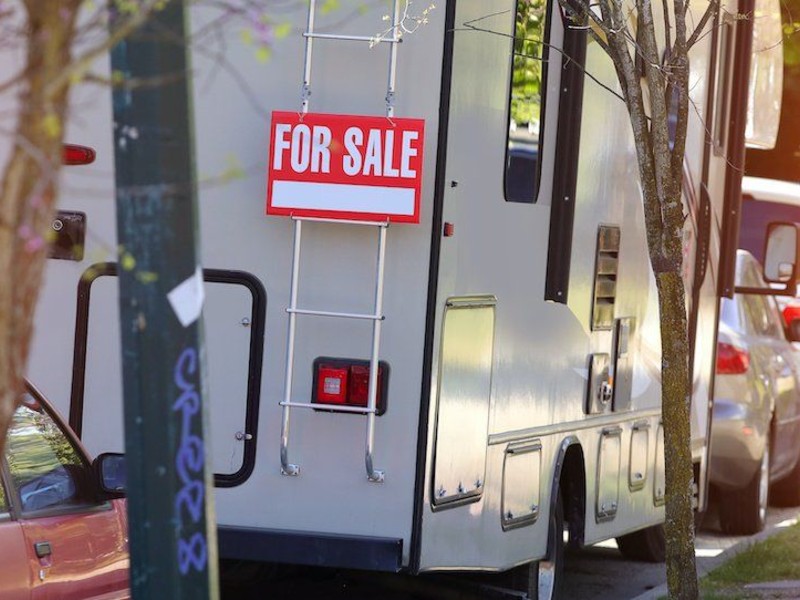
Some retirees purchase a camper van expecting to use it for many years. But if the lifestyle becomes uncomfortable, selling sooner than planned can create another financial problem.
A vehicle’s resale value depends on its age, mileage, condition, equipment, and current market demand. Buyers who financed their vans may discover that the remaining loan balance exceeds what someone is willing to pay.
Before purchasing, research used vehicle prices and understand the complete financing agreement. Check realistic resale values rather than assuming you can recover most of the purchase price. Renting first can reduce the risk of making an expensive commitment that does not fit your retirement plans.
19. The Freedom You Wanted May Require a Completely Different Lifestyle

Perhaps the biggest surprise during the first year is discovering that freedom does not always mean traveling constantly. Some retirees realize they prefer having a comfortable home and taking occasional trips rather than living in a vehicle every day.
They may miss gardening, having guests visit, keeping hobbies in a dedicated room, or simply knowing where they will sleep each night. These preferences do not make their original dream foolish. They show that personal needs can change after experiencing a different lifestyle.
Give yourself permission to adjust your plans. You might travel only during certain seasons, stay longer in favorite locations, or return to a permanent house. Retirement should support the life you enjoy, even when that life looks different from what you originally expected.