

Florida has been one of the biggest retirement destinations in the United States for decades. Warm weather, beaches, and no individual state income tax make it easy to see why. But retirement costs have changed. Insurance, property taxes, condo fees, healthcare, utilities, transportation, and storm-related costs can all affect your monthly budget.
The U.S. Census Bureau estimates that the state had 23.46 million residents in July 2025, and that 22.8 percent were age 65 or older. The state gained 310,892 people through domestic migration in 2022. In fact, Florida still attracts a large number of older Americans. AARP reported in August 2026 that Florida remained the state attracting the most older movers.
1. How Much Is Your Florida Home Insurance Really Costing You?

Home insurance can change the retirement budget faster than many people expect. Two homes with similar prices can have very different insurance costs. The difference can come from the county, location, age of the home, construction, coverage, and wind risk.
Florida Office of Insurance Regulation data shows just how wide the gap can be. In data reported for March 31, 2025, the average homeowners premium including wind coverage was $6,165 in Broward County and $5,524 in Collier County. Other counties had much lower averages.

That is a major expense for someone living on Social Security, pension income, withdrawals from investments, or a mix of retirement income. A home that looks affordable at $350,000 may feel very different after you add insurance and other housing costs.
Get an actual insurance quote before you buy. Do not rely on an online estimate. Ask what the policy covers. Ask about wind coverage, deductibles, exclusions, and possible changes at renewal. Florida’s Office of Insurance Regulation also provides consumer resources for comparing insurance information.
2. Why Can Flood Insurance Add Another Bill?
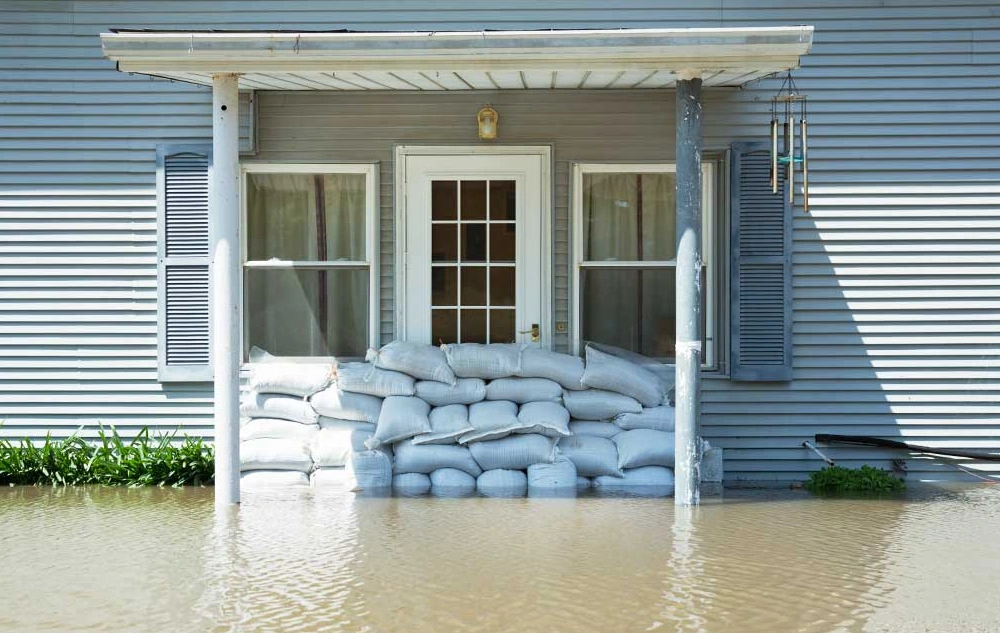
Homeowners insurance and flood insurance are different things. Florida’s Office of Insurance Regulation says most homeowners insurance policies do not cover flooding. Flood coverage usually has to be purchased separately.
In some cases, a lender can require flood insurance as a condition of the mortgage. This matters because flood risk is not limited to homes directly beside the ocean. Heavy rain, rising water, storm surge, and drainage problems can create flood risk in many locations.
Florida also requires a flood disclosure for residential property sales. The disclosure includes information about previous flood claims and federal flood assistance connected to the property.
Before buying a home, check its flood risk. Use the FEMA Flood Map Service Center. Ask the seller about past flood damage. Ask your insurance agent for the cost of flood coverage. A low-priced home can become much less affordable when you add homeowners insurance and flood coverage.
3. Are Florida Home Prices Still Affordable For You?

Florida does not have one housing market. Prices can be very different from one city to another. Still, statewide prices remain high compared with what many retirees may expect. Florida Realtors reported a statewide median sale price of $425,000 for existing single-family homes in the second quarter of 2026.
The median price for existing condos and townhouses was $310,000. The median is the middle price. Half of the homes sold for more and half sold for less. That number does not mean every Florida home costs $425,000. You can find less expensive properties.
The bigger issue is what you get for your money. Suppose you have a $350,000 retirement housing budget. You should compare a $350,000 Florida home with a $350,000 home somewhere else. But do not stop there. Compare the insurance bill.
Compare property taxes. Compare maintenance. Compare utilities. Compare healthcare travel. Compare HOA fees. The lower purchase price is not always the lower retirement cost. Before moving, make a complete monthly housing estimate.
Home payment + property tax + insurance + HOA + maintenance = real housing cost
4. Could Florida Condo Fees and Special Assessments Hurt Your Budget?

Condos can look attractive to retirees. You may get less yard work, shared amenities, and a location close to shops or the beach. But condo ownership comes with another cost. You are also paying for the building. That means you need to know how much the association charges and whether the building has enough money set aside for future repairs.
Florida law includes structural reserve study requirements for certain condominium buildings that are three habitable stories or higher. Reserve planning can affect what owners pay now and what they may have to pay later.
This matters because a large repair bill can arrive at a bad time. You may have planned your retirement income years in advance. A sudden assessment can force you to use savings that were meant for something else.
Before buying a Florida condo, ask for:
- The current HOA budget
- The reserve study
- Structural inspection information
- Recent meeting minutes
- Details about pending assessments
- Building insurance information
- A record of recent fee increases
Do not look only at the monthly condo fee. Ask what that fee is expected to become over the next several years. A condo with a lower monthly fee is not automatically cheaper if the building has large repair needs.
5. Does No State Income Tax Really Make Florida Cheap?
This is one of the biggest reasons people choose Florida. Florida does not have an individual state income tax. That can be helpful for retirees. But no state individual income tax does not mean you have no taxes. You may still pay property taxes, sales taxes, insurance costs, and other expenses.
Florida does provide property tax benefits to eligible homeowners. The Florida Department of Revenue says the homestead exemption can reduce the taxable value of a qualifying home by as much as $50,000.
Property tax + insurance + HOA + maintenance = your actual housing cost
These benefits can make a meaningful difference. But you still need to look at your complete tax bill. Then add utilities and other regular expenses. The goal is not to decide that Florida taxes are good or bad. The goal is to find out what you will actually pay.
6. Are Everyday Florida Costs Eating Into Your Retirement Income?

Housing is only one part of retirement spending. You also need money for everyday life. Groceries, utilities, car costs, home repairs, personal services, restaurants, entertainment, household items. These expenses can add up over a year.
The Bureau of Economic Analysis provides Regional Price Parity data that can help compare price levels between states and metropolitan areas. This is more useful than relying on a random cost of living article that may use old data.
Florida is not equally expensive everywhere. Your spending habits matter too. A retiree who rarely eats out and owns a paid-off home may have a very different budget from someone who rents, drives often, travels, and lives in a high-cost coastal area.
Look at your last 12 months of spending. Then build a Florida budget using your real numbers. Do not build your retirement plan around an average retiree. Build it around your life.
7. Can You Handle Florida Heat As You Get Older?

Florida winters attract millions of people. Summer is a different story. Heat can change how you use your home and your community. You may spend more time indoors. Your air conditioner may run for long periods. Outdoor exercise can become harder.
Simple activities such as walking, gardening, or playing golf may need to happen early in the morning or later in the evening. The CDC identifies adults aged 65 and older as a group at greater risk from extreme heat. That does not mean Florida’s climate is wrong for every older adult.
It means you should test the climate before making a permanent move. Visit the area during the hottest part of the year. Stay for several weeks if possible. See how you feel. Check your electric bill. Try your normal outdoor activities. A place that feels perfect during a winter vacation may feel very different in July.
8. Are Hurricanes Becoming Too Much Work for You?
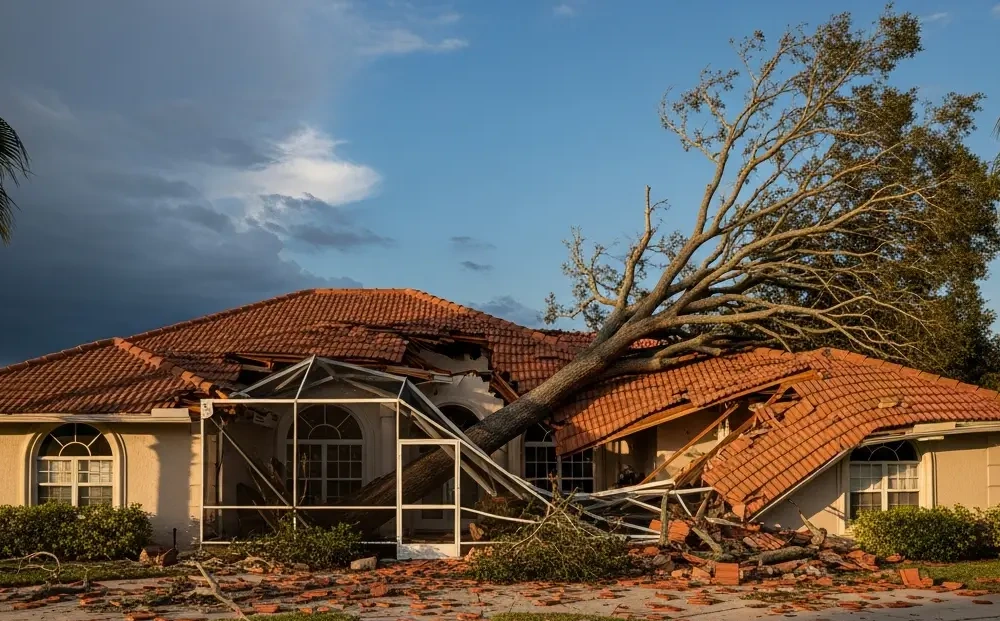
Storm preparation is part of life in Florida. You may need to secure outdoor items. You may need shutters or other protection. You may need to keep supplies ready. You may need an evacuation plan. You also need to know what your insurance covers.
Florida’s Office of Insurance Regulation provides hurricane and flood resources and tells consumers to review their insurance coverage and prepare their homes before storms. This is not just about the cost of a storm. It is also about the work. Could I handle storm preparation if I were 75 or 80? Could you move outdoor furniture? Could you install protection?
Could you manage repairs after a storm? Would you have family or neighbors nearby to help? These questions may seem small today. They can become much more important later.
9. Can You Get The Healthcare You Need Close To Home?

Healthcare can become more important as you age. A doctor who is 45 minutes away may be manageable at 60. It may be less convenient when you are 80 and need regular appointments. Florida has major hospitals and medical centers. But healthcare access can vary by location.
Florida’s 2024 Physician Workforce Annual Report found that 66 of the state’s 67 counties had primary care shortages in all or part of the county as of 2024. That does not mean every Florida retiree struggles to find a doctor. It means you should check your specific area.
Primary care doctors accepting new patients; specialists you may need; hospitals; urgent care centers; pharmacies; home health providers; assisted living options. Do this before buying the house. A beautiful home does not help much if your regular doctor is an hour away.
10. Could Traffic Make Retirement Less Convenient?

Retirement gives you more free time. You do not want to spend too much of it sitting in traffic. Traffic can affect your daily routine. A doctor’s appointment can take longer. A grocery trip can take longer. Getting to an airport can take longer. Visiting family can take longer.
Florida has many different communities, so it would be wrong to say the whole state has the same traffic problem. Your location matters. Your doctor, the nearest hospital, grocery stores, the airport, family members, recreation areas
Do the test during the times you would actually travel. A 15-minute drive at 10 a.m. may be very different from the same drive at 5 p.m. This is one reason you should spend time in a neighborhood before buying there.
11. Is Your Family Far Away?

Money is not the only reason people move. Family matters too. United Van Lines’ 2025 National Movers Study found that being closer to family was the leading reason people gave for interstate moves, at 29 percent. Retirement accounted for 14 percent.
AARP recently reported on a Florida retiree who eventually moved to North Carolina to be closer to children and grandchildren. That is an important reminder. A retirement home can look perfect on paper and still feel too far away from the people you care about.
Your needs may also change. You may want to help your children. Your children may want to help you. Grandchildren may become a bigger part of your life. If my health changes, who will be close enough to help?
If my spouse needs support, who can visit regularly? If I need help with transportation, who can I call? These questions can change the value of a location.
12. Why Are More Retirees Looking Beyond Florida?

Florida is no longer the only place people consider for retirement. Retirees have many choices. Some want lower housing costs. Some want to live closer to family. Some want four seasons. Some want smaller communities. Some want better access to doctors. Others simply want a different pace of life.
United Van Lines reported in its 2025 study that interstate moves are increasingly shifting toward smaller cities and towns. The study also found that affordability and family needs are important factors in relocation decisions.
This does not mean another state is automatically better than Florida. It means your retirement priorities may have changed. Write down your five most important retirement needs.
For example:
- Affordable housing
- Good healthcare
- Family nearby
- Low insurance costs
- Mild weather
Then compare Florida with two or three other locations. Do not compare states based on one tax rule. Compare the life you actually want.
13. What Does Florida’s Slower Migration Tell Us?

The numbers are worth watching. Florida’s net domestic migration was 310,892 in 2022. It fell to 183,646 in 2023. In 2025, it was just 22,517. That is a major change. But be careful with what the numbers prove.
They do not show that 288,000 retirees left Florida. They do not prove that retirees are moving out faster than they are moving in. They show that Florida’s overall advantage in domestic migration became much smaller. That distinction matters.
Florida still attracts older Americans. AARP’s August 2026 reporting says Florida remained the top state for the number of older people moving in, even as it also saw a large number of older residents leave.
14. Can Your Retirement Income Keep Up With Your Costs?

Retirement income has to cover your life for many years. That makes recurring costs especially important. A $300 increase in monthly expenses may not sound huge. But that is $3,600 every year.
Over several years, the difference becomes much larger. Housing, insurance, healthcare, transportation, utilities, and maintenance can all affect your budget. This is why looking only at state income tax can give you an incomplete picture.
Use This retirement Cost formula
Housing + insurance + taxes + healthcare + transportation + utilities + maintenance + lifestyle = true retirement cost
Now estimate each number. Use your actual bills whenever possible. Then add a cushion for unexpected costs. Your goal is not to create a perfect forecast. Your goal is to see whether your income has enough room.
15. Do You Still Want The Same Lifestyle You Wanted at 60?

Your idea of a good retirement can change. At 60, you may want a large home near the beach. At 75, you may prefer a smaller home near your doctor and family. You may want less yard work. You may want a walkable neighborhood.
You may want a smaller town. You may want cooler summers. You may want to live near your children. These are normal changes. United Van Lines’ 2025 study found that older movers often focus on affordability, access to care, and a sustainable pace of life.
That is why your retirement location should be reviewed from time to time. The place that worked for you five years ago may not be the place you want for the next ten years. Would I still want to live here at 75 or 80?
Think about:
- Driving
- Home maintenance
- Healthcare
- Heat
- Stairs
- Emergency help
- Family support
- Daily errands
This simple test can reveal problems before they become expensive.
16. Could Your Retirement Money Go Further Somewhere Else?

This is where all the other reasons come together. You may find that another location gives you a better fit. That does not mean Florida is a bad retirement state. It means your personal numbers may work better somewhere else. Maybe your insurance would be lower.
Maybe housing would cost less. Maybe your children would live nearby. Maybe you would spend less on transportation. Maybe healthcare would be easier to reach. Maybe you simply prefer the climate.
Make Your Own Comparison
Use a simple table like this:
| Cost | Florida | Another location |
|---|---|---|
| Home price | $ | $ |
| Property tax | $ | $ |
| Home insurance | $ | $ |
| Flood insurance | $ | $ |
| HOA or condo fees | $ | $ |
| Healthcare travel | $ | $ |
| Utilities | $ | $ |
| Transportation | $ | $ |
| Annual total | $ | $ |
Fill in your own numbers. Do not use a generic estimate if you can get an actual quote. Get an insurance quote. Check the property tax record. Ask about HOA fees. Check local healthcare options. Price your regular transportation. Then compare the total. That number can tell you much more than a list of states with low taxes.
Then compare the results with your current Florida costs. This can help you avoid making a very expensive decision based on one attractive number.