
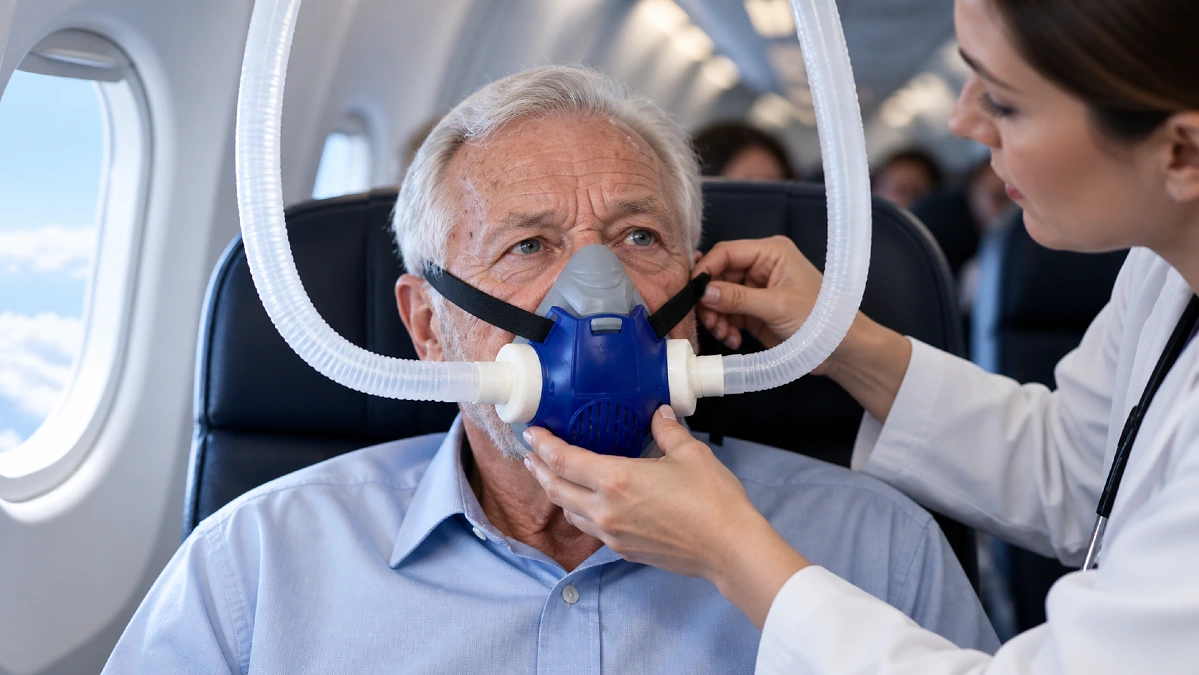
Your flights are booked. Your hotel looks comfortable. You have checked the weather and started packing.
But a few questions may still be bothering you. Will your medicine get through customs? Will Medicare pay if you need a hospital abroad? Can you manage a long airport connection without becoming exhausted?
These are some of the hidden dangers of traveling after 60. They do not mean you should stay home. Age 60 is not a line between safe and unsafe travel.
It does mean that a small problem can carry a greater cost. A missed dose, dark hotel bathroom, or six hours in a tight seat may affect you more than it did years ago.
Your Quick Senior Travel Safety Checklist
| What to check | Why it matters | Who to contact |
|---|---|---|
| Medical coverage abroad | Your regular insurance may provide little or no coverage | Health insurer |
| Prescription rules | A legal medicine at home may be restricted abroad | Embassy, doctor, or pharmacist |
| Fitness to fly | Cabin conditions may affect some health problems | Doctor or specialist |
| Airport assistance | Long terminals can drain your energy before the flight | Airline and TSA Cares |
| Vaccine needs | Some vaccines require time or added review after 60 | Travel health clinic |
| Hotel access | Stairs, tubs, and poor lighting can raise fall risk | Hotel directly |
| Emergency plan | Your phone may be lost, damaged, or out of power | Insurer and travel companion |
1. The Biggest Hidden Danger of Traveling After 60 Is No Medical Coverage Abroad
Your health insurance card may give you a false sense of safety.
Medicare says it usually does not cover health care outside the United States. There are a few narrow exceptions. For example, Part B may cover certain care on a cruise ship when the ship is in a United States port or no more than six hours from one.
Medicare drug plans also do not cover prescriptions bought outside the country. Some Medigap plans provide limited foreign emergency coverage, but the rules and limits vary.
The United States Department of State also warns that the government does not pay the overseas medical bills of American travelers. Some hospitals may request payment before treatment. Others may expect you to pay the full bill and ask your insurer for repayment later.
Know What Each Type of Travel Insurance Covers
| Coverage type | What it may cover | What to check |
|---|---|---|
| Trip cancellation | Certain prepaid costs when a covered event stops your trip | Covered reasons and claim documents |
| Travel health insurance | Eligible medical treatment during the trip | Existing condition rules and deductibles |
| Medical evacuation | Transport to a suitable hospital or approved location | Destination limits and total benefit |
| Baggage insurance | Lost, stolen, or delayed belongings | Per item limits and exclusions |
| Travel delay coverage | Some meals, rooms, and transport during a covered delay | Required delay length and daily limit |
Before buying a policy, ask:
- Does it cover your existing medical conditions?
- Does it pay the hospital directly?
- Must you pay first and request repayment?
- Is medical evacuation included?
- Can a companion travel with you during an evacuation?
- What deductible applies?
- What is the total coverage limit?
Trip cancellation insurance is different from travel health insurance. Medical evacuation may be a separate benefit.
Call your insurer and ask about your exact destination. Request the answer in writing. Keep the policy number and emergency phone line in your phone and on paper.
2. Your Prescription Medicine Could Be Delayed or Confiscated

A prescription that is legal at home may be restricted in another country.
The CDC Yellow Book 2026 names narcotic pain medicines and sedatives as common concerns. Even zolpidem, which is used for sleep, requires permission in some countries and is prohibited in others.
Possible results include confiscation, delayed entry, or arrest. A pharmacy label from home does not cancel another country’s law.
Check the embassy or health ministry rules for every country on your route. This includes countries where you change planes.
Prepare your medicine before leaving:
- Keep it in your carry on bag.
- Use the original labeled containers.
- Pack enough for the trip plus several extra days.
- Carry a doctor’s letter with each medicine’s generic name, dose, and medical purpose.
- Bring a copy of each prescription.
- Keep medicine that needs cooling in a proper travel container.
- Divide critical supplies between you and a companion when the rules allow it.
The CDC advises travelers to carry medicine rather than place it in checked luggage. Checked bags can be delayed, lost, or exposed to extreme temperatures.
Crossing time zones creates another danger. Ask your pharmacist when to take insulin, blood thinners, seizure medicine, or any drug that requires strict timing.
Do not guess. Do not double a dose unless a medical professional has told you to do so.
3. A Long Flight Can Raise Your Blood Clot Risk
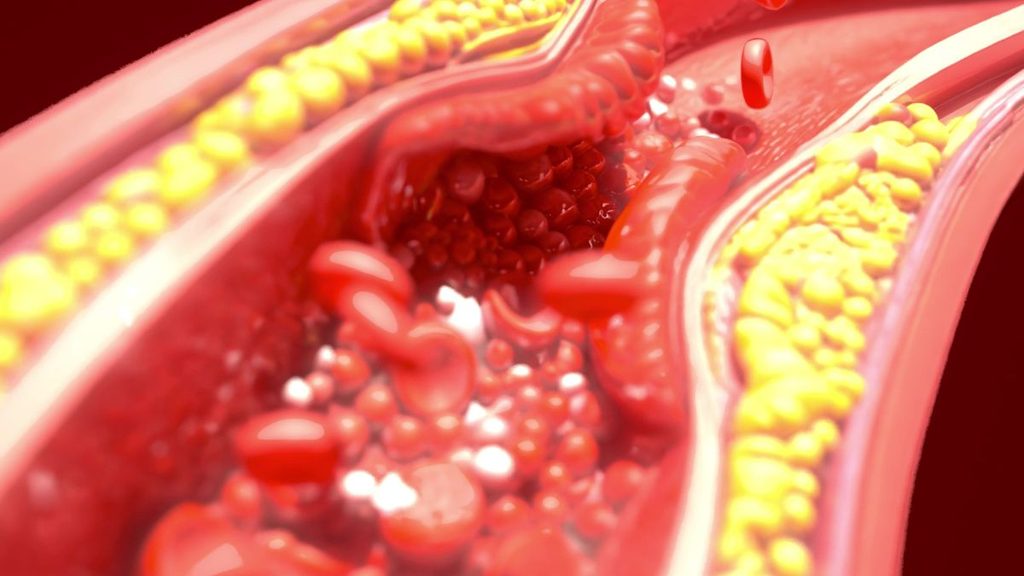
A blood clot can form when blood moves too slowly through a deep vein in the leg. Part of the clot can then move to the lungs.
The total chance of this happening during travel is low. Still, long periods of sitting matter.
The CDC Yellow Book 2026 reports that one study found about one blood clot for every 4,656 flights lasting more than four hours. Another study found about one for every 6,000 such flights.
Risk rises when long travel is combined with other factors. These include:
- A previous blood clot
- Recent surgery or a serious injury
- Active cancer
- Limited movement
- Obesity
- Hormone treatment
- A family history of blood clots
- Certain blood conditions
- Older age
For a long flight, train ride, or car trip, move your feet and ankles while seated. Stand or walk at regular times when it is safe.
Keep bags out of your leg space. An aisle seat may make movement easier.
Properly fitted compression stockings may help some travelers. Ask your doctor if they are right for you. The correct size and pressure matter.
Do not take aspirin for flight clot prevention unless your doctor tells you to. It is not a general replacement for medical advice.
Pain, warmth, or swelling in one leg needs prompt attention. Sudden chest pain, fainting, or shortness of breath is an emergency.
4. Cabin Air Can Stress a Stable Health Condition
A health condition can feel controlled at home but act differently in the air.
Commercial aircraft cabins are usually pressurized to conditions similar to those found about 6,000 to 8,000 feet above sea level. Most healthy travelers do well in this setting.
The CDC Yellow Book says lower cabin oxygen can worsen some cases of anemia, heart disease, lung disease, or blood vessel disease in the brain.
Speak with your doctor before flying if you have:
- Chronic obstructive pulmonary disease
- A regular need for oxygen
- Serious anemia
- Recent heart or lung problems
- A recent stroke
- A recent blood clot
- A recent major operation
- New chest pain or breathlessness
Try to have this talk before buying a nonrefundable ticket. A normal reading on a home pulse meter does not prove that you will be safe at cabin pressure.
Airlines have their own rules for portable oxygen concentrators and batteries. Contact the airline well before departure. Ask which devices it accepts and what documents it needs.
If you need airport oxygen or mobility help, confirm the request again a few days before leaving.
5. A Sleep Aid Can Make Jet Lag More Dangerous
You may want to sleep through the flight. The wrong medicine can leave you groggy when you need to walk through an airport, use stairs, collect luggage, or speak with an officer.
The CDC Yellow Book chapter on jet lag says long acting sedatives and certain antihistamines can worsen thinking, balance, and physical performance. They may also increase fall risk.
Some drugs sold without a prescription as sleep or allergy aids can cause these effects.
A safer plan begins before departure:
- Ask a doctor or pharmacist to review your sleep products.
- Do not try a new sedating medicine for the first time on a plane.
- Avoid mixing sleep medicine with alcohol.
- Give yourself time to become fully alert before using stairs.
- Do not drive while tired or groggy.
- Use daylight, meal timing, and a steady local bedtime to reset your schedule.
Melatonin can help some people, but timing matters. Taking it at the wrong time may shift your body clock in the wrong direction.
The amount inside a supplement may also differ from the amount printed on its label. Ask your doctor or pharmacist when and how much to take.
6. An Unfamiliar Hotel Room Can Become a Fall Hazard

Your home has familiar switches, steps, rugs, and furniture. A hotel room does not.
CDC data show that more than one in four older adults falls each year. That figure includes many settings. It does not prove that hotels cause falls.
Still, an unfamiliar room may contain easy to miss hazards. These can include a high tub edge, low toilet, loose mat, dark hallway, poorly placed furniture, or raised balcony track.
Use This Two Minute Hotel Room Check
| Area | Hidden problem | Quick fix |
|---|---|---|
| Bedside | Phone, glasses, or cane is out of reach | Place needed items on the nightstand |
| Walking path | Shoes, bags, and cords block the floor | Move everything against a wall |
| Bathroom | Floor becomes slippery when wet | Request a bath mat or extra towel |
| Shower or tub | No secure place to hold | Ask for a room with fixed grab bars |
| Lighting | Bathroom route is dark | Leave a light on or use a small night light |
| Balcony | Door track creates a raised step | Mark the area with a visible item |
| Closet | Safe or shelf requires reaching | Keep daily items at waist height |
Sit down when putting on socks, shoes, or trousers. Wear shoes or slippers with a firm grip.
Requesting an accessible room can help, but ask what that term means at the property. Confirm the shower type, grab bars, toilet height, elevator access, and distance from reception.
Call the hotel directly. A booking site may use broad room labels that do not describe the exact features.
7. Heat Can Affect You Before You Feel Very Thirsty

A full day of sightseeing can hide early heat illness. You may blame weakness, nausea, or a headache on jet lag.
The CDC says adults 65 and older do not adjust as well as younger people to sudden temperature changes. Chronic health conditions and certain medicines can also affect sweating or temperature control.
Plan around the heat:
- Schedule outdoor activities early in the day.
- Take breaks in cooled indoor spaces.
- Wear light clothing and sun protection.
- Carry water unless you have been told to limit fluids.
- Check the heat forecast before leaving your hotel.
- Avoid long lines in direct sun.
- Tell your companion if you feel weak, dizzy, sick, or confused.
If you have heart failure or kidney disease, general advice to drink more water may be wrong for you. Ask your doctor how to manage fluids during hot weather.
Some heart medicines, water pills, antihistamines, and other drugs may change how your body responds to heat. Do not stop taking them on your own. Ask your pharmacist about heat precautions.
Confusion, fainting, or a very high body temperature can signal heat stroke. Call the local emergency number at once.
8. A Minor Stomach Bug Can Cause Major Fluid Loss
Travelers’ diarrhea is often treated as an unpleasant delay. For an older adult, lost fluid and salts may become a larger health problem.
The CDC Yellow Book 2026 says fluid and electrolyte replacement is especially important for older adults and people with chronic illness.
Use water that is sealed, boiled, or properly treated. Choose food that is fully cooked and served hot.
Be careful with:
- Raw seafood
- Unpeeled produce
- Ice made from an unknown water source
- Food that has been sitting at room temperature
- Unpasteurized milk
- Undercooked meat or eggs
Pack oral rehydration salt packets if you will be far from reliable medical care. Mix them with the exact amount of safe water printed on the packet. Plain water does not replace lost salts in the same way.
Do not take leftover antibiotics to prevent illness. The CDC says preventive antibiotics are not advised for most travelers because side effects and drug resistance may outweigh the benefit.
Know When a Travel Symptom Needs Help
| Symptom | What it may mean | What to do |
|---|---|---|
| Mild loose stool without fever | A short stomach illness | Rest, replace fluids, and watch symptoms |
| Very little urine or severe weakness | Significant fluid loss | Seek medical advice promptly |
| Bloody stool or high fever | A more serious infection | Get medical care |
| Repeated vomiting | You may be unable to replace fluids | Get medical care |
| One swollen or painful leg | Possible blood clot | Seek urgent medical care |
| Chest pain or sudden breathlessness | Possible lung or heart emergency | Call emergency services |
| Confusion during hot weather | Possible heat stroke | Call emergency services |
| Trouble walking straight at altitude | Possible severe altitude illness | Descend and get emergency help |
Your doctor may give different instructions if you have kidney disease, heart disease, diabetes, or a weak immune system.
9. Fitness Does Not Protect You From Altitude Illness
Being able to walk several miles at home does not show how your body will react at high elevation.
The CDC Yellow Book 2026 says physical fitness does not lower the chance of altitude illness. Adults over 50 may have a slightly lower risk than younger travelers, but they can still become sick.
Any traveler who sleeps around 8,000 feet or higher without time to adjust may develop symptoms. These often include:
- Headache
- Unusual tiredness
- Nausea
- Dizziness
- Poor sleep
- Loss of appetite
The speed of ascent matters. The CDC advises travelers to avoid going straight from low elevation to a sleeping height above 9,000 feet in one day when possible.
Once above about 9,800 feet, sleeping elevation should rise slowly. Rest days give the body more time to adjust.
Do not move to a higher sleeping level while symptoms are present. Descend if they become worse.
Breathlessness while resting, trouble walking straight, or changes in thinking can signal severe illness. Get help and descend as soon as it is safe.
People with heart disease, lung disease, low blood oxygen, or sleep apnea should speak with a doctor familiar with high elevation medicine.
10. Last Minute Vaccination Can Leave You With Bad Choices

Some travel vaccines need time to work. Others require more than one dose.
Waiting until the final week may leave you choosing between delaying the trip, traveling without useful protection, or receiving a vaccine without enough time for a full health review.
Yellow fever needs special care after 60. Age 60 and older is listed as a vaccination precaution. It is not a total ban.
The CDC Yellow Book 2026 reports 7.7 serious events per 100,000 distributed doses among people 60 and older. The reported rate for all vaccine recipients is 3.8 per 100,000 doses.
These events are rare. Yellow fever itself can be deadly. The right choice depends on your destination, health, planned activities, and whether proof of vaccination is required for entry.
A travel health doctor may recommend:
- Receiving the vaccine
- Changing the route
- Using strict insect protection
- Avoiding a higher risk area
- Requesting a medical waiver
A waiver may not be accepted in every situation.
The State Department advises older travelers to consult a doctor six to eight weeks before travel. Bring your vaccine records and full schedule to that visit.
11. Driving After an Overnight Flight Can Be Unsafe
A rental car may look like the easiest way to leave the airport. It may be the wrong choice after a sleepless night.
Jet lag, dehydration, stress, and sedating medicine can slow your reactions. Unfamiliar road signs and driving rules add more work for your brain.
The National Institute on Aging notes that changes in vision, hearing, joints, and muscles can affect driving. Night glare may make people and road signs harder to see. Stiffness may make it harder to turn your head or brake quickly.
Make the first drive easier:
- Pick up the car during daylight.
- Avoid driving right after an overnight flight.
- Choose a car with simple controls and large mirrors.
- Set your route before moving.
- Avoid a manual transmission if you do not use one at home.
- Use a taxi or hotel transfer when you feel tired.
- Keep your phone in a holder if it provides directions.
- Stop if weather or glare makes the road hard to see.
Check local traffic rules before arrival. Learn which side of the road is used and whether your license is valid there.
If you avoid driving at night or in heavy rain at home, keep the same limit on vacation.
12. Airport Assistance Can Fail If You Do Not Arrange It
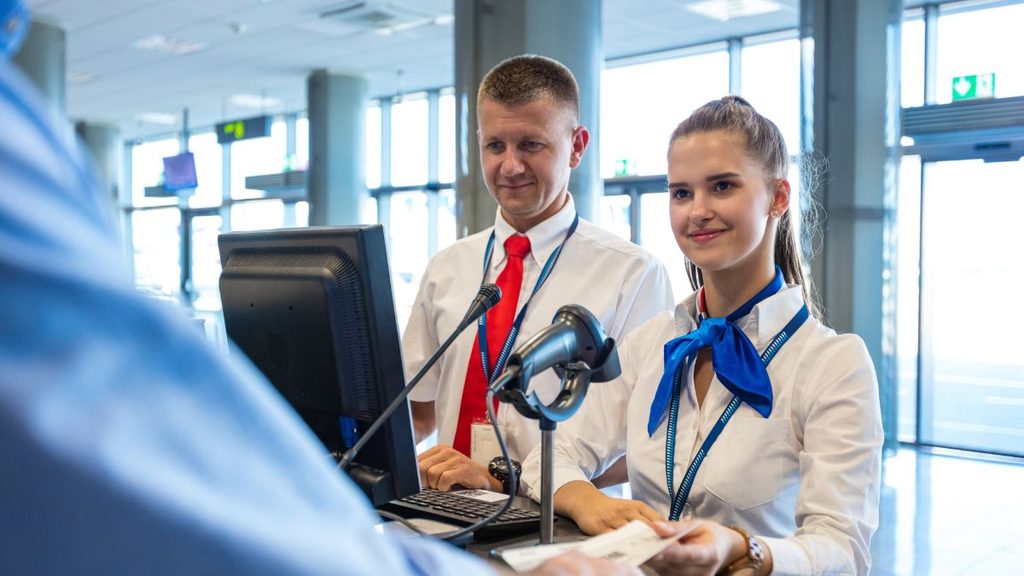
A person who walks well around the house may struggle with a large terminal, a gate change, and a short connection.
Do not wait until you are exhausted to request help.
The United States Department of Transportation says travelers with disabilities can request airport assistance. This may include a wheelchair, cart, help between gates, boarding support, or early boarding when extra time is needed.
Airlines must provide information about accessible facilities when asked. This matters because smaller aircraft may use stairs. Many single aisle aircraft also lack a fully accessible bathroom.
When booking:
- Request the exact kind of help you need.
- Allow extra time for connections.
- Ask whether stairs are used for boarding.
- Check the aircraft’s bathroom access.
- Explain how your wheelchair or scooter should be handled.
- Ask whether a mobility device will fit on the aircraft.
- Confirm the request at check in and at the gate.
Travelers with medical conditions may contact TSA Cares before a United States flight. TSA recommends calling at least 72 hours before departure when assistance is needed.
For an international trip, consider enrolling in the State Department’s Smart Traveler Enrollment Program. Keep your hotel address, insurer number, medicine list, and emergency contacts on paper in case your phone is lost or damaged.
When to Complete Each Safety Check
| Time before departure | What to do |
|---|---|
| Six to eight weeks | See your doctor or a travel health clinician |
| Four to six weeks | Check vaccines, destination health risks, and medicine laws |
| Three to four weeks | Buy suitable health and evacuation coverage |
| Two weeks | Confirm hotel access and airline mobility requests |
| Three days | Contact TSA Cares if you need screening help |
| One day | Pack medicine, records, insurance details, and emergency contacts in your carry on |
| After arrival | Check the hotel room, rest, and avoid a demanding first day |