
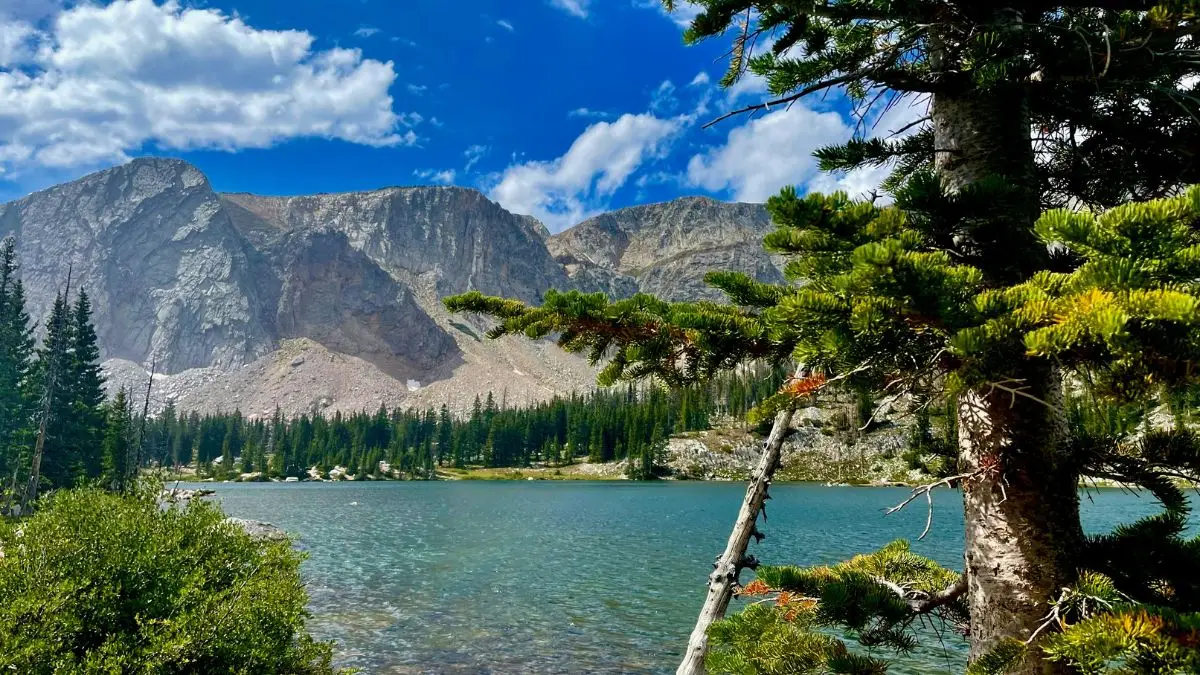
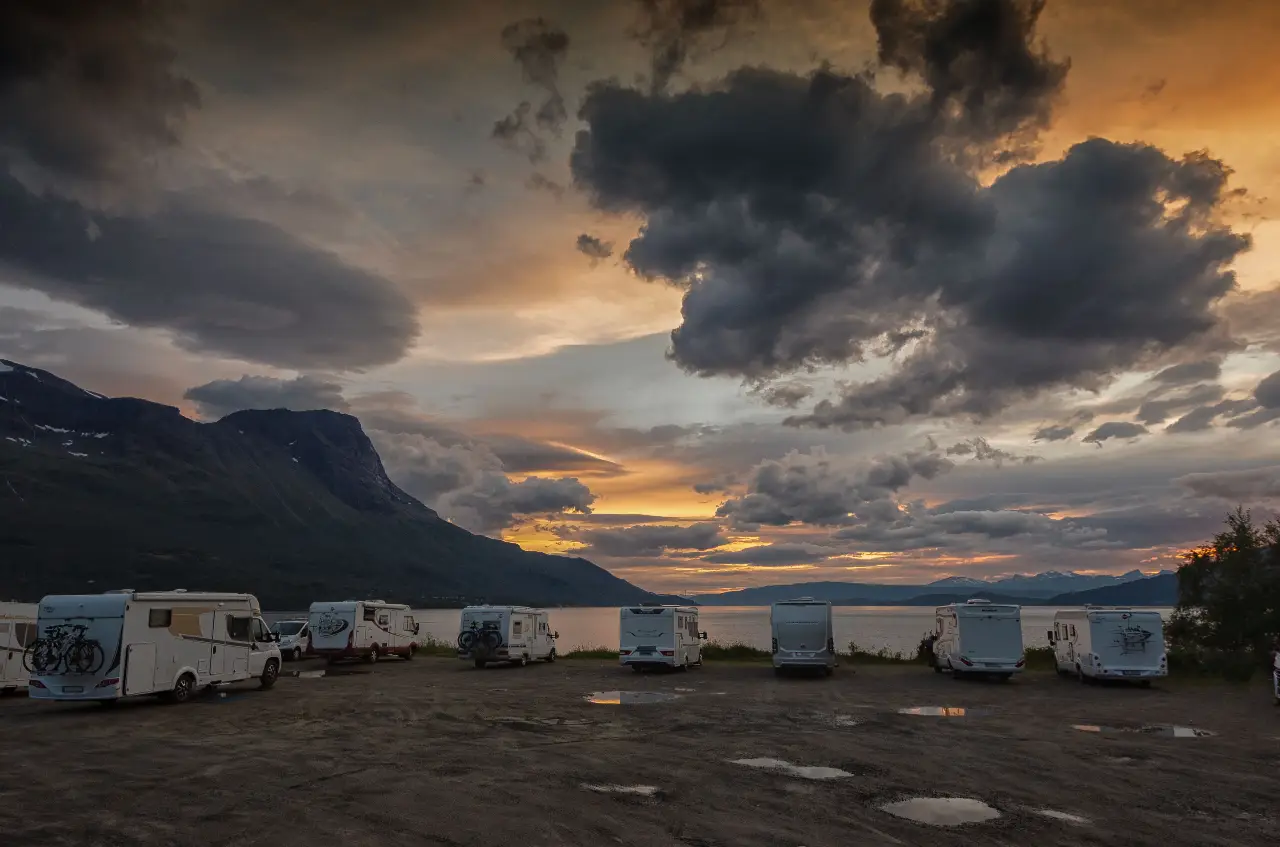
The best boondocking spots rarely stay quiet once their GPS coordinates hit the internet. One person posts a perfect campsite. A few months later, the same pullout can be packed with vans, trailers, fire rings, and tire tracks.
That is why experienced RVers often share an area instead of one exact campsite.
And here is why that matters. A spot that works for a 19-foot camper van may be a bad choice for a 38-foot fifth wheel. Roads change after rain. Fire rules change. Some areas now require permits or marked campsites.
Alabama Hills is a good example. Camping there is more controlled now, with designated sites and a free permit required.
The 15 boondocking spots below are really public land areas where you can still find space, scenery, and legal dispersed camping.
You will also learn what to check before you pull a large RV down an unknown dirt road.
15 Boondocking Spots So Good Veteran RVers Refuse to Share Them
1. How to Camp at Alabama Hills Without Breaking the New Rules
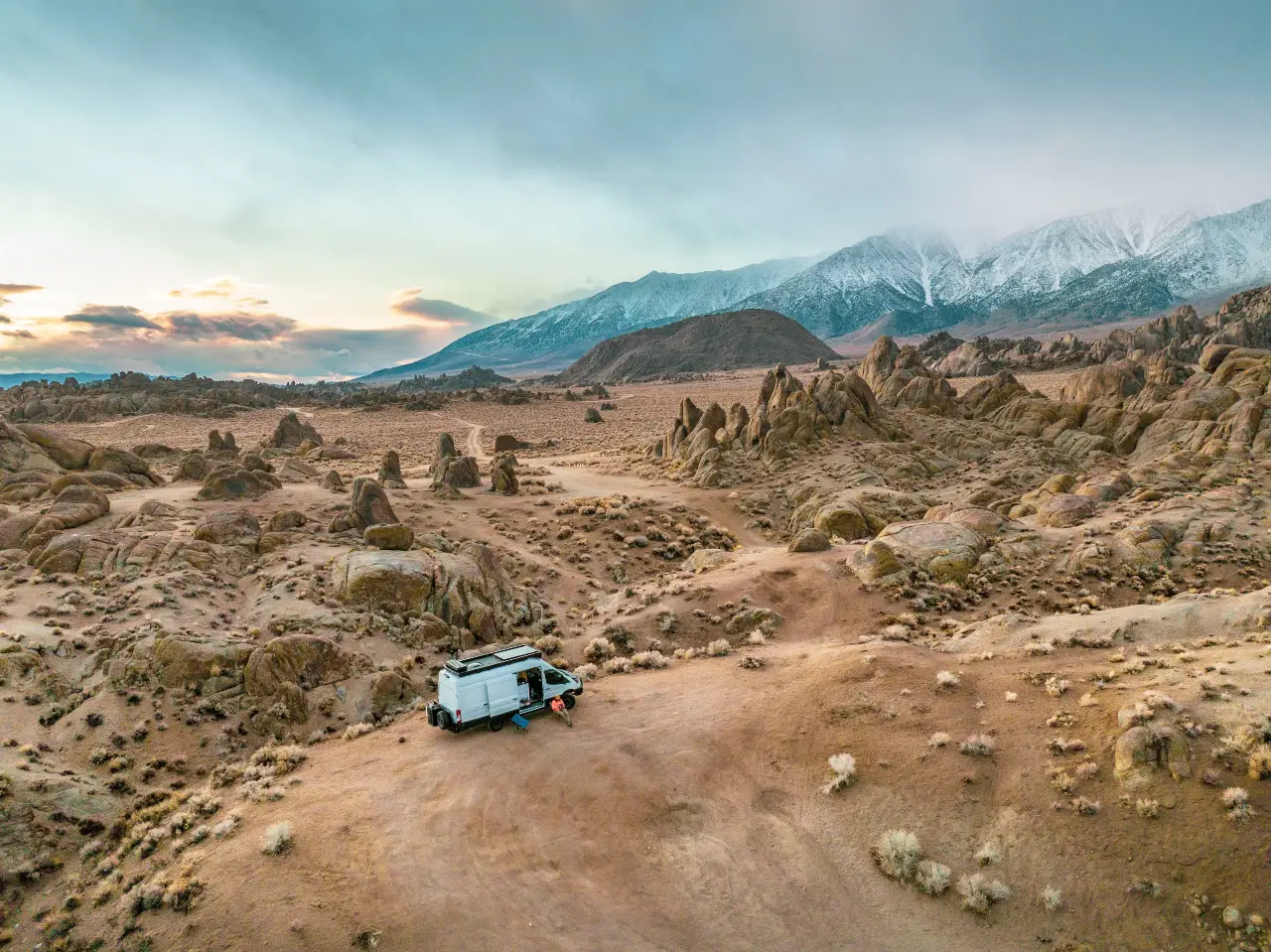
Alabama Hills near Lone Pine, California, has one of the best backdrops on this list.
Huge rock formations sit below the Sierra Nevada. The views are wide open, and the area feels much more remote than it really is.
But this is not the loose camping zone it once was.
The Bureau of Land Management now requires a free camping permit. Camping is limited to marked, designated sites. The permit does not save a campsite for you, so sites still work on a first-come, first-served basis.
There is another rule worth knowing. The Bishop Field Office limits dispersed camping to 14 days per year inside its boundaries.
That means you should not arrive expecting to drive anywhere and set up.
Smaller trailers, vans, and truck campers have an easier time here because some tracks give you little room to turn around.
Crowds can also be a problem around holidays and popular travel periods.
Best for: Vans, truck campers, smaller trailers
Best season: Spring and fall are easier than peak summer heat
Cost: Free permit required
Big rig warning: Scout narrow tracks before committing
Check before arrival: Current BLM Alabama Hills camping map
The view is still excellent. You need to follow the newer rules.
2. How to Find Quiet Desert Camping at Kofa
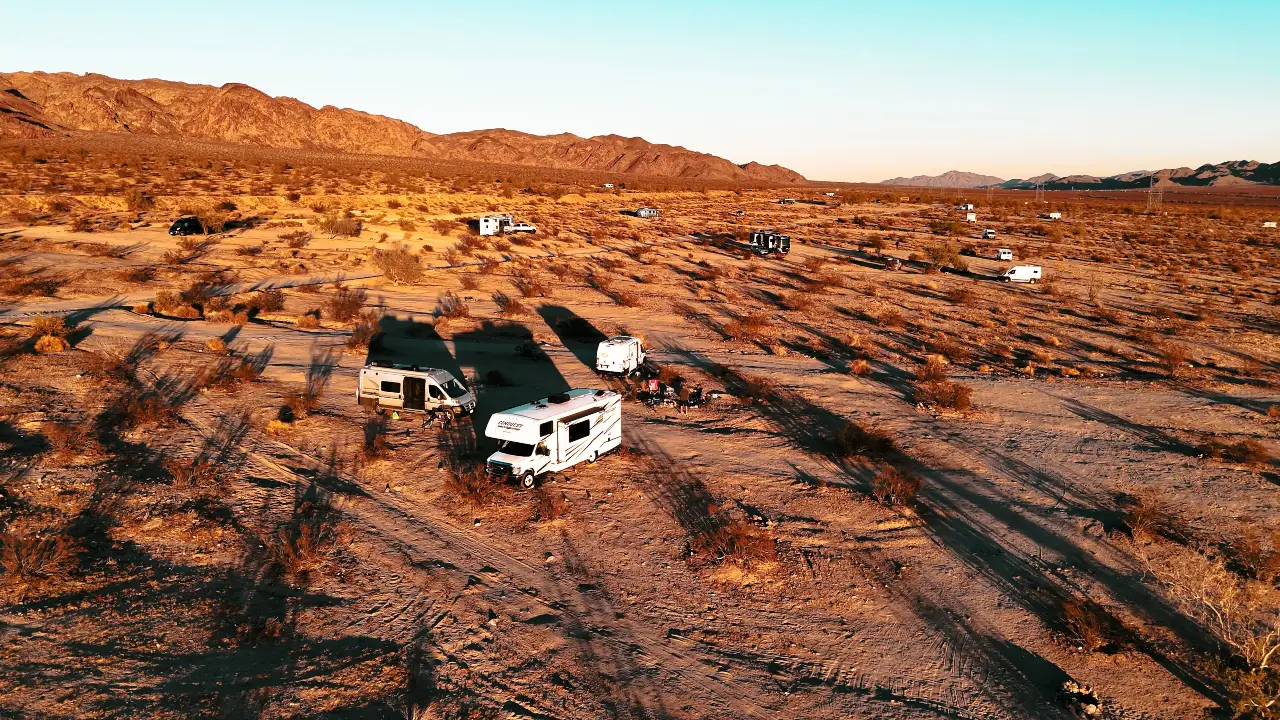
If Quartzsite feels too busy, Kofa National Wildlife Refuge gives you a much quieter Arizona desert option.
This is true dry camping.
You should expect open desert, rough roads in some areas, wildlife rules, and no normal RV park services.
The refuge allows camping, but there are clear limits.
Camps cannot be within one quarter mile of water. Vehicles must stay within 100 feet of designated roads. Camping is also limited to 14 days during any 12-month period.
Those rules protect wildlife and keep vehicles from spreading across fragile ground.
Kofa works best when you already have enough water, food, fuel, and power for the length of your stay.
Do not assume a road is safe just because another camper posted about it.
Road conditions can change.
If you tow a long trailer, scout the road first with the tow vehicle when possible. That small check can save you from getting stuck far from help.
Best for: Vans, truck campers, travel trailers with careful scouting
Best season: Late fall through early spring
Cost: No normal campground fee
Road: Conditions vary
Big rig warning: Avoid unknown side roads without scouting
Kofa is a good choice when you want desert space without sitting in a large RV crowd.
3. How to Camp at Valley of the Gods Without Getting Trapped by Rain
Valley of the Gods in Utah offers red rock views without the feel of a developed campground.
The Bureau of Land Management describes a 17-mile gravel and clay loop through the area. Several car camping areas sit along the route.
When the road is dry, normal passenger vehicles can often travel it.
Rain changes everything.
Clay roads can become slick, soft, and difficult very quickly. A road that felt easy in the morning may feel completely different after a storm.
That matters even more when you are towing several thousand pounds.
There are no normal campground services here. You need to arrive with your own water, power, food, and waste plan.
Campfires are also prohibited.
The area sits near Bluff and Mexican Hat, which gives you useful places for fuel and supplies.
But do not assume every pullout works for a large RV.
Check the entrance angle. Look at wash crossings. Make sure you have space to turn around.
Best for: Vans, truck campers, smaller and medium trailers
Cost: Free
Road: Gravel and clay
Big rig warning: Conditions can become poor after rain
Quick rule: Check the weather before entering, not after you set up
The view is why people stay. The road is why some people should turn around.
4. How to Escape Moab Crowds at San Rafael Swell
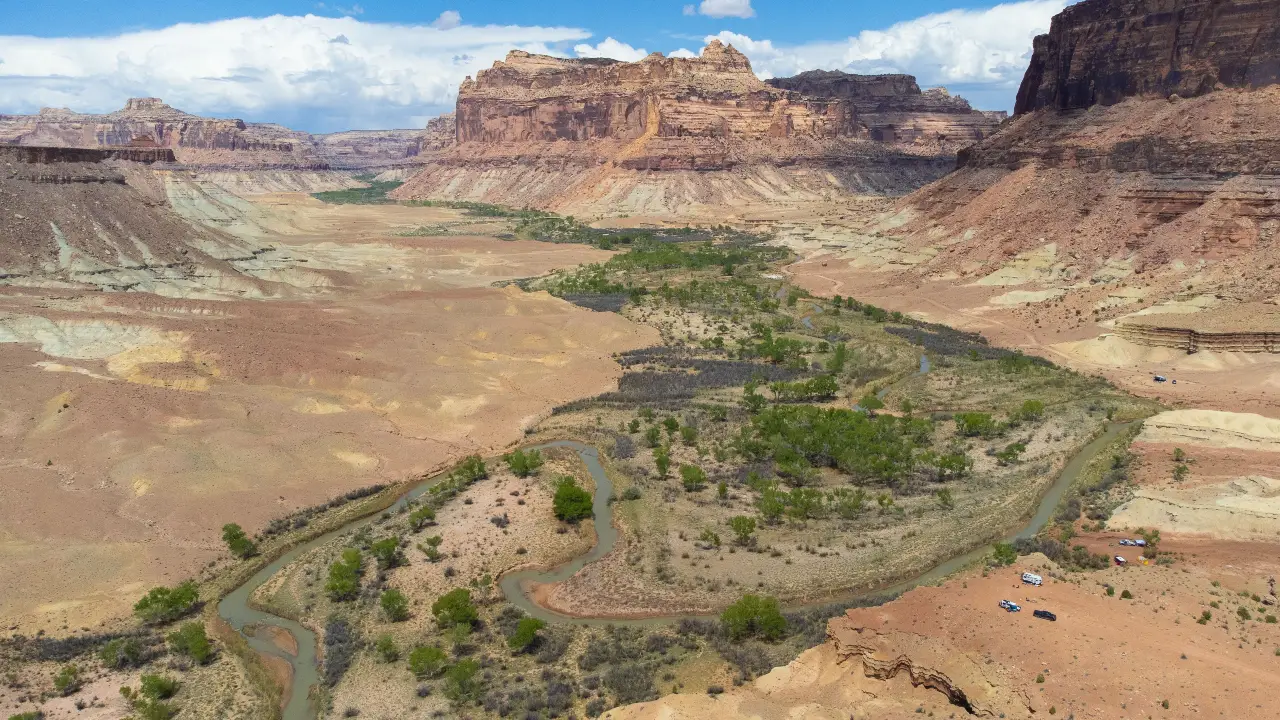
Utah has no shortage of famous desert camping.
That fame can also bring packed roads and full campsites.
San Rafael Swell gives you another option.
The Bureau of Land Management says the area has many dispersed camping opportunities spread across a huge red rock landscape.
Places around Mexican Mountain Road and Temple Mountain can put you close to dramatic cliffs, canyons, and desert views.
But this is not a place where you should blindly follow an old app pin.
Travel rules have changed in parts of the Swell. Some routes that once led to poor campsite locations have been closed, while access remains to more suitable camping areas.
That means the current agency map matters more than an old review.
Some parts are also very remote.
Cell coverage can be weak. Services may be far away. Summer heat can become serious.
Best for: Campers who are comfortable with remote public land
Best season: Spring and fall
Cost: Many dispersed areas are free
Cell service: Can be limited
Big rig warning: Route choice matters
Save your maps before leaving good signal.
A beautiful campsite is less useful if your map disappears when you need it most.
5. How to Boondock Near the Grand Canyon Without Sleeping in the Park
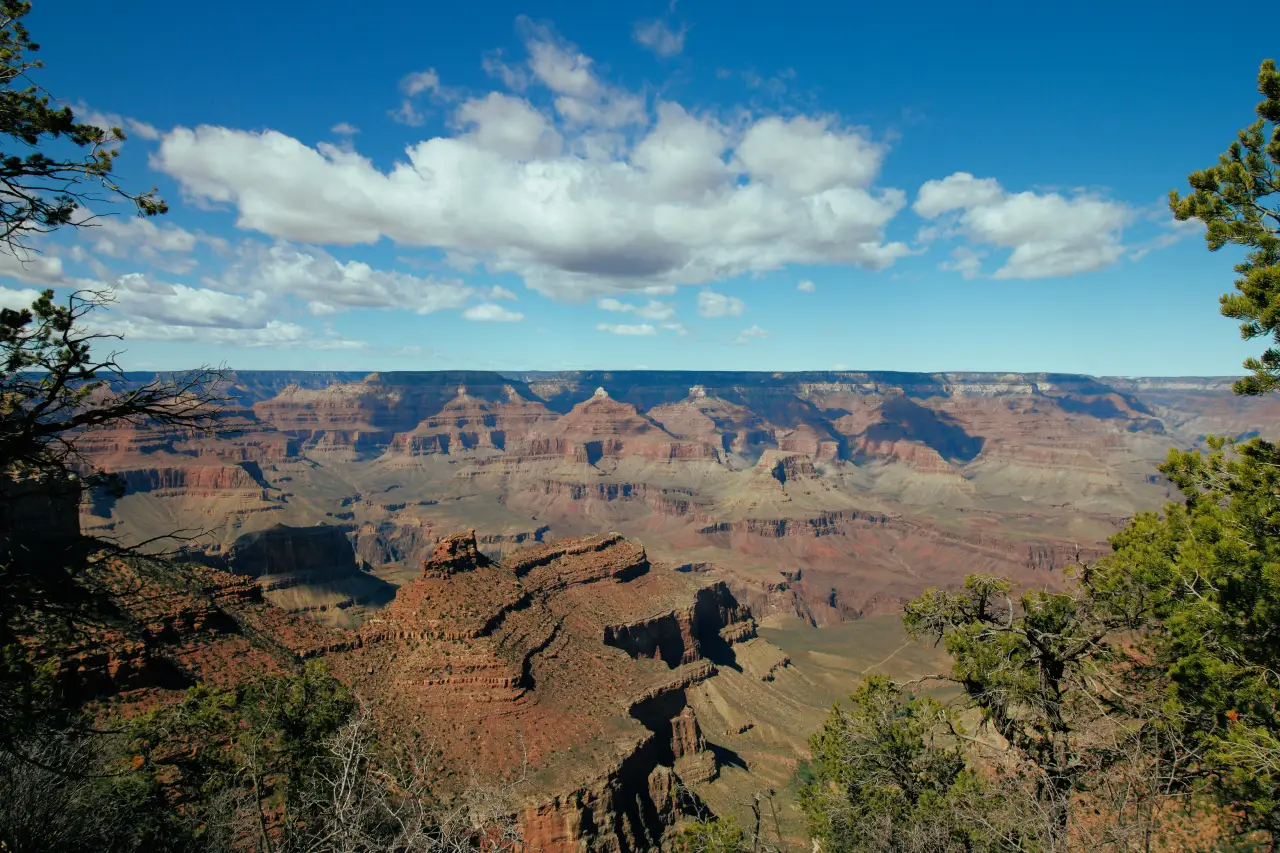
Getting a campsite near the Grand Canyon can be frustrating during busy months.
Kaibab National Forest gives RVers another choice.
Forest Service guidance allows free dispersed camping for up to 14 days within a 30-day period. Motorized campers can generally drive up to 30 feet from designated open roads, with some different camping corridors in certain districts.
This is a very different setting from the open Arizona desert.
You get pine forest, cooler nights, and higher elevation.
You also get seasonal snow, muddy roads, fallen trees, and occasional access problems.
There are rules around developed recreation sites and water sources.
Forest Service guidance says dispersed camping is not allowed within one mile of developed recreation areas or within one quarter mile of watering holes.
That protects busy sites and wildlife.
Best for: Vans, trailers, truck campers, some larger RVs on suitable roads
Best season: Late spring through early fall, depending on elevation
Cost: Free dispersed camping
Water: Bring your own
Road: Check current forest road conditions
The big benefit is simple.
You can stay near Grand Canyon country without fighting for one of the most wanted campsites inside the park.
6. How to Get Free Flagstaff Camping Without Breaking Designated Site Rules
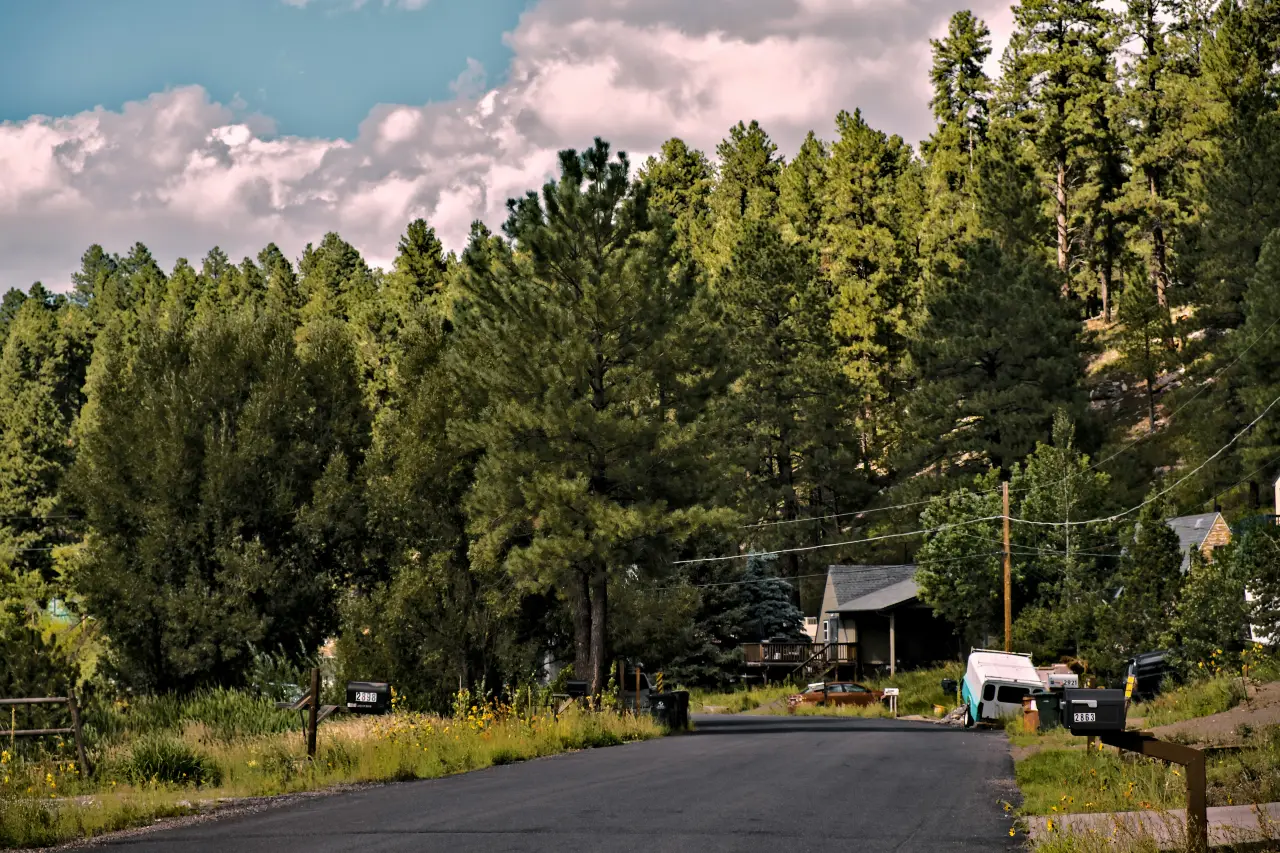
FR 237 near Flagstaff is useful because it gives you forest camping close to a major town.
That makes resupply much easier than at many remote desert sites.
But there is an important rule.
This area uses designated dispersed camping.
Forest Service guidance says campers must use marked sites and park within 50 feet of the site marker. There is also a 14-day camping limit.
So this is not the place to create your own clearing in the trees.
Use the marked sites.
Coconino National Forest also limits vehicle-based dispersed camping to allowed corridors and distances shown on its current motor vehicle map.
That map matters.
A road can look open on a phone screen while vehicle camping beside it is restricted.
Summer can be busy around Flagstaff.
Fire rules can also change fast when the forest dries out.
Best for: Campers who want forest camping near town
Cost: Free designated dispersed camping
Stay limit: 14 days
Road: Forest roads vary
Quick rule: Use marked sites only
This is a great example of how boondocking is changing.
Free does not always mean camp anywhere.
7. How to Find Real Space in Gila National Forest
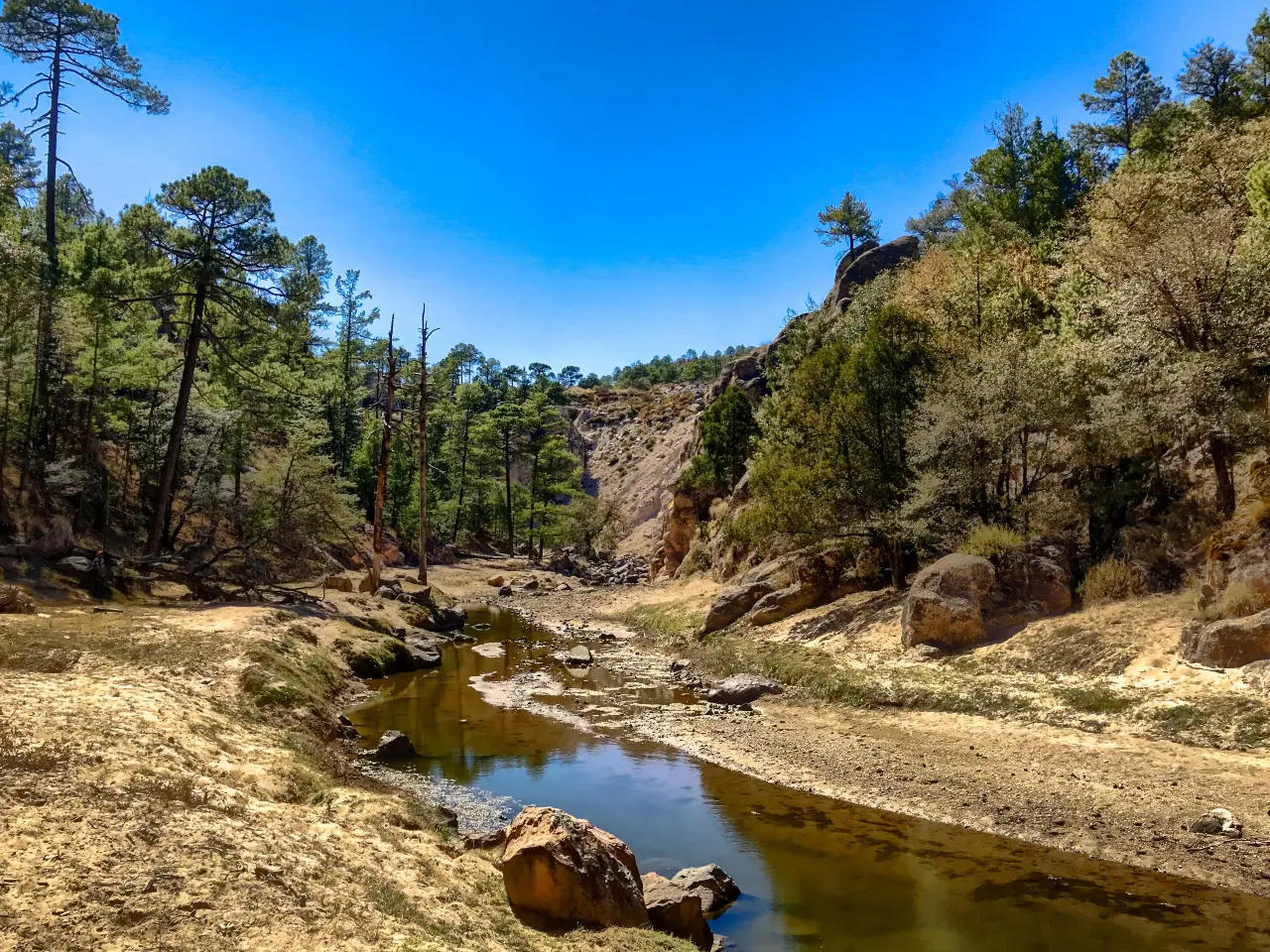
Gila National Forest in New Mexico is huge.
Forest Service information says it covers about 3.3 million acres and contains more than 3,300 miles of motorized routes.
That size gives you something hard to find near famous national parks.
Space.
You can find forest, mountains, open country, and long stretches where services are far away.
But size creates a new problem.
There are too many roads to treat the forest like one single campsite.
Road quality changes from one area to another. Some routes work well for normal RVs. Others are better for trucks or smaller campers.
The forest updated its stay rule in 2025.
Visitors may camp for 14 days within any 30 consecutive days.
Before entering, choose a general area.
Then check the current Motor Vehicle Use Map for legal roads and camping access.
Do not just copy coordinates from another camper.
Best for: RVers who want space and can plan ahead
Stay limit: 14 days within 30 consecutive days
Road: Quality varies widely
Services: Can be far away
Quick rule: Pick an area before you arrive
Gila rewards people who plan.
It can punish people who simply follow the blue line on a phone.
8. How to Camp in Bighorn National Forest Without Picking the Wrong Road
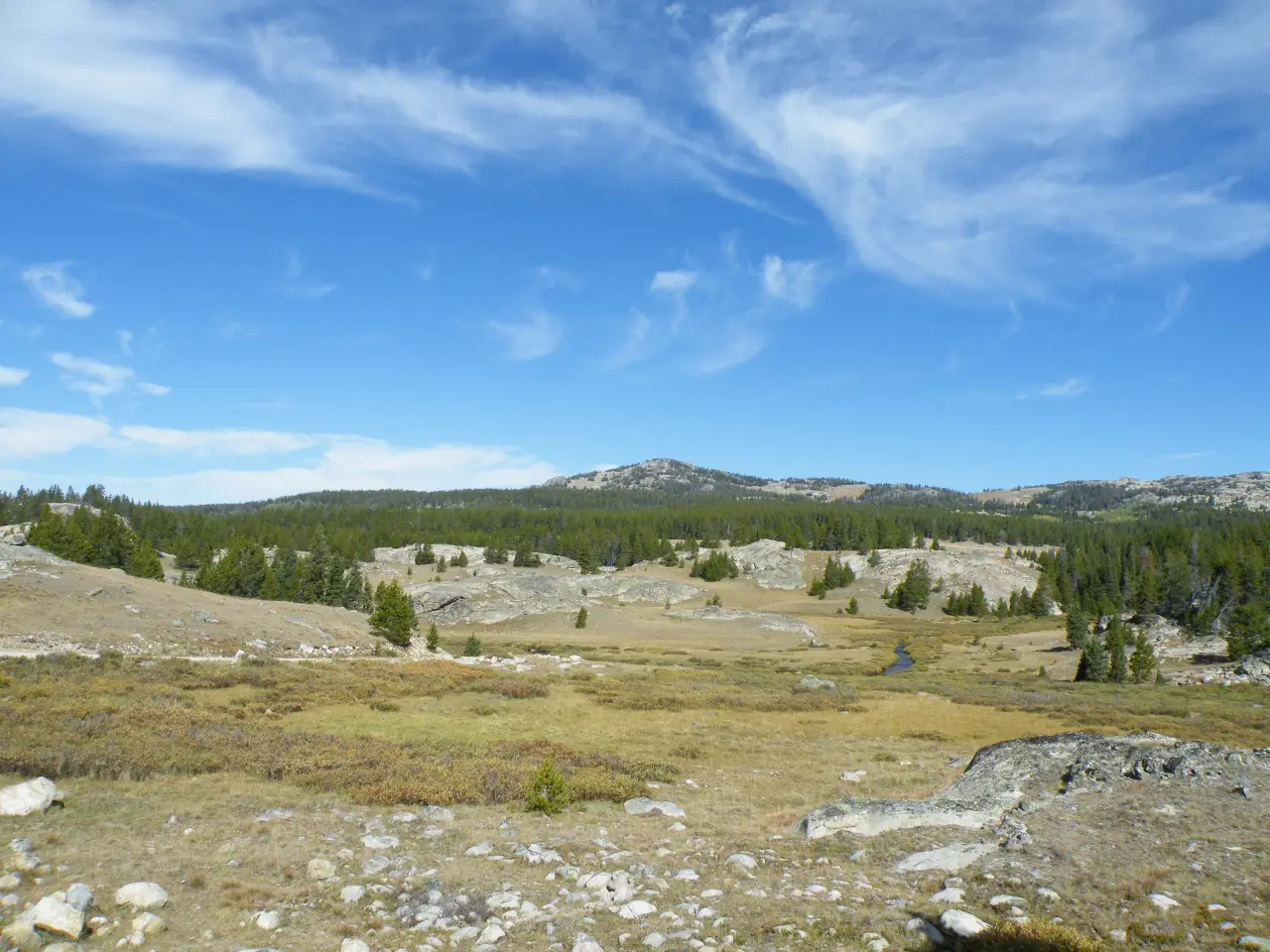
Bighorn National Forest in Wyoming looks made for summer boondocking.
You get mountain views, fishing, cooler weather, and wide forest country.
Dispersed camping is allowed across much of the forest.
Motorized campers may generally travel up to 300 feet from designated Forest Service roads for camping where no closure applies and where driving will not damage the land.
The year-round camping limit is 14 days.
After that, you must move at least five road miles and cannot return to the original area for another 14 days.
The bigger issue is road choice.
One 2026 camping report described a Bighorn access road as steep, rocky, and around 9,100 feet in elevation. That is one personal report, but it shows why one road does not represent the whole forest.
A large RV may fit in the forest.
That does not mean it fits on every road.
Best for: Mountain campers with time to scout
Best season: Summer and early fall
Stay limit: 14 days
Big rig warning: Scout steep roads first
Watch for: Elevation, weather, rocks, tight turns
Never let a great photo talk you into a bad road.
9. How to Find Cooler Summer Camping in Medicine Bow and Routt
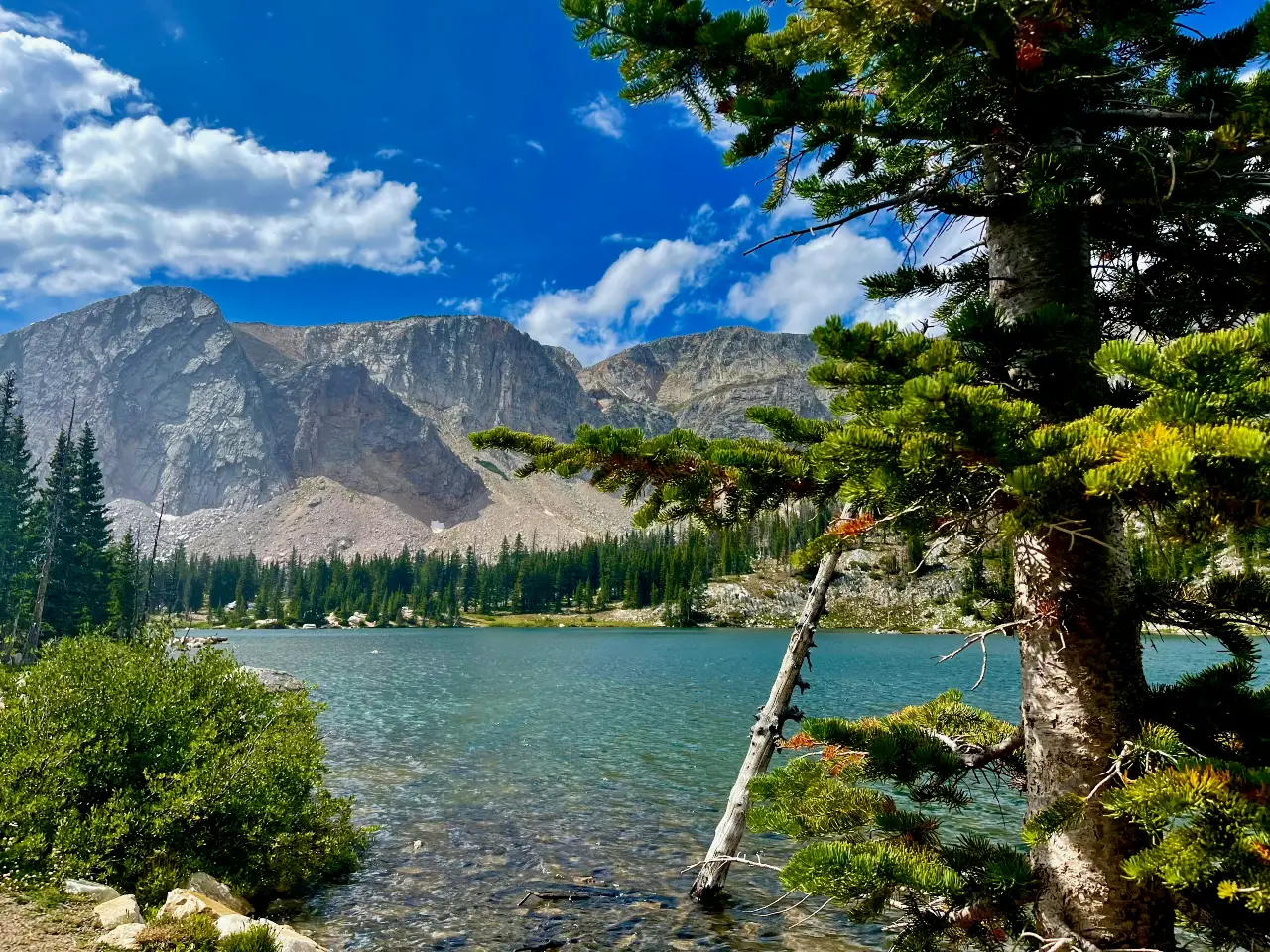
When lower desert areas turn hot, high mountain forests become much more attractive.
Medicine Bow and Routt National Forests give RVers options in Wyoming and Colorado.
Dispersed camping is allowed in many areas.
But the stay rules differ by state.
The standard limit is generally 16 days in Wyoming and 14 days in Colorado. Some locations also use designated dispersed camping sites.
That small difference is why you should check the correct district before setting up.
The Sierra Madre and Snowy Range areas can provide cool weather, mountain scenery, fishing, and forest roads.
They also sit at high elevation.
Snow can limit access during spring and fall.
Weather can change quickly.
Normal phone directions are not enough for this kind of trip.
Use the current Motor Vehicle Use Map.
Best for: Summer RV camping
Stay limit: Usually 16 days in Wyoming and 14 days in Colorado
Road: Check current Forest Service maps
Watch for: Snow, high elevation weather, muddy roads
The quick win is simple.
Check the map before you move the RV, not after the road gets narrow.
10. How to Camp in Sawtooth National Forest Without Trusting Old Rules
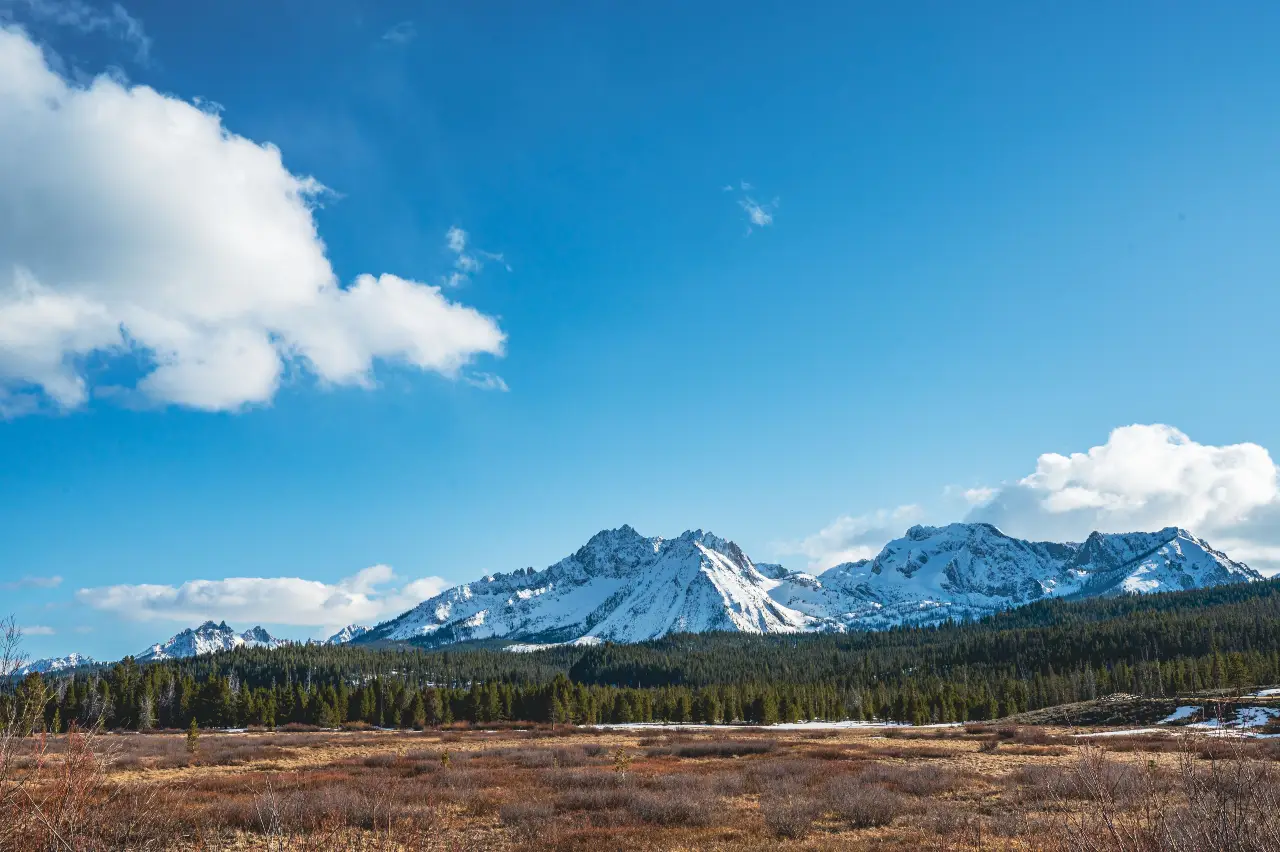
Sawtooth National Forest in Idaho is one of the most scenic places on this list.
The mountains are sharp. The valleys are wide. Summer camping can be excellent.
Forest Service information identifies several free, undeveloped, and designated dispersed camping areas.
Examples include Trail Creek, Baker Creek, Corral Creek, Deer Creek, Warm Springs, and Salmon River Canyon.
But there is a 2026 warning here.
A previous recreation order ran through December 31, 2025.
That means you should not copy old stay limits from an older camping article and assume they are still current.
Check the current Forest Service orders before you travel.
This is especially important because summer demand can be high.
Roads can also be narrow, and smaller rigs may have more choices.
Best for: Vans, truck campers, smaller trailers
Best season: Summer into early fall
Cost: Many undeveloped areas are free
Big rig warning: Narrow roads can reduce options
Quick rule: Verify the current 2026 order before leaving
Sawtooth is worth the work.
Just do not plan the trip with last year’s rules.
11. How to Use the 2026 Map for Ochoco National Forest
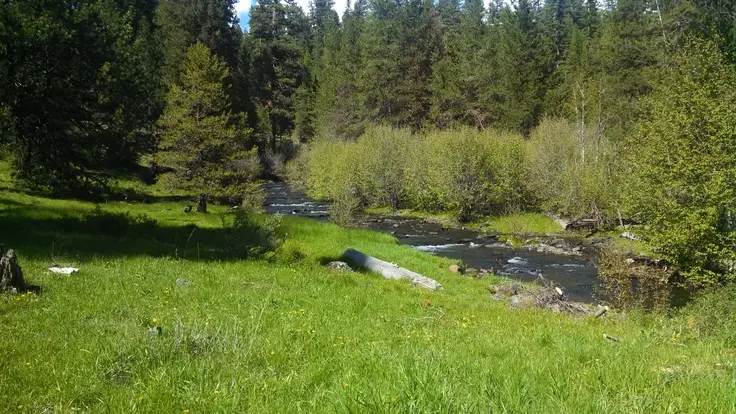
Ochoco National Forest in central Oregon is less famous than Bend.
That is part of the appeal.
You can find ponderosa pine, open forest country, wildlife, and public roads without the same level of attention as Oregon’s biggest tourist areas.
The Forest Service map page provides 2026 Motor Vehicle Use Maps for the forest.
It also makes clear that this map is the legal source for determining where motorized travel is allowed.
That makes Ochoco a good place to learn one of the most important boondocking rules.
A campsite app pin is a report from another camper.
A Motor Vehicle Use Map tells you where driving is legally allowed.
Those are not the same thing.
Dispersed camping is available across parts of the forest, but road access and fire conditions still need checking.
Best for: Campers looking for quieter Oregon forest
Best season: Summer and early fall
Road: Use the 2026 Motor Vehicle Use Map
Watch for: Fire season and changing road conditions
Quick rule: Download the official map before losing signal
This place rewards campers who use the right map instead of the most popular app pin.
12. How to Avoid Fire Problems in Okanogan-Wenatchee National Forest
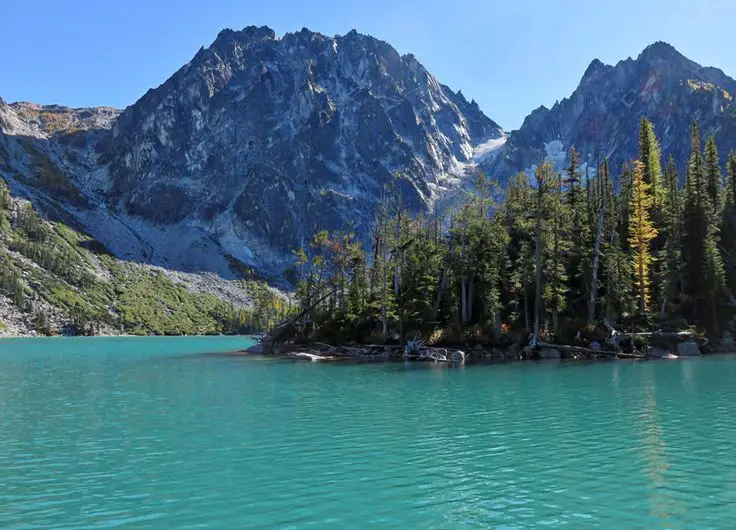
Washington’s Okanogan-Wenatchee National Forest gives you Cascade scenery without needing a normal campground.
Forest Service guidance describes dispersed camping as camping without toilets, tables, or drinking water.
It also tells visitors to use established sites.
That means you need to bring everything you need and pack everything back out.
Fire is the bigger planning issue.
Restrictions can change during summer.
Past seasonal rules have banned campfires outside approved recreation sites during periods of high fire danger.
Do not check the fire rules one week before your trip and assume nothing will change.
Check again the morning you enter.
Wildfire smoke can also affect a trip even when the road itself remains open.
Best for: Summer and early fall mountain camping
Water: Bring your own unless you have confirmed a safe source
Road: Forest road conditions vary
Watch for: Fire bans, smoke, closures
Quick rule: Read current alerts on travel day
A beautiful mountain campsite is not worth ignoring a fire closure.
13. How to Get Badlands Views Outside the Main Park Crowds
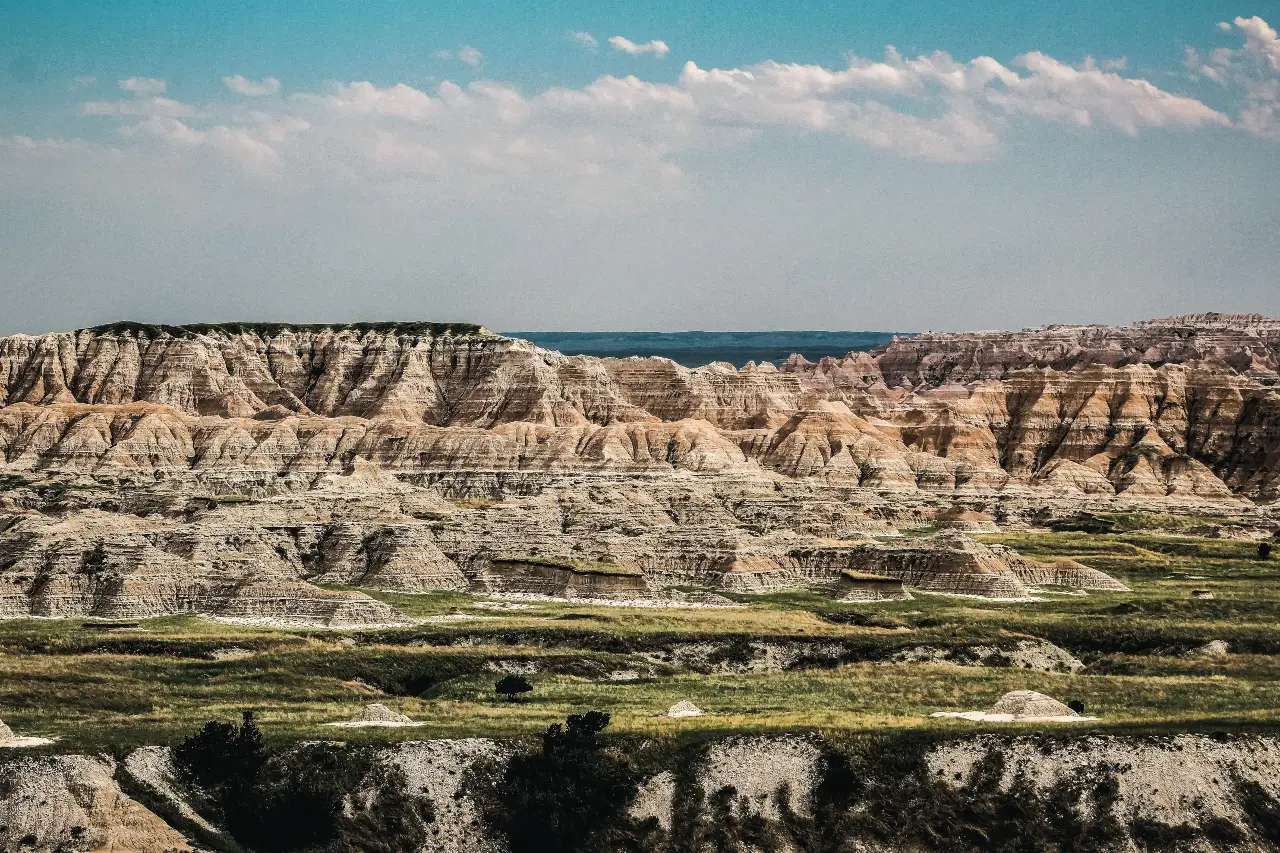
Buffalo Gap National Grassland in western South Dakota gives you wide prairie, open sky, and Badlands-style scenery.
It covers about 589,000 acres.
That gives campers a huge area to work with.
But open land can look easier than it really is.
There is little shade in many areas.
Wind can be strong.
Summer heat can be rough.
Rain can turn dirt access roads into mud.
Route legality matters too.
The current Buffalo Gap Motor Vehicle Use Map shows where motorized travel and dispersed camping access are allowed.
Use it before following side roads.
Best for: Vans, truck campers, trailers on dry legal roads
Best season: Spring, early summer, fall
Road: Can become muddy after rain
Watch for: Wind, heat, little shade
Quick rule: Avoid questionable dirt roads when rain is coming
Buffalo Gap can feel wonderfully empty.
That same emptiness means you should be ready to solve problems yourself.
14. How to Find Real Solitude in Dakota Prairie Grasslands
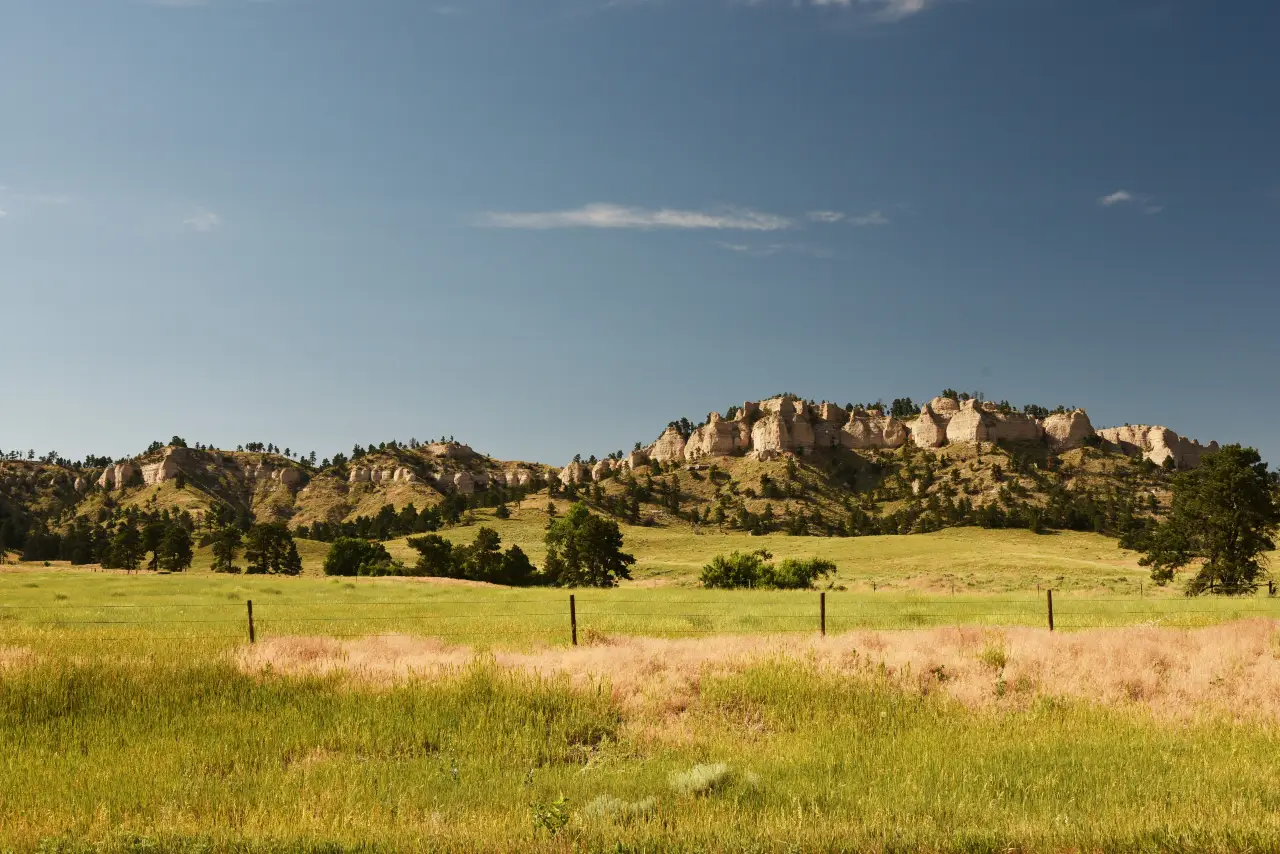
Dakota Prairie Grasslands in North Dakota fits the spirit of this list better than many famous western sites.
It offers open country, dark skies, and long stretches with very few people.
Forest Service information confirms that dispersed camping is available away from developed recreation areas.
There are stay limits.
Camping at one site for more than 14 straight days is prohibited.
The wider rule also limits use to 28 total days per calendar year on the Northern Region lands covered by the order.
The Little Missouri country adds rough scenery to the open plains.
But services can be far apart.
Fuel, water, food, and weather planning matter more here than at a suburban campground.
Best for: Campers who want quiet and dark skies
Stay limit: 14 consecutive days at one site
Annual limit: 28 total days under the covered rule
Watch for: Wind and long gaps between services
Quick rule: Fill fuel and water before going deep into the area
This is the kind of place where preparation buys you peace.
Without preparation, the distance becomes the problem.
15. How to Find East Coast Boondocking in Georgia
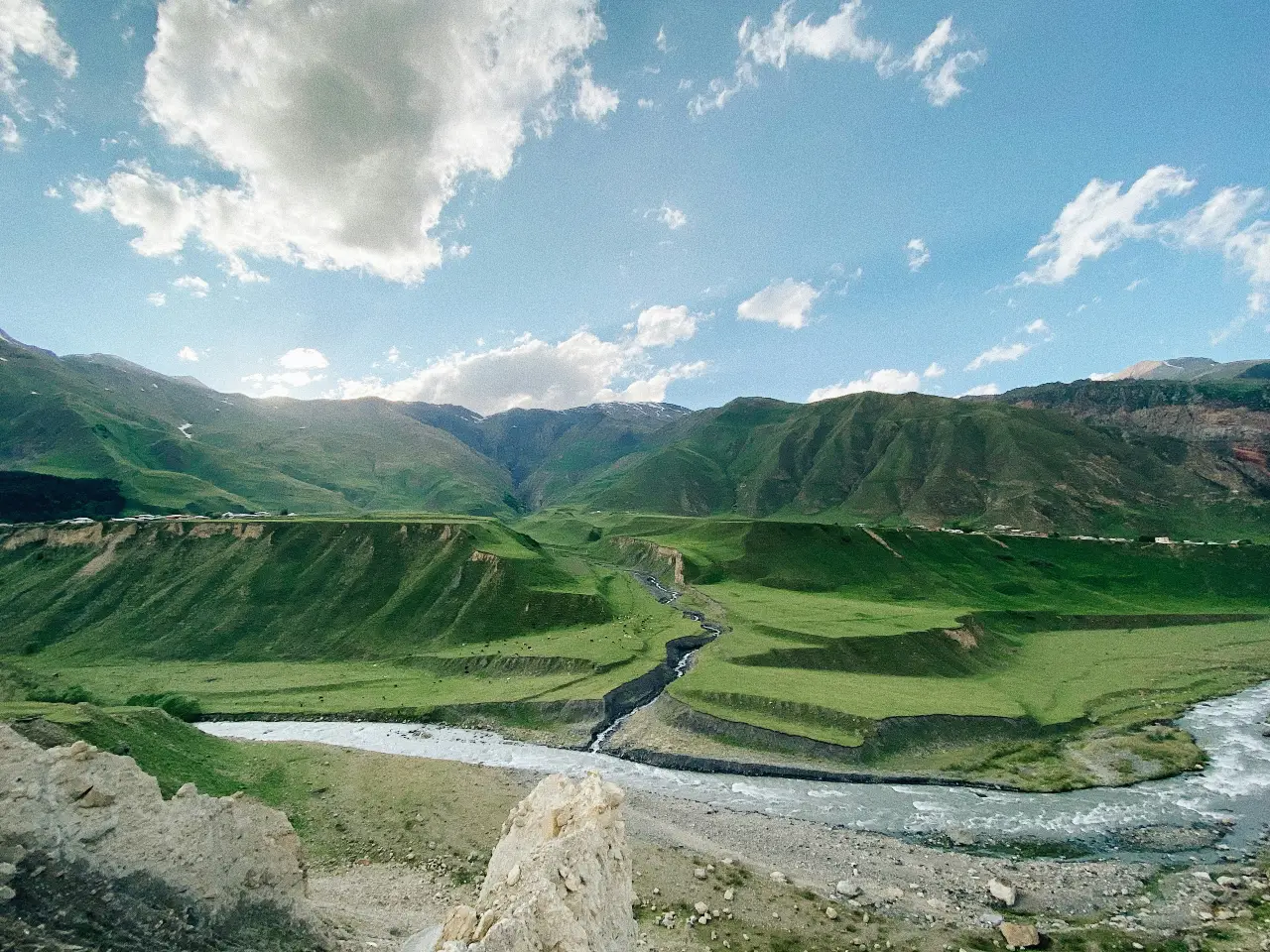
Many RVers think serious boondocking starts west of the Rockies.
Chattahoochee Oconee National Forest proves otherwise.
Forest Service guidance says dispersed camping is allowed in most places within the forest, and campers are expected to pack their waste out.
The setting is completely different from Utah or Arizona.
You get thick forest, mountain roads, humidity, rain, and smaller clearings.
That changes which RVs fit.
A road can be legal and still be a terrible place for a large Class A or long fifth wheel.
Trees reduce turning room.
Wet weather can soften roads.
Branches can create height problems.
This is where scouting matters.
Best for: Vans, truck campers, smaller trailers
Best season: Spring and fall are often more comfortable
Road: Can be tight and wet
Big rig warning: Legal does not mean suitable
Quick rule: Scout unknown forest roads before taking a long rig down them
For East Coast RVers, this can be a useful surprise.
You do not always need to cross half the country to camp away from hookups.
How Veteran RVers Check a Boondocking Spot Before Driving In
The location list helps.
The real skill is knowing how to check a campsite before your tires touch the dirt.
Experienced RVers usually do several things before committing a large rig.
1. Confirm Who Owns the Land
Start with the agency.
That may be the Bureau of Land Management, Forest Service, Fish and Wildlife Service, or a state land agency.
Different agencies have different rules.
2. Check the Current Motor Vehicle Use Map
An app review may be old.
The legal road map may have changed since that review was posted.
Check the current map before driving.
Save it offline if possible.
3. Read Current Alerts
Look for fire closures, flash floods, snow, road closures, prescribed burns, and fire restrictions.
A legal campsite is useless if the road is closed.
4. Look at Satellite Images
Check road width.
Look for big turns, tree cover, wash crossings, steep grades, and possible turnaround space.
Satellite images are not perfect.
They can still reveal obvious problems before you arrive.
5. Read Recent Camper Reports
Community reports are good for current road conditions, cell signal, noise, mud, and RV size.
Use those reports as extra information.
Do not use them as the final answer on whether camping is legal.
6. Arrive Before Dark
This is one of the easiest rules to follow.
It is also one of the most useful.
A narrow road, deep rut, wash crossing, or poor turnaround is much harder to judge after sunset.
Give yourself daylight.
If a road feels wrong, turn around while you still have room.
The Real Secret Behind the Best Boondocking Spots
The best RV camping is rarely about one hidden GPS pin.
It is about finding a legal area, checking the current rules, reading the right maps, and knowing when your rig should turn around.
Choose three places from this list.
Save the official maps before you leave. Check the weather, fire alerts, and road reports again on travel day.
Use existing campsites when you can. Leave space between rigs. Pack out your trash. Do not create new tracks just because the ground looks open.
The best boondocking spots are places where good planning still buys you space, scenery, and quiet.