
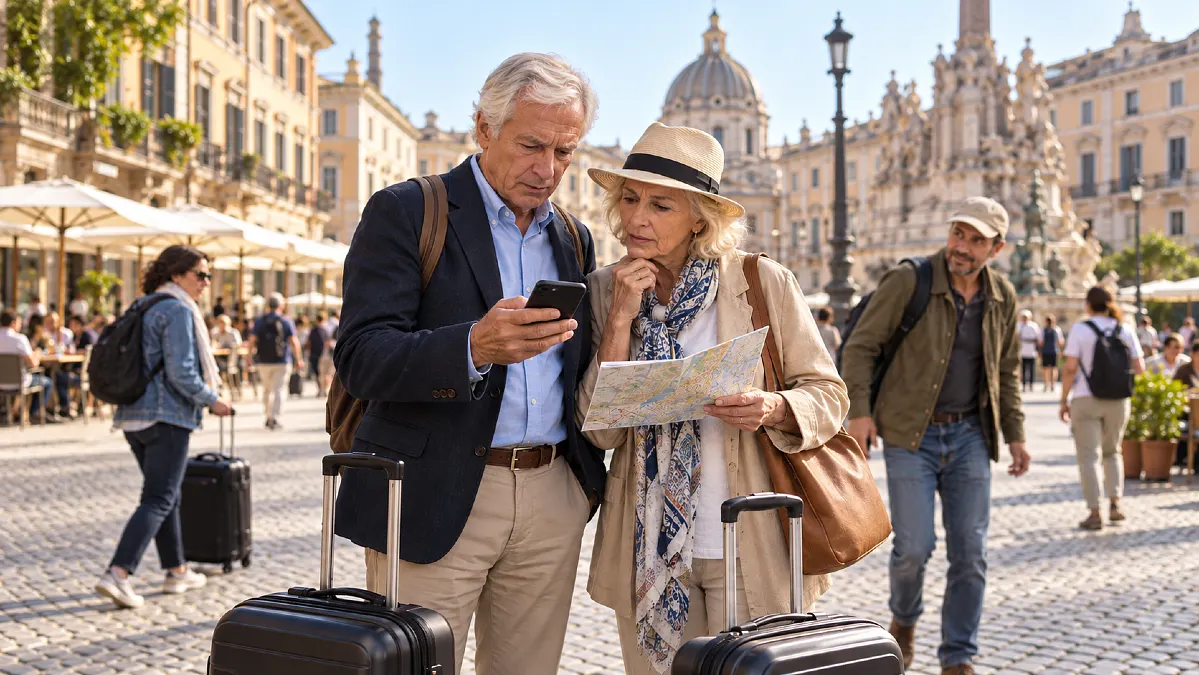
You want to enjoy your vacation. You do not want to question every driver, booking message, or friendly person who offers help.
But travel can put you in unfamiliar situations. You may be tired after a long flight. You might need help with luggage, directions, or a canceled booking. A scammer can use that moment to create fear, pressure, or confusion.
AARP reports that the Federal Trade Commission received more than 64,000 reports tied to travel, vacations, and timeshares in 2025. That total includes travelers of all ages.
Still, some criminals give older tourists extra attention. They may assume an older traveler has more savings or a higher credit limit. They may also look for someone traveling alone or moving slowly with bags.
Why Older Tourists May Get Extra Attention
These scams can affect anyone. Age alone does not make you an easy target.
The problem is how criminals judge a situation. The FBI says scammers may view older adults as financially secure, trusting, and less likely to report fraud.
The State Department has also warned that older travelers and people with disabilities may be targeted because criminals see them as vulnerable. A scammer might offer unwanted help with a bag, an ATM, or transportation. That help can quickly turn into pressure.
The scale of elder fraud is serious. The FBI’s 2025 Internet Crime Report says people age 60 and older filed 201,266 complaints and reported about $7.75 billion in losses. Those figures cover many kinds of online crime, not just travel scams.
Your best defense is a simple rule: pause before you pay, follow, or share information.
| Warning sign | What may be happening | Your safest response |
|---|---|---|
| You must act now | The scammer wants to stop you from checking the story | Step away and verify it |
| You must pay by gift card or crypto | The payment may be hard to recover | Do not pay |
| A stranger asks for your PIN | They want access to your card or account | End the contact |
| An offer is far cheaper than every other option | The deal or listing may be fake | Compare it with official prices |
| Someone insists you keep the matter secret | They want to isolate you from help | Tell a trusted person |
1. Stop a Fake Travel Website Before You Pay
A fake website may copy the logo, colors, photos, and booking form of a real airline or hotel. The address may differ from the genuine site by one letter.
The site often offers a very low price. Once you begin booking, it may request a wire transfer, gift card, cryptocurrency payment, or payment app.
The Federal Trade Commission warned travelers in 2025 that criminals also send fake airline and hotel emails. These messages direct people to pages that collect card numbers, passwords, and other private details.
Protect yourself with these steps:
- Type the company’s website address into your browser.
- Open the official airline or hotel app.
- Compare the offer with the price on the official site.
- Check the spelling of the full web address.
- Pay by credit card when possible.
Do not assume a website is real because it appears near the top of a search page. Scammers can buy ads that place fake sites above genuine results.
2. Check a Vacation Rental Before Sending Money

A beautiful rental at a very low price can be hard to pass up. That is why fake property listings work.
The Federal Trade Commission says scammers sometimes copy photos and descriptions from genuine rental listings. They replace the real owner’s contact details with their own information. The traveler pays a deposit and later learns that the home is unavailable or does not exist.
Before you book:
- Search the full property address.
- Look at the building on an online map.
- Search for part of the description to see where else it appears.
- Contact the host through the booking platform.
- Read the cancellation and refund terms.
- Ask for a written rental agreement.
A fake host may offer a discount if you pay outside the platform. Do not accept it. Leaving the platform can remove important payment and complaint protections.
A price far below similar rentals is another warning sign. Compare at least three properties in the same area before paying.
3. Reject a Free Vacation That Has a Fee
You receive a call, postcard, email, or social message saying you won a cruise or resort stay. There is one problem. You must pay taxes, port costs, or a processing fee before claiming it.
That is not a free vacation.
The Federal Trade Commission lists required advance payments as a common warning sign. Another sign is a seller who promises a luxury trip but will not provide the hotel name, cruise company, dates, or full cost.
Do not give the caller your card number to hold the prize. End the call.
If the offer names a real company, contact that business through its official website or app. Do not use the number supplied in the prize message.
You should also ask how you entered the contest. If you never entered, you did not win.
4. Reach Real Airline Support During a Delay
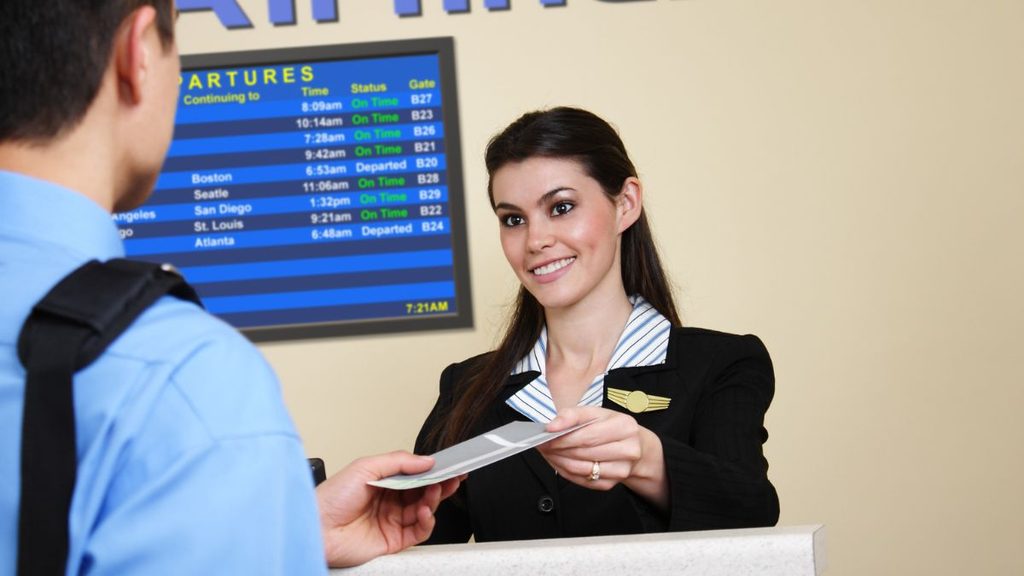
A canceled flight creates a good opening for an impostor. You are tired, worried, and trying to get a seat before everyone else.
The Federal Trade Commission has warned that fake airline accounts watch social media for posts from stranded passengers. The scammer sends a private message and offers help. They may request your booking code, phone number, bank details, or a new payment.
Reach the airline through one of these routes:
- Open the airline’s official app.
- Type the airline’s address into your browser.
- Visit the service desk at the airport.
- Call the number in your original booking record.
- Use the chat service inside your airline account.
Never post your booking code or ticket number on social media. These details may help someone access or change your reservation.
| Booking scam | Main warning sign | What to do |
|---|---|---|
| Fake travel website | The address looks slightly wrong | Open the official site yourself |
| Fake rental | The host wants payment outside the platform | Keep all messages and payments on the platform |
| Free vacation | You must pay to claim the prize | Refuse the offer |
| Airline impostor | An unknown account requests booking or bank details | Use the airline app or airport desk |
5. Avoid a Taxi Fare Trap at the Airport
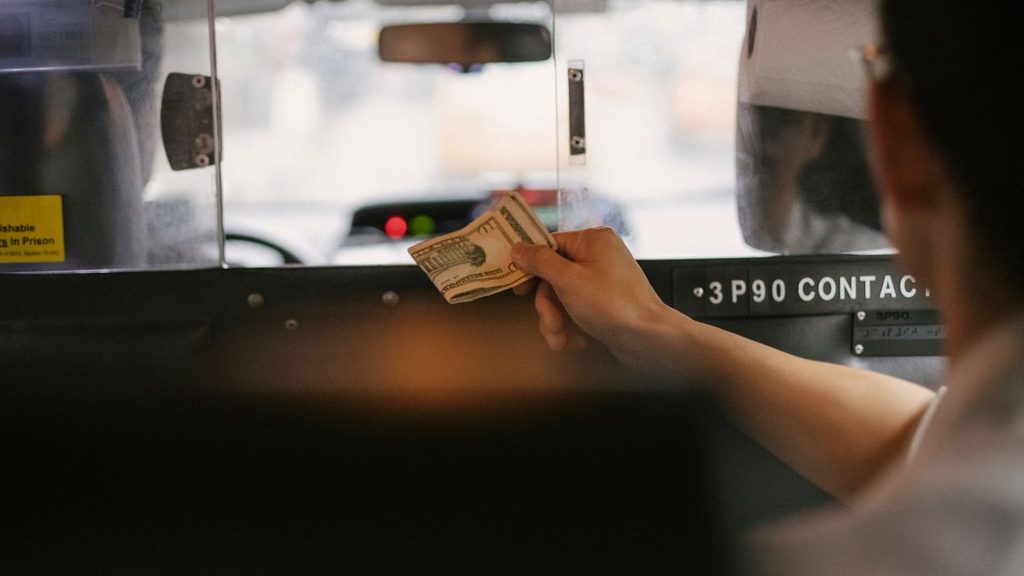
An unlicensed driver may approach before you reach the official taxi line. The person may claim that regular taxis are unavailable or that the ride app is not working.
Other drivers refuse to use a meter, take a much longer route, or demand a new price after reaching the destination.
Current State Department guidance warns about taxi overcharging in several countries. Its guidance for Serbia tells travelers at Belgrade airport to use the official taxi kiosk and avoid drivers seeking customers inside the terminal.
Before getting into a car:
- Use an official taxi stand or known ride app.
- Check the plate and driver against your booking.
- Ask whether the price is fixed or metered.
- Follow the route on your phone.
- Share the trip details with someone you trust.
- Keep your bags with you until the fare is settled.
If the plate or driver does not match the app, do not enter the car.
6. Use an ATM Without Giving Away Your PIN
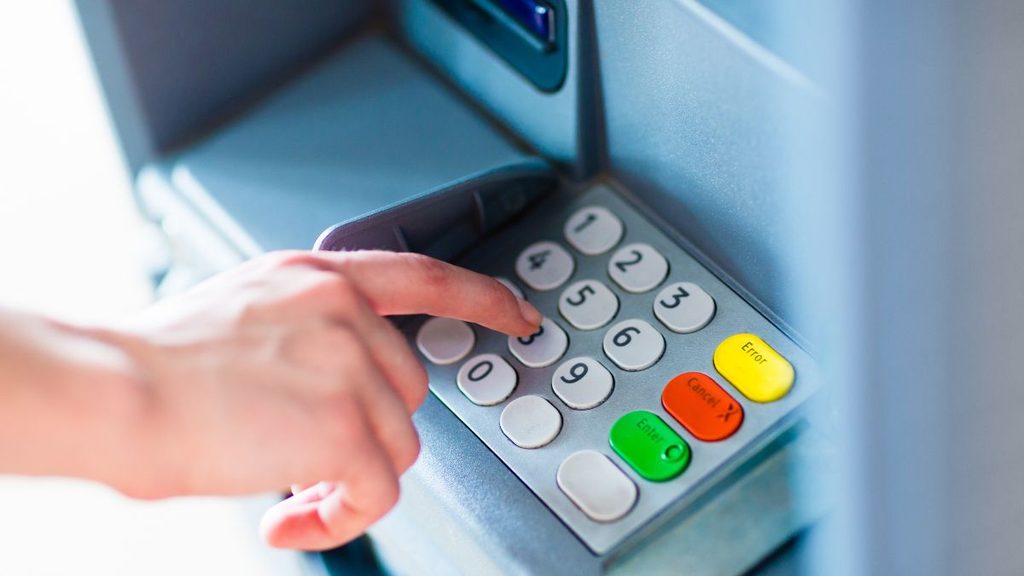
A device placed over an ATM card slot can copy card information. A hidden camera or false keypad may record your PIN.
Another version starts with a helpful stranger. The person says your card is stuck or offers to show you the correct buttons. They watch your PIN, switch the card, or take it when you look away.
The State Department recommends using ATMs inside secure places such as banks, airports, hospitals, or government buildings.
Before inserting your card:
- Check whether the card slot moves.
- Look for a keypad that seems raised or loose.
- Cover the keypad while entering your PIN.
- Decline help from strangers.
- Keep your card in sight.
- Turn on bank alerts before the trip.
If the machine keeps your card, lock it through your bank app. Call the bank using a number from the app or the back of another card.
7. Catch the Currency Exchange and Wrong Change Trick
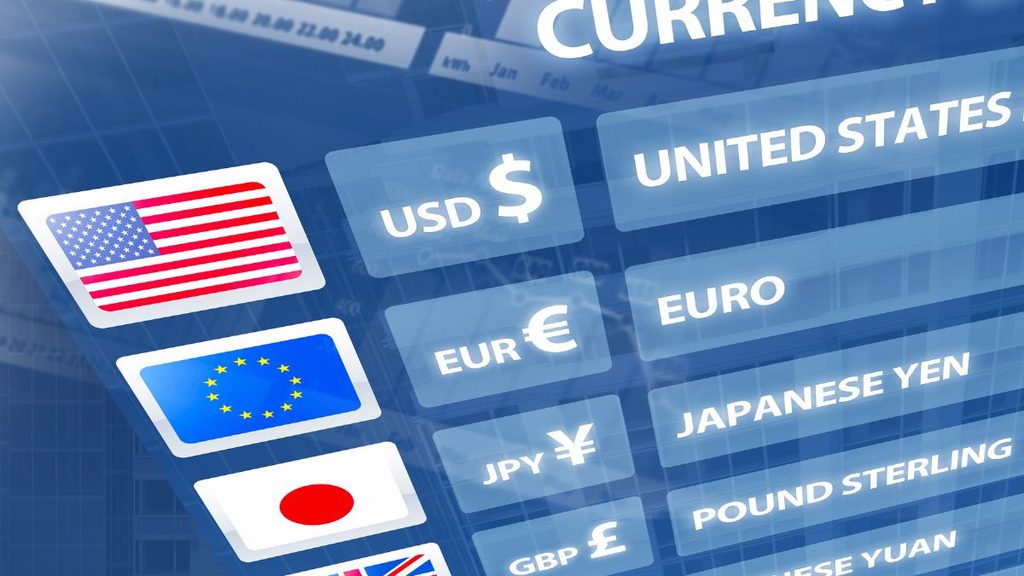
A dishonest cashier or money changer may count bills very quickly. They may fold notes together, switch a high value bill for a smaller one, or claim you gave them less money.
Slow the exchange down.
State the amount as you hand it over. Keep the bill visible until the cashier confirms its value. Count your change before leaving the counter.
Use a bank, hotel, or licensed exchange office when possible. Check the normal bank rate before accepting an exchange.
A poor rate is not always a scam. Airports and hotels may simply charge more. It becomes dishonest when someone hides the rate, changes the amount, or lies about the bills you supplied.
Avoid carrying large amounts of cash. Divide your spending money between two secure places.
| Money risk | Safer choice | Extra protection |
|---|---|---|
| Airport taxi | Official taxi desk or known ride app | Follow the route on your phone |
| Cash withdrawal | ATM inside a bank | Cover your PIN |
| Currency exchange | Bank or licensed exchange office | Confirm the rate first |
| Card payment | Keep the card in sight | Turn on purchase alerts |
| Lost card | Lock it through the bank app | Call the issuer at once |
8. Handle a Fake Police Officer Safely
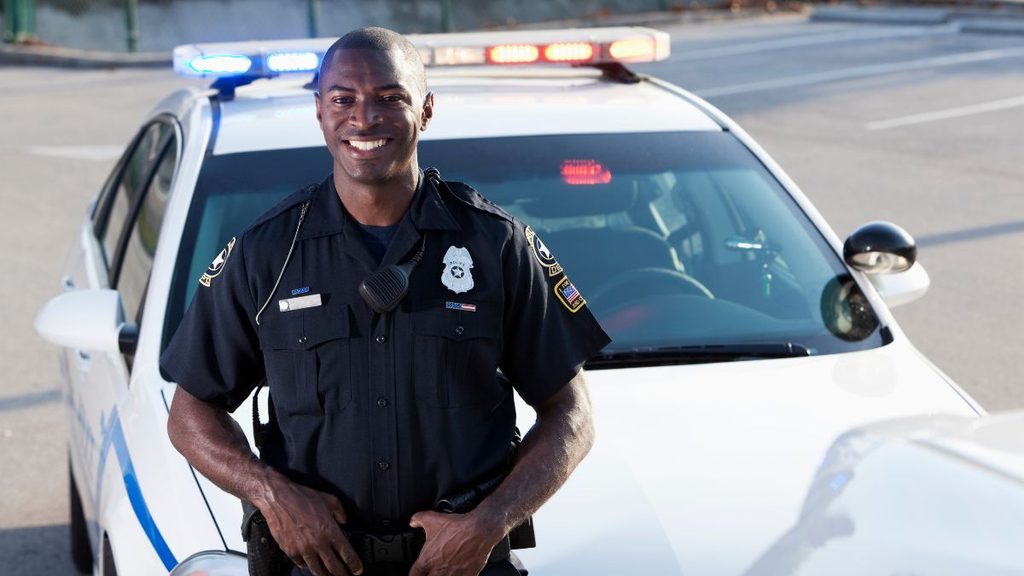
A person who appears to be an officer may claim that your passport, cash, or bank card must be checked. An accomplice may accuse you of breaking a local law.
The fake officer then asks for your wallet, PIN, passport, or an immediate cash fine.
Stay calm. Do not argue or make sudden movements.
Ask to see official identification. Say that you will cooperate at the nearest police station or with help from your embassy.
Do not hand over your PIN. Do not get into an unmarked car unless you have confirmed that the person is a real officer.
The State Department warns about police impostors in certain destinations. It also describes scams in which two people accuse a traveler of theft and threaten to call police unless the traveler pays.
Learn the local emergency number before leaving your hotel. Save the number in your phone and keep a paper copy in your bag.
9. Walk Away From Distraction Theft
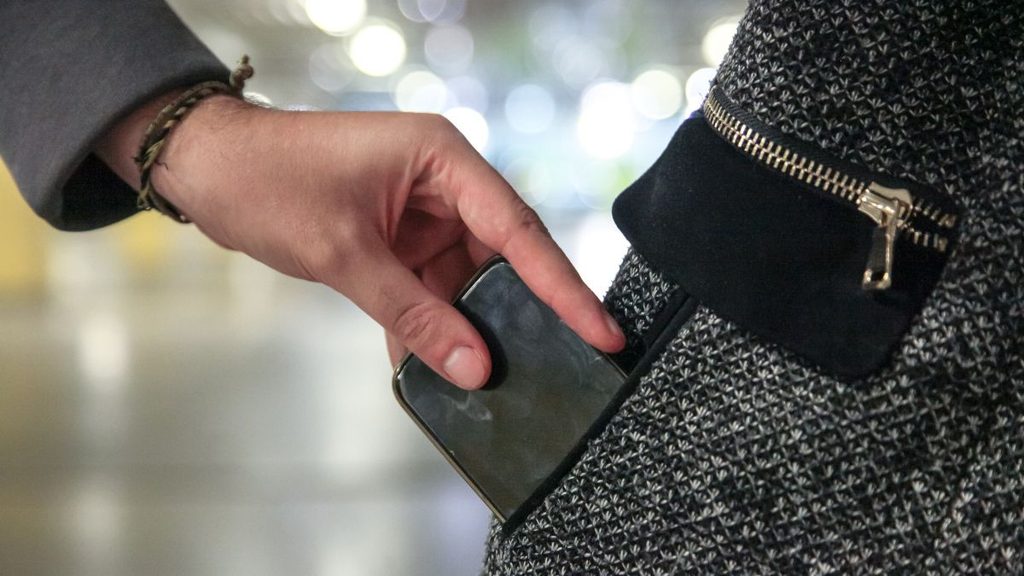
Someone spills a drink on your coat. A stranger ties a bracelet around your wrist. A person asks you to sign a petition. Another person starts an argument nearby.
While you look at the first person, an accomplice reaches into your bag or pocket.
The State Department advises travelers in Morocco to be careful around overly friendly strangers who may be creating distractions for theft. It also warns about pickpockets in markets, on public transport, and near tourist sites.
Keep your bag closed and in front of your body. Do not place your phone or wallet on a café table.
If something is spilled on you, step into a hotel, restaurant, or shop before cleaning it. Check your belongings in a safer place.
A firm “no, thank you” is enough. You do not owe a stranger a long answer.
10. Check Claims That an Attraction Is Closed

You are walking to a museum, temple, market, or historic site when a friendly person says it is closed. They offer to take you somewhere better.
The new stop may be a shop, an unofficial tour, or a room where you face sales pressure. The original attraction may have been open the whole time.
Check the attraction’s official hours yourself. You can also ask a uniformed worker at the entrance.
Stay on your planned route until you confirm the claim. If you want a guide, book through the attraction, your hotel, or an official tourism office.
Some real attractions close for ceremonies, repairs, or local events. The warning sign is a stranger who quickly pushes you to visit one specific business.
11. Leave a Restaurant or Bar Setup Before Ordering

A friendly stranger starts a conversation and suggests a nearby café, bar, or restaurant. Once you order, the person disappears. You receive a bill far higher than expected.
The State Department describes this setup in its international scam guidance. It warns that some places use menus with hard to read prices or pressure customers to pay an extreme bill.
Choose the venue yourself. Read the menu and prices before ordering. Ask about cover charges and minimum spending rules.
Never leave your drink unattended. Do not accept an open drink from a stranger.
If staff threaten you, focus on personal safety. Contact local police after you reach a safe place. Report a dishonest card charge to your issuer as soon as possible.
12. Never Watch a Stranger’s Bag or Join a Street Game
A stranger asks you to watch a bag. They return with someone posing as an officer and claim that the bag contains illegal items. You are told to pay to avoid arrest.
Another setup begins with a wallet or cash on the ground. Scammers accuse you of taking it and demand to inspect your money.
Rigged shell and card games use a different story. People in the crowd pretend to win so you will place a larger bet.
The State Department describes all three schemes in its official scam guidance.
The safe response is simple:
- Do not touch money or a wallet on the ground.
- Do not watch luggage for a stranger.
- Do not place a bet on a street game.
- Leave if someone creates pressure or blocks your path.
If an unattended bag seems dangerous, tell a real employee or officer from a safe distance.
| Street scam | How it gets your attention | What the partner may do |
|---|---|---|
| Spill or stain | Someone offers to clean your clothing | Take your wallet or phone |
| Bracelet or gift | A person places an item in your hand | Demand payment or search your bag |
| Fake petition | You are asked to read or sign a page | Reach into your pocket |
| Wallet drop | You are shown cash on the ground | Accuse you of theft |
| Street game | Other players appear to win | Take your bet or steal from the crowd |
| Bag watching | A stranger leaves a bag with you | Pose as police and demand money |
13. End a Timeshare Call That Demands Money

Timeshare scams are among the clearest examples of fraud that targets older Americans.
A caller may claim to have a buyer for your timeshare. Another may offer to rent it, cancel the contract, or recover money lost in an earlier scam.
Then comes the fee. It may be described as a tax, legal cost, transfer fee, or government payment.
The FBI says these schemes have disproportionately affected older Americans. In a 2024 warning, the FBI said more than 6,000 victims had reported over $300 million in timeshare fraud losses during the prior five years.
The threat remains active. In August 2025, the U.S. Treasury sanctioned four people and 13 companies linked to a timeshare fraud network in Mexico. Treasury took further action against a resort and related parties in 2026.
Protect yourself:
- Do not pay an unexpected caller.
- Do not send a power of attorney form by email.
- Do not use the lawyer or payment service chosen by the caller.
- Check the company through information you find yourself.
- Ask your resort about any supposed buyer or account issue.
Be careful after reporting a loss. A second scammer may pose as a lawyer, police officer, or government worker. They promise to recover your money for another advance fee.
Use This 5 Step Check Before You Pay
Most common tourist scams use fear, hurry, or an unusually good offer.
Use this check whenever someone requests money or private information.
- Stop. Do not let a deadline force your choice.
- Verify. Contact the airline, hotel, bank, or government office through an official site, app, or saved number.
- Ask someone you trust. A travel partner or family member may spot a warning sign that is hard to see under pressure.
- Check the payment method. The Federal Trade Commission says demands for gift cards, wire transfers, or cryptocurrency are common scam signs.
- Save the evidence. Keep messages, receipts, phone numbers, web addresses, and screenshots.
You can also create a family payment rule before the trip. Any unexpected payment above an amount you choose must wait until two people have checked it.
This rule is useful for travelers of every age.
Act Fast If a Travel Scammer Gets Your Money
Do not hide the loss because you feel embarrassed. Scams are built to create convincing fear and pressure.
Take these steps as soon as you are safe:
- Contact your card issuer, bank, payment app, gift card company, or wire service. Ask whether the payment can be stopped or reversed.
- Lock any exposed cards. Check your account for purchases or withdrawals you do not recognize.
- Change passwords for affected accounts. Turn on two step verification where it is available.
- Report stolen identity information through the federal IdentityTheft.gov service.
- Report online fraud through the FBI Internet Crime Complaint Center.
- File a report with the Federal Trade Commission through ReportFraud.ftc.gov.
- Report local crimes to police. Ask for a copy of the report for your bank or travel insurer.
- If you are outside the United States, contact the nearest U.S. embassy or consulate.
- Call the AARP Fraud Watch Network Helpline at 877 908 3360 if you need support.
| What happened | First call or action | What to save |
|---|---|---|
| Card was lost or copied | Lock the card and call the issuer | Receipts and account alerts |
| Money was wired | Contact the bank and wire service | Transfer number and messages |
| Password was shared | Change it and secure the account | Login alerts and emails |
| Passport was stolen | Contact local police and your embassy | Police report and passport copy |
| Fake rental was booked | Contact the platform and card issuer | Listing, messages, and payment record |
| Online fraud occurred | Report it to the FTC and FBI | Web address and screenshots |
Move quickly, but stay alert. Someone who promises to recover your money for a fee may be another scammer.