

You may have already found the place. The weather looks good. Rent seems manageable. You can picture yourself spending mornings at a cafe instead of clearing snow from the driveway.
Then comes the harder question. Can you legally live there year after year on the income you will have in retirement?
That is where many retirement plans start to change.
Some countries want proof of a lifelong pension. Others accept investment income or savings. A few require tens of thousands of dollars in a local bank. Some let you stay for years without working, while others have strict rules about employment.
What Does “Retirement Visa” Actually Mean?
Countries do not use one common name for these programs.
Some have a true pensionado or retirement visa. Others offer residence permits for people who receive pensions, passive income, or enough money to support themselves without local employment.
This guide uses “retirement visa” as a simple umbrella term. I will point out when a program is technically a different type of residence permit.
That distinction matters. A route based on a lifelong pension can be perfect if most of your income comes from Social Security. It may be useless if you are retiring early with investment accounts but no pension yet.
The reverse can also happen. A self funded residence permit may accept savings that a pension visa will not.
So look beyond the country name. Look at what type of money the immigration office wants to see.
1. Panama Makes a Lifetime Pension the Main Test
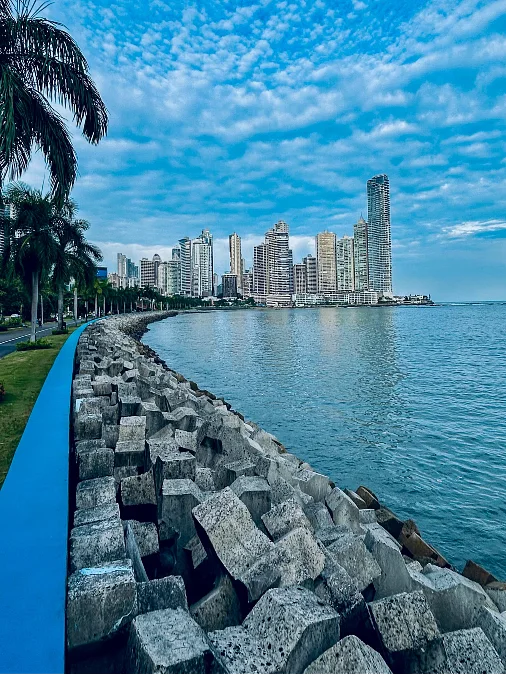
Panama has one of the clearest pension based residence programs on this list.
Its Servicio Nacional de Migración says the Jubilado Pensionado route is available to foreigners receiving a lifelong retirement payment or pension from a foreign government, international organization, or private company.
The required pension cannot be less than B/.1,000 per month. Panama’s balboa is used at parity with the U.S. dollar, making the requirement easy for American retirees to compare with their monthly benefits.
That can make Panama especially interesting if Social Security or another guaranteed pension already covers the requirement.
But pay attention to the word lifelong. A large brokerage account is not automatically the same thing as a qualifying pension.
Applicants also need items such as a criminal background certificate, health certificate, passport documents, and proof of pension status.
Best fit: Retirees with dependable lifetime pension income who want a dedicated pension residence route.
2. Costa Rica Keeps Its Pensionado Rule Fairly Simple

Costa Rica gives retirees a separate pensionado residence category rather than forcing them into a general investor program.
Under Costa Rica’s immigration law, a pensionado must show a permanent and stable pension from abroad of at least USD 1,000 per month.
That relatively direct rule is one reason the program attracts retirees who live mainly on Social Security or a traditional pension.
Costa Rica also has a rentista category for people supported by other reliable income. That route has a higher financial requirement, so it should not be confused with the pensionado option.
The bigger lesson is simple. If you qualify through pension income, use the program designed for pensioners rather than assuming every foreign income route works the same way.
Best fit: Someone with at least USD 1,000 in stable monthly pension income who wants a residence route built specifically for retirees.
3. Belize Lets You Qualify From Age 40
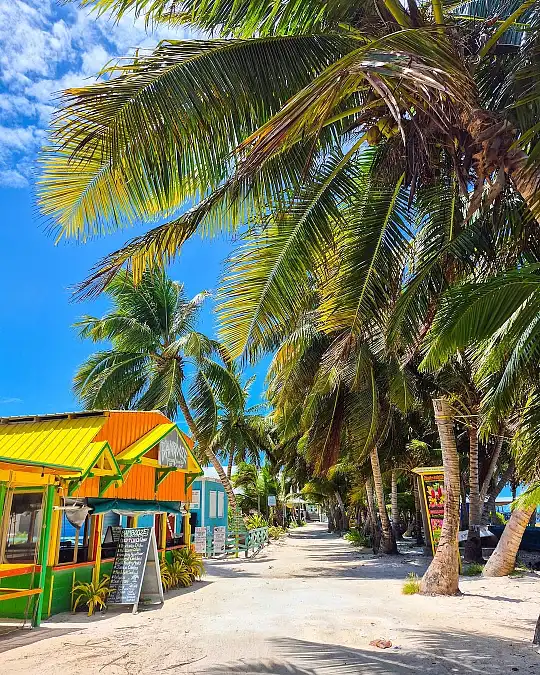
Belize takes a different approach.
Its Qualified Retirement Program, or QRP, begins at age 40. That is much younger than the age requirement attached to many retirement programs.
The Belize Tourism Board currently requires retirement income of at least USD 2,000 per month or USD 24,000 per year from outside Belize. The approved income sources can include pensions, Social Security benefits, annuities, investment accounts, savings, retirement plans, and several other sources.
That flexibility can help Americans who stop working before their traditional pension or Social Security begins.
There is another unusual feature. QRP members need to spend at least 30 consecutive days in Belize each year. The QRP resident card is renewed annually.
This makes Belize worth a look if you want a retirement base without spending nearly the entire year there.
Best fit: Early retirees with at least USD 24,000 a year in qualifying foreign income who value a low annual presence requirement.
4. Nicaragua Has Two Useful Income Routes

Nicaragua separates retirees from people living on other stable foreign income.
Its National Assembly defines a Residente Pensionado as someone receiving at least USD 1,000 per month from a pension or retirement benefit.
The Residente Rentista category instead requires at least USD 1,250 per month in stable income generated abroad.
That difference is useful.
A retiree whose money comes from a formal pension may qualify at the lower figure. Someone living mainly from qualifying rental or investment income may need the rentista route instead.
The law describes these categories for people who want to reside permanently in Nicaragua. That makes the program more than a way to stretch a tourist stay.
Before applying, confirm document, presence, and renewal requirements with Nicaragua’s immigration authority because administrative procedures can change even when the underlying law stays the same.
Best fit: Retirees looking for a relatively low income threshold and a residence path based on pension or stable foreign income.
5. The Dominican Republic Has a Dedicated Pension Route

The Dominican Republic is often discussed as a vacation destination. Its pension residence option gets less attention.
The country’s Dirección General de Migración offers a residence category for foreign retirees and pensioners who want to establish residence in the country.
The main applicant must receive a foreign pension of at least USD 1,500 per month from a government, official body, or private company. The initial residence period listed by the immigration authority is one year.
That makes the financial rule easy to compare with Social Security, military retirement, teacher pensions, and private pensions.
The one year initial period does mean you need to pay attention to renewals rather than treating approval as the end of the process.
Best fit: Retirees with a formal pension of at least USD 1,500 a month who want Caribbean living with a dedicated legal residence category.
6. Colombia Ties Its Pension Visa to the Minimum Wage
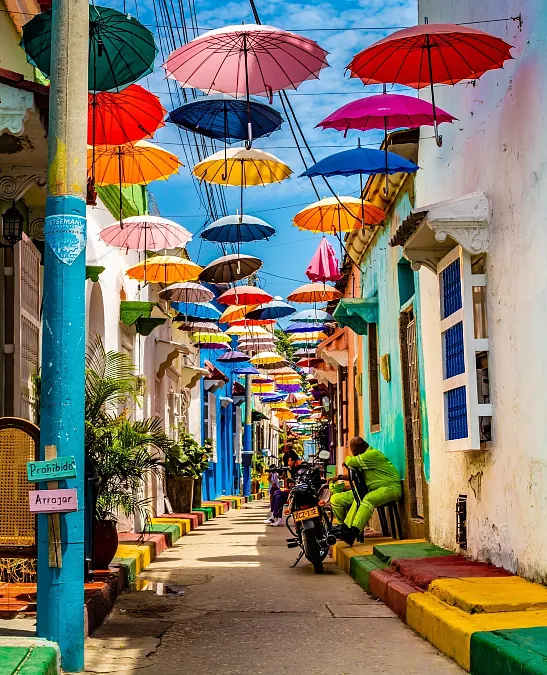
Colombia does not use a fixed dollar figure for its M Pensionado visa.
Instead, Colombia’s Cancillería requires a lifelong monthly pension worth at least three Colombian monthly minimum wages. Applicants also need health coverage and supporting pension documents.
For 2026, Colombia’s current transitory monthly minimum wage is COP 1,750,905. That makes three minimum wages COP 5,252,715 per month.
There is one reason to check that figure again before applying. The 2026 wage amount was issued under a temporary decree while a court case proceeds.
The pensionado visa has another benefit. Colombia says time as an M Pensionado visa holder can count toward eligibility for a Resident Visa after the required five year period.
Best fit: Retirees with a solid pension who may want Colombia to become a longer term home rather than a seasonal stop.
7. Ecuador Has a Specific Jubilado Residence Category

Ecuador is another country where retirees have their own immigration category.
The Ministry of Foreign Affairs lists Jubilado, or retiree, among its temporary residence visa categories. It also has a separate Rentista category for people supported by other qualifying income.
For the retiree route, the key idea is that your source of support is a pension from a foreign public or private institution.
That makes it different from programs that mainly care about your bank balance.
Ecuador’s temporary residence structure can generally provide a legal base for a longer stay rather than relying on repeated tourist admissions.
I would still verify the current pension amount directly with the Ecuadorian consulate handling your application before making financial plans. Government financial formulas and administrative rules are more likely to change than the name of the visa category.
Best fit: Pension supported retirees who like Ecuador but want a formal residence status rather than living around tourist stay limits.
8. Mexico Can Work Without a Visa Called “Retirement Visa”
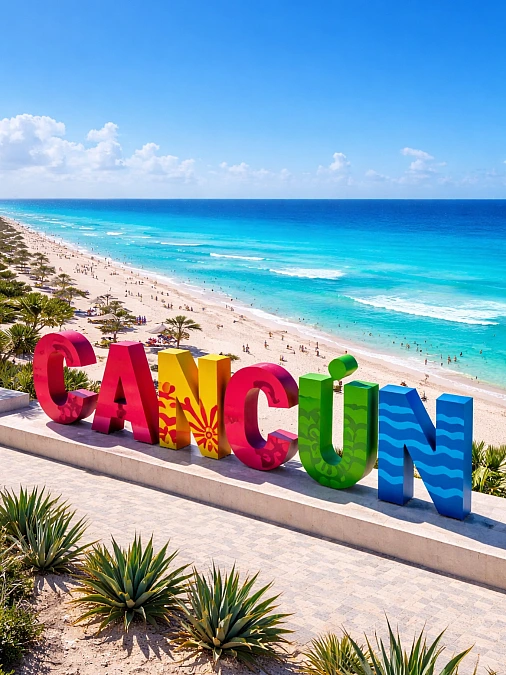
Mexico is a good example of why you should search beyond programs with “retirement” in the title.
Its Temporary Resident Visa can cover stays longer than 180 days and up to four years. Pension income is one accepted way to show economic solvency.
The federal application rules include an income option based on 680 days of Mexico’s UMA during the required proof period.
INEGI set the 2026 daily UMA at MXN 117.31 from February 1, 2026. Multiplying that figure by 680 gives about MXN 79,770.80.
But do not convert that number into dollars once and assume every consulate will quote the same U.S. dollar threshold. Exchange rates and consular instructions can produce different dollar figures.
Mexico’s own government tells applicants to check the consular office where they will file.
Best fit: Retirees who want Mexico but prefer a general residence route that can use pension income or other qualifying financial evidence.
9. Portugal Has a Visa for Retirees and People With Their Own Income

Portugal’s government has a residence visa specifically for retirees and people living on their own income. This is the route commonly discussed as the D7.
Portugal measures basic means of support using its minimum wage framework.
AIMA says the reference is 100 percent of the minimum wage for the first adult, 50 percent for another adult, and 30 percent for a dependent child.
Portugal’s 2026 minimum monthly wage is €920.
That gives you a useful starting point when checking affordability, though a successful application involves more than hitting one number. Consular officers also review proof that the income is stable and available.
Portugal’s official service page says applications are made through the relevant Portuguese consular office.
Best fit: Retirees with recurring pension or passive income who want European residence without using an investment residence program.
10. Spain Works Best if You Truly Plan Not to Work

Spain’s Non Working Residence Visa is widely suited to retirees because it is built for people who can support themselves without employment.
For 2026, Spain’s Ministry of Foreign Affairs says the applicant needs resources equal to 400 percent of IPREM, which is €2,400 per month. Each dependent adds another €600 per month.
For U.S. retirees, the Houston consulate currently describes the annual requirement as approximately USD 33,400 for the main applicant, plus about USD 8,330 for each family member.
Retirees can document Social Security and public or private retirement benefits. Spain also requires qualifying health insurance.
There is an important catch. The visa is meant for residence without work. Spain’s Washington consular instructions explicitly include a commitment not to perform paid work, including remote online work.
Best fit: Fully retired applicants with enough recurring income who do not need employment or remote work.
11. Italy’s Elective Residence Visa Rewards Strong Passive Income

Italy does not call its program a retirement visa.
Its Elective Residence Visa is meant for people who have steady resources and plan to live in Italy without working.
Italy’s Ministry of Foreign Affairs says acceptable resources can include pension or annuity income, property income, and other stable financial resources. Employment income cannot be used to fund the stay because the visa does not permit work.
Applicants also need proof of accommodation in Italy.
Unlike a program built around one simple nationwide pension figure, Italian consulates look at the strength and stability of the applicant’s finances. The Italian Consulate in New York says family applications generally need sufficient resources for each person and describes roughly €31,000 per applicant as a typical level in its local guidance.
That means this route is better for someone with comfortable passive income than someone trying to qualify at the lowest possible threshold.
Best fit: Retirees with strong pensions, annuities, or investment income who want to live in Italy without working.
12. Malta Combines Retirement Residence With Extra Financial Rules

Malta deserves attention, but its setup is less simple than a basic pensionado visa.
Identità says the Malta Retirement Programme is available to qualifying EU and non EU nationals who are not in an employment relationship and receive a pension as their regular source of income.
For Americans, residence on an economically self sufficient basis is linked to approved residence, investment, or tax programs such as the Malta Retirement Programme. Identità currently charges €100 for new and renewal applications under the relevant residence permit process.
This is where tax planning becomes especially important.
Malta’s program connects residence status with tax rules, qualifying property, pension income, and health coverage. It is not the kind of application where you should look at one income number and stop reading.
For the right retiree, that structure can still be attractive. It simply needs more professional tax review than several of the simpler pension programs in this article.
Best fit: Retirees who want Malta specifically and are comfortable planning residence and taxation together.
13. Thailand Has a Clear Retirement Option From Age 50
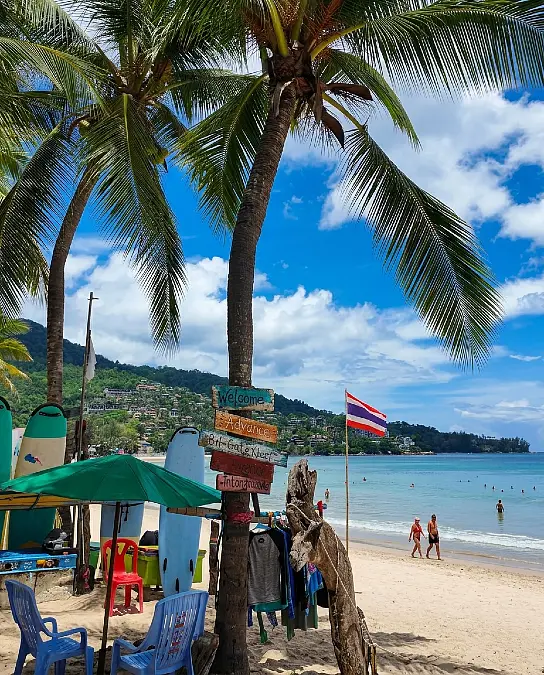
Thailand remains one of the clearest Asian options for retirees.
The Royal Thai Ministry of Foreign Affairs lists a retirement route for people age 50 or older who want to stay without working.
Current financial evidence can include monthly income of at least THB 65,000 or a bank balance of at least THB 800,000, depending on the retirement visa route being used.
Thailand has several retirement related visa and extension formats, so do not assume every rule you find online applies to the exact application you need.
For example, a Non Immigrant O retirement visa may begin with a shorter entry period, while other retirement arrangements can support longer residence after the required immigration steps.
Insurance and document rules can also depend on the visa type and consular post.
Best fit: Retirees age 50 or older with reliable income or enough cash to meet Thailand’s financial test.
14. The Philippines Gives Retirees an Unusual Long Stay Option
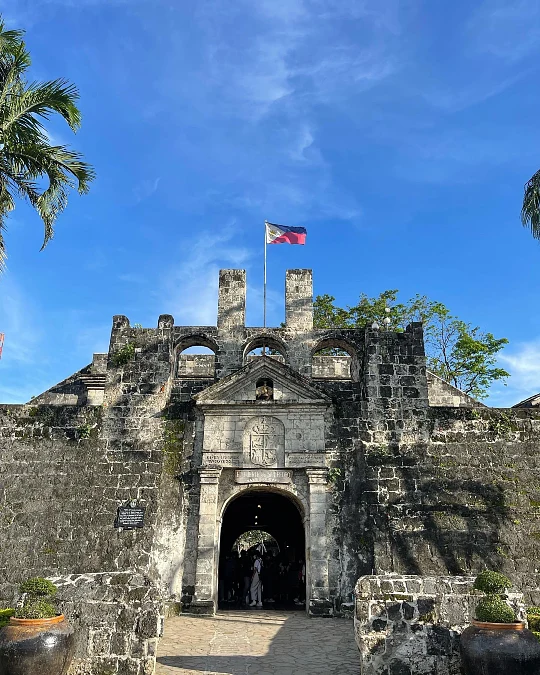
The Philippines has one of the more distinctive programs on this list.
The Philippine Retirement Authority’s Special Resident Retiree’s Visa, or SRRV, provides a retirement residence route built around a required visa deposit.
The PRA’s current program says principal applicants can qualify from age 40.
For the SRRV Classic, pensioners age 50 or older currently need a USD 15,000 visa deposit. A non pensioner in the same age group needs USD 30,000.
For applicants age 40 to 49, the amounts rise to USD 25,000 for pensioners and USD 50,000 for non pensioners. Pensioners must also show a lifetime pension of at least USD 800 monthly for a single applicant or USD 1,000 with dependents.
That deposit makes the Philippines very different from a country that simply checks monthly income.
Best fit: Retirees who want a long stay Asian base and are comfortable placing money into the required SRRV deposit.
15. Malaysia Makes More Sense if You Have Significant Capital
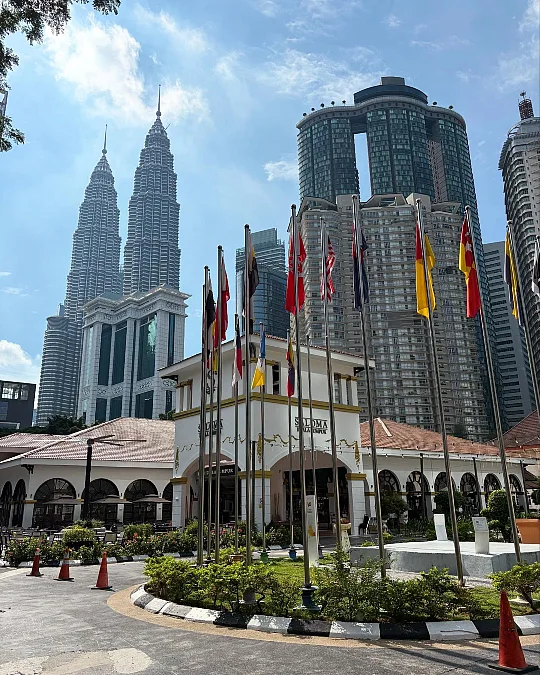
Malaysia’s Malaysia My Second Home, or MM2H, program is not strictly a retirement visa.
It is a renewable long stay program, and its current financial requirements make it more realistic for retirees with substantial savings.
Under the federal Silver category, the Ministry of Tourism currently requires a USD 150,000 fixed deposit. Participants must also purchase a qualifying home worth at least RM600,000.
The Silver pass has a five year renewable term.
One detail may appeal to older retirees. The current federal category table says participants age 50 or older have no minimum annual stay requirement.
That flexibility comes with a large upfront financial commitment, so Malaysia is a poor fit if your main goal is finding the lowest possible retirement visa threshold.
Best fit: Retirees with substantial liquid assets who want a flexible Malaysian residence base and are comfortable buying property.
16. Mauritius Offers a Ten Year Retirement Residence Permit
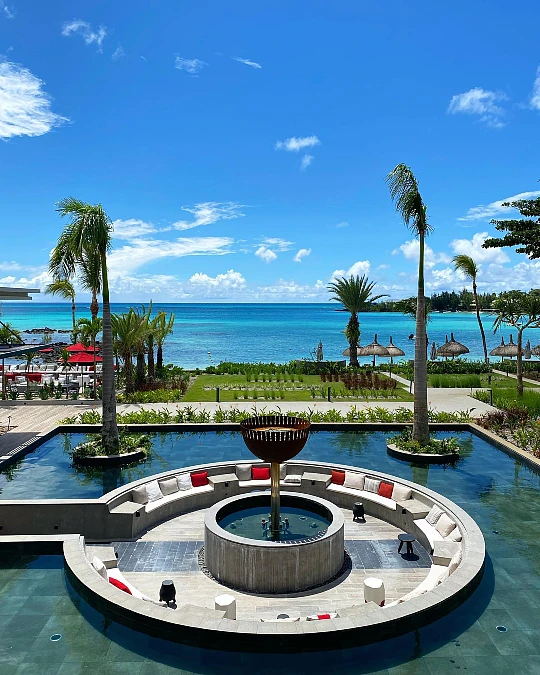
Mauritius has a dedicated Retired Non Citizen Residence Permit for applicants age 50 and older.
The current detailed Economic Development Board guidelines say the permit can last 10 years. They require an initial transfer of at least USD 2,000 into a local bank, followed by either USD 2,000 per month or USD 24,000 per year.
There is an important 2026 research warning here.
Another official Mauritius residence page still states USD 1,500 per month.
Because the government’s own pages currently conflict, do not build your application around the lower number. The detailed guidelines are the safer figure to plan around until the Economic Development Board confirms otherwise.
This is exactly why old retirement articles can cause expensive mistakes.
Best fit: Retirees age 50 or older who want a long permit and can comfortably meet the stricter current published financial figure.
17. South Africa Has a Retirement Visa With No Simple Age Test

South Africa’s Retired Person Visa works differently from programs that begin at age 50 or 60.
The Immigration Act focuses on financial ability through a pension, irrevocable annuity, retirement account, or qualifying net worth rather than setting the visa around one standard retirement age. The visa may be issued for seasonal or continuous residence for up to four years and can be renewed.
Current immigration guidance uses a prescribed financial requirement of about R37,000 per month.
There is another point to watch. South Africa has been discussing changes to its immigration system, including possible changes affecting retirement rules. Those proposals are not the same thing as current law.
So this is one country where checking the latest Home Affairs rules immediately before filing matters even more than usual.
Best fit: Financially independent retirees who want South Africa and can meet its pension or asset test.
How Do You Cut 17 Countries Down to Your Best 3?
Do not start by asking which country looks prettiest on YouTube.
Start with your money.
Write down exactly what your retirement income will look like. Separate Social Security, guaranteed pensions, annuities, IRA withdrawals, investment income, rental income, and cash savings.
Then compare each country against five questions:
- Does my type of income qualify? A USD 500,000 investment portfolio is valuable, but it does not automatically count as a lifelong pension.
- Do I want to keep working? Spain and Italy are poor choices under these specific residence routes if you expect to keep doing paid work.
- How much cash must stay tied up? Thailand, the Philippines, and especially Malaysia can require substantial deposits or assets.
- How often must I renew? A one year permit feels very different from a five year or ten year residence arrangement.
- What happens after several years? If permanent residence matters to you, check whether your years on the visa actually count toward it.
Then look at taxes, health insurance, estate planning, housing, and Medicare separately.
A cheap visa does not automatically mean a cheap retirement. And a high income requirement does not automatically make a program bad if you already meet it easily.
Your best shortlist is usually the three countries where the immigration rules fit the money you already have.