
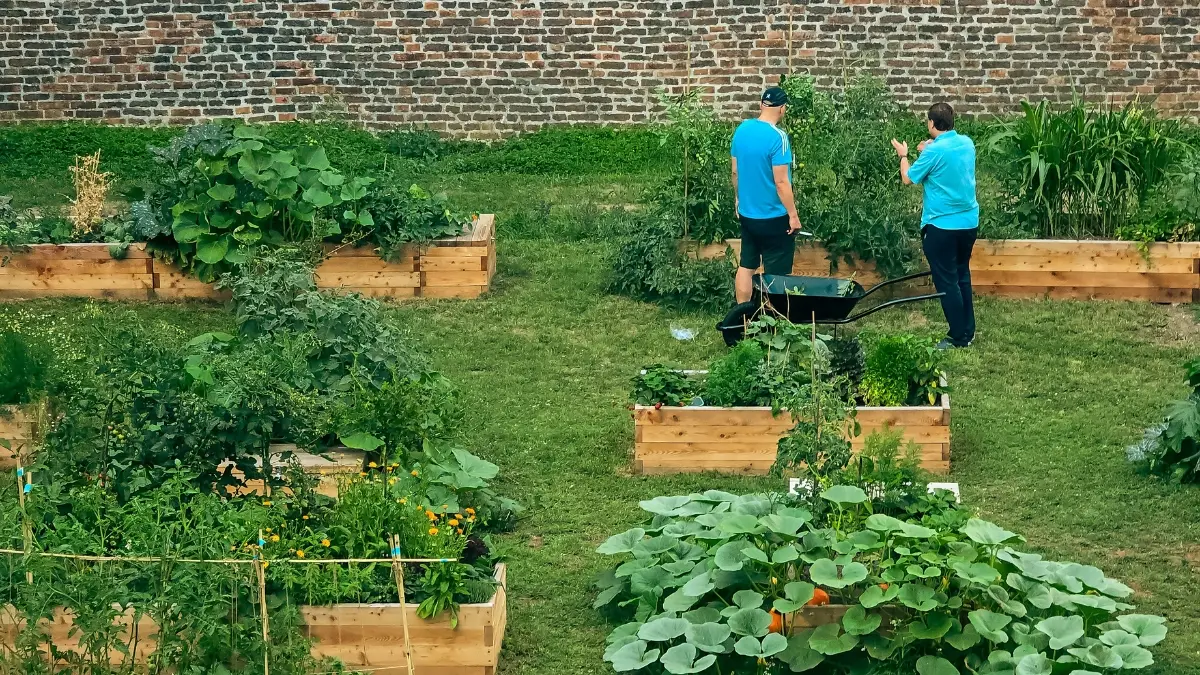
Going off-grid sounds simple when you are looking at it from a distance. Buy some cheap land. Put up solar panels. Drill a well. Grow food. Then watch most of your monthly bills disappear.
That picture leaves out a lot.
Some of the biggest off-grid living mistakes start before anyone moves onto the property. The land may need a road. The well may need a pump and treatment system. Solar needs storage. Wastewater needs a legal solution. Insurance may cost more than expected.
And here is why that matters. You are not simply removing utility companies from your life. You are taking over many of the jobs those companies used to handle.
Off-grid living can still work very well. It can bring privacy, control, and a strong sense of independence. But the numbers need to work first.
These 12 common beliefs can wreck an off-grid budget if you accept them without checking the facts.
I Lived Off-Grid for 3 Years — These 12 Lies Nearly Broke Me
1. Why Cheap Land Can Become Expensive Very Fast
The first trap often appears in the property listing.
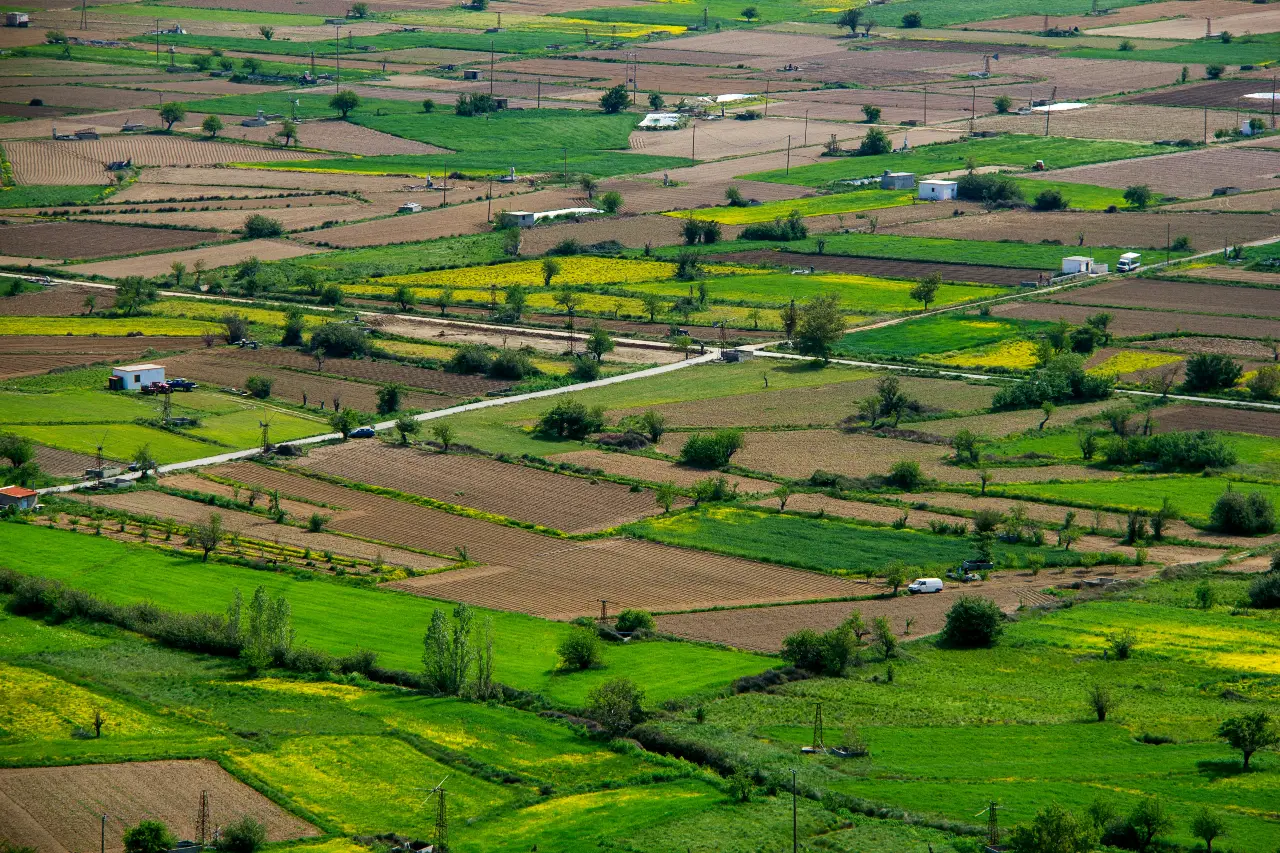
You see 10 or 20 acres at a price that would barely cover a down payment on a city home. It feels like you found the answer.
But the sale price tells you very little about the final cost.
Raw land may still need grading, driveway work, a well, wastewater service, solar equipment, battery storage, fencing, surveys, permits, propane, and fire protection.
Power alone can change the math.
EnergySage estimates that a full off-grid solar and storage system for an average-size house can cost $115,000 or more. It also says full off-grid power usually makes the most sense for remote homes or households that use relatively little electricity.
So a $30,000 parcel is not really a $30,000 housing project.
Before making an offer, find out what it would cost to create safe road access, water, wastewater service, electricity, and insurance.
Get actual local quotes.
Do this before falling in love with the view.
The cheapest property can become the most expensive choice if basic services are hard to build.
2. Why Solar Does Not Give You Unlimited Free Electricity
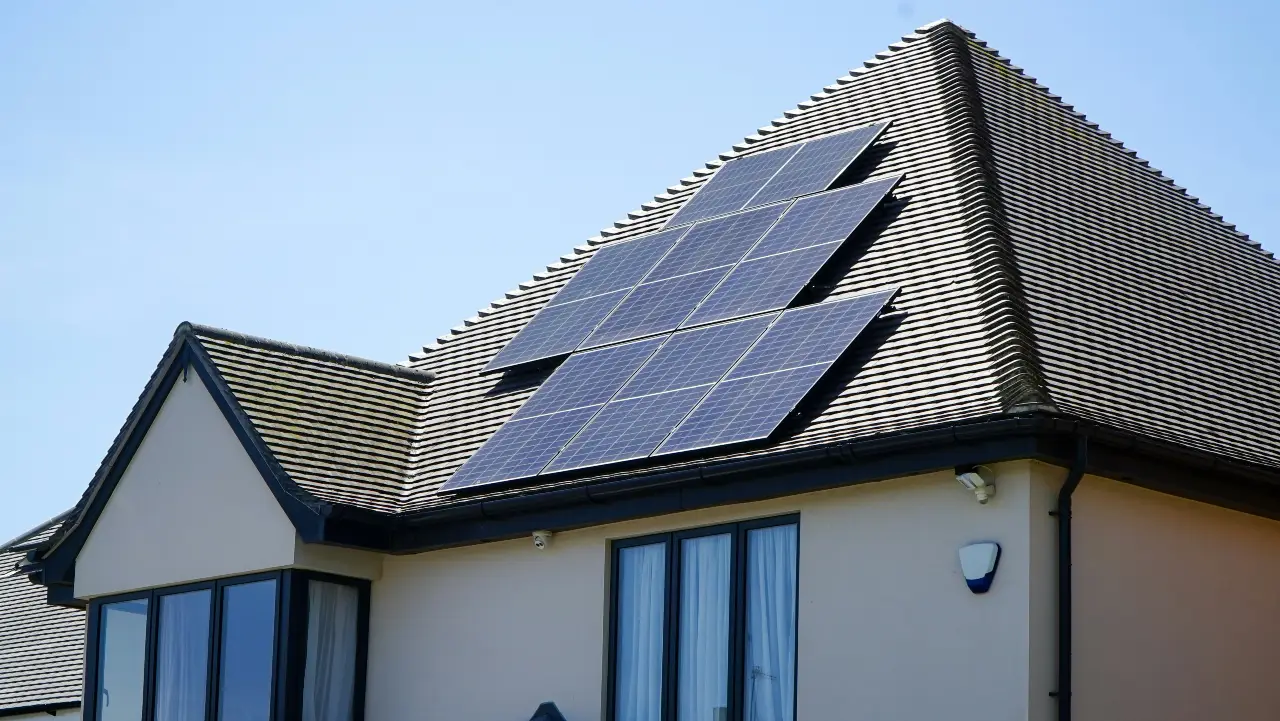
Sunshine may be free. The equipment that turns it into dependable electricity is not.
A working off-grid solar system can require panels, mounting equipment, an inverter, wiring, batteries, monitoring equipment, electrical protection, and backup power.
The bigger issue is timing.
A house may produce plenty of solar energy during a bright summer afternoon. That does not mean it can make enough electricity during several cloudy winter days.
Your system has to work during difficult months, not just good ones.
The National Renewable Energy Laboratory offers its PVWatts calculator for estimating solar production at a specific location. It can show monthly and hourly results. That gives you a much better picture than simply looking at how sunny an area feels.
Household energy habits matter too.
A home using electric heat, electric water heating, large air conditioners, and an electric range may require far more equipment than a very efficient small home.
That is why copying another person’s solar setup can be an expensive mistake.
Start with your expected electricity use.
Then estimate solar production for the actual property.
Your system should be built around your life, not somebody else’s YouTube setup.
3. Why One Battery May Run Out Much Faster Than You Think
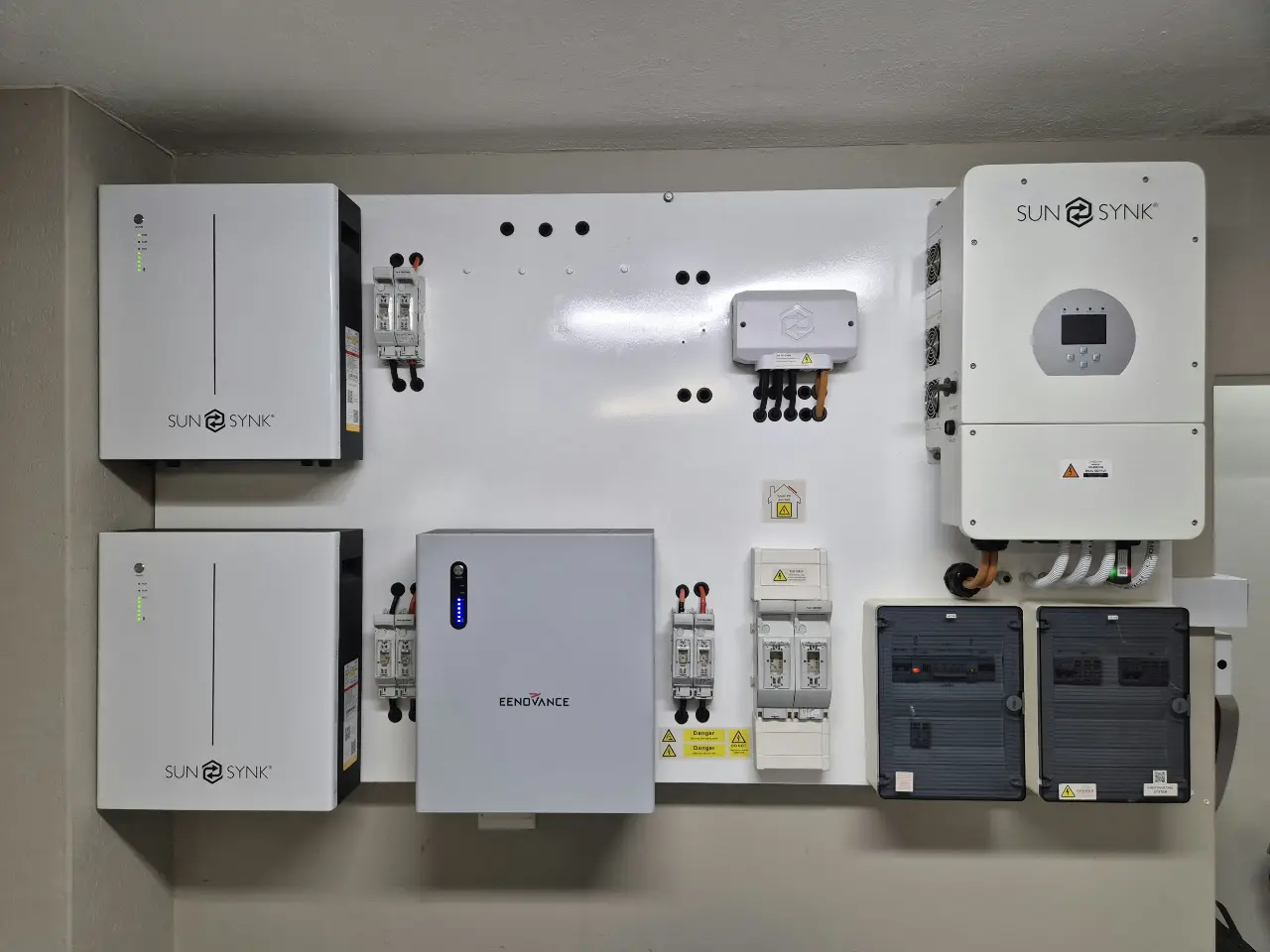
A battery that works during a short blackout is very different from one that must power an off-grid house every night.
EnergySage reported in July 2026 that a typical 13.5 kilowatt-hour home battery installation costs about $15,647 before available incentives. That amount of storage is meant mainly to keep important devices running during outages.
Now compare that with normal household use.
EIA data show that the average residential electricity customer used about 865 kilowatt-hours per month in 2024. That works out to roughly 28 kilowatt-hours per day.
That does not mean every off-grid home needs 28 kilowatt-hours each day. Many off-grid households cut their power use sharply.
But it shows why one battery should never be assumed to support a normal house for a full day.
Make a list of the loads that must stay on.
Start with the refrigerator, freezer, water pump, lights, internet equipment, heating controls, and any medical devices.
Then work out how many hours each one runs.
Also plan for cloudy weather.
Battery size should be based on real energy needs, not on dumb wattage batteries just to fit the budget.
4. Why Old Solar Tax Advice Can Ruin a 2026 Budget
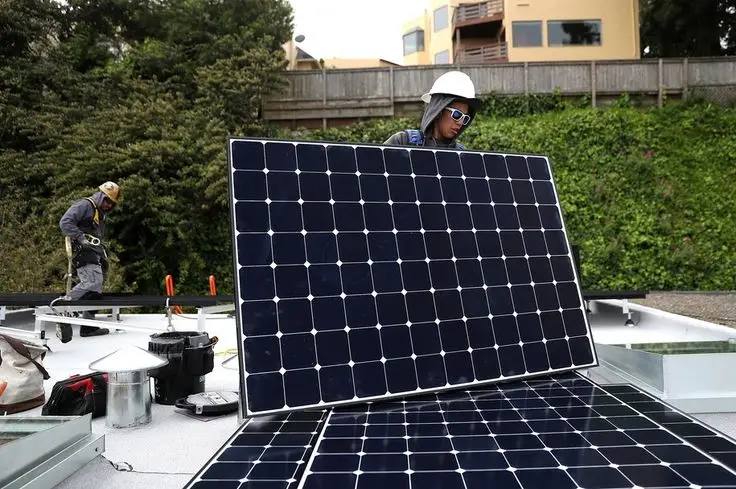
This is one of the easiest mistakes to make because older articles are still online.
Many guides tell homeowners to take the cost of a solar or battery system and subtract a 30 percent federal tax credit.
That advice changed.
Current IRS guidance says the Residential Clean Energy Credit covered qualified property installed from 2022 through December 31, 2025. The IRS says the credit is not available for property placed in service after that date.
That matters if you are building an off-grid budget in 2026.
Do not price a $40,000 system and assume the federal government will cut the real cost to $28,000.
Use the full price until you confirm a real incentive that applies to you.
State and local help may still exist.
DSIRE tracks renewable energy programs and incentives across the United States. Its database lets users check programs by location and technology.
Check your state.
Check your county.
Then confirm the rules with the agency running the program.
Build your budget around money you know you qualify for.
5. Why Well Water Is Neither Free Nor Automatically Safe
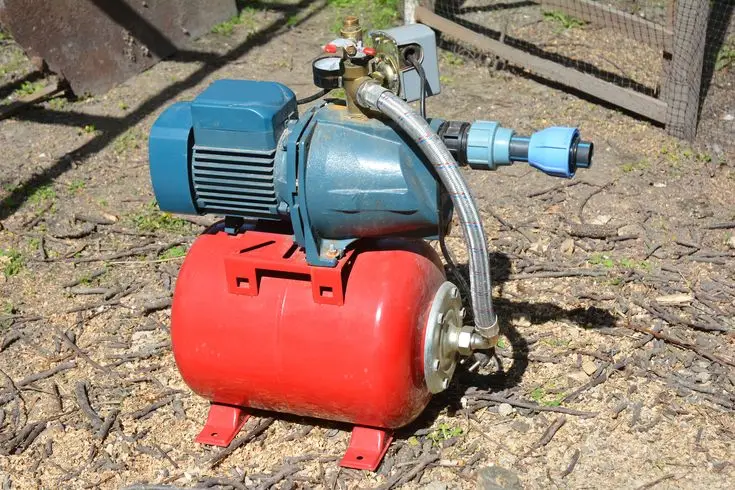
A private well can be a great water source.
But drilling the hole is only one part of the system.
You may also need a pump, pressure tank, electricity, storage, filters, treatment equipment, plumbing, testing, and future repairs.
Water quality matters even more.
EPA says more than 43 million Americans rely on private wells. It also reports that a USGS study of 2,100 private wells found about one in five had at least one contaminant above a health benchmark for drinking water.
That does not mean your future well will be unsafe.
It means you should test instead of guessing.
CDC says private well water should be tested at least once each year for total coliform bacteria, nitrates, total dissolved solids, and pH. Local health officials may suggest other tests based on nearby farms, industry, geology, or known contamination.
Before buying raw land, look for nearby well records.
Ask how deep nearby wells are.
Ask whether wells in the area ever run dry.
If a working well already exists, test it before depending on it.
Also decide what you will do if the pump fails.
A good water plan answers two questions.
Where will your water come from every day?
And where will it come from when something breaks?
6. Why a Composting Toilet Does Not Solve All Your Wastewater Problems
A composting toilet can reduce water use and deal with toilet waste.
It does not make the rest of your wastewater disappear.
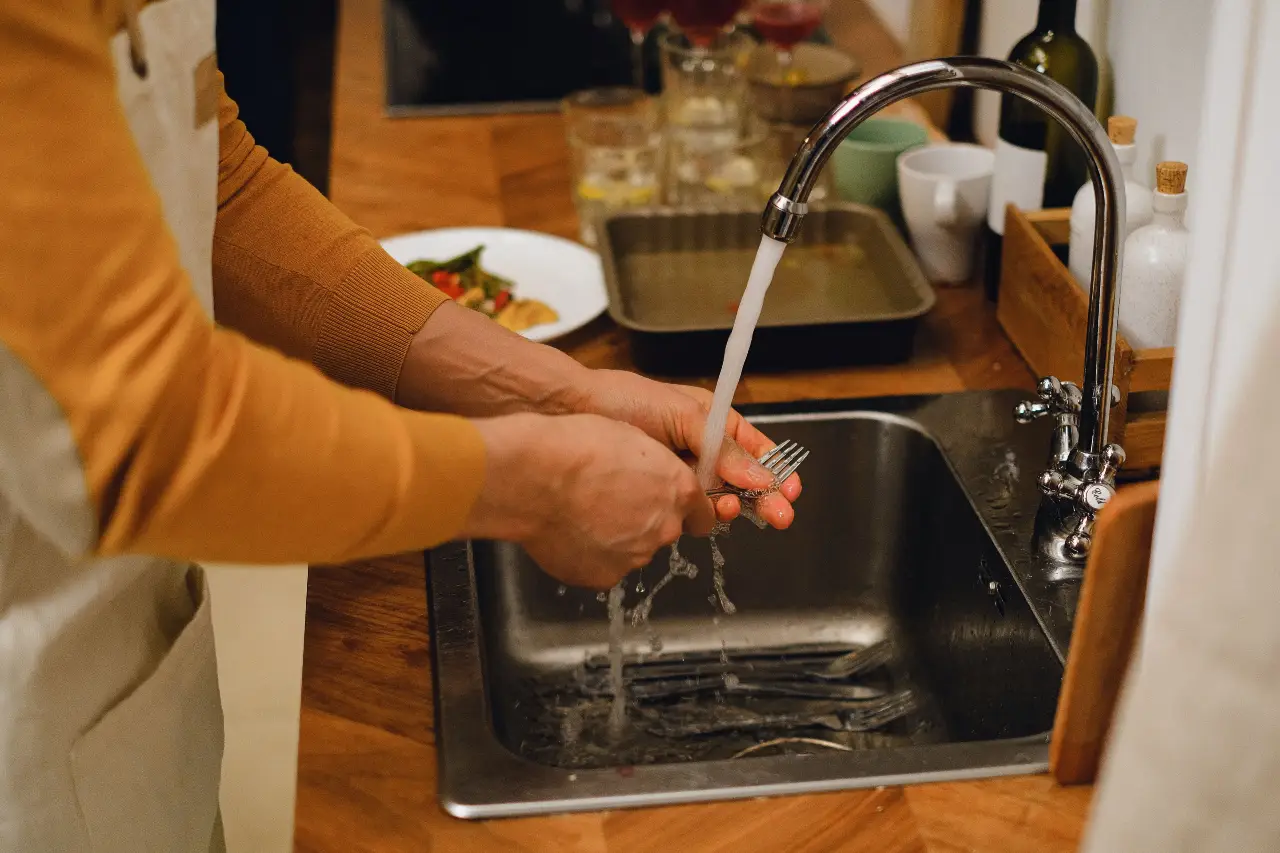
You still have water coming from showers, sinks, laundry, and the kitchen.
That water has to go somewhere legal and safe.
NSF says its ANSI Standard 41 applies to composting toilets and similar systems that treat waste without using liquid-saturated media as the main treatment method. Certification can help show that a unit meets performance standards.
But product certification is not the same as local approval.
Your county may have separate rules for wastewater, gray water, toilets, and permanent homes.
If your property needs a septic system, maintenance continues after installation.
EPA says septic systems should generally be inspected every one to three years and pumped every three to five years, depending on the system and household.
Maintenance is cheaper than failure.
EPA puts routine septic maintenance around $250 to $500 every three to five years, while repairing or replacing a failed conventional system can cost roughly $5,000 to $15,000.
Before buying land, ask the local health department what wastewater systems are legal for that parcel.
Get the answer before you build.
7. Why Owning Rural Land Does Not Mean You Can Build Anything
One of the most expensive beliefs is this:
It is my land, so I can do what I want.
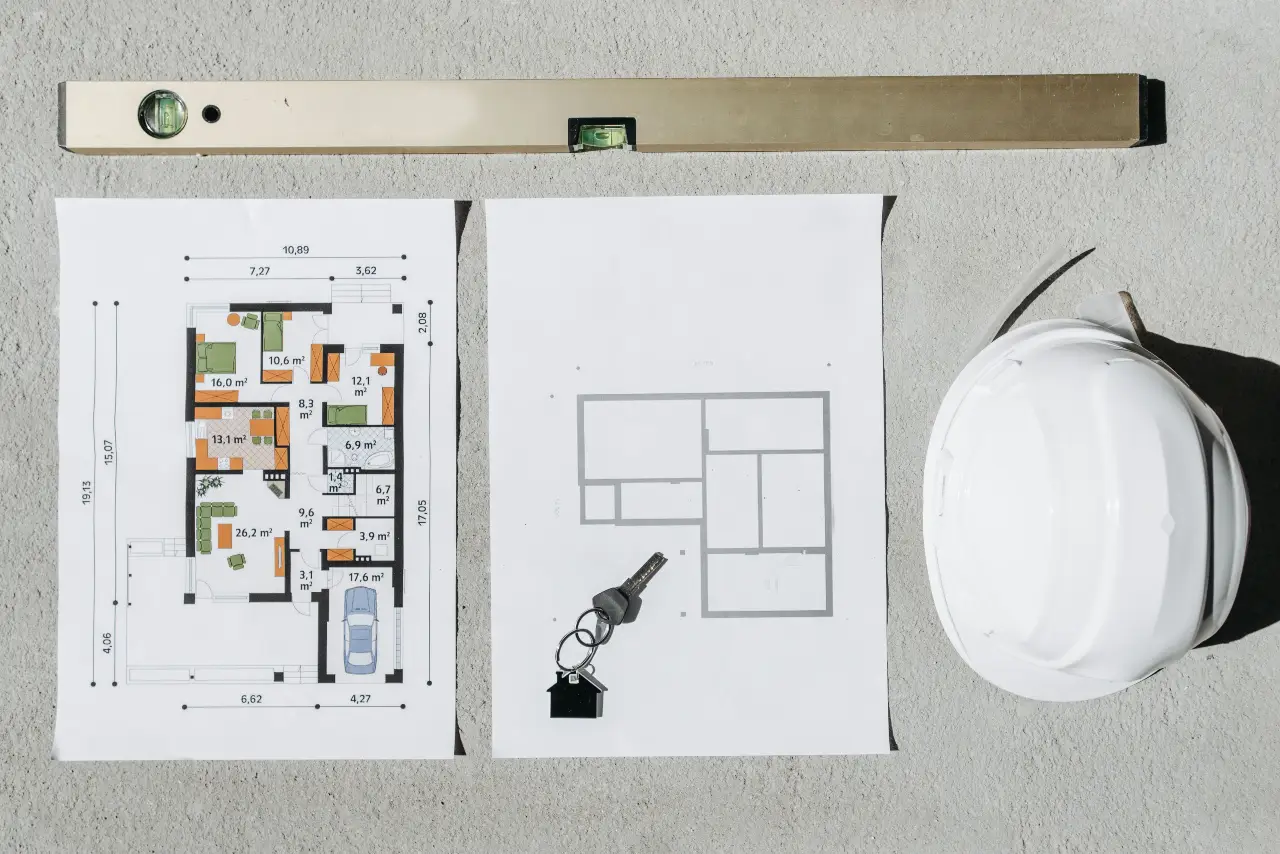
Property ownership does not erase building, health, fire, or land use rules.
Depending on the location, local rules may affect the type of home you build, setbacks, electrical work, wells, wastewater, driveway access, fire safety, RV use, and temporary living.
The International Code Council says its International Building Code is used or adopted across all 50 states, although local governments can change model codes when they adopt them.
That last part is important.
You cannot check one national website and assume you know your local rules.
Call the county planning office before closing.
Ask whether you can legally live on the parcel year-round.
Ask whether an RV can be occupied during construction.
Ask what kind of wastewater system is required.
Ask whether the solar work needs inspection.
Ask about driveway and emergency vehicle access.
Ask about minimum building rules.
Write down the name of the person you spoke with and save any written answer they provide.
Finding out that your dream cabin is not legal after buying the land is a very expensive way to learn about zoning.
8. Why Remote Internet Still Needs a Backup Plan
Remote work has made rural living much easier.
Satellite internet has helped too.
But the word available can hide a lot of details.
The FCC National Broadband Map shows internet service that providers report as available at specific locations. The FCC also says the map is updated as providers submit new information and people challenge incorrect data.
That means you should check the actual property address.
Do not rely on a county-wide coverage map.
Satellite service is another option. Starlink currently lists United States residential plans starting around $55 per month, with higher service levels around $85 and $130. Starlink also warns that maximum speeds are not guaranteed and can fall during congestion.
There is another issue that gets less attention.
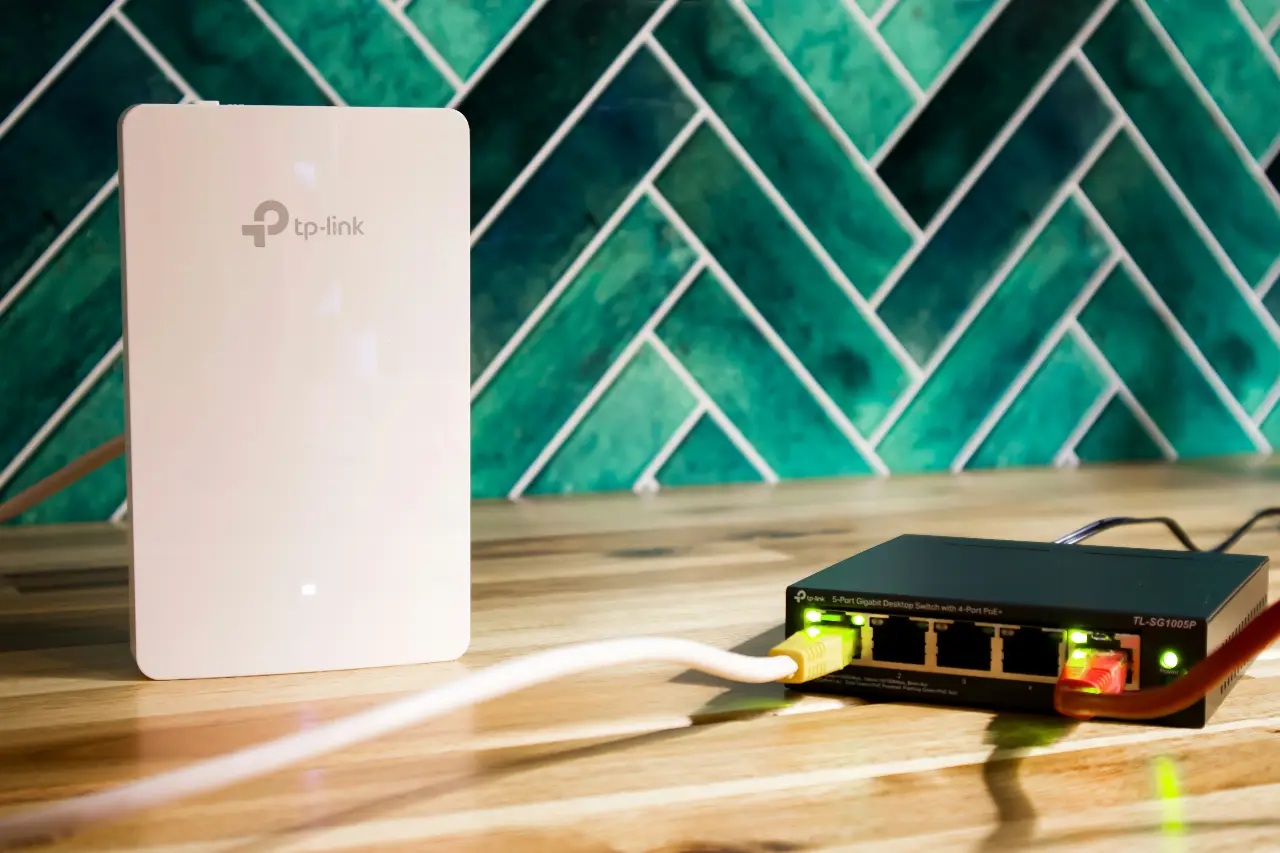
Internet equipment needs electricity.
If your battery system fails, you may lose electricity, ML-Bl, remote work seguflildlre, and part of your communication system at the same time.
Before moving, test cellular service on the property.
Check fixed broadband.
Check satellite service.
Then choose a backup.
Two imperfect internet options can be safer than depending on one perfect-looking option.
9. Why a Garden May Cost Money Before It Saves Money
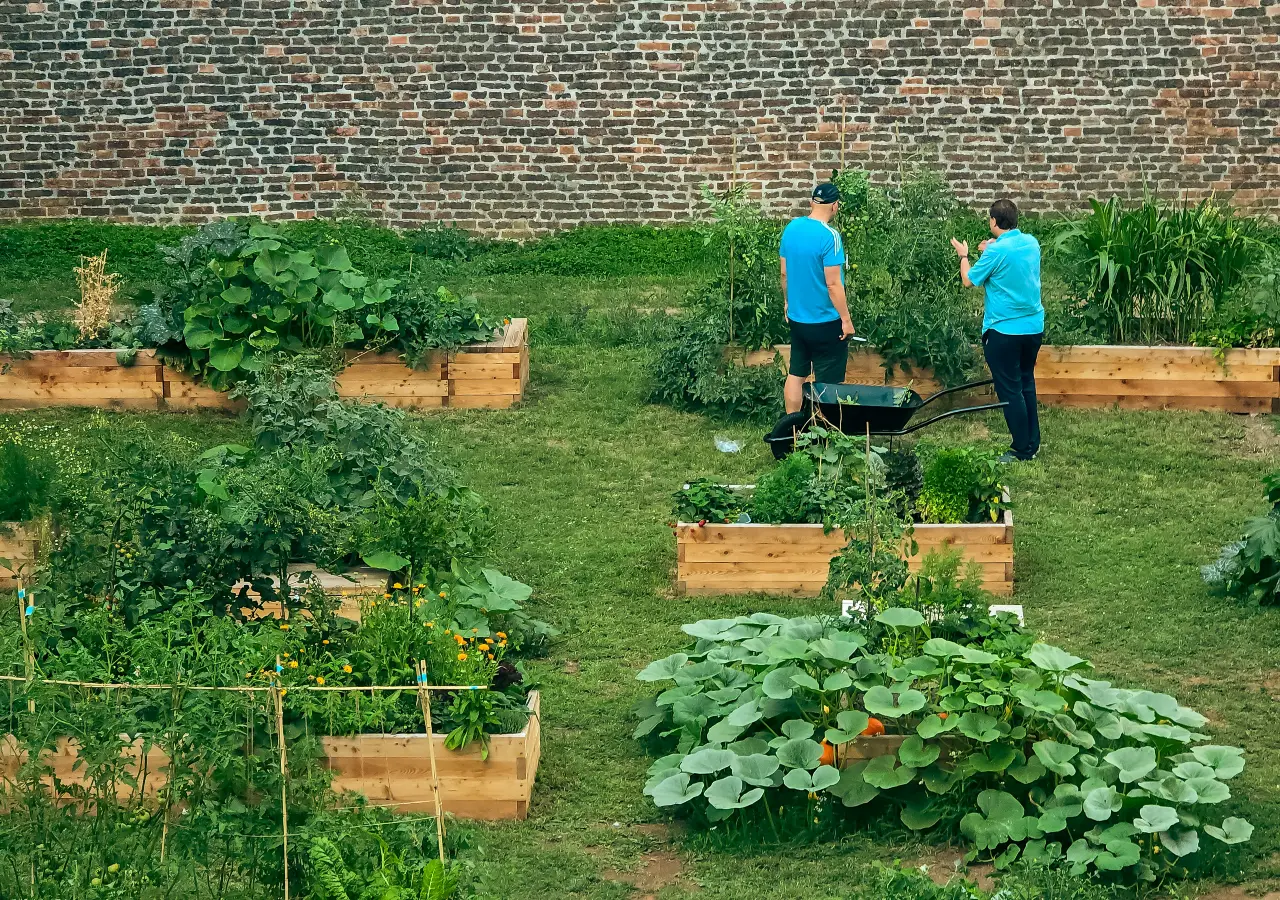
Growing food can cut grocery costs.
It can also create a long shopping list.
You may need soil improvements, seeds, irrigation, tools, fencing, pest control, storage equipment, jars, freezer space, and time.
The smartest approach is not to grow everything.
Penn State Extension updated its food garden guidance in April 2026. It recommends considering space, timing, UCRH, availability, quantity, quality, and food preservation when deciding what to grow.
That is a much better plan than planting twenty crops because they look good in homestead videos.
During the first year, focus on foods your household eats often.
Give extra space to produce that costs a lot at the store or grows very well in your climate.
Track what you spend.
Then track what you harvest.
If you spend $300 producing vegetables you could have bought for $120, you did not save money that year.
That does not mean the garden failed. You may have gained skills, better food, exercise, and enjoyment.
Just do not call every garden expense a financial saving.
Food production becomes more useful as your skills, soil, tools, and storage systems improve.
10. Why Losing Utility Bills Does Not Mean Losing Monthly Expenses

This lie can survive for months because the savings are easy to see.
The replacement costs are spread out.
The electric bill may disappear, but batteries wear out.
The water bill may disappear, but pumps and filters need attention.
The sewer bill may disappear, but septic systems need service.
Grid repair costs may disappear, but now many repairs belong to you.
Then there are normal expenses such as property tax, insurance, vehicle costs, propane, fuel, equipment, healthcare, and food.
A March 2026 discussion in the Homestead community on Reddit shows how wide the numbers can be. One fully off-grid household with no mortgage said it was still spending about $5,000 per month on its overall lifestyle. Another person in the same discussion reported spending under $1,000 per month after more than 25 years. These are personal examples, not national averages.
That huge gap teaches an important lesson.
There is no single off-grid monthly budget.
Your skills, location, animals, vehicles, property taxes, home size, insurance, and equipment choices can change everything.
Insurance also needs to be checked before purchase.
A February 2026 GAO report found that homeowners insurance has become less affordable or less available in some areas with high disaster risk. In some southern coastal areas, inflation-adjusted premiums increased by 25 percent or more between 2019 and 2024.
Ask for an insurance quote before closing on remote property.
A property is not cheap if protecting it breaks your monthly budget.
11. Why Doing Everything Yourself Can Become an Expensive Mistake

Doing your own work can save a lot of money.
It is one of the reasons some people make off-grid living affordable.
But every job should not automatically become a DIY job.
Electrical service panels, large battery systems, wells, wastewater design, and major structural work can carry serious safety or legal risks.
Generators are a simple example.
A generator looks easy to use. Add fuel, start it, and make electricity.
But fuel-burning generators produce carbon monoxide.
CDC warns against running them inside homes, garages, campers, or other areas where fumes can enter living spaces. Carbon monoxide can kill without giving you much warning.
The same rule should guide other major systems.
Save money where mistakes are easy to repair.
Get qualified help where a mistake can cause fire, structural failure, contaminated water, sewage problems, or serious injury.
You can still learn plumbing.
You can still learn carpentry.
You can still maintain your own equipment.
The goal is not to avoid DIY work.
The goal is to know which jobs deserve professional help before an inexpensive mistake becomes a very expensive emergency.
12. Why More Freedom Can Mean More Work and More Responsibility

This is the lie that can surprise people even after the money is handled.
Off-grid life can give you more control.
But control means more jobs belong to you.
A 2026 profile of an off-grid couple who shares their life online described this tradeoff clearly. They value their independence, but their days can involve harder and longer physical work along with business tasks and constant property projects.
Recent discussions among long-term off-grid residents show the same pattern. People talk about batteries, weather, animals, equipment problems, repairs, and upgrades as regular parts of the lifestyle. That does not prove off-grid living is bad. It shows why maintenance needs to be treated as part of the plan.
Distance creates another issue.
CDC says rural areas can face longer emergency response and transport times.
That should change how you prepare.
You need backup water.
You need backup heat.
You need backup electricity.
You need first aid supplies and a way to communicate.
If wildfire is a local risk, evacuation planning matters too. Current United States Fire Administration guidance tells residents to know their main and alternate escape routes and keep emergency supplies ready.
Independence works best when one broken system does not create a crisis.
That is the real meaning of a strong off-grid setup.
Use This 48 Hour Test Before You Buy Off-Grid Land
Do not decide based on the sunset, trees, acreage, or listing price.
Give yourself two days to answer ten practical questions.
- Power: How much electricity would your household actually use each day?
- Solar: What does PVWatts estimate during the property’s weakest solar months?
- Water: Is there a proven well, reliable spring, legal rain collection system, or another dependable source?
- Wastewater: What system has the local health authority approved?
- Access: Can you reach the property after heavy rain, snow, flooding, or other bad weather?
- Internet: Which providers can actually serve the address?
- Risk: What are the local wildfire, flood, wind, snow, and heat risks?
- Insurance: Can you insure the proposed home, and what will it cost each year?
- Emergency care: How far are you from fire services, emergency medical care, and a hospital?
- Cash: After buying the land, how much money remains for water, power, waste, access, repairs, and emergencies?
If several answers are still guesses, you are not ready to price the property correctly.
What Off-Grid Living Really Costs You
Going off-grid is not automatically cheaper.
It is not automatically more expensive either.
The result depends on what you build, where you live, how much energy you use, what skills you have, and how much comfort you expect.
The biggest mistake is treating independence as the absence of infrastructure.
It is the opposite.
You are buying and managing your own infrastructure.
Before placing an offer on rural land, price the five systems that can cause the most damage to your budget: access, power, water, wastewater, and insurance.
Avoiding these off-grid living mistakes before buying land is far cheaper than fixing them after you move in.