
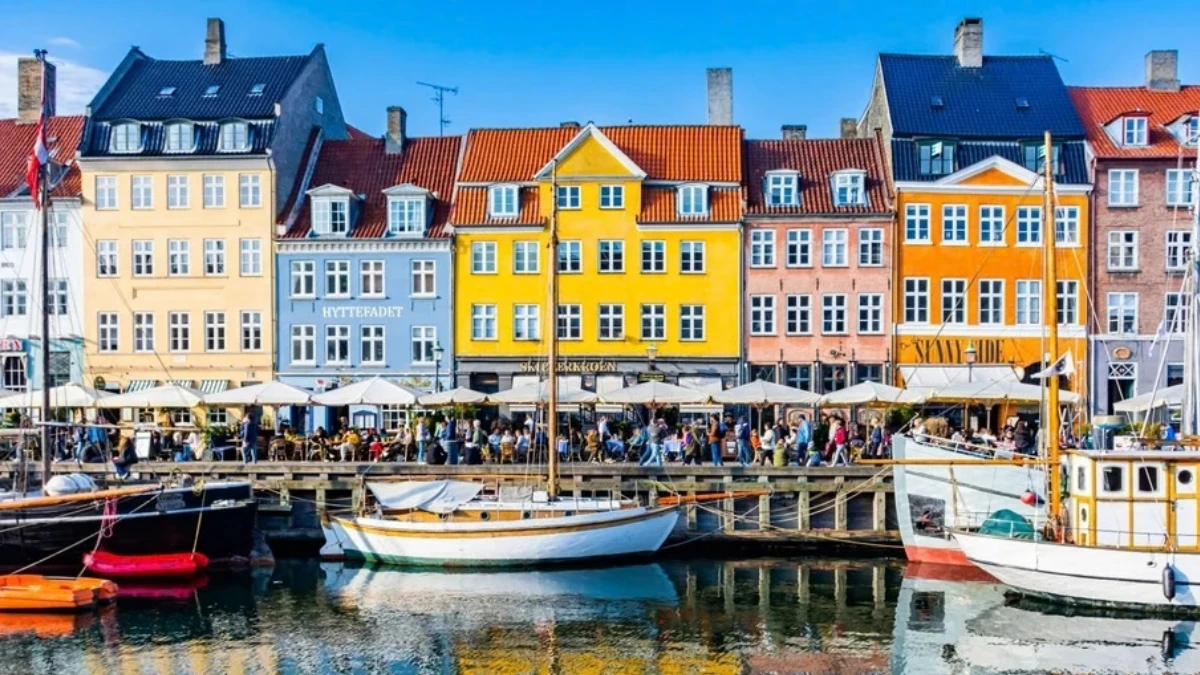
The internet is full of headlines promising free homes and no-strings cash to move to Mediterranean paradises. But in 2026, the truth is far more nuanced, actionable, and financially lucrative if you know where to look.
Government programs are not handing out unconditioned stacks of bills just for stepping off a plane. Instead, nations across Europe, Asia, and the Americas use targeted grants, tax rebates, and equity-free funding to fix severe population drops or attract skilled workers.
The real problem for most readers is separating clickbait urban legends from active legal pathways. Knowing which countries actually pay you to relocate, what the fine print looks like, and how to qualify this year makes all the difference.
17 Countries Quietly Paying People to Move There in 2026

How Relocation Incentives Actually Work
Governments and regions can use different types of financial support to attract residents, workers, and new businesses.
Property Renovation Grants
Funding can help restore old or empty homes in quieter villages and regions that want new residents.
Equity Free Startup Capital
Founders may receive cash grants without giving up company equity to launch a local business.
Regional Repopulation Stipends
Some programs provide monthly payments over several years to encourage people to settle in a target region.
Graduate Tax Rebates
Skilled workers may qualify for direct tax savings when they stay and work in a specific region.
17 Countries Paying People to Move There in 2026
1. Ireland (Our Living Islands Program)

Ireland pays up to €84,000 (~$93,000 USD) to restore empty properties on 30 remote offshore islands.
To claim this funding, you must buy a property built before 1993 that has sat vacant for at least 2 years. You submit your repair plans, pay for the work, and claim the cash back using official receipts.
Best for: Property renovators and remote workers with capital to invest upfront.
2. Italy (Calabria & Sardinian Village Grants)

Italy offers regional incentives like Calabria’s €28,000 active residency grant and Sardinia’s €15,000 homebuyer subsidy.
To claim this funding, you must move to a town with under 2,000 residents, relocate within 90 days of approval, and either start a small business or work an in-demand local job.
Good for: Young professionals under 40 who want a quiet Italian lifestyle.
3. Switzerland (Albinen Repopulation Grant)

Switzerland pays up to CHF 50,000 (~$58,000 USD) for families moving to the alpine village of Albinen.
To claim this funding, you must be under 45 years old, buy or build a home worth at least CHF 200,000, and commit to living in the village for 10 full years.
Better for: Young families with high savings who want to settle in the Alps long-term.
4. Chile (Start-Up Chile)

Chile offers equity-free business funding ranging from $14,000 to $80,000 USD plus a 1-year tech visa.
To claim this funding, you must submit an innovative, tech-focused business plan to the Build, Ignite, or Growth track and run your startup locally in Santiago.
Great for: Tech entrepreneurs looking for early funding without giving up company shares.
5. Greece (Antikythera Island Project)
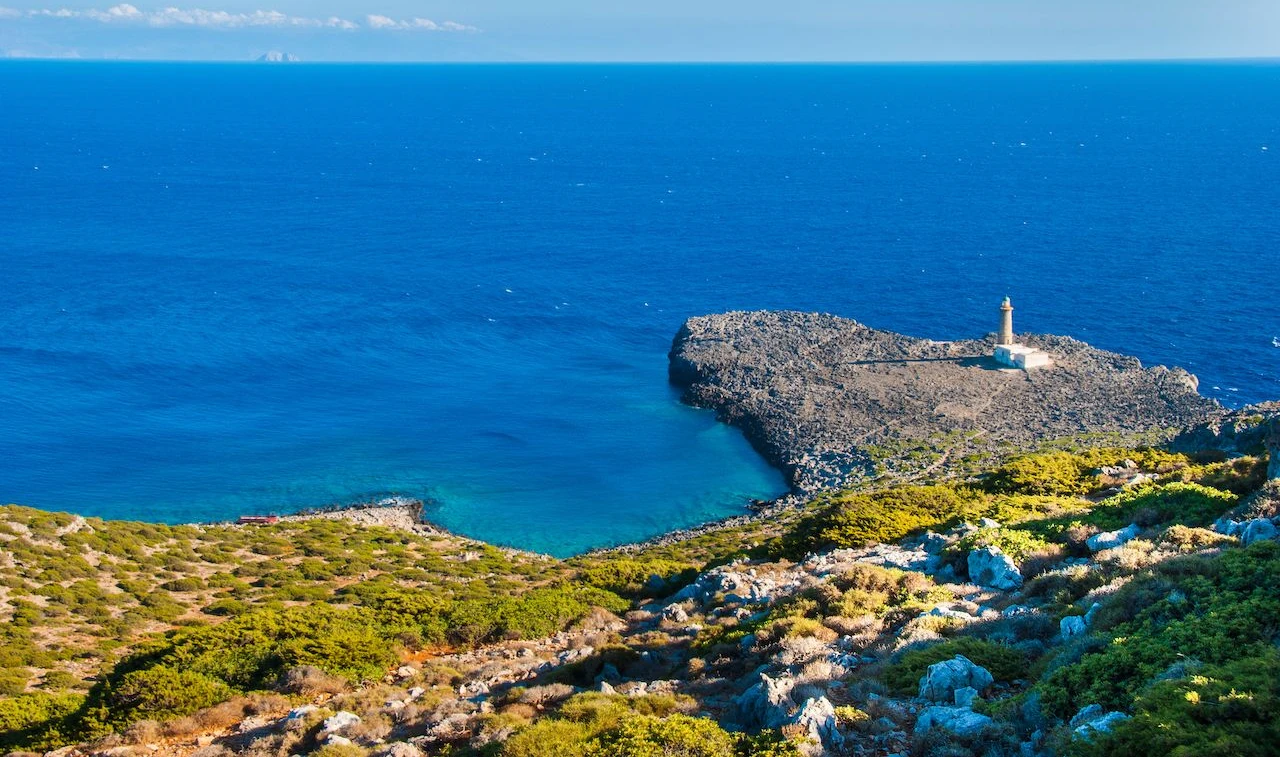
Greece pays a monthly stipend of €500 for 3 years (€18,000 total) alongside free housing and land on the island of Antikythera.
To claim this funding, you must pass an interview process managed by the local council and the Greek Orthodox Church, which prioritizes young families willing to live on the island year-round.
Finest for: Families looking to live off-grid in a tiny island community.
6. Portugal (Emprego Interior MAIS)

Portugal provides direct cash incentives up to €5,000+ for workers who relocate to designated inland regions.
To claim this funding, you must secure a local employment contract or move as an established remote worker, register with the IEFP job portal, and commit to a 12-month minimum legal stay.
Preferred for: European remote workers and freelancers looking for low interior living costs.
7. Spain (Ponga & Asturias Regional Grants)

Spain offers up to €3,000 for couples relocating to Ponga, plus an extra €3,000 for every baby born or moved there.
To claim this funding, you must officially register at the town hall and sign a legal agreement to live in the village for at least 5 years.
Most suitable for: Remote working couples planning to start or grow a family in rural Spain.
8. Japan (Regional Revitalization & Akiya Grants)

Japan provides relocation grants up to ¥3 million (~$20,000 USD) for households moving out of Tokyo, combined with near-free Akiya (abandoned home) subsidies.
To claim this funding, you must hold a valid Japanese residency or work visa, buy an empty house from a municipal housing bank, and live in the rural area for 5 years.
Essential for: Current Japanese visa holders, remote workers, and DIY home restoration fans.
9. Canada (Saskatchewan Graduate Retention Program)

Canada gives up to CAD $20,000 (~$15,000 USD) in direct tax rebates over 7 years to post-secondary graduates.
To claim this funding, you must graduate from an approved post-secondary institution, move to Saskatchewan, and file your local income tax returns annually while working in the province.
Necessary for: Recent university graduates wanting to live and build a career in Canada.
10. Austria (Red-White-Red Card Startup & Worker Grants)

Austria offers funding support up to €30,000 alongside housing subsidies for non-EU founders moving through the Startup Founder track.
To claim this funding, you must clear Austria’s points-based qualification system assessing language, education, and capital, then incorporate your business locally.
Ideal for: Skilled non-EU founders wanting access to central European markets.
11. Estonia (e-Residency & Startup Estonia)
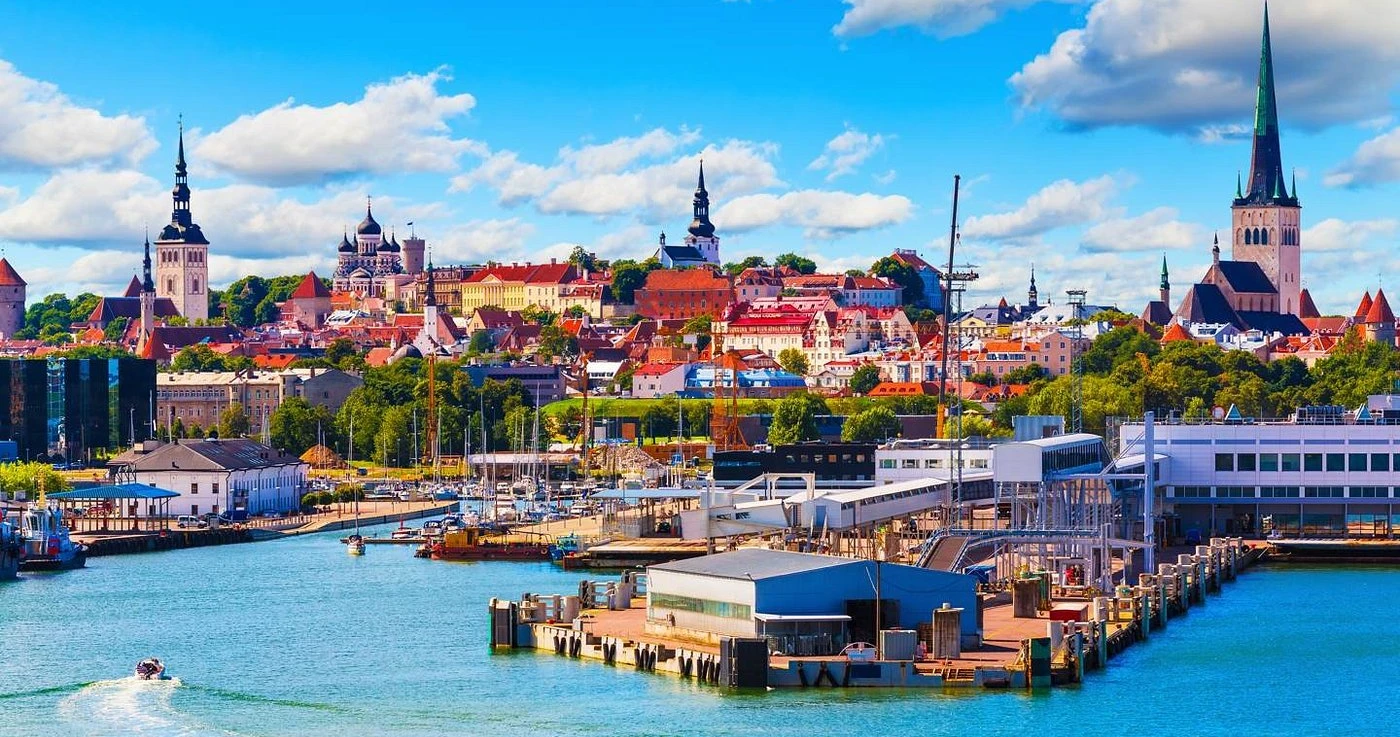
Estonia gives up to €50,000 in equity-free grant support for high-growth tech startups moving their main operations to Tallinn or Tartu.
To claim this funding, your company must pass evaluation by the Estonian Startup Committee and register on the official commercial startup registry.
Useful for: Software founders wanting a digital-first home base in the European Union.
12. Mauritius (Smart City & Startup Scheme)

Mauritius offers a 20,000 Mauritian Rupee stipend (~$440 USD) plus seed grants and wage support for hiring local talent.
To claim this funding, you must present an innovative business model to the Mauritius Economic Development Board and establish an operational office on the island.
Popular for: Digital entrepreneurs seeking a low-tax island location near African tech markets.
13. United Kingdom (Sark & Channel Islands Initiatives)

The Bailiwick of Guernsey and Sark offer business growth grants, zero tax perks, and housing assistance for entrepreneurs.
To claim this funding, you must launch an approved business that creates local jobs or invests directly in local infrastructure.
Fantastic for: Business owners looking for low tax rates in an English-speaking island region.
14. New Zealand (Kaitangata & Southland Regional Incentives)

New Zealand offers affordable home-and-land packages (priced under NZD $230,000) bundled with job placement support.
To claim this funding, you must work in priority sectors like agriculture, manufacturing, or trades, and pass normal New Zealand immigration checks.
Top-notch for: Skilled trade workers and young families wanting a stable life in rural New Zealand.
15. Denmark (Startup Denmark)
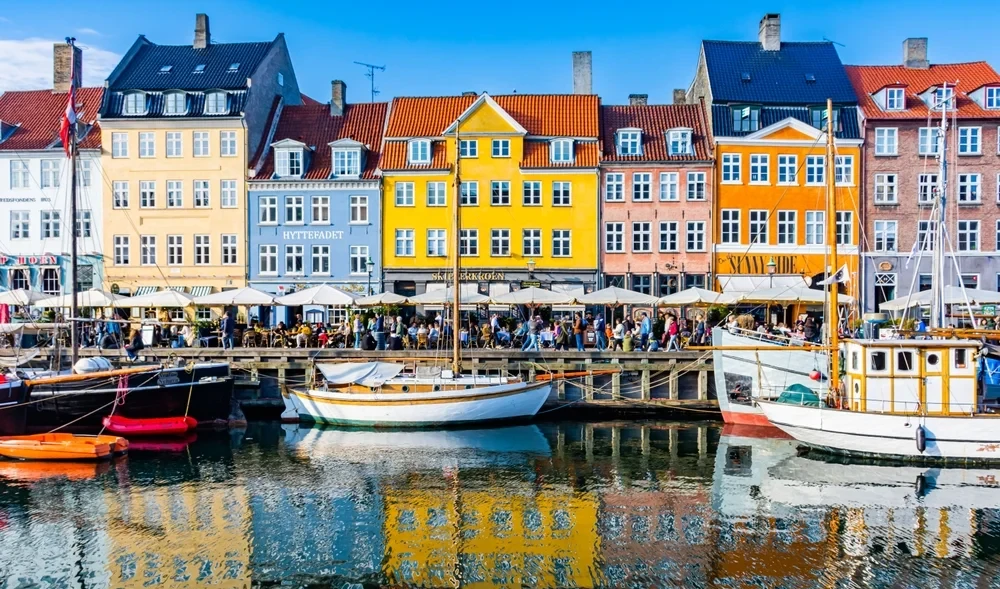
Denmark gives access to equity-free state grants up to $50,000 USD, founder visas for up to 2 partners, and national healthcare access.
To claim this funding, your business plan must gain approval from an expert panel appointed by the Danish Business Authority.
Optimal for: Early-stage green tech and health tech founders needing research support.
16. South Korea (K-Startup Grand Challenge)

South Korea offers living stipends ($11,000+ USD over 3.5 months), free workspace, and competition prizes up to $120,000 USD.
To claim this funding, your tech startup must rank in the top global applicant pool, relocate team members to Pangyo Techno Valley, and set up a local Korean business entity.
Brilliant for: Deep-tech startups wanting to scale up across Asian consumer markets.
17. Croatia (Rural Municipal Grants & Digital Nomad Incentives)
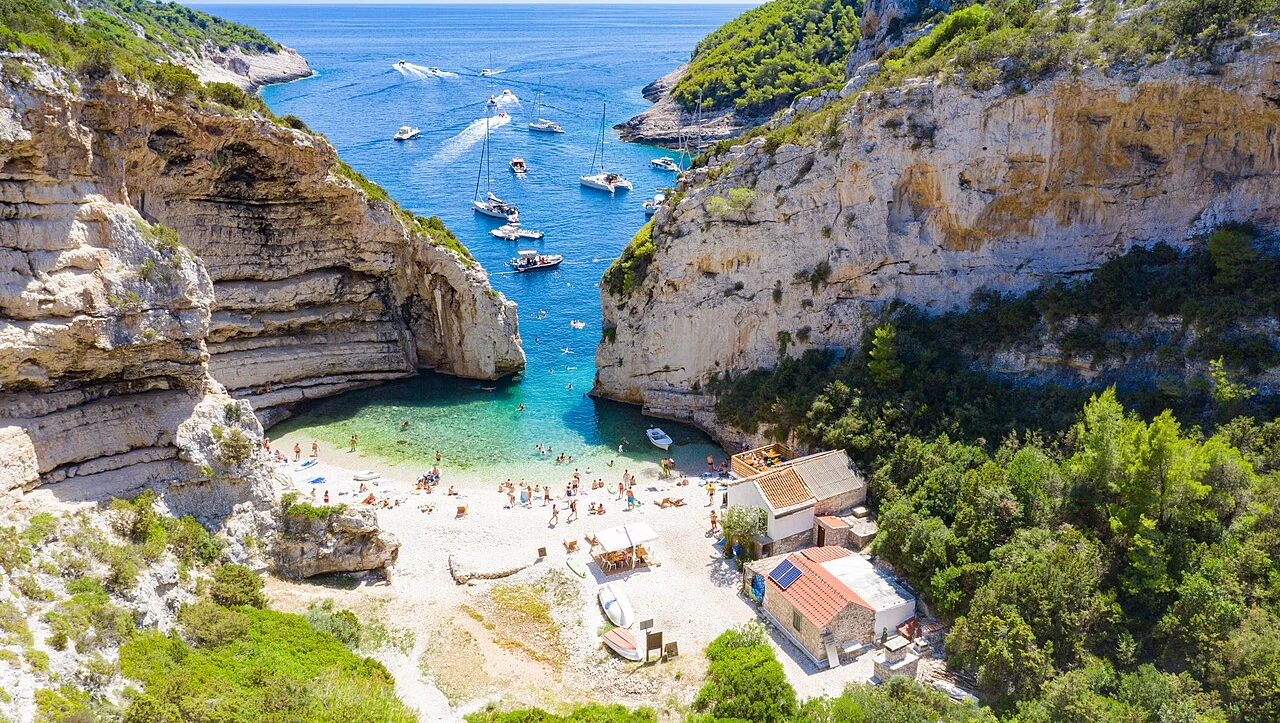
Croatia offers zero-percent income tax rates for remote workers alongside municipal 1-Euro housing restoration sales.
To claim this funding, you must prove a monthly remote income exceeding €2,500, secure a legal Croatian Digital Nomad permit, and agree to rebuild municipal properties.
Outstanding for: Higher-earning remote workers and digital nomads looking for low taxes in Europe.
Key Traps and Fine Print to Watch Out For
Moving abroad for money sounds simple, but bureaucratic traps can cost you thousands if you rush in without reading the rules.
Relocation grants often count as taxable income. If you get a $20,000 grant in Europe, your home country’s tax agency may demand a cut at the end of the year unless a double taxation treaty covers you. Getting a grant offer from a small mayor’s office does not skip national immigration laws. If you fail to secure a work or long-stay visa, your grant offer becomes completely useless.