
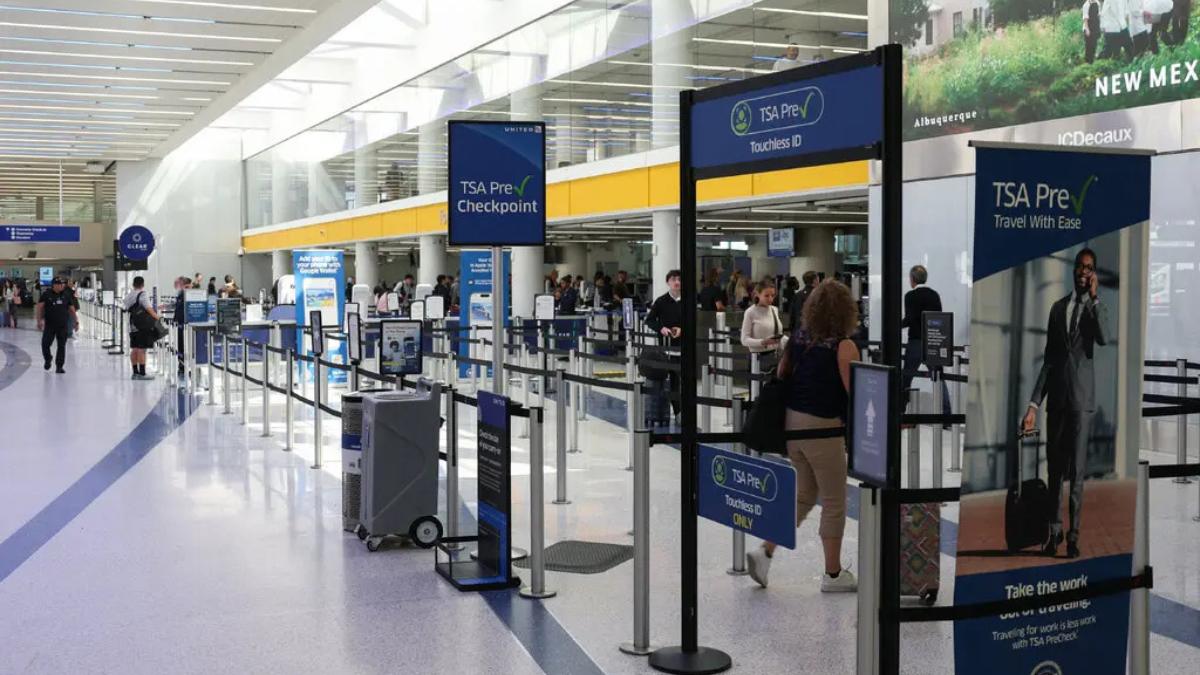
Walking up to security expecting the usual routine, only to have your bag pulled aside or your entry denied, is becoming the ultimate travel nightmare. Airport protocols are shifting fast due to facial scanners, strict digital enforcement, upgraded screening tech, and regional customs rules.
17 newly enforced airport rules, explain why they are causing friction, and offer step-by-step actions to clear security without issues. Grasp the navigation of TSA security updates, handle carry-on baggage policy changes, and comply with international airport regulations without stress.
17 New Airport Rules Travelers Are Finding Out the Hard Way
1. CT Scanner Myths and Modern TSA Security Updates
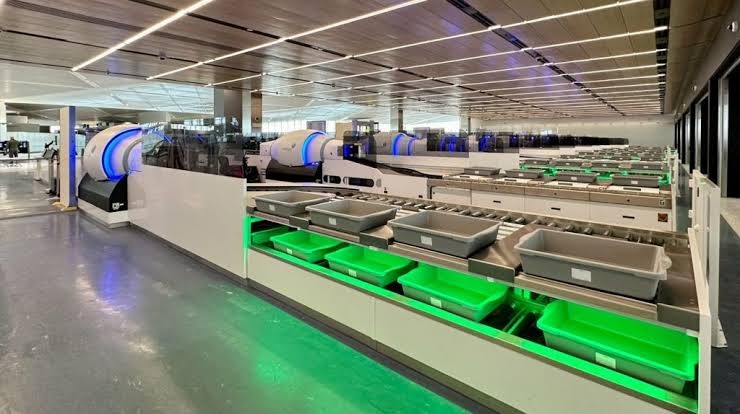
Advanced Computed Tomography (CT) scanners create 3D images of your luggage. They allow security agents to view bags from every angle. At select checkpoints, this technology lets you leave liquids and electronics inside your carry-on. However, airports are rolling these units out slowly.
Non-CT lanes right next to upgraded ones still enforce the standard liquid limit. Misunderstanding which lane you are in leads to manual bag checks and long delays.
International shifts have added to the confusion. European airports temporarily reinstated the strict 100ml liquid cap at terminals using upgraded scanners due to software calibration audits.
Clear Liquid Screening Faster
Keep your liquids ready, check the lane rules, and avoid last minute delays at security.
Keep Liquids Easy to Reach
Store your liquids together in an outer pocket so you can reach them quickly when needed.
Check the Security Lane
Look for signs at the airport security checkpoint before placing your bag on the screening belt.
Stay Within 100ml
Keep containers under the 100ml liquid rule unless you have a declared medical exemption.
Follow the Current Lane Rules
Follow officer instructions for that lane instead of assuming the rules are the same as your last trip.
Always pack assuming the standard liquid rule applies, regardless of your departure location.
2. REAL ID Requirements and State Driver’s License Compliance
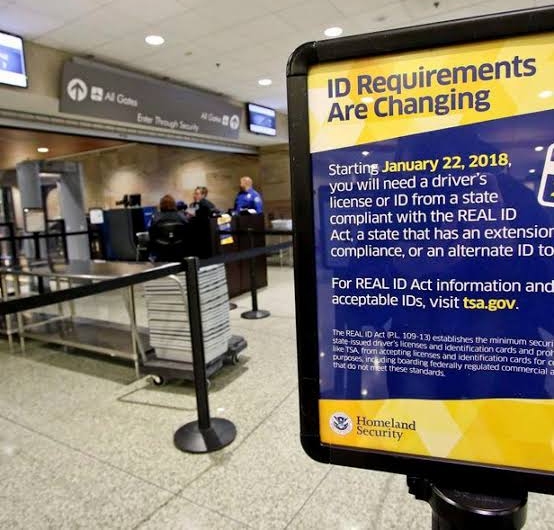
State-issued driver’s licenses without a star emblem are no longer accepted for U.S. domestic flights without secondary verification. TSA officers inspect every card at primary checkpoints. Digital driver’s licenses on smartphones are gaining traction, but they are only accepted at specific airport lanes equipped with digital readers.
Temporary paper driver’s licenses are rejected at security gates. If your state license lacks the REAL ID star emblem, you must show a passport or secondary government ID to pass through.
Check Your ID
A few quick checks can help you avoid an ID problem at the airport.
Look for the star
Pull out your license and check the top right corner for the star marking.
Keep a second photo ID
If your license lacks the star, keep a secondary photo ID in your bag as a backup.
Save your digital ID
Add supported digital ID passes to your phone wallet before you leave home.
When in doubt, carry your passport even for short domestic flights.
3. Non-Ticketed Visitor Gate Access via TSA PreCheck Gateside
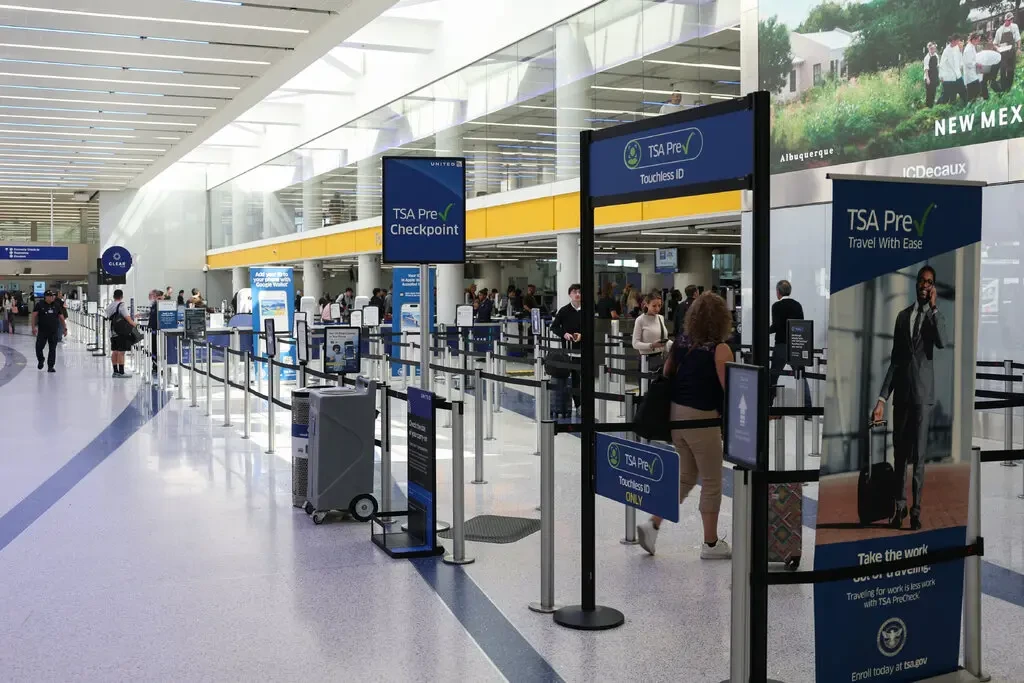
The Gateside program allows eligible trusted travelers without a flight ticket to go past security to see off or meet loved ones. This system grants single-day access across 13 participating U.S. hubs, including DFW, LAX, and SAN.
Get Gate Access Without a Ticket
Follow these four steps to request an approved visitor pass before heading to the airport checkpoint.
Submit Your Request Early
Apply through the participating airport portal 24 to 72 hours before your planned visit.
Enter Your Required Information
Submit your full legal name, date of birth, and the required TSA PreCheck verification numbers.
Wait for Your Digital Pass
Check your email for the approved digital visitor pass before you go to the airport.
Bring Your Pass and Photo ID
On your chosen day, bring your approved pass and a physical photo ID to the checkpoint.
Spontaneous walk-ups are strictly turned away at security gates.
4. Biometric Screening and Digital Identity Verification
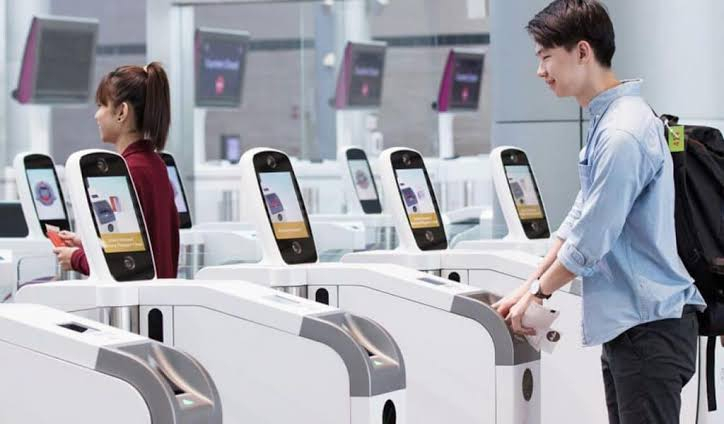
Facial recognition cameras are replacing paper boarding passes, but you still retain your privacy rights.
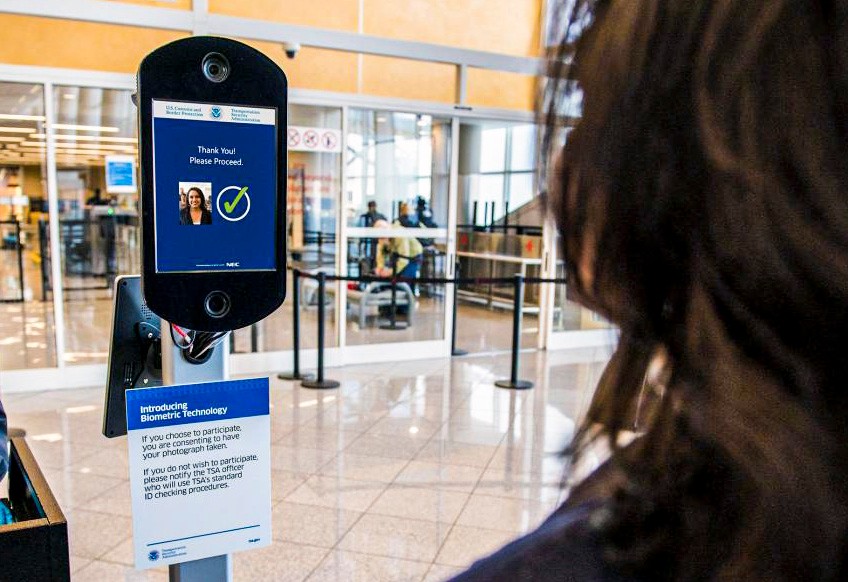
Airports use CAT-2 facial recognition units at bag drops and security gates. These systems match live photos directly against government identity databases. The scan eliminates physical boarding pass checks, but it raises privacy questions for many travelers.
U.S. citizens can legally decline biometric airport screening on domestic routes. Refusing biometrics without following proper opt-out steps can result in secondary physical screening.
How to Opt Out
You can make your choice clear before your face is captured by the screening camera.
Go to the TSA podium
Approach the TSA officer podium before you stand in front of the screening camera.
Say you are opting out
Clearly state: “I am opting out of biometric screening.”
Show your physical ID
Present your physical REAL ID or passport so the officer can complete manual validation.
Saying the exact phrase ensures the officer switches to standard document verification without pushing you into secondary inspection lines.
5. Strict Carry-On Baggage Policy Changes and Size Gate Audits
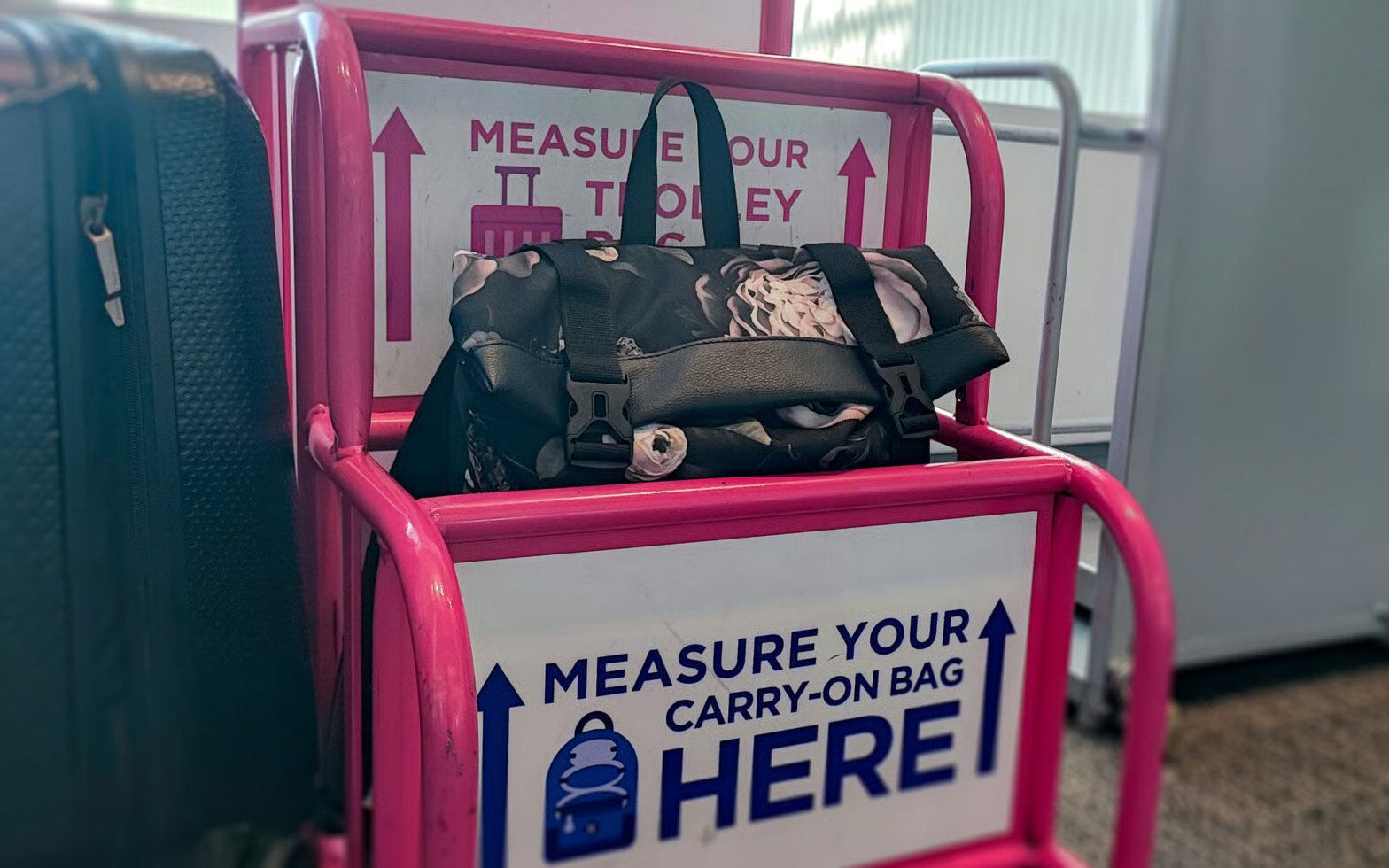
Airlines are enforcing hard-shell sizer box tests right at the boarding gate. Gate staff actively target passengers with oversized bags to protect overhead bin space and collect non-negotiable fee revenue.
Personal items must fit under the seat directly in front of you. If your personal item extends into your footwell space, agents will force you to pay carry-on fees. Measure your bag at home from floor to handle tip before leaving for the terminal.
6. Lithium Battery Bans and Smart Bag Check-In Restrictions
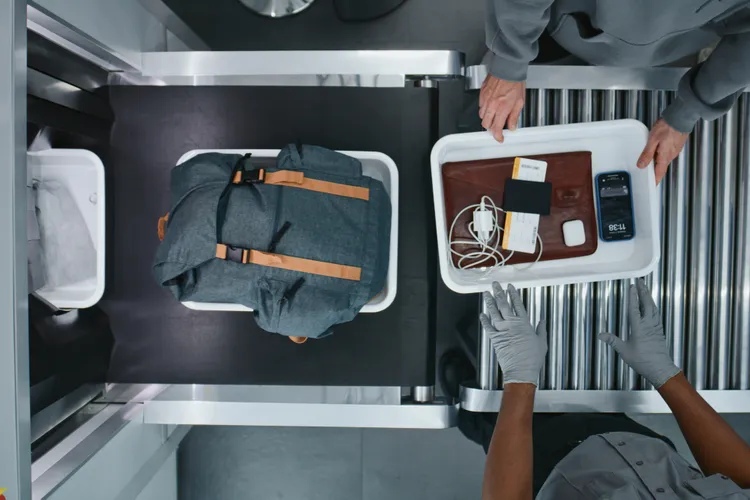
Aviation safety boards enforce strict bans on lithium-ion batteries in cargo holds due to thermal fire risks. Smart bags with non-removable batteries are barred from both cabin storage and checked luggage compartments.
Pack Your Tech The Safe Way
A quick pre flight check for power banks, loose batteries, portable chargers, and smart luggage.
Keep Power Banks in the Cabin
If your main suitcase is checked at the gate, remove your power banks and keep them with you in the passenger cabin.
Protect Loose Lithium Batteries
Carry loose batteries in non conductive protective pouches so the battery terminals cannot contact metal objects.
Check the 100 Wh Limit
Before packing a portable charger, verify its capacity stays under 100 Wh unless your airline allows another approved limit.
Make Smart Luggage Battery Removable
Smart luggage should have a battery that detaches easily so you can remove it before the bag is checked.
Ensure your battery detaches quickly so you do not have to leave your suitcase behind at check-in.
7. European Travel Information and Border Control Regulations
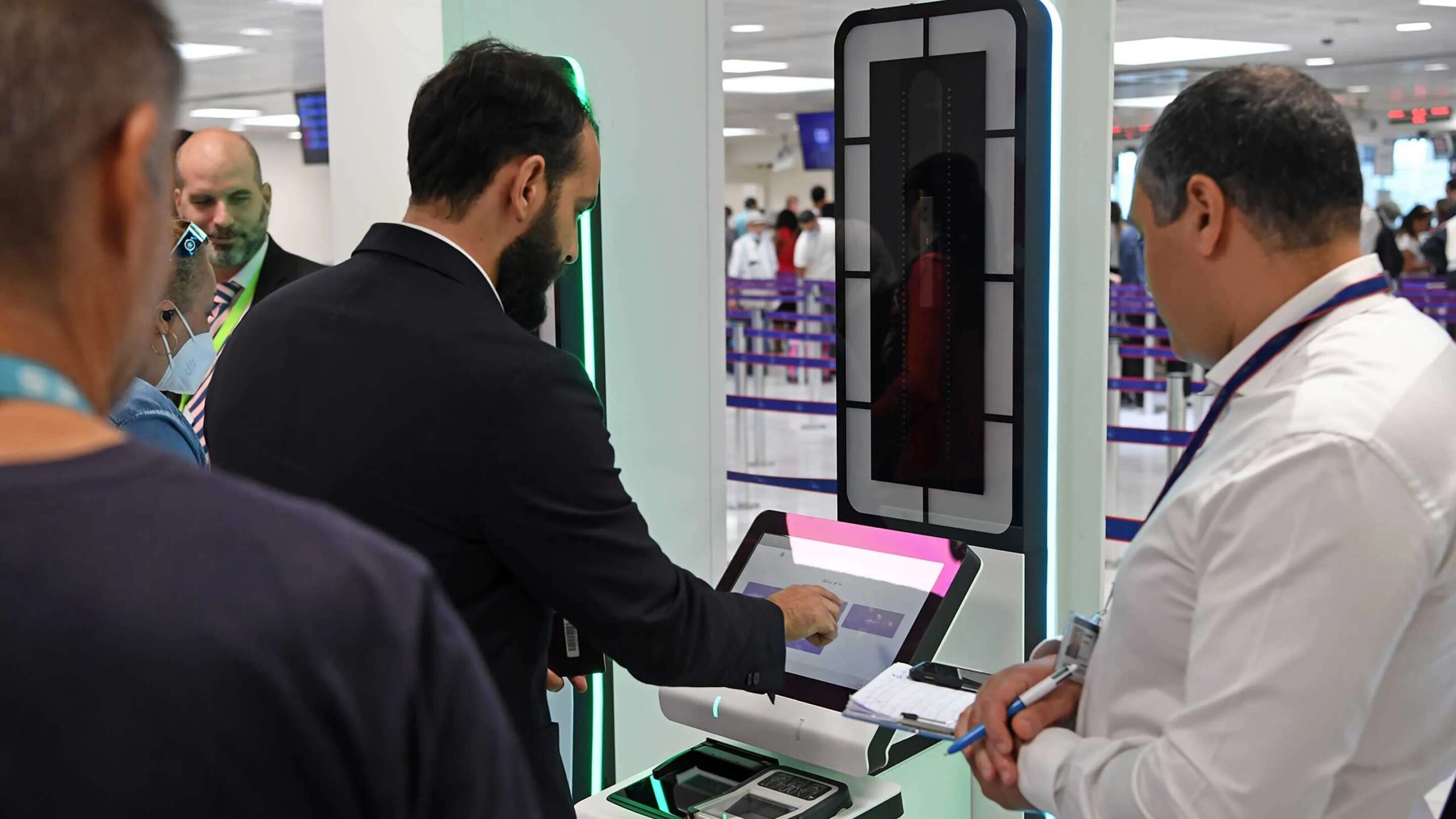
The European Union has updated its border infrastructure with two major digital initiatives. The Entry/Exit System (EES) replaces physical passport stamps with digital biometric tracking for non-EU travelers entering Schengen areas. Meanwhile, the ETIAS authorization requires pre-travel clearance online before boarding Europe-bound flights.
Travelers showing up at check-in without an approved ETIAS will be denied boarding automatically. Missing this online authorization will result in immediate boarding denial at your departure gate.
8. Luggage Tracker Compliance and Airline Battery Safety
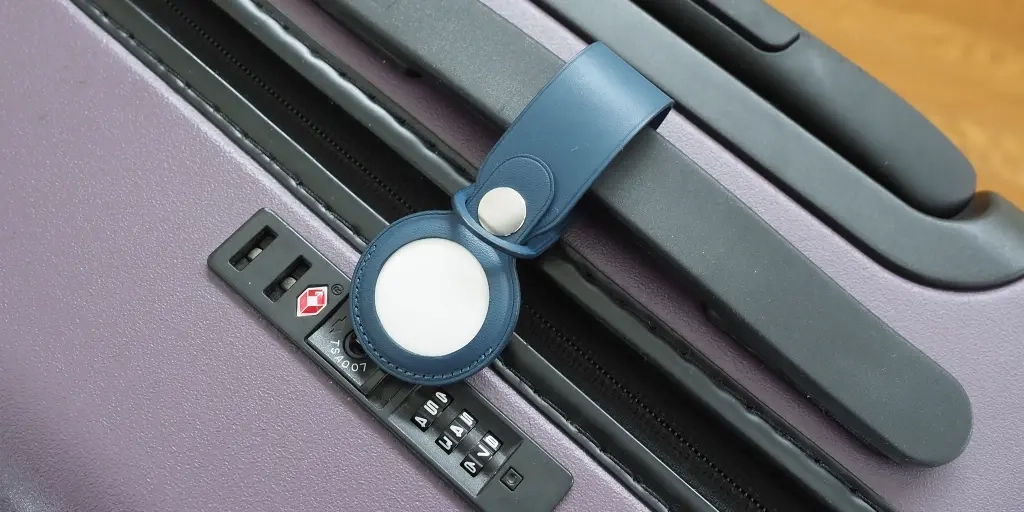
Bluetooth trackers are permitted in checked luggage, but airlines enforce strict rules regarding internal battery types. Trackers must run on low-power button cells. Commercial location beacons with large battery packs are prohibited in cargo holds.
Airlines also require trackers to stay encased inside your luggage rather than hanging loose on the exterior where straps can catch on conveyor belts.
Keep your tracker secured inside an interior zipped pouch to prevent it from getting knocked loose during handling.
9. Mobile Boarding Pass Validation and Dynamic Barcode Screening
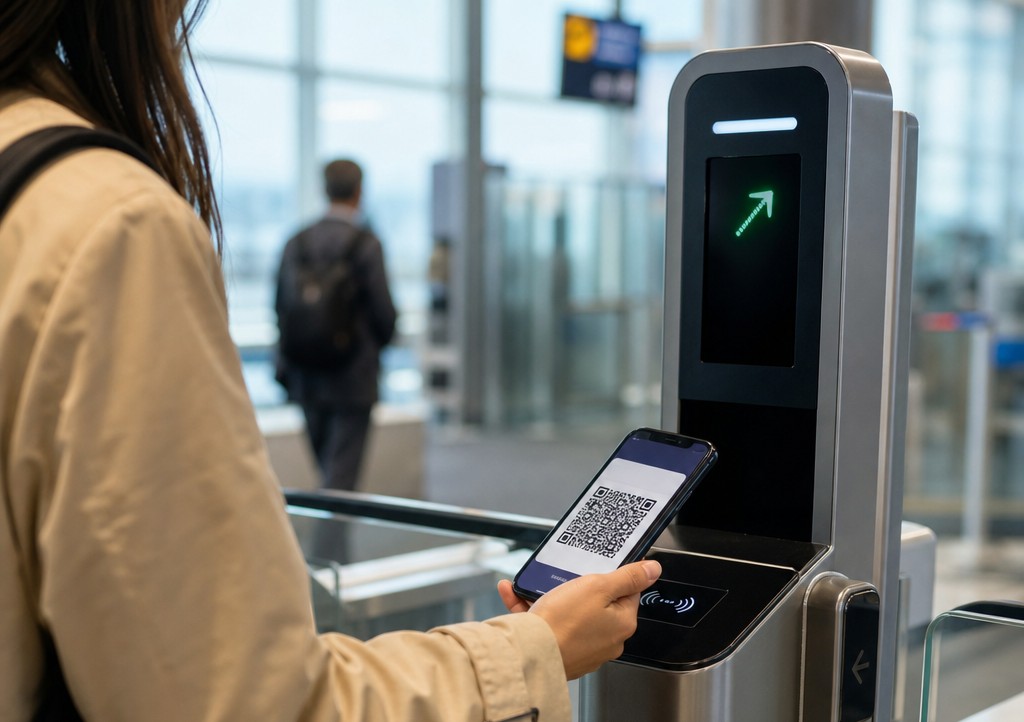
Airlines are phasing out static 2D barcodes in favor of dynamic QR pass technology. These digital codes update every few seconds to prevent ticket fraud and screenshot sharing. Newer digital gate scanners flag static images, forcing you out of line to pull up a live application.
Save dynamic passes into your phone wallet or print a paper backup before heading to the gate.
10. Powder-Like Substances Screening Beyond 350ml
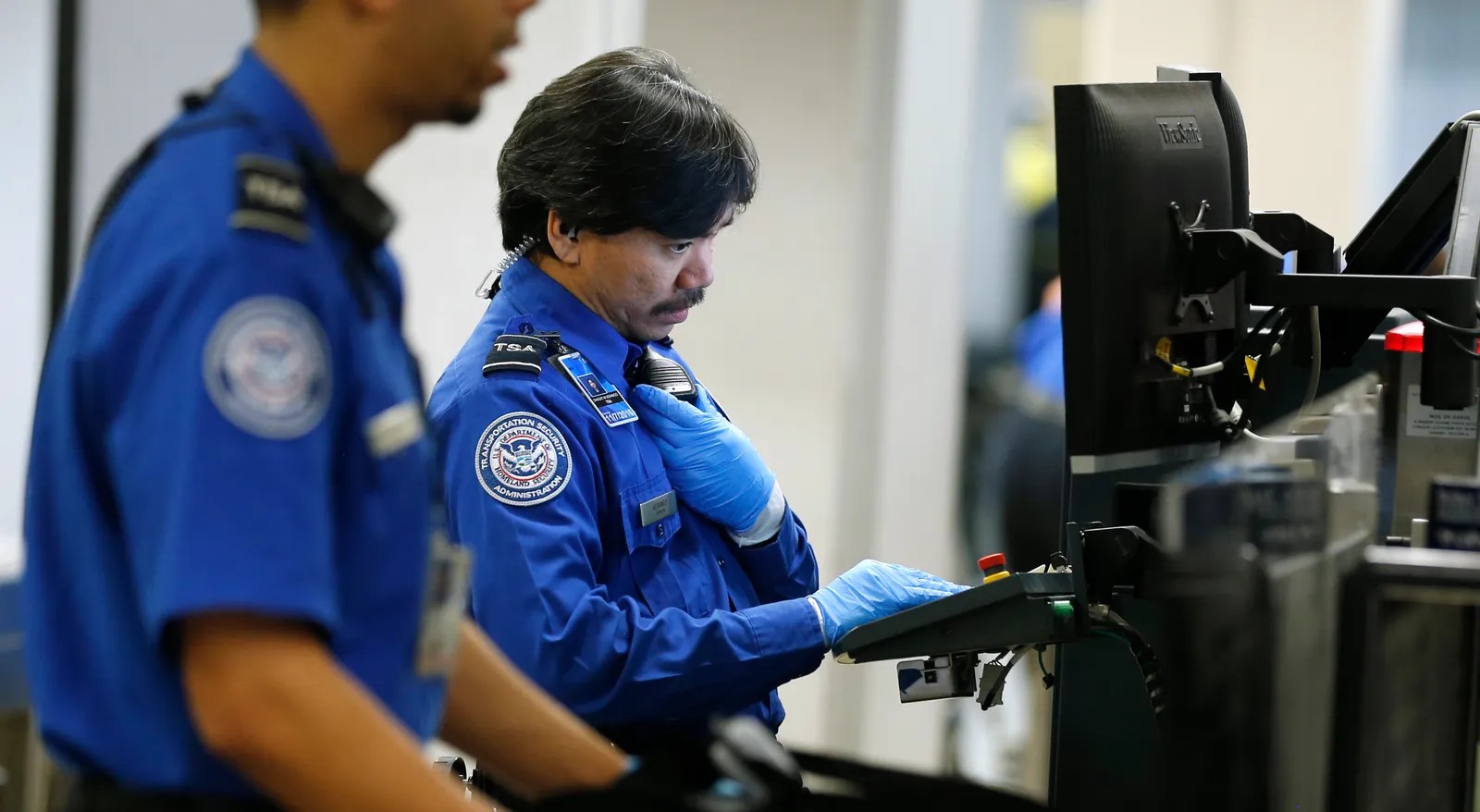
Dense powders obstruct X-ray views, making it hard for security agents to see inside your bag. TSA security updates require powders over 350ml (roughly the size of a standard soda can) to undergo separate bin screening and chemical testing.
Pack large powder containers in your checked luggage to keep your security line moving fast.
11. Electronics Screening Protocols for Non-Standard Devices
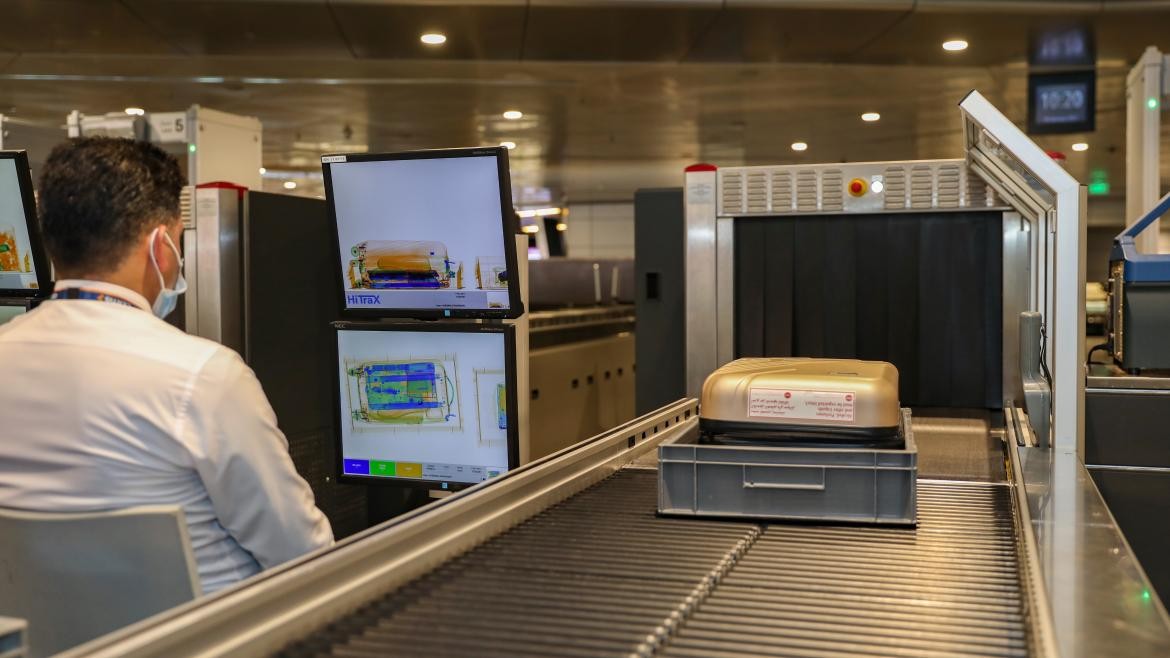
Devices larger than a standard smartphone can block X-ray beams if layered together. Stacking tablets, consoles, and laptops in a single bin forces automatic secondary inspections.
International routes enforce even stricter device rules. Security officers at select international hubs may ask you to power on your laptop or phone. Uncharged devices that cannot turn on may be barred from carry-on luggage.
Give every electronic device larger than a phone its own dedicated bin unless CT scanners are active.
12. Duty-Free Liquids and Connecting Flight Confiscations
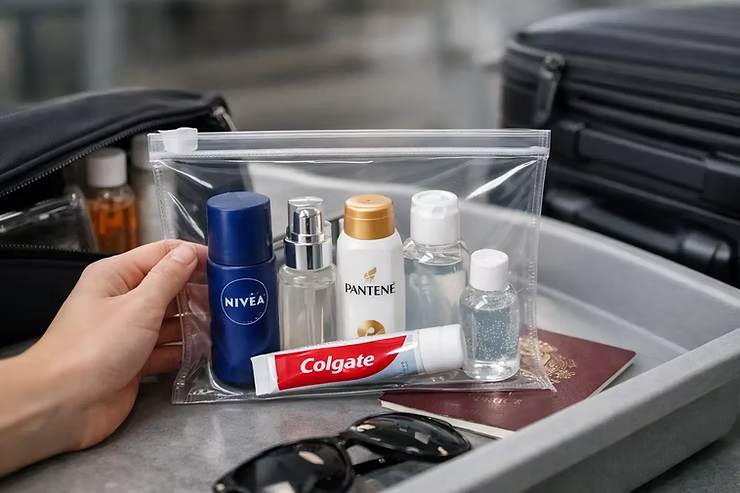
Liquids bought past security inside duty-free shops are permitted on your initial flight. However, if you have a connecting flight that requires you to re-clear security, standard liquid rules apply again unless sealed correctly.
Duty Free Connection Guide
Keep Your Duty Free Safe Between Flights
A connecting flight can change what happens to your sealed liquids. Follow these three checks before you leave the store.
Tell the Clerk Every Layover
Before paying, mention all your connecting flights. The store can check whether your route needs special handling.
Check the Seal and Receipt
Make sure the liquids are inside an official STEB and keep the receipt clearly displayed.
Move Bottles After Customs
On an international arrival, clear customs first. Then place the sealed bottles in your checked luggage if your travel plan requires it.
Never break the tamper-evident seal on duty-free bags until you walk out of your final destination airport.
13. Airport Lounge Entry Windows and Boarding Pass Verification
Terminal lounge overcrowding has forced major card issuers and airlines to enforce strict time windows. Lounges now restrict access to a maximum of 3 hours before your flight departure time.
Lounge desk agents scan dynamic boarding passes to verify your flight time automatically. Non-ticketed visitors using gate access programs are barred from entering premium carrier lounges.
Plan your airport arrival around your flight departure time rather than your lounge access perks.
14. Traveling with Medications, Liquids, and Syringes

Medically necessary liquids are exempt from liquid limits, but only if you declare them properly. The 100ml liquid rule does not apply to prescription drugs, cough syrups, or liquid biologics. However, these items will trigger security delays if they are not declared before screening starts.
Injectable medications and syringes are permitted, but they must accompany the associated medicine in labeled packaging.
Keep all medications stored together in their original labeled containers alongside a doctor’s note.
15. Personal Item Dimensions and Under-Seat Clearance
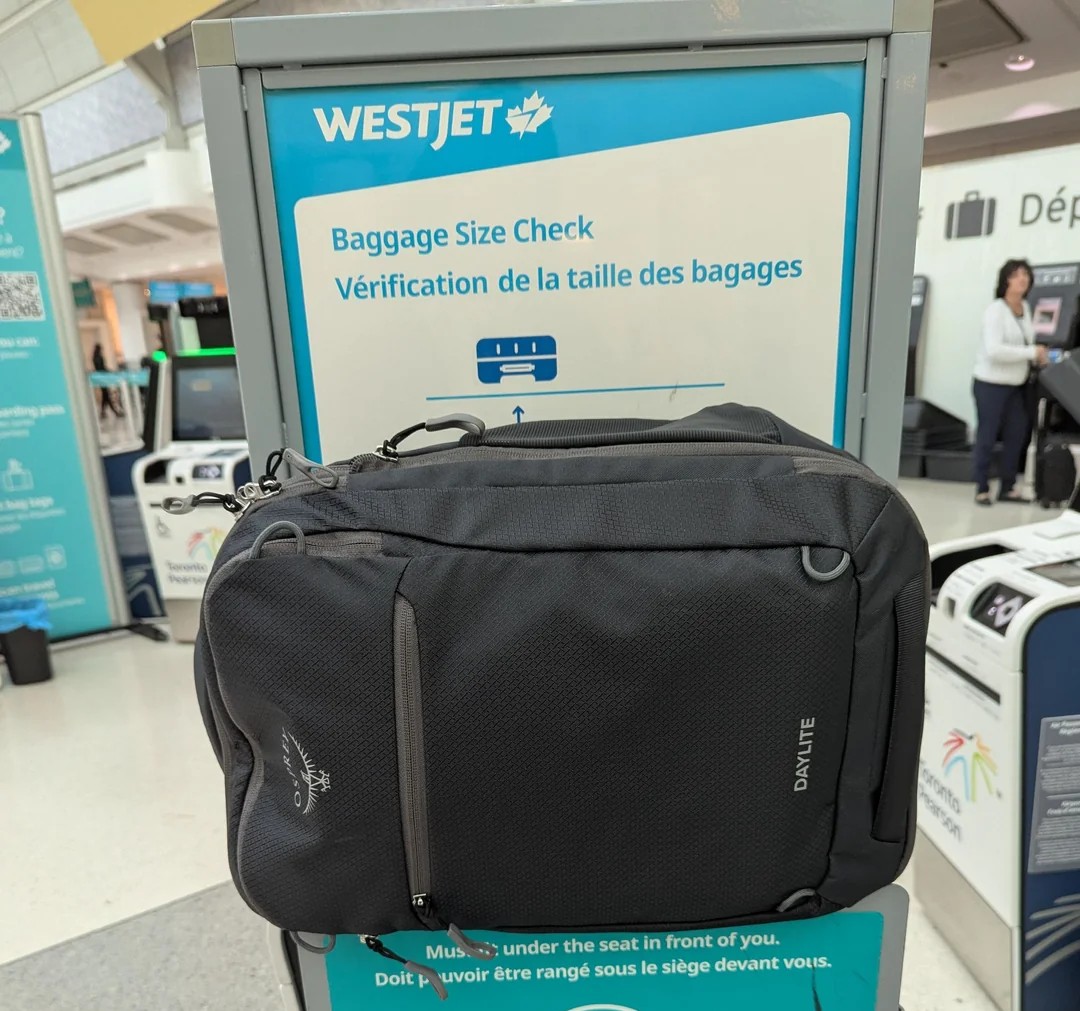
Airlines are cracking down on oversized personal items to free up overhead bins and increase fee revenue. Gate staff actively measure backpacks, large totes, and duffel bags before boarding zones.
Stomping, squeezing, or forcing jammed bags into sizer boxes can result in agents revoking your personal item status.
Keep Your Bag Boarding Ready
A few simple packing checks can make it easier to fit your bag under the seat and avoid problems at boarding.
Check the 8 Inch Depth
Measure your backpack when it is full. Keep the depth under 8 inches so the bag is less likely to cause a sizing problem.
Put Small Items Inside
Before joining the boarding line, place your neck pillow and small purse inside your main bag when possible.
Choose a Flexible Bag
Soft sided bags can bend more easily. Pack them so they can compress under the seat instead of staying rigid.
If your bag does not slide under the seat ahead of you without force, expect to pay gate-check fees.
16. Digital Customs Declaration Apps and Airport Expedited Lines
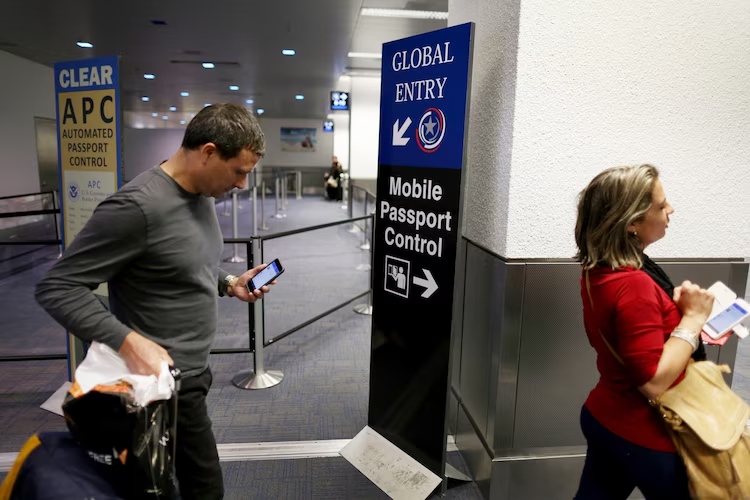
Border agencies are replacing paper forms with mobile declaration software. U.S. Customs and Border Protection’s Mobile Passport Control (MPC) app lets eligible travelers submit entry documents digitally to use dedicated expedited lanes.
Failing to complete digital customs entries before landing causes delays at arrival halls. Declare all agricultural products, seeds, and food items in the app before landing to avoid fines.
Fill out your digital customs entry while waiting at the gate or upon landing to bypass primary lines.
17. Zero-Tolerance Conduct Regulations and Alcohol Enforcement
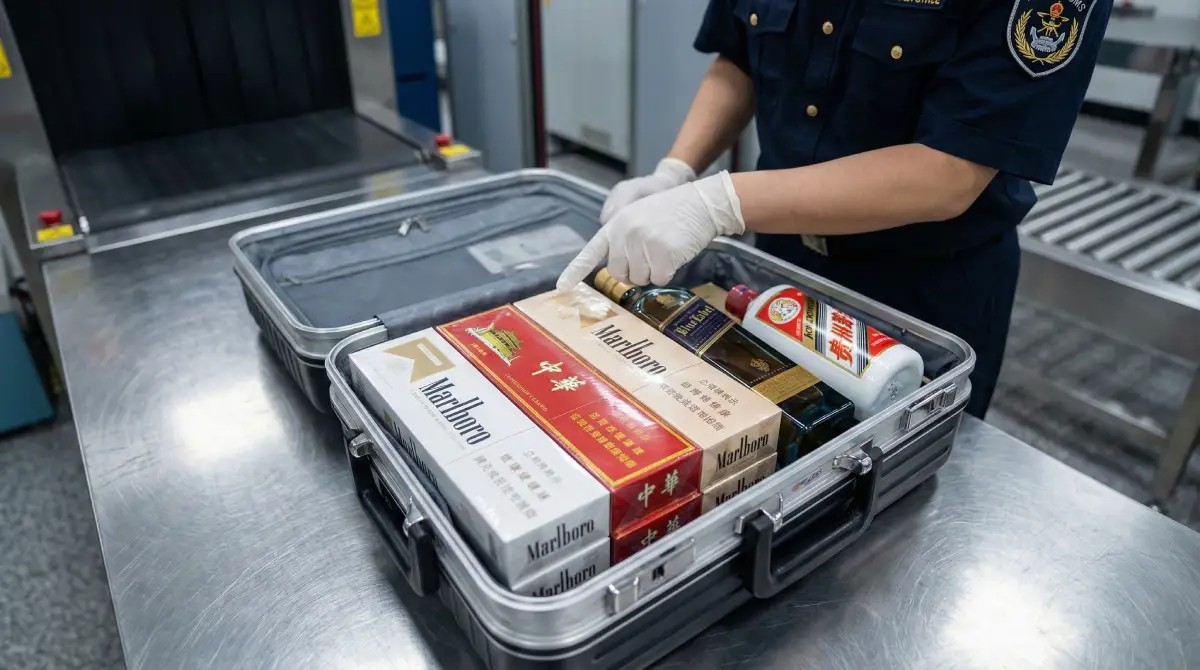
Airlines enforce zero-tolerance policies for unruly behavior, verbal abuse, and unauthorized alcohol consumption. Federal law prohibits drinking personal alcohol brought through security or purchased at duty-free shops unless served by flight crew.
Gate agents have total authority to deny boarding to travelers showing signs of intoxication or aggressive behavior. Verbal disputes over extra charges can trigger security intervention and cancel your ticket immediately.
Navigating modern terminals requires knowing current regulations, from biometric identity checks to carry-on bag dimensions and liquid rules. Double-check your airline’s bag limits, pack your electronics correctly, and download official travel apps to clear security with ease on your next flight.