
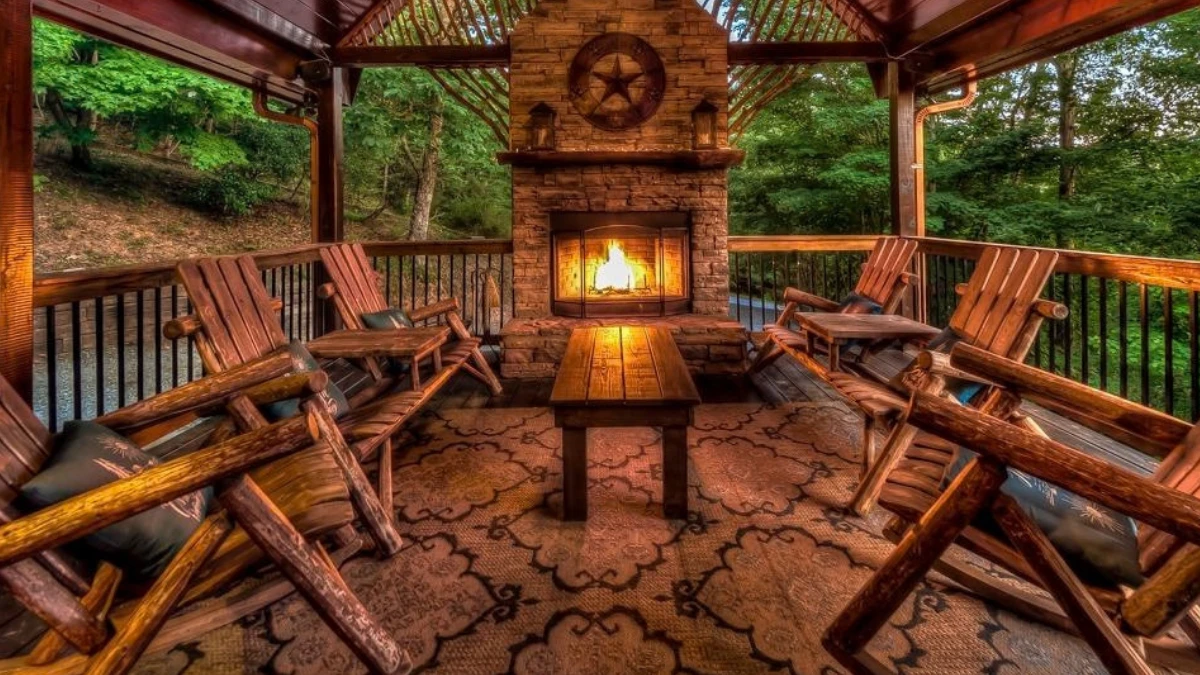
A roaring fireplace and a view of changing leaves make for great social media photos. But photos will not save your trip if the bedroom has no heat, the unpaved driveway is a sheet of ice, or your cell phone loses signal during a frost.
Fall travel brings rapid temperature drops, shifting weather, and shorter days. Focusing only on cozy indoor decor leads to cold nights, unexpected fees, and major headaches.
Before you put down a deposit, check 19 operational, geographic, and amenity details. Using a practical autumn vacation rental checklist ensures your trip stays comfortable, safe, and stress-free.
19 Fall Cabin Booking Details That Matter More Than the Fireplace
1. Primary vs. Secondary Heat Sources
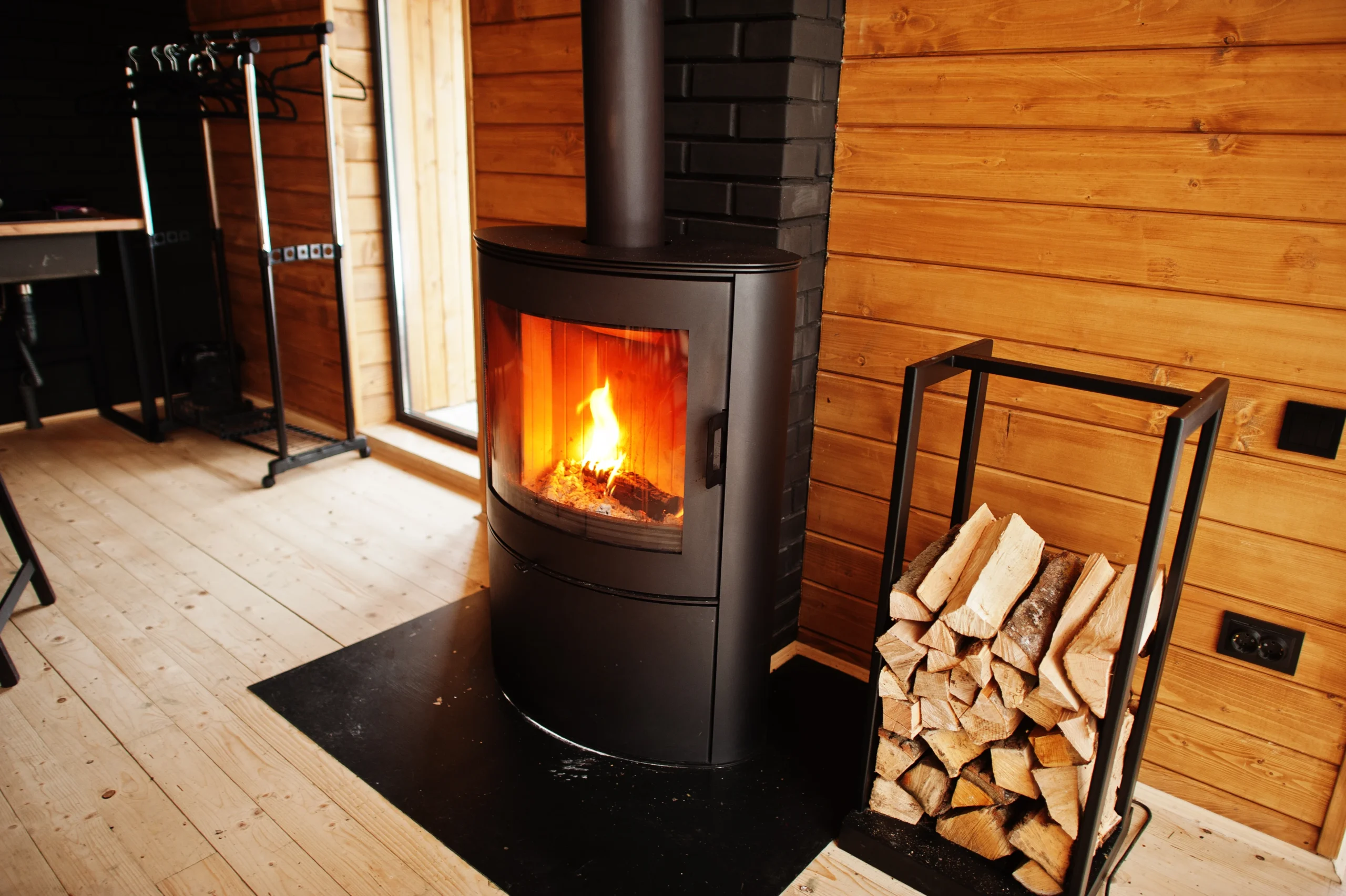
A fireplace or wood stove is supplementary heat. Ensure the cabin features a reliable central system, such as a furnace, heat pump, or baseboard heaters. Heat pumps lose efficiency rapidly when temperatures drop below 30°F. If the property relies on a heat pump, ask if it includes auxiliary electric resistance heat to handle sudden freezes.
2. Thermostat Restrictions and Lockouts
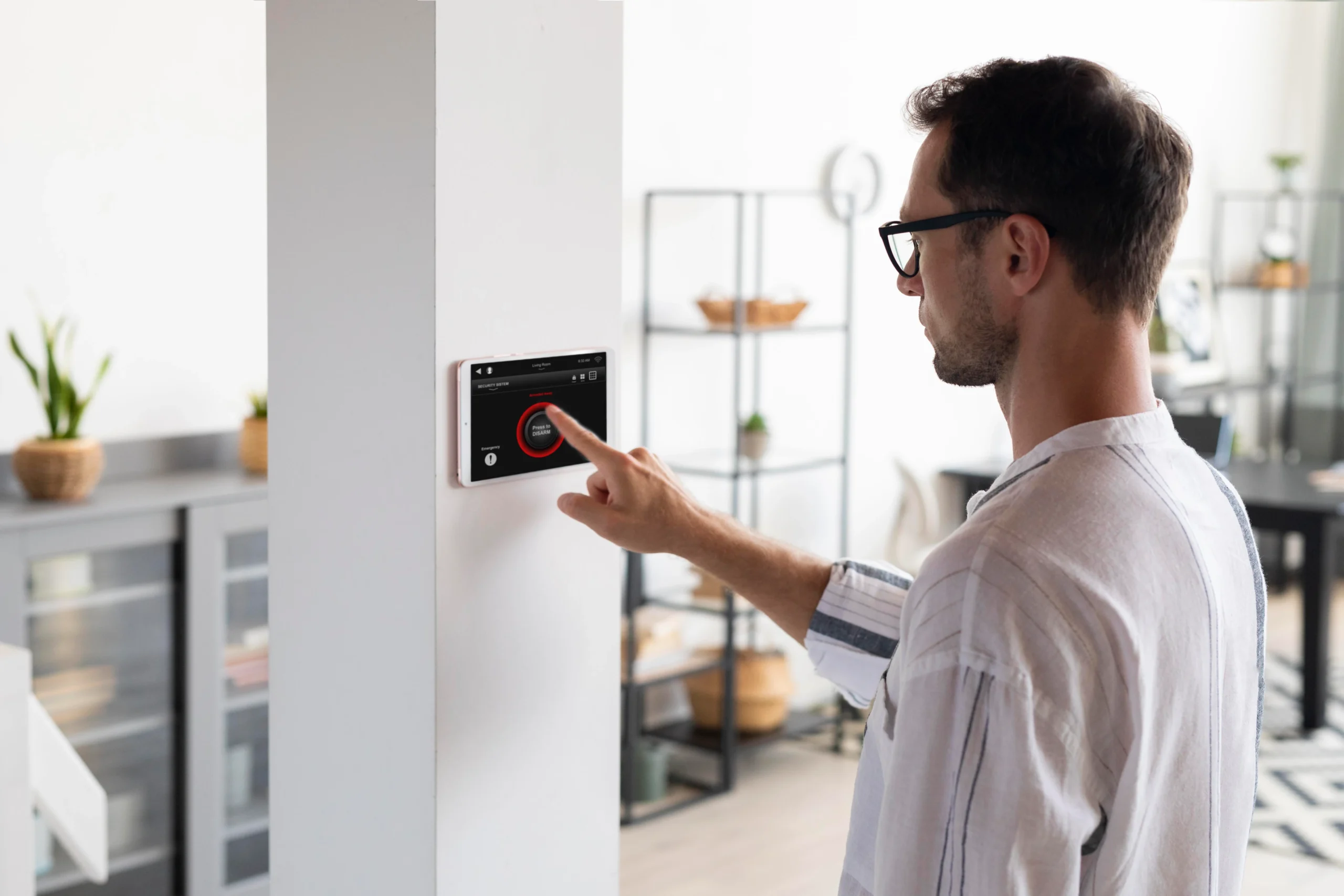
Many vacation rental owners use smart thermostats with strict temperature caps or remote lockouts. You might find the controls locked at 68°F during a night that dips into the 20s. Always confirm whether you have full access to adjust the thermostat.
3. Microclimate Elevation Drops
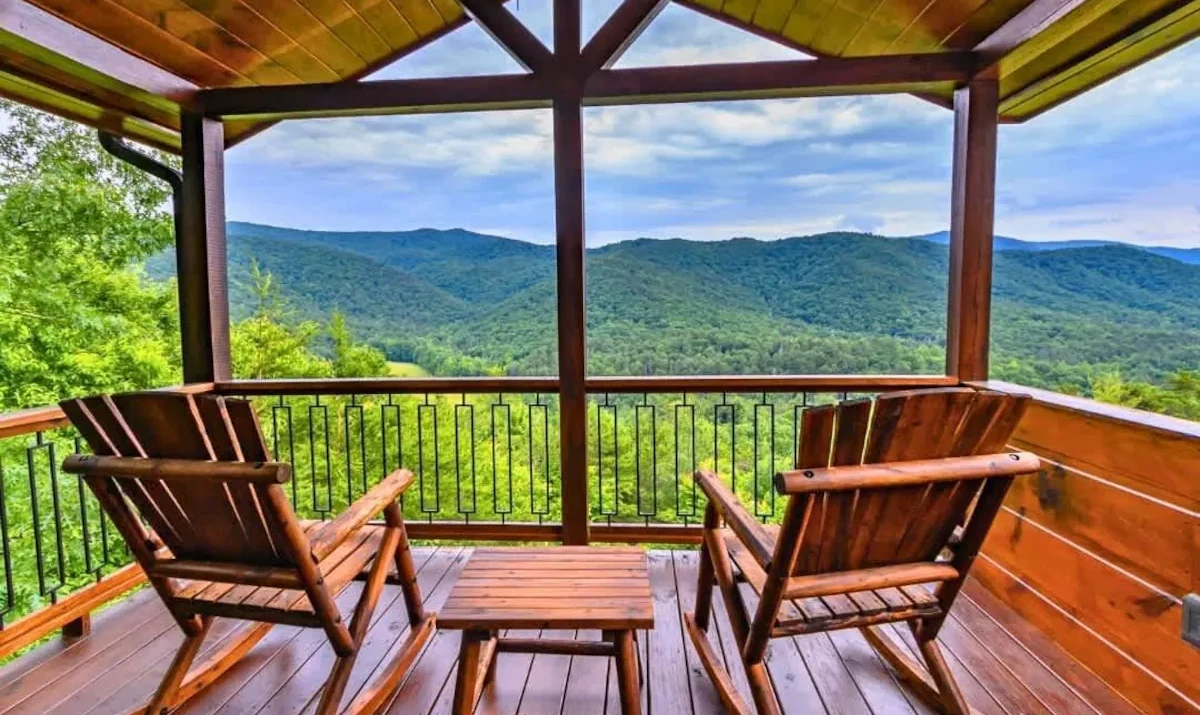
Cabins perched on ridge tops or tucked deep into valleys experience microclimates. A cabin at 3,000 feet elevation can experience sub-freezing mornings while the nearest valley town stays at 48°F. Always check the exact elevation of the property rather than relying on the general town forecast.
4. Road Surface Composition
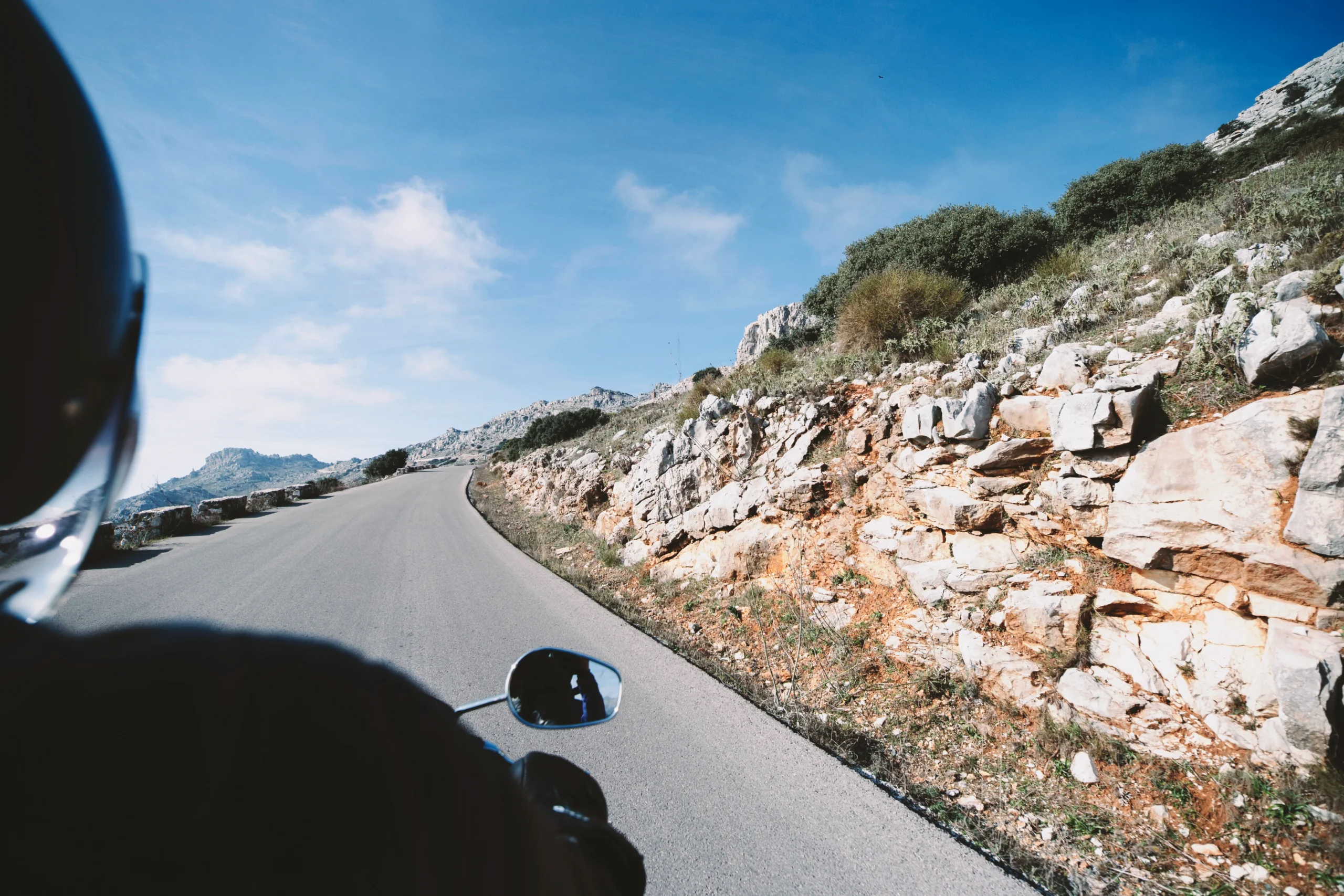
Ask directly about the road leading up to the cabin. Dirt and unpaved gravel roads become soft and muddy after rain, or slick during early frost. Black ice forms quickly on shaded mountain passes long before it appears on main highways.
5. Driveway Grade and Friction
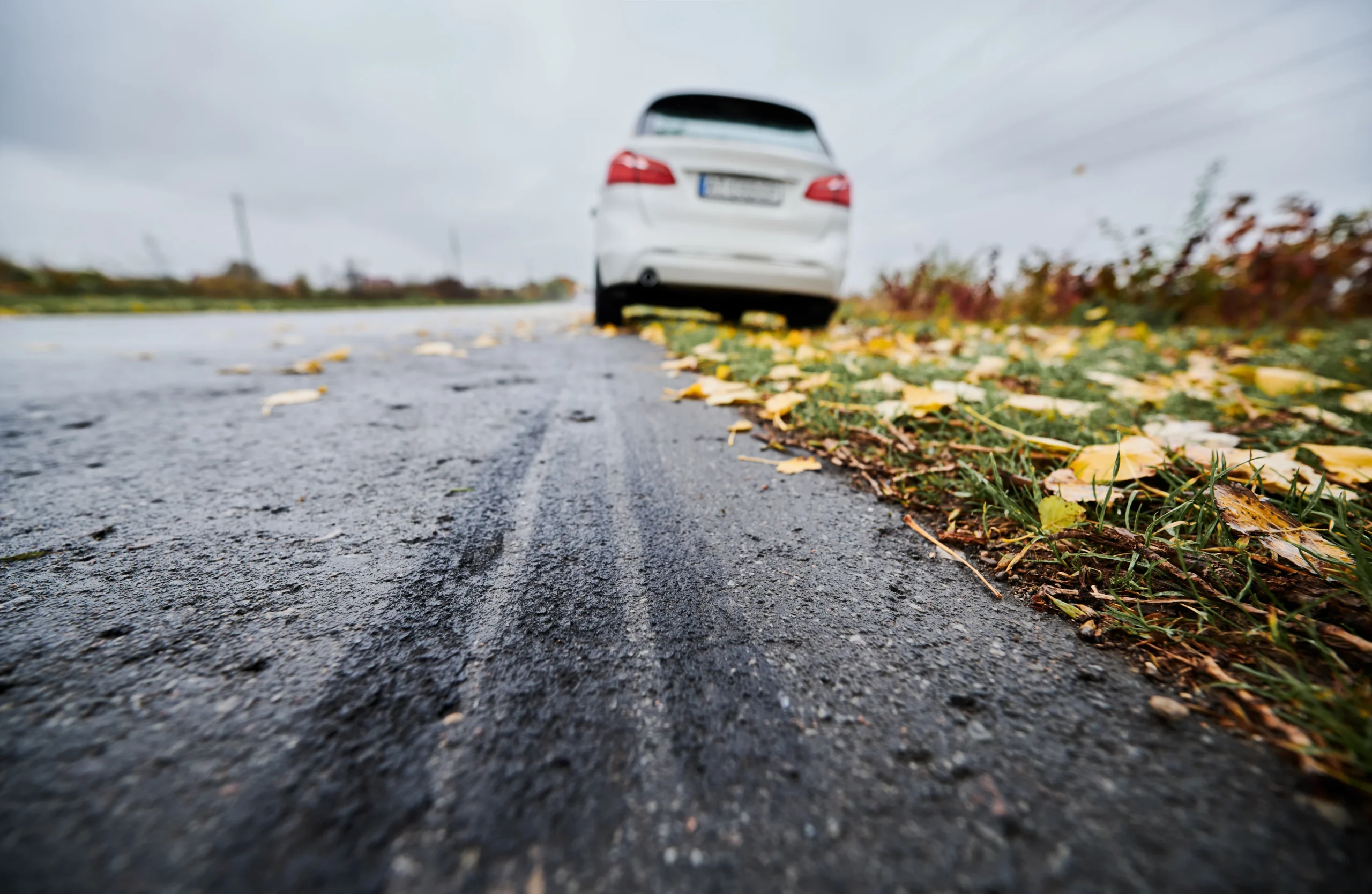
A steep 15-degree driveway becomes exceptionally slippery when wet leaves pile up. Fallen leaves reduce tire traction by over 40%, creating an unseen hazard equivalent to driving on wet ice.
Mountain Road Ready
Know the terrain before you drive. Small road hazards can become serious when fall weather changes conditions.
Unpaved Gravel Driveway
Use AWD or 4WD when loose gravel can reduce traction and make steep access roads harder to control.
Steep Incline > 10°
Check for recent leaf clearing and fresh gravel topping before tackling a steep section.
Shaded Mountain Curves
Aim for daylight arrival and watch for early morning black ice in shaded areas.
6. Arrival Lighting for Early Sunsets
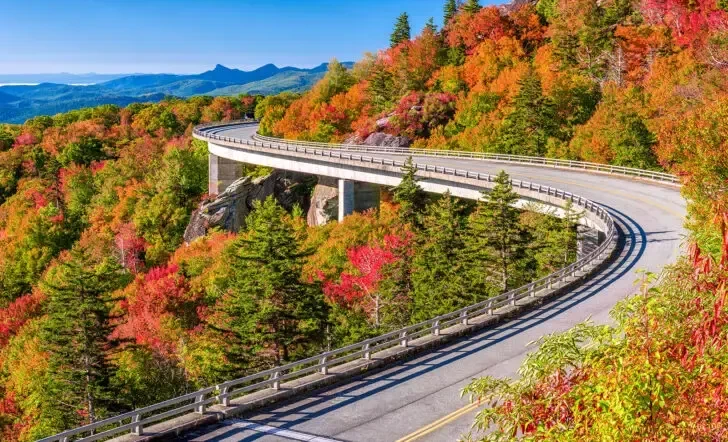
Autumn days shorten quickly, with sunsets arriving around 5:00 PM in many mountain areas. Narrow roads and unlit cabin driveways are hard to find in the dark. Check if the entry lockbox and exterior pathways have motion-activated lighting.
7. Power Outage Contingencies
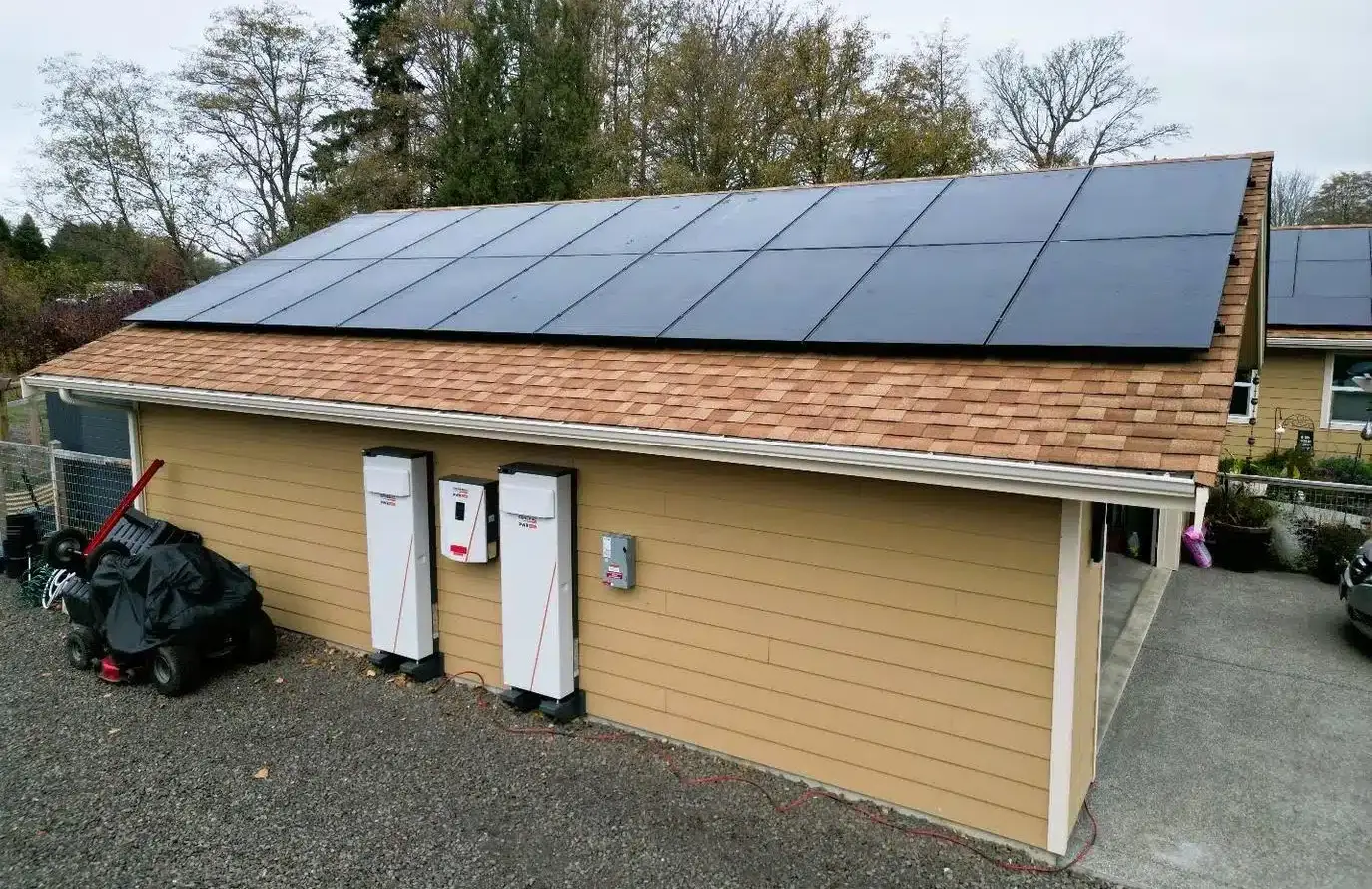
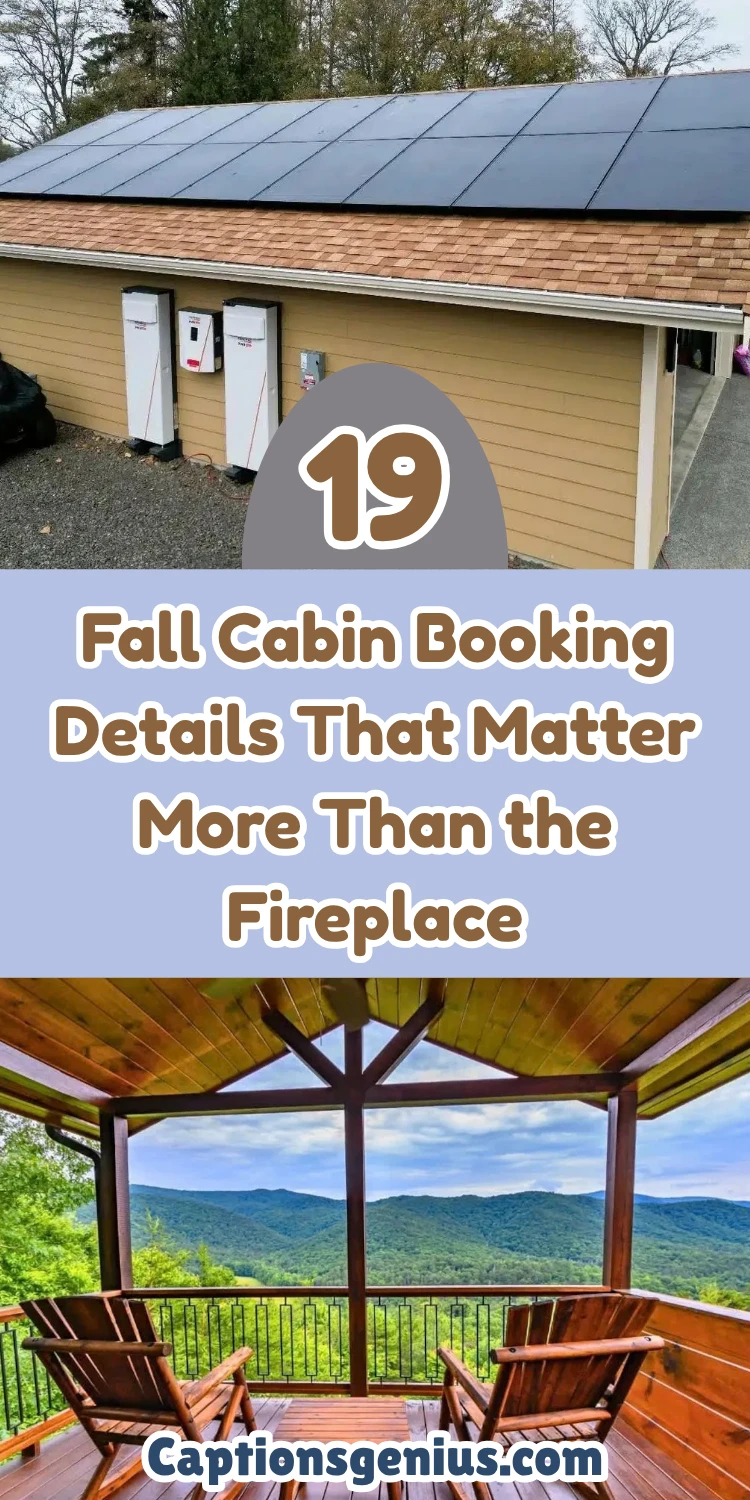
Rural power grids take longer to recover from storm damage. Check if the cabin provides a backup generator, solar battery system, or at least a supply of flashlights and extra batteries.
8. Emergency Dry Wood Supply
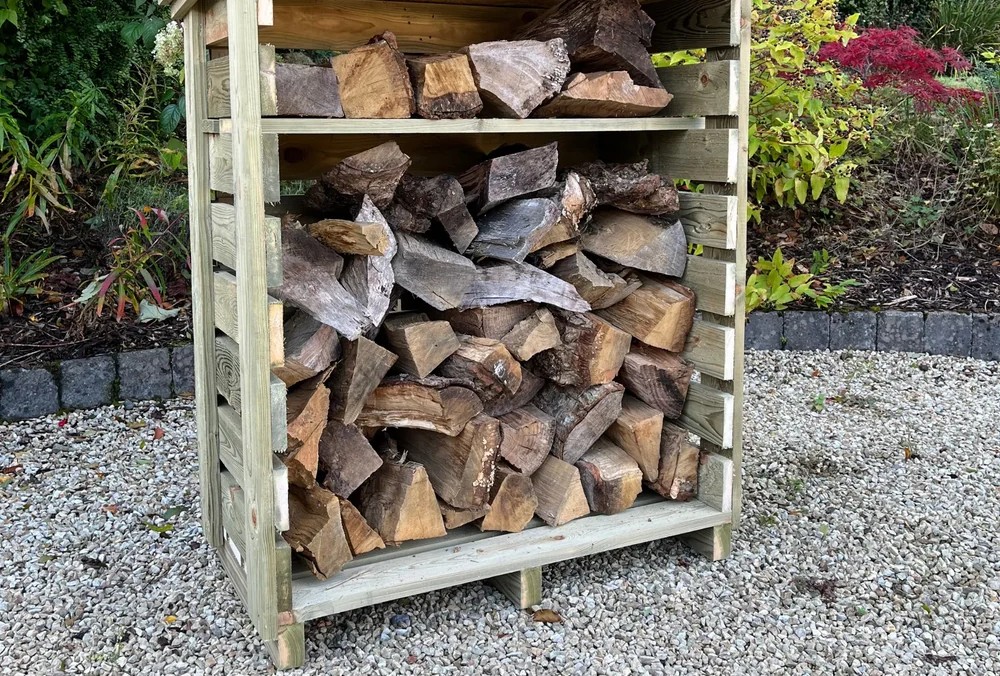
If power goes out, a wood-burning stove or fireplace becomes your emergency heat source. Confirm whether the host provides seasoned, dry firewood stored in a covered shed. Wet, unseasoned wood creates heavy smoke, burns poorly, and gives off little heat.
9. Real Internet Performance

Do not rely on listings that simply state “Wi-Fi included.” Satellite internet often suffers from high latency during heavy cloud cover or rain. If you plan to work remotely, request a current speed test screenshot from the host showing download and upload speeds.
10. Mobile Phone Coverage
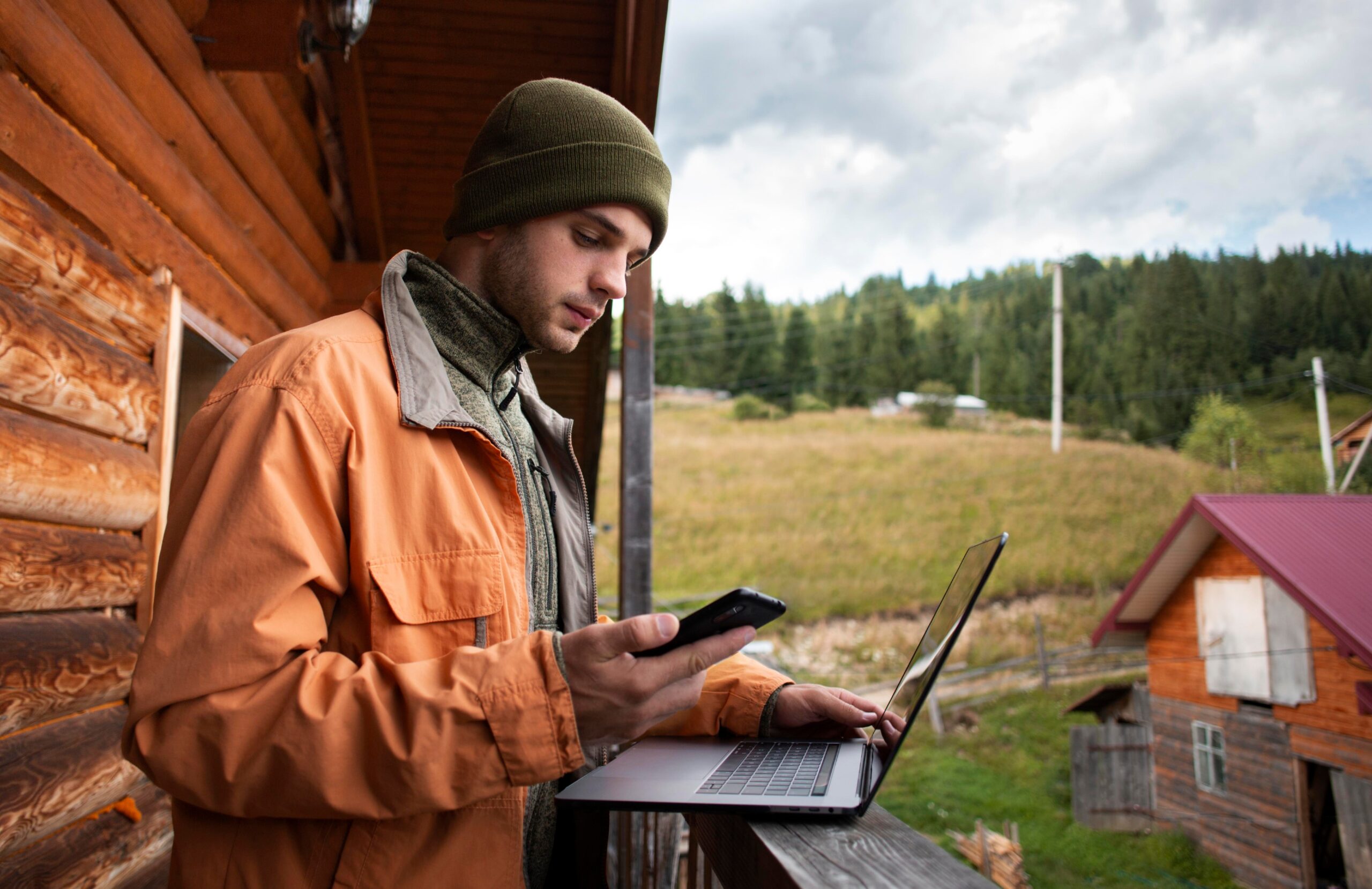
Cell service drops off quickly in mountain hollows and deep valleys. Ask which major carriers get reliable signal at the cabin. If coverage is poor, ensure the cabin has high-speed internet that supports Wi-Fi calling.
11. Hot Tub Maintenance and Heating Cycles
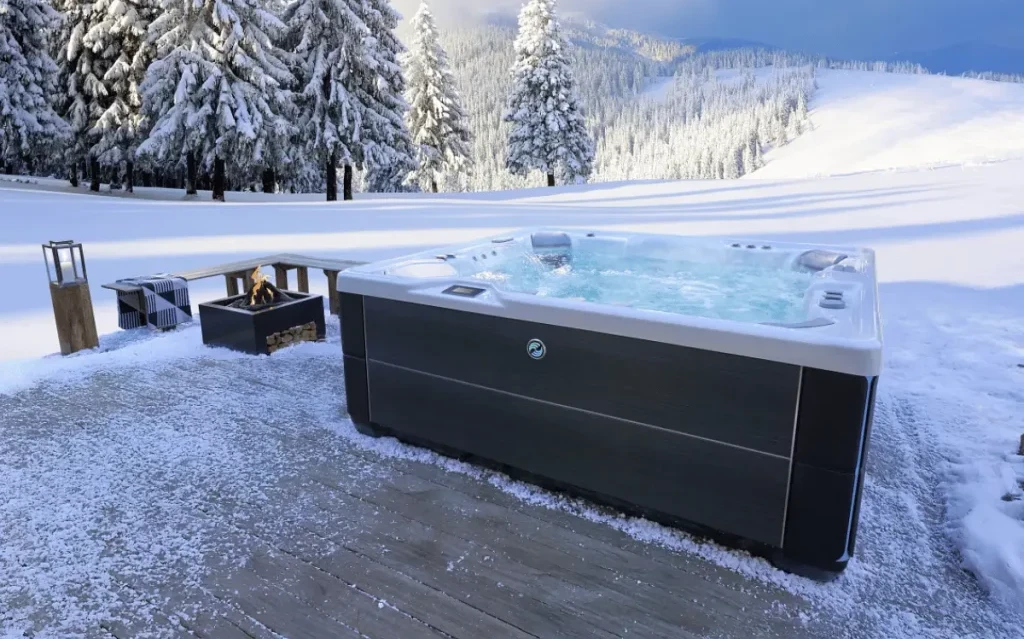
Hot tubs are top-rated amenities for fall trips, but cold ambient temperatures force the heater to work twice as hard. If the host drains and refills the tub between guests, it can take up to 12 hours to reach a comfortable 102°F. Verify when the tub is serviced so you do not spend your first night sitting in lukewarm water.
12. Local Fire Pit Restrictions
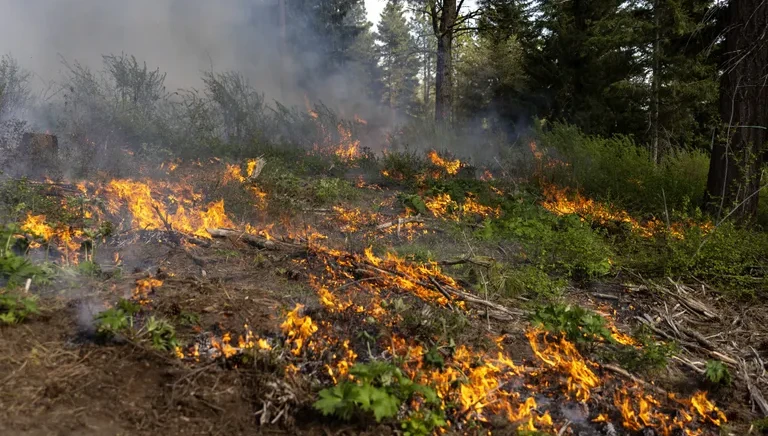
Falling leaves and dry autumn winds lead many mountain counties to implement strict burn bans. Check local county websites or ask the host if outdoor wood fires are currently allowed.
13. Well Water Dependencies
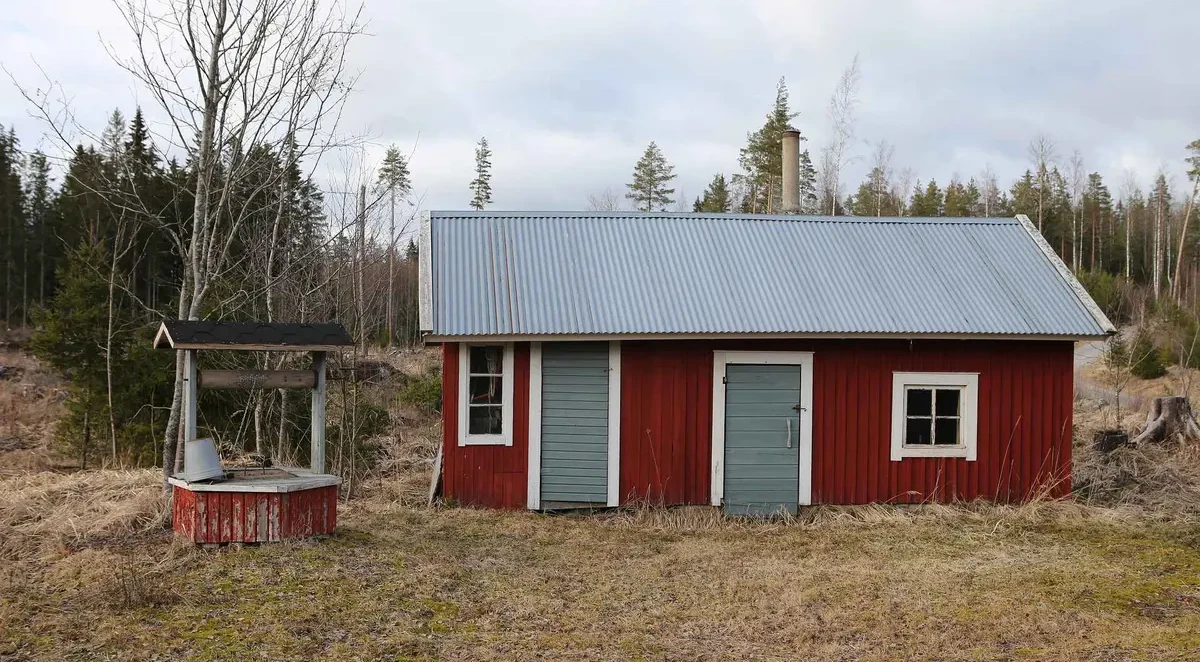
Many rural cabins rely on electric well pumps for running water. If a windstorm cuts power to the property, the well pump stops working immediately. Confirm that the host keeps backup potable water on site for emergencies.
14. Insulation and Window Glazing

Single-pane windows and uninsulated floorboards leak massive amounts of heat. Uninsulated floors over open crawlspaces can cause up to 25% of the cabin’s interior heat to escape. Look for double-pane windows or heavy thermal curtains in bedroom photos.
15. Seasonal Pest Controls

When outdoor temperatures drop, field mice, stink bugs, and ladybugs look for warm places to hide. Professional hosts seal entry points around foundations and doors before fall arrives. Read recent autumn reviews to see if previous guests complained about unwanted pests inside.
16. Bedding and Thermal Layers

Cold nights demand proper bedding. Confirm that bedrooms include heavy duvets, extra wool blankets, or heated mattress pads so you do not need to run space heaters overnight.
17. Foliage Flexibility and Cancellation Windows
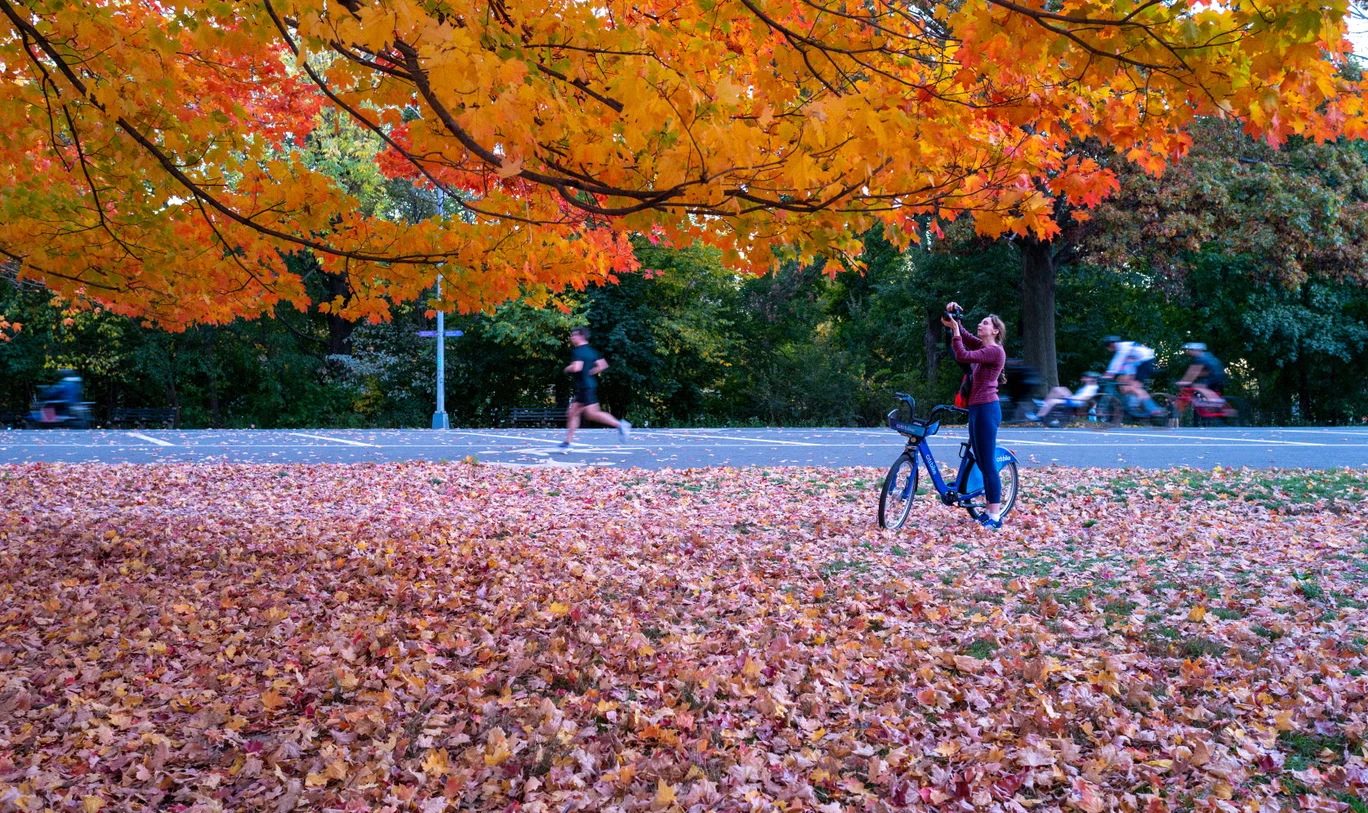
Peak foliage dates shift by up to two weeks each year based on late-summer rainfall and early autumn temperatures. Strict cancellation policies lock you into specific dates, regardless of leaf conditions. Look for properties with flexible cancellation terms if your main goal is to see peak colors.
18. Travel Insurance for Unseasonal Weather
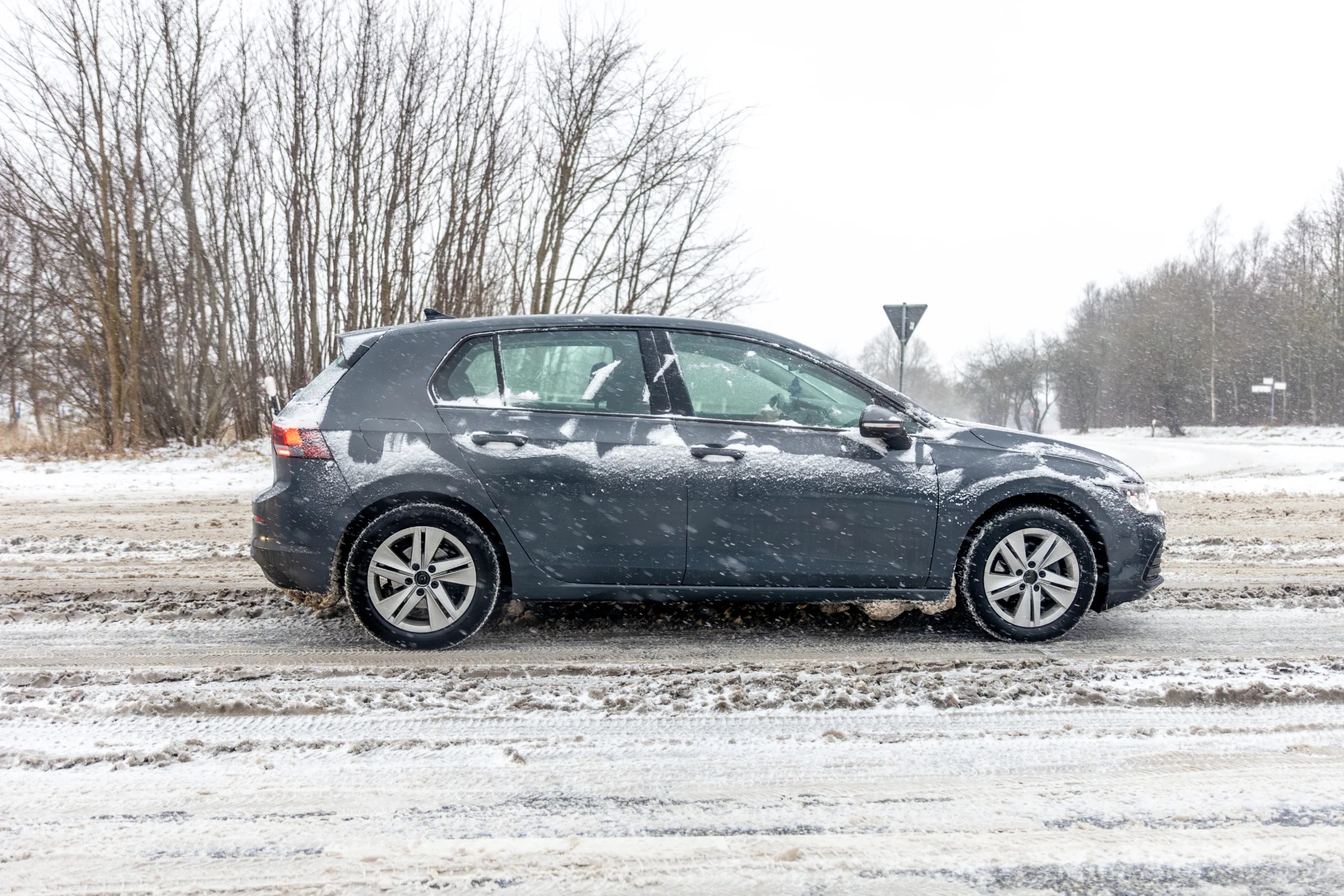
Early snowstorms can close mountain roads and block access to rentals. Standard cancellation policies rarely refund money for weather delays. Purchase travel insurance that covers weather-related road closures and trip disruptions.
19. Autumn Guest Rules and Maintenance
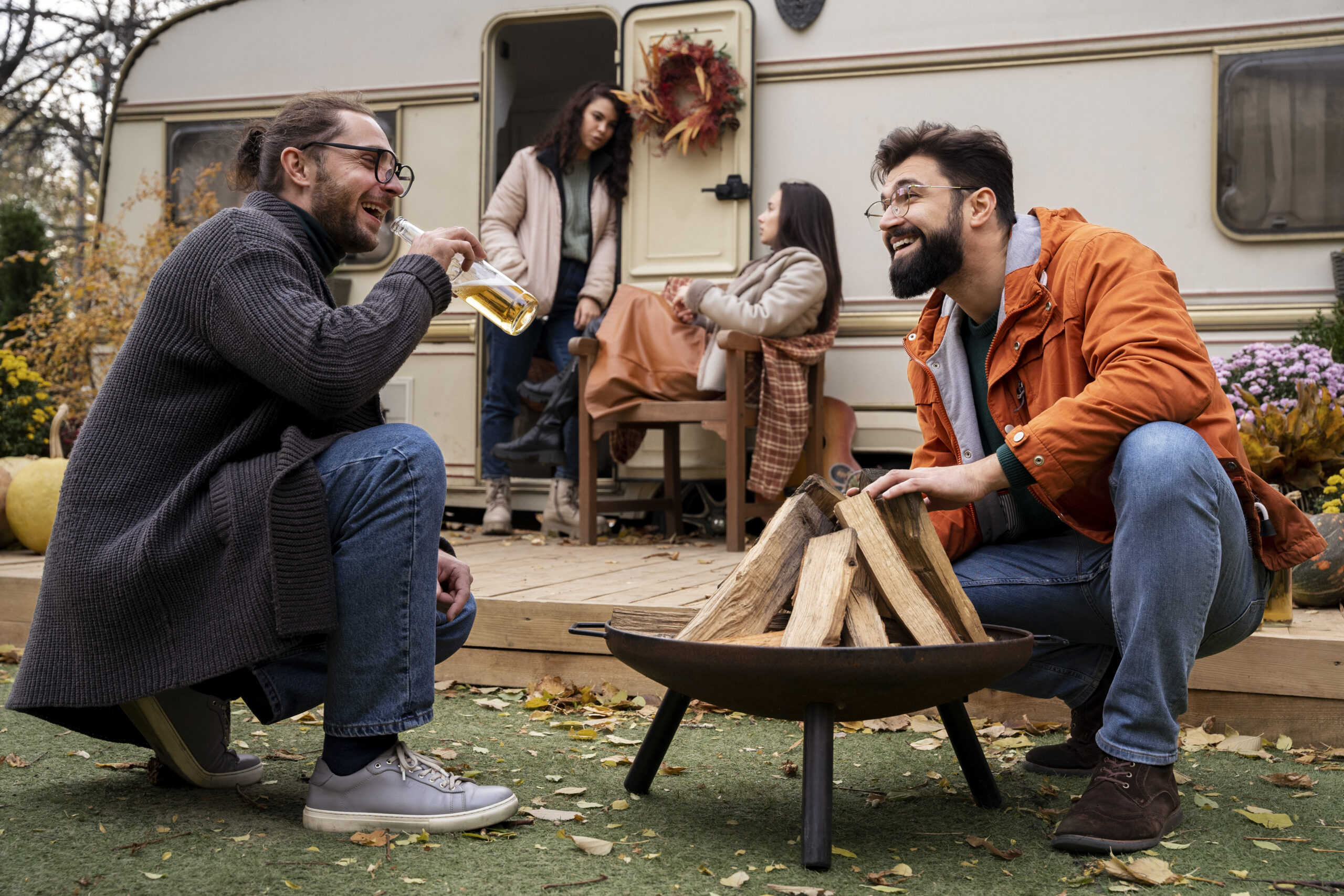
Some hosts require fall guests to perform extra seasonal chores, such as raking leaves off decks, cleaning fire pit ashes, or covering outdoor furniture. Review house rules in advance to avoid unexpected chores before check-out.