

Traditional retirement planning fixates on hitting a net worth goal. Yet it misses the core factor of retirement: your physical stamina, calendar control, and financial comfort evolve.
Most retirees miscalculate these shifting factors. They either underspend during active years out of fear, or overspend early and run low on resources later.
Understanding the levels of travel freedom in retirement allows you to balance portfolio longevity with actual physical capacity. You can align your trips with Michael Stein’s classic framework for go, go slow, go no-go retirement travel, ensuring your lifestyle matches your current retirement travel mobility levels.
7 Levels of Travel Freedom in Retirement: Which One Are You On?
7 Levels of Slow Travel
From short local escapes to a life built around location freedom, each level changes how long you stay, why you travel, and what it costs.
Micro-Escapes
Short trips work when budget or family limits make longer travel harder.
Off-Peak
Use calendar freedom to travel when crowds and peak prices are lower.
Extended Stays
Stay longer to enjoy seasonal weather and avoid uncomfortable travel periods.
Long-Haul
Longer international trips make the most sense when you have peak physical stamina.
Slowmading
Build a lifestyle around permanent location freedom instead of fixed home bases.
Intergenerational
Shared trips become possible with multi-generational funding and flexible planning.
Restorative
Put comfort and wellness first when ease and low-friction travel matter most.
Level 1: Localized Micro-Escapes (The Weekend Explorer)

This tier marks baseline mobility for retirees managing tight budgets or local family duties. Domestic retirement travel at this stage relies on short-haul driving trips under four hours from home.
You focus on state parks, regional cultural sites, and midweek room rates. These low-risk excursions help you test physical endurance after leaving the workforce.
Over 60% of retirees aged 65 and older restrict initial leisure travel to domestic, regional stays due to cost control and comfort
Level 2: Off-Peak Seasonal Travel (The Shoulder-Season Tourist)

Calendar control unlocks this tier. You no longer need to book around corporate schedules or school holidays.
Booking during shoulder months (May, June, September, and October) delivers direct financial savings. You get milder weather, fewer crowds, and 20% to 40% lower airfare and lodging costs.
Industry data shows that over 50% of senior traveler nights happen during shoulder months. This shift expands your options while preserving capital. You gain the core off-peak travel benefits that define greater travel freedom in retirement.
Level 3: Extended Snowbirding & Fixed-Base Stays

This level shifts you from fast-paced touring to seasonal residency. You rent or own a second location for one to three months each year.
The retirement snowbird lifestyle offers weather avoidance without constant packing. It requires stable passive income or a cash buffer to maintain a primary residence alongside seasonal rentals. It bridges traditional homeownership and total geographic independence.
Test the Place Before You Settle
A longer stay can help you learn what daily life is really like before making a major real estate decision.
1. Rent Before You Buy
Spend two months renting in your target region first. This gives you time to see if the area fits your daily routine before making a real estate commitment.
2. Cut Long Stay Housing Costs
Look at options such as Furnished Finder or TrustedHousesitters when planning a longer stay. These platforms can offer alternatives to standard short term rentals.
3. Check Healthcare First
Before booking an extended rental, verify local healthcare access. Check where nearby clinics, hospitals, pharmacies, and other needed services are located.
Level 4: Long-Haul Bucket-List Immersion (The “Go-Go” Peak)

This tier demands your highest annual expenditure and maximum physical stamina. It covers multi-week international itineraries across regions like Patagonia, Southeast Asia, or European rail routes.
This level targets the go-go retirement phase, which typically spans ages 60 to 72. Travel activity peaks during this age window, accounting for up to 26% of all leisure travel nights.
Travel More While You Can
Plan your early retirement years around your budget, health, safety, and bucket-list trips.
Spend More in the Early Years
Financial models often allow the largest discretionary drawdowns early in retirement. Up to 30% of annual discretionary income may go toward planned long-haul travel during this window.
Protect Your International Trips
Arrange comprehensive travel protection for international medical emergencies and evacuation before you leave.
Schedule Recovery Days
Add a rest day after roughly every three days of travel to give your body time to recover and keep the trip enjoyable.
Fund Your Bucket List Early
Shape your full-time retirement travel budget around bucket-list experiences while you have the health and energy to enjoy them.
Level 5: Slowmading (Location-Independent Living)

Slowmading means selling or renting out your primary home to live on the move. You stay one to three months per destination.
This approach uses geographic arbitrage. Living in lower-cost regions like Portugal, Thailand, or Mexico stretches portfolio longevity.
Slowmadism drops average daily accommodation costs by up to 45% compared to short hotel stays. This makes continuous movement competitive with suburban homeownership costs.
Level 6: Intergenerational & Legacy Travel (The Group Facilitator)

At this stage, you use financial freedom to host multi-generational family trips. You shift focus from personal bucket lists to shared experiences.
This level centers on intergenerational family travel. Popular choices include private villa rentals, ocean cruises, or multi-cabin train journeys.
Make Family Trips Feel Relaxed
Group vacations can bring everyone together, but the right pace, budget, and free time help every generation enjoy the trip.
Set the Budget Before Booking
Agree on clear financial boundaries before choosing group accommodations or paying deposits.
Give Every Age Group Options
Pick cruises or resorts with separate activities so children, adults, and older family members can choose what suits them.
Plan Shared Family Time
Schedule shared family meals and a few group activities without filling every hour of the vacation.
Leave Room to Slow Down
Keep afternoons open for individual downtime, giving everyone space to rest or do their own thing.
Level 7: Curated Experiential & Restorative Travel (The “Slow-Go” Transition)
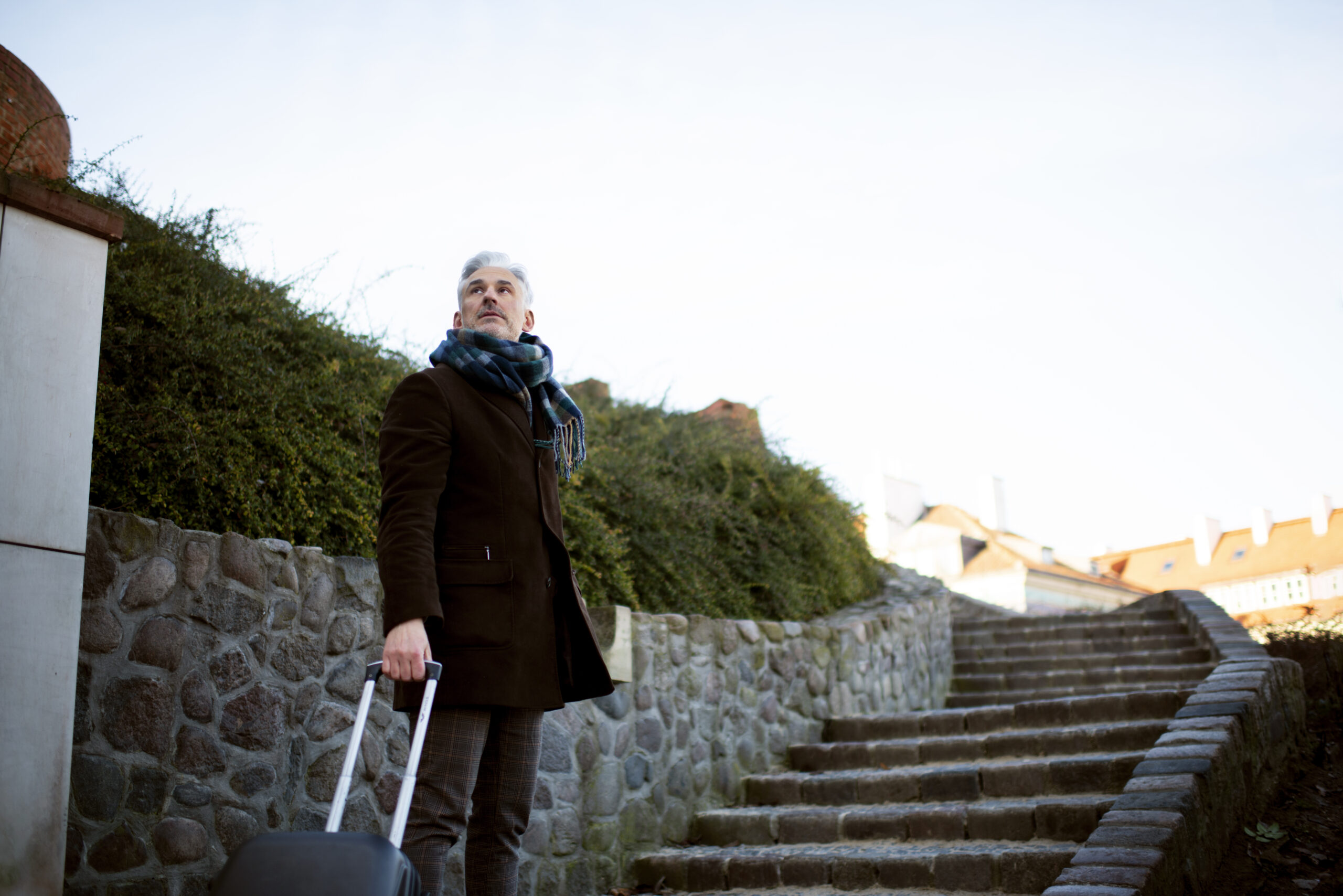
This level covers high-budget, low-friction travel centered on comfort and medical access. You transition from active exploration to private guided tours, river cruises, and wellness retreats.
It addresses the slow-go retirement phase as physical stamina changes. Over 40% of retirees past age 75 adapt their travel style due to health considerations.
Travel With Less Stress
Smart travel choices can reduce walking, transfers, and daily logistics while helping you stay comfortable and independent.
Choose Door-to-Door Travel
Private transfers and accessible itineraries can cut down on long walks and help you keep your independence.
Look for Full Mobility Support
Pick cruise operators and tour groups that provide medical staff and strong mobility support when needed.
Skip Long Airport Walks
A private airport transfer can reduce terminal walking and make the start of your trip easier.
Consider a Luxury River Cruise
River cruises can offer shorter walking distances between the ship and nearby sightseeing spots than large ocean liners.
Retaining full agency over your schedule matters at every stage. Adapting your logistics lets you travel comfortably regardless of age.
Travel freedom is not a fixed destination. It is a dynamic spectrum that moves alongside your portfolio drawdown rates and physical capabilities.
Assess your current levels of travel freedom in retirement today. Audit your travel budget, review your health requirements for the next three years, and pick the tier that fits your life right now.