

You can pay for your flight, reserve the hotel, pack every bag, and still have the trip fall apart at airport security. The problem may be sitting in your wallet right now.
The TSA passport and ID rules have changed enough that an ID you used for years may no longer work by itself. REAL ID enforcement is active, and TSA added another major change in February 2026 for travelers who arrive without acceptable identification.
International travelers have another set of issues. Passport validity rules differ by country, Europe now uses a new biometric border system, and passport renewal timing can leave you with less time than you think.
1. Your Old Driver’s License May No Longer Get You Through TSA
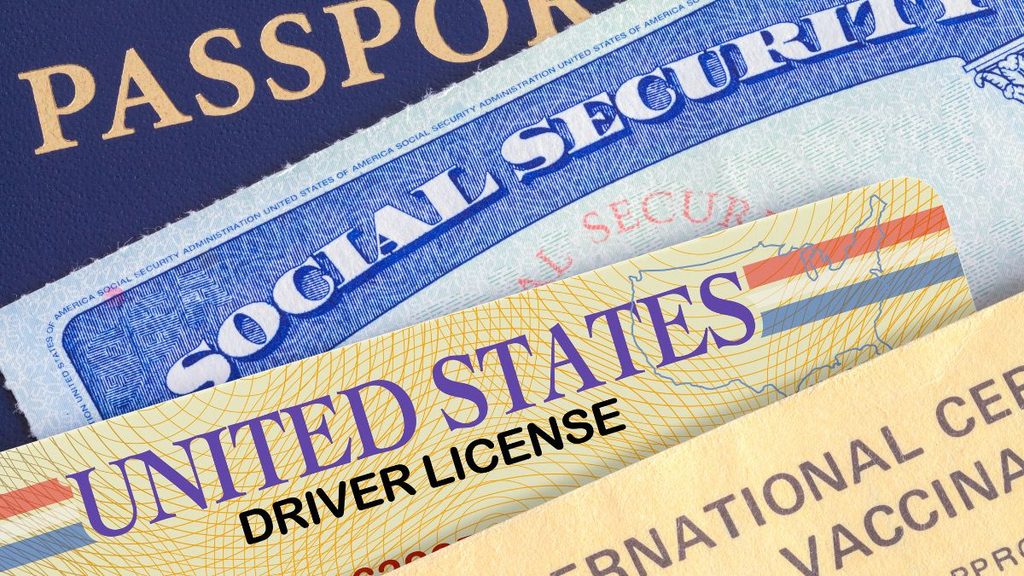
The REAL ID deadline is no longer something travelers can keep pushing into the future. Federal REAL ID enforcement began on May 7, 2025.
Travelers age 18 and older now need a REAL ID compliant state license or another TSA accepted form of identification when going through airport security. The requirement also applies to TSA PreCheck passengers.
That does not mean every traveler needs to get a REAL ID.
A valid U.S. passport book or passport card can also work for domestic airport screening. Several other federal and government issued documents qualify as well.
State license designs can look different, so do not depend on a symbol you saw in a social media post. Check your license against information from your own state’s motor vehicle agency.
Check your wallet before your next flight
Take out the identification you usually carry and check four things:
- Is it REAL ID compliant?
- Has it expired?
- Do you have another accepted identification document?
- Does the name match the name used for your airline booking?
Doing this weeks before a trip gives you time to fix a problem without airport stress.
2. Flying Without Acceptable ID Can Now Cost You $45

One of the biggest TSA changes in 2026 affects travelers who arrive without acceptable identification.
Starting February 1, 2026, TSA introduced TSA ConfirmID, an optional identity verification process for travelers without a REAL ID or another acceptable form of identification.
The fee is $45 and covers a 10 day travel period.
Paying that fee does not create a temporary REAL ID. TSA instead attempts to verify your identity through its system before deciding whether you can continue through security.
If your identity can be confirmed, you may still face extra screening. If TSA cannot verify your identity, you could still be unable to pass through the checkpoint.
That makes ConfirmID a backup option rather than something you should plan to use.
Why the $45 charge matters
A traveler who already owns a valid passport can avoid this problem simply by carrying it.
A passport card can also work as a TSA accepted document for domestic flights. A first adult passport card currently costs $65 when the application and acceptance fees are combined.
That means one passport card can cost only $20 more than a single ConfirmID payment.
3. TSA Accepts More Backup IDs Than Many Travelers Realize
A driver’s license and passport book are not your only choices at airport security.
TSA accepts several types of identification that travelers may already have sitting at home.
| Identification | Accepted by TSA? | Important limit |
|---|---|---|
| REAL ID compliant driver’s license | Yes | Must meet federal standards |
| U.S. passport book | Yes | Also works for international air travel |
| U.S. passport card | Yes | Does not work for international air travel |
| Global Entry card | Yes | Must be a valid DHS trusted traveler card |
| NEXUS, SENTRI, or FAST card | Yes | Must meet TSA requirements |
| Permanent resident card | Yes | Carry the physical credential |
| U.S. military ID | Yes | Includes qualifying dependent IDs |
| Federally recognized Tribal photo ID | Yes | Must meet TSA accepted criteria |
| Foreign government passport | Yes | Must meet current TSA requirements |
TSA currently allows certain accepted IDs to be used for up to two years after expiration.
A temporary driver’s license, however, is generally not accepted as identification at the checkpoint.
That expired ID rule can help in an emergency, but it should not become your regular travel plan. Airlines, rental car companies, hotels, and foreign governments may have different rules.
A passport card can make a useful backup
The passport card deserves attention because it fits inside a normal wallet. It works for domestic TSA screening and is REAL ID compliant. But there is one major catch.
A passport card cannot replace a passport book for international air travel.
The card can be used for certain land and sea travel involving Canada, Mexico, Bermuda, and some Caribbean destinations, but it cannot be used to fly internationally.
Keep your passport book if international trips are part of your plans.
4. Digital ID Is Growing, but You Should Still Carry Physical ID

Airport identification checks are becoming more digital.
Eligible travelers can now use certain mobile driver’s licenses and Digital IDs at more than 250 participating airports. Availability depends on your state, airport, digital wallet, and credential.
That can make the identification check faster and easier.
But you should not leave your physical identification at home just because your phone holds a Digital ID.
TSA still recommends carrying an acceptable physical document for situations where another form of verification is needed.
Phones can die. Airport readers can have problems. Your departure airport may support your Digital ID while your return airport does not.
Digital passports have limits too
A passport stored digitally on a phone may work for supported domestic TSA identity checks.
It does not replace your physical passport book when crossing an international border.
That difference is easy to miss because both documents may appear inside the same digital wallet.
Use the digital version for convenience when supported. Carry the physical document as backup.
TSA also says biometric identity technology at checkpoints is voluntary. Travelers can ask for the normal identity verification process instead.
5. Your Passport Can Be Valid and Still Be Too Close to Expiration
This is one of the most common passport mistakes.
Your passport can still show several months before expiration and still fail to meet the entry rules for your destination.
Some countries require your passport to remain valid for at least six months beyond your trip.
Airlines can refuse to let you board when your passport does not meet the destination country’s entry rule.
But six months is not a universal requirement.
Europe uses a different rule
For many short visits to countries in the Schengen area, the passport generally needs to remain valid for at least three months after the date you plan to leave the Schengen area.
The passport normally must also have been issued within the previous 10 years.
That is why saying every European country uses a six month rule can lead travelers in the wrong direction.
Different countries can set different conditions.
Check these five passport details before booking
Before paying for an international trip, look at:
- Required passport validity
- Required blank passport pages
- Visa rules
- Electronic travel authorization requirements
- Rules for children and dual citizens
Do this before buying a nonrefundable ticket.
A passport expiration date is only part of the story. The destination country’s entry rule is what decides whether the passport is usable for that trip.
Passport Validity Problems Travelers Often Miss
| Situation | Possible problem | What to do |
|---|---|---|
| Passport expires four months after trip | Some destinations may require six months | Check country rules before booking |
| Traveling to the Schengen area | Three month post departure rule often applies | Confirm dates before buying airfare |
| Passport issued more than 10 years ago | May cause problems in parts of Europe | Review entry requirements |
| Passport has very few blank pages | Some countries require available pages | Check before travel |
| Child passport looks current | Child passports expire sooner than adult passports | Check the exact expiration date |
6. Waiting Too Long to Renew Your Passport Can Still Ruin a Trip
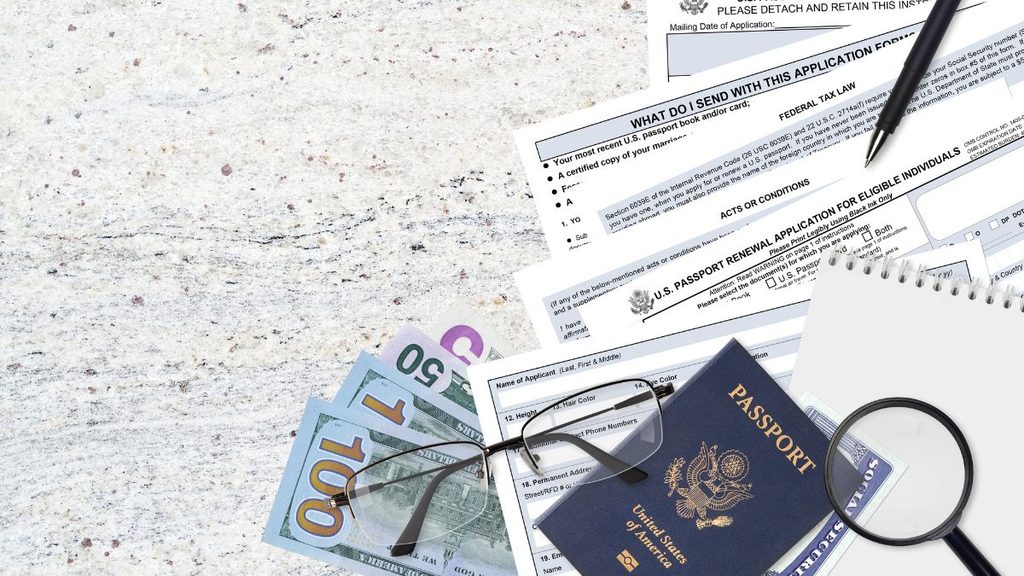
Passport processing has improved compared with some of the long delays travelers experienced in previous years.
Current State Department estimates list routine passport processing at around four to six weeks.
Expedited processing is around two to three weeks and costs an additional $60.
But those estimates do not tell the whole story.
Mailing time can add more days or even weeks. Your application has to reach Passport Services, and the finished passport then has to come back to you.
Passport timing in 2026
| Service | Current timing or rule | Added cost |
|---|---|---|
| Routine processing | About 4 to 6 weeks | Standard passport fees |
| Expedited processing | About 2 to 3 weeks | Extra $60 |
| Mailing to Passport Services | Can add extra time | Depends on mailing method |
| Return delivery | Can add extra time | Faster shipping may cost more |
| Urgent passport appointment | For qualifying travel within 14 calendar days | Applicable fees |
| Online renewal | Routine service only | Standard renewal fee |
The safest approach is to start the renewal process well before the minimum processing estimate.
Online renewal can help, but it has limits
Eligible adults can renew passports online, but the system is not available for every traveler.
The passport being renewed generally needs to meet age, issue date, expiration, condition, and personal information requirements.
Travel timing matters too.
Online renewal is meant for people who do not have international travel coming up within the required waiting period.
Online passport renewal also cannot be expedited.
Another important detail is that your old passport may become invalid during the renewal process. You cannot assume you can submit the online application and keep using the old passport until the new one arrives.
What adult passports currently cost
For a first adult passport application, current fees include:
- Passport book: $130 application fee plus $35 acceptance fee
- Passport card: $30 application fee plus $35 acceptance fee
- Passport book and card together: $160 application fee plus $35 acceptance fee
Adult renewals currently cost $130 for a passport book, $30 for a passport card, or $160 for both.
Government fees can change, so confirm the current amount before submitting payment.
7. Children Follow Different ID Rules Than Adults

Parents often hear that children do not need identification and assume that rule applies to every trip.
It does not.
For domestic flights inside the United States, TSA does not require children under 18 to provide identification when they are traveling with an adult.
Airlines can still have their own policies.
A carrier may ask for proof of age for certain tickets, lap infants, or discounted fares. Check directly with the airline before leaving home.
International travel is very different
Children traveling internationally generally need their own passport.
A child cannot simply be included on a parent’s passport.
Passports issued to children under age 16 are valid for five years. They also cannot be renewed in the same way as a standard adult passport.
The child normally needs to apply again through the required application process.
Traveling with only one parent may require more paperwork
Some countries ask for additional documents when a child is traveling with one parent, another relative, or an adult who is not the child’s legal guardian.
A consent letter from an absent parent may be recommended or required depending on the destination.
Parents should also consider carrying proof of their relationship to the child, such as a birth certificate copy when appropriate.
Family Travel Document Checklist
| Situation | What to check |
|---|---|
| Child under 18 on domestic U.S. flight | TSA does not require identification |
| Airline needs proof of age | Check the carrier’s own policy |
| Child traveling internationally | Child needs the proper passport |
| Child under 16 needs another passport | New application is generally required |
| One parent traveling with child | Check consent document rules |
| Adult traveling with someone else’s child | Check destination permission requirements |
The safest approach is to check both the airline and the destination country.
What worked on a family trip three years ago may not match the rules for your next flight.
8. Europe’s New Border System Changes What Happens to Your Passport
Travelers heading to Europe in 2026 may notice a major change when they arrive.
The European Union’s Entry Exit System, known as EES, became fully operational on April 10, 2026 at participating external Schengen border points.
The system affects many travelers from outside the European Union making short visits.
Instead of relying mainly on traditional passport stamps, border authorities can record passport information, entry and exit details, a facial image, and fingerprints.
That means someone who has traveled to Europe for years may face a different arrival process in 2026.
What happens when you arrive
Affected travelers may have passport information scanned and biometric information recorded.
The process helps authorities track when travelers enter and leave participating countries.
The system also helps calculate the allowed stay for short term visitors.
First time registration may take more time than later visits because biometric information may need to be collected.
Allow extra time at border control, especially during busy arrival periods.
ETIAS is a separate system
EES and ETIAS are often confused online.
They are different.
EES is the border entry and exit recording system.
ETIAS is a planned travel authorization system for many travelers who can currently visit participating European countries without a visa.
As of September 2026, ETIAS has not started yet.
European authorities say it is planned for the last quarter of 2026, but travelers should wait for the official launch announcement before applying.
Once active, the application fee is expected to be €20 for many applicants.
Be careful with third party websites that claim you must buy an ETIAS authorization before the official system opens.
3 Airport Rules Travelers Keep Mixing Up With the New ID Changes

Some airport rules getting attention online are not actually new.
That matters because old videos and social posts often mix REAL ID changes with completely separate TSA policies.
The liquids rule is still in effect
The standard carry on liquids rule still applies at U.S. checkpoints.
Ordinary liquids, gels, and aerosols must generally be in containers of 3.4 ounces or 100 milliliters or less.
Those containers must fit inside the allowed quart size liquids bag.
Larger shampoo bottles, lotions, perfumes, drinks, and similar products can still be stopped during screening.
There are exceptions.
Medically necessary liquids, breast milk, formula, toddler drinks, and certain baby foods can receive different treatment and may be allowed in larger amounts.
Do not assume newer airport scanners mean the liquid rule has disappeared nationwide.
TSA PreCheck does not replace acceptable identification
PreCheck can make the security process faster, but it does not cancel the identification rules.
You still need acceptable identification at the checkpoint.
Current enrollment prices also vary depending on the provider, so old claims that TSA PreCheck always costs exactly $78 are no longer accurate.
The price is currently around the upper $70 range to mid $80 range for a new enrollment, depending on the provider.
Arriving early still matters
The correct identification cannot save you from highway traffic, parking delays, long bag drop lines, crowded terminals, or unexpected screening.
TSA commonly recommends arriving about two hours before scheduled departure.
Many airports and airlines suggest about three hours for international departures.
Busy travel dates may require even more time.
Your airline and departure airport should guide your final decision because check in cutoffs, airport size, terminal congestion, and international document checks can differ.
The 10 Minute Travel Document Check to Do Before Your Trip
You do not need to memorize every TSA rule. Follow this short check before airport day to catch the problems most likely to delay your trip.
Confirm whether it meets current REAL ID requirements.
A passport or passport card can give you another TSA accepted option.
Compare the expiration date with the entry rule for your exact destination.
Domestic and international travel rules for children can be very different.
Passport processing estimates may not include mailing time.
If you are going to Europe, check current EES and ETIAS requirements before departure.
Keep acceptable physical identification with you even if you use Digital ID.
Review TSA and destination entry requirements shortly before your trip because policies can change.
What Could Actually Stop or Delay Your Trip?
| Problem | Possible result | Best prevention |
|---|---|---|
| Noncompliant driver’s license | Extra identity verification or checkpoint problems | Carry REAL ID or accepted alternative |
| No acceptable ID | $45 ConfirmID process and possible delay | Pack backup identification |
| Passport validity too short | Airline may refuse boarding | Check destination rules |
| Passport renewal started too late | Passport may not arrive before departure | Renew months ahead |
| Missing child documents | Airline or border delays | Check family travel rules |
| No physical backup for Digital ID | Problems if digital verification fails | Carry physical ID |
| Unprepared for EES in Europe | Longer border processing | Allow extra arrival time |