

You may have pictured retirement in Florida, Arizona, or a pretty mountain town. Then you checked home prices.
That can change the plan fast. The median existing home sold for $429,100 nationally in August 2026, according to National Association of Realtors data reported by Reuters and AP. For retirees trying to protect savings, putting $400,000 or more into another house may not make sense.
That is helping smaller communities get another look. HireAHelper counted more than 2.1 million moves by Americans age 65 and older in 2025.
Its research found that older movers are paying close attention to affordable housing, practical layouts, health care, and places where everyday costs remain manageable.
1. Paris, Tennessee Lets Your Housing Budget Breathe
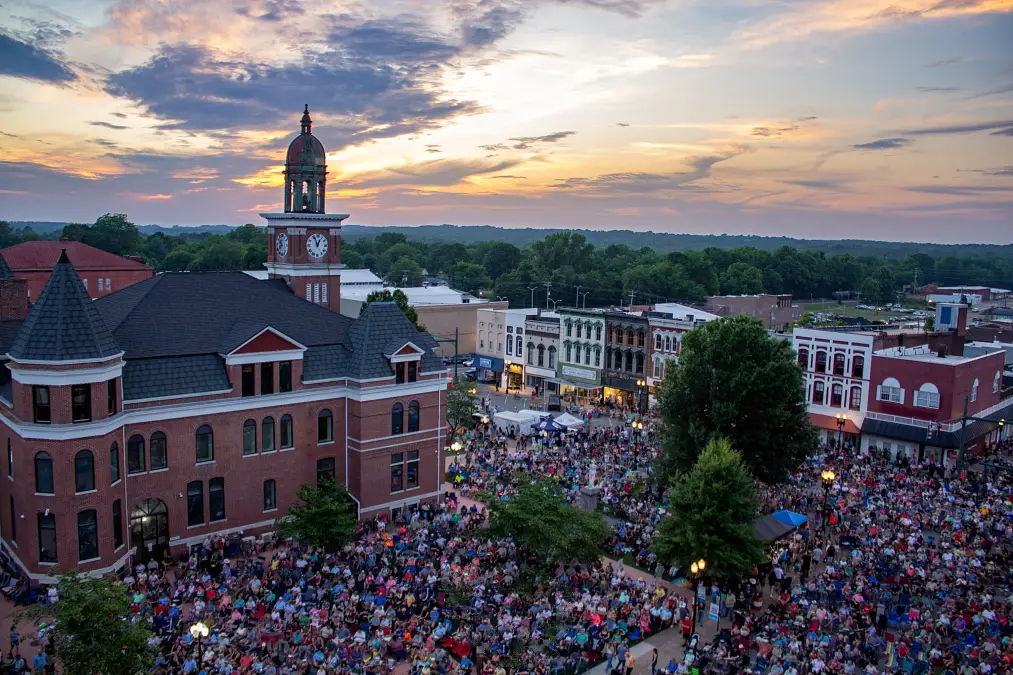
Paris is the kind of town retirees can miss because it does not have the name recognition of Nashville, Knoxville, or Chattanooga. That may be part of its appeal.
Investopedia’s retirement research placed the local median home value around $142,700, with rents far below national levels. Tennessee also has no broad state personal income tax, so Social Security, pensions, and retirement account withdrawals are not taxed by the state.
You still get useful services. West Tennessee Healthcare Henry County Hospital is in the area, while Paris Landing State Park gives you access to Kentucky Lake, boating, fishing, trails, and golf.
2. Corning, Iowa Makes a Small Retirement Budget Stretch
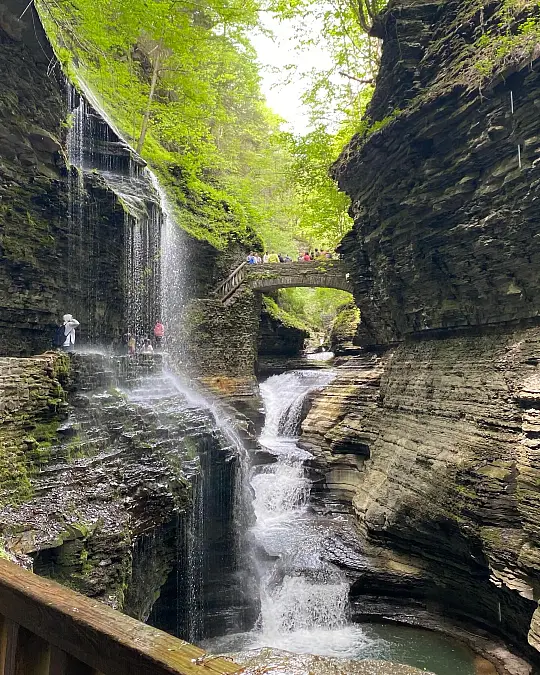
Corning has around 1,500 residents, yet it avoids one problem common in very small towns: having no useful health care nearby.
Recent Investopedia data put its average home value at about $150,614 and typical rent near $810 a month. CHI Health Mercy Corning provides local medical care, while Lake Icaria, the Corning Opera House, parks, and a traditional Main Street give residents places to stay active.
Taxes add another benefit. Iowa lets qualifying taxpayers age 55 and older exclude eligible pension, IRA, annuity, and other retirement plan income from state taxable income.
3. Weirton, West Virginia Keeps Home Prices Remarkably Low
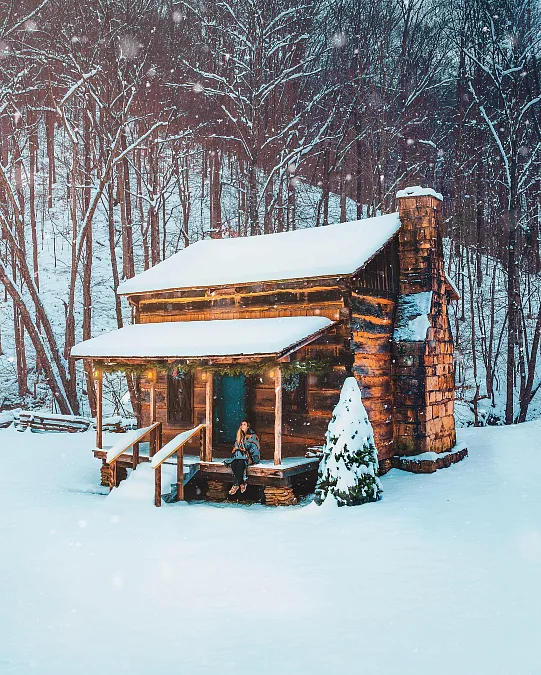
Weirton sits in a useful location for retirees who want inexpensive housing without feeling completely cut off.
MoneyLion’s 2026 analysis put its average home value at about $151,732 and estimated annual living costs at roughly $32,787. That is one of the lowest housing figures in its entire retirement town ranking.
Current cost data also puts Weirton’s overall living costs below the national level. Pittsburgh is within regional driving distance, which can help when you need a larger airport, major shopping, or specialist medical care.
4. Hibbing, Minnesota Combines Cheap Homes With Serious Health Care
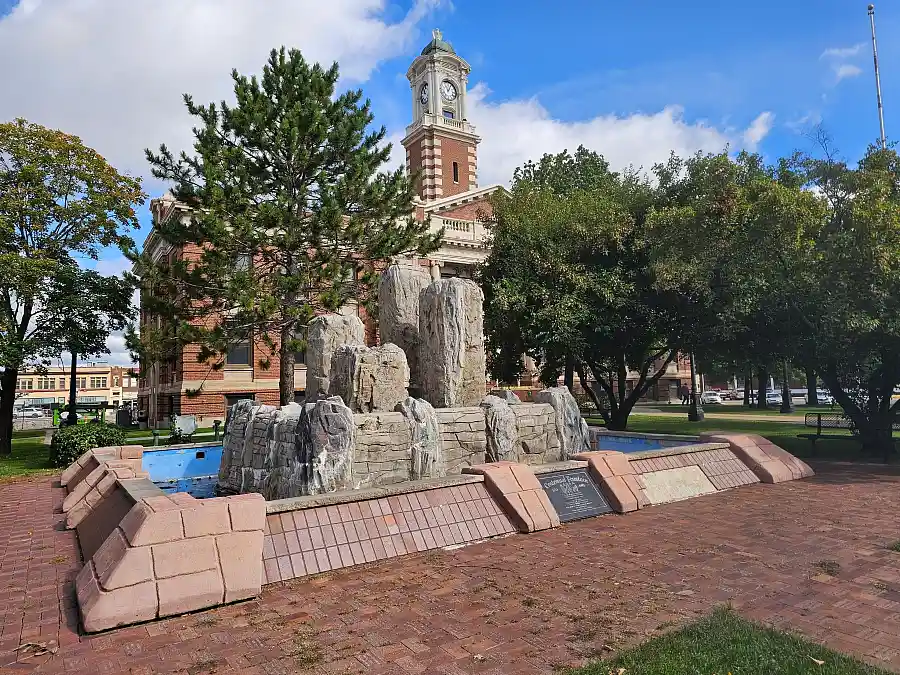
Hibbing proves that low home prices do not always require giving up local medical care.
MoneyLion put its average home value at about $164,281, with estimated annual living costs just above $31,000 in its 2026 study.
Fairview Range Hospital is right in Hibbing. Its system includes primary care, specialty care, home care, senior services, rehabilitation, surgery, urology, cardiac rehabilitation, cancer services, and more.
The town also sits in Minnesota’s Iron Range. The Hull Rust Mine View and surrounding lakes, forests, trails, and outdoor areas give active retirees plenty of space.
The catch: Winter is the deciding factor. If months of snow and cold bother you, the low housing cost may not be enough.
5. Poplar Bluff, Missouri Works Like a Regional Hub Without Big City Prices
Poplar Bluff is larger and busier than Corning, yet it still feels far removed from a major metro.
MoneyLion reported an average home value of about $172,206 in its 2026 retirement town study. Estimated annual living costs were around $33,500.
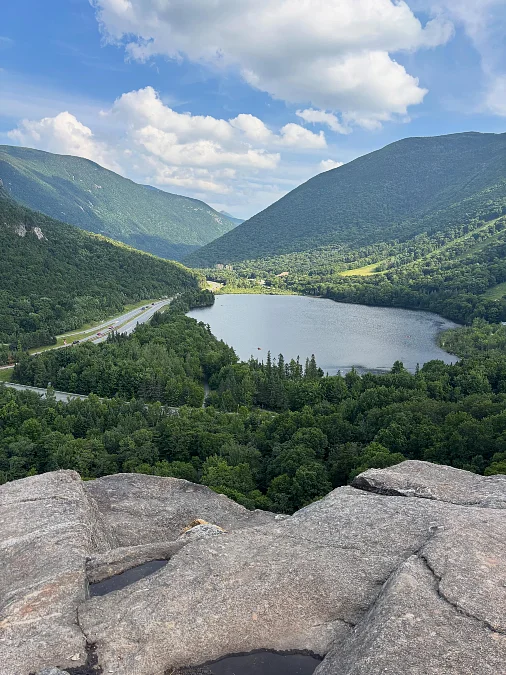
The town also functions as a regional medical center for southeast Missouri. Poplar Bluff Regional Medical Center is a 410 bed acute care hospital offering services that include cardiology, orthopedics, oncology, surgery, pulmonary care, and emergency medicine.
The Black River and Mark Twain National Forest areas provide easy outdoor escapes.
The catch: Daily life is car focused. If you want to stop driving later in retirement, research transportation before buying.
6. Sunbury, Pennsylvania Offers Low Cost Riverfront Living

A riverfront community for less than $200,000 sounds unusual in 2026, yet Sunbury still lands in that range.
MoneyLion put the average home value at about $180,717.
Sunbury sits where branches of the Susquehanna River meet. The surrounding area offers boating, fishing, parks, river views, local history, and a traditional downtown.
Pennsylvania also treats retirees fairly well on income taxes because Social Security and most traditional retirement income are exempt from state income tax.
There is a serious item to check before buying. Sunbury has a long flood history, although its flood wall has protected the city through many high water events.
7. Bryan, Ohio Keeps Housing Below $200,000

Bryan is one of those places where downtown still matters.
MoneyLion reported an average home value near $192,924 and annual living costs around $33,144 in its 2026 data.
Its courthouse square has shops, restaurants, historic buildings, and a theater. The city also maintains parks, pickleball, fitness options, trails, music, and community events. Toledo is less than an hour away.
That combination can work well if you want a quiet home base without living hours from a larger city.
The catch: Winters are cold, and most errands are still easier with a car.
8. Parker, Arizona Gives You Desert Retirement Without Scottsdale Prices

Arizona retirement does not have to mean paying Scottsdale or Phoenix prices.
Investopedia found median home values in Parker just under $200,000. The town has roughly 3,400 residents and its senior center offers activities for adults age 50 and older.
The Colorado River shapes much of the local lifestyle. Boating, fishing, wildlife areas, and day trips to Lake Havasu give retirees more to do than Parker’s size might suggest.
Arizona also fully exempts Social Security benefits from state income tax.
9. Tuscumbia, Alabama Gives You Culture Without a High Housing Price

Tuscumbia sits inside the wider Muscle Shoals region, so the town feels more connected than its small population suggests.
MoneyLion’s 2026 data put its average home value at roughly $201,179 and annual living costs around $36,445.
The town is home to Ivy Green, Helen Keller’s birthplace, along with Spring Park, the Alabama Music Hall of Fame, museums, art, and historic sites.
That matters if your idea of retirement involves more than sitting at home. Florence, Sheffield, and Muscle Shoals add more restaurants, shopping, music, and medical services nearby.
10. Lower Burrell, Pennsylvania Gives You Pittsburgh Access for Less
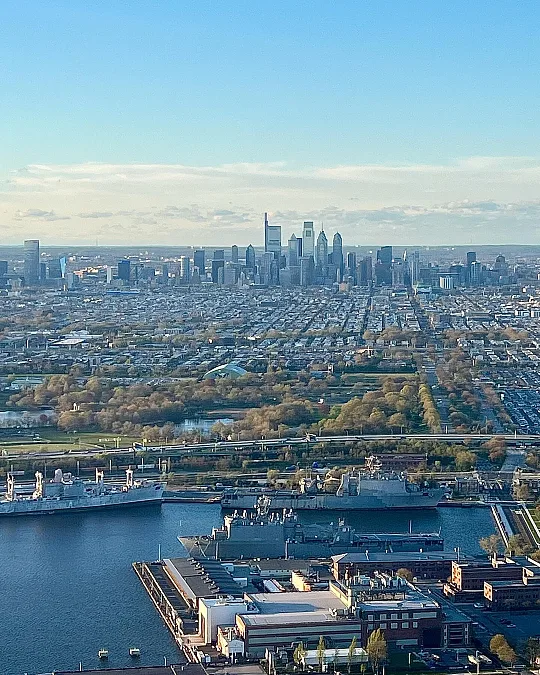
Lower Burrell can appeal to retirees who like western Pennsylvania but do not want Pittsburgh housing costs.
MoneyLion found an average home value around $204,557 in its 2026 analysis. Another current Census based estimate places the median home price closer to $181,000, which shows why you should compare several housing measures before making an offer.
Pennsylvania exempts Social Security and most retirement income from state income tax. The Pittsburgh region also gives residents access to major hospitals, an airport, sports, and cultural services.
11. Bedford, Indiana Makes Health Care Easier Than Many Cheap Towns
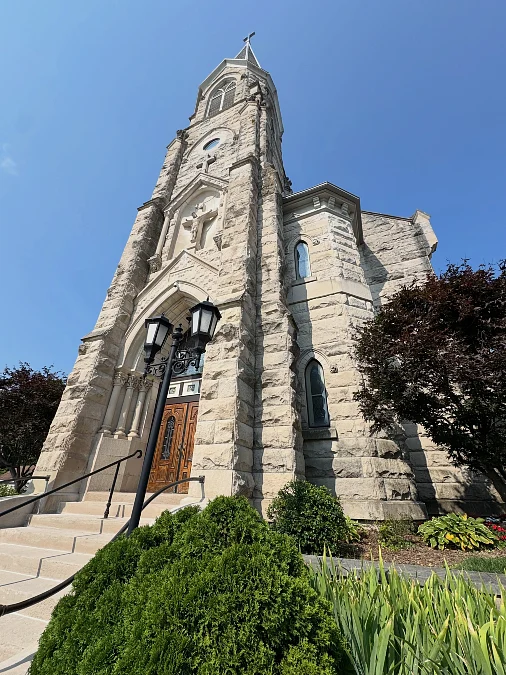
Bedford checks three useful boxes: affordable housing, local health care, and nearby outdoor space.
MoneyLion listed its average home value around $209,174.
IU Health Bedford Hospital is local, and the city operates TASC transportation, which offers service within Bedford on weekdays. That can become increasingly useful later in retirement.
Outside town, Hoosier National Forest covers more than 200,000 acres and provides trails, fishing, lakes, and other outdoor recreation.
12. Knoxville, Iowa Offers Low Costs 40 Miles From Des Moines

Knoxville gives you a small town address without putting a major city several hours away.
Investopedia’s September 2026 analysis placed the average home value at about $211,086 and average rent around $895 a month. It also found local living costs roughly 20% below the national level.
Knoxville Hospital and Clinics gives you local care, while specialist services in Des Moines are within regional driving distance.
Iowa can also be attractive at tax time. Qualifying residents age 55 and older can exclude eligible retirement income from Iowa taxable income.
13. Santa Rosa, New Mexico Keeps Desert Housing Within Reach
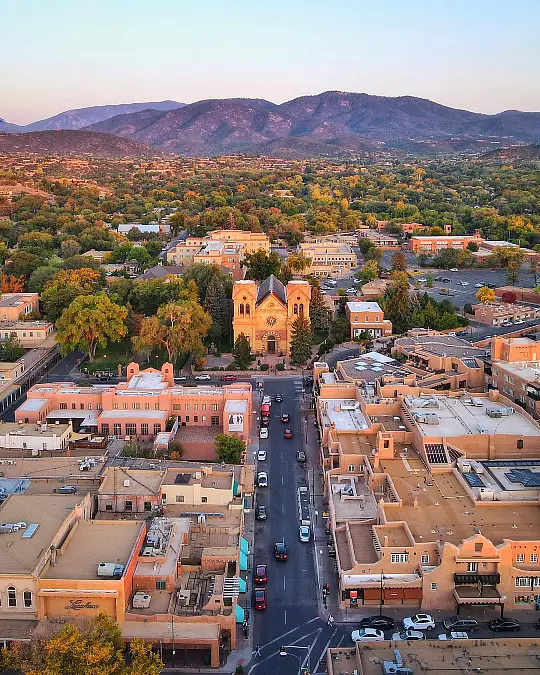
Santa Rosa gives you a very different retirement setting from crowded Sun Belt suburbs.
The town has about 2,700 residents. Investopedia found median home values around $215,000 in Guadalupe County and average monthly housing costs near $510.
You get Route 66 history, the Blue Hole, fishing, trails, lakes, and open New Mexico scenery without paying Santa Fe prices.
There is a financial tradeoff. New Mexico has income tax rules that can affect retirement income, including Social Security for some households depending on the applicable exemption rules and income.
14. Trenton, Michigan Gives You Small City Costs Near Detroit

Some retirees want peace but still want a major metro within reach. Trenton fits that middle ground.
MoneyLion’s 2026 analysis put the average home value at about $252,358, far below the August national existing home median.
Health care is a major strength. Corewell Health Trenton Hospital is a 193 bed acute care teaching hospital with emergency, imaging, intensive care, rehabilitation, surgical, and other services.
The Detroit region also provides major airports, specialists, entertainment, and shopping without requiring you to live in central Detroit.
15. Vermilion, Ohio Offers Lake Erie Living Without Coastal Prices
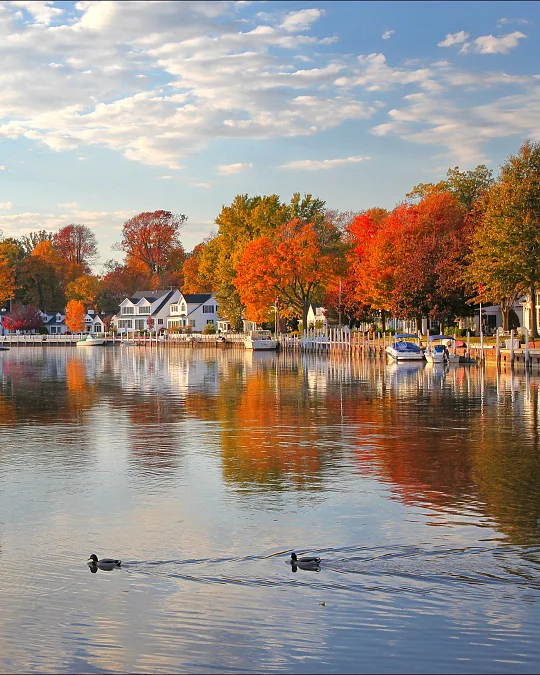
Waterfront retirement usually comes with a premium. Vermilion is one of the exceptions worth checking.
MoneyLion’s May 2026 Zillow data put the average home value around $263,357.
The town sits on Lake Erie at the mouth of the Vermilion River. Its historic downtown, boating, parks, beaches, and waterfront activities give it the feel of a vacation town without prices found in famous coastal retirement areas.
Ohio fully exempts Social Security benefits from state income tax.
16. Lumberton, Texas Gives You Texas Tax Treatment Without Houston
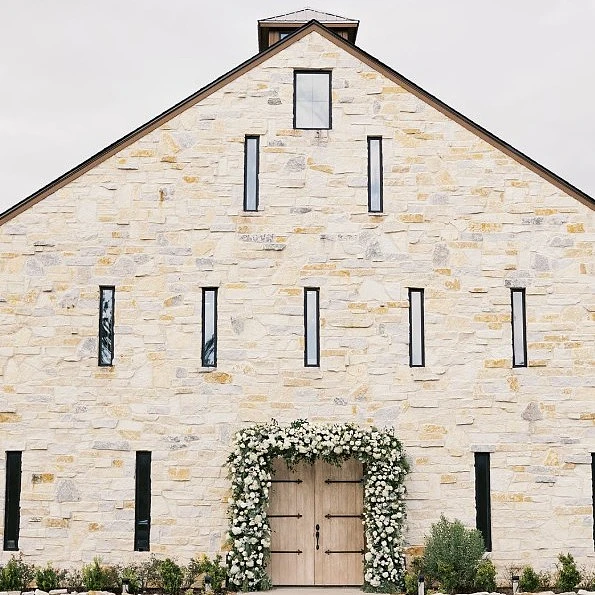
Lumberton sits near Beaumont in southeast Texas, which gives you access to a larger service center without putting you inside Houston.
MoneyLion’s 2026 analysis found an average home value around $282,630.
Texas does not impose a broad personal state income tax. That means Social Security, pension income, and retirement account withdrawals are not subject to a Texas state income tax.
Warm winters are another draw if snow is something you want to leave behind.
17. Hot Springs Village, Arkansas Already Looks Like Retirement
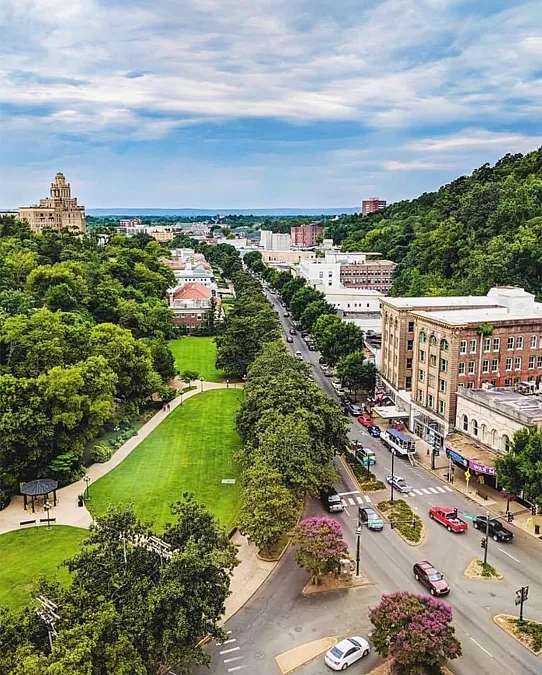
You do not have to wonder whether you will find other retirees in Hot Springs Village.
Current Census based data puts the community’s median age near 70, with about 61% of residents age 65 or older. The same September 2026 data places the median home price around $251,200 and the overall cost of living about 13% below the national level.
The community was built around recreation. Golf, lakes, trails, clubs, social groups, and senior services make it easier to meet people than in many ordinary rural towns.
Travel + Leisure has also highlighted Hot Springs Village as an unusually inexpensive retirement destination.
18. Tavares, Florida Shows There Are Still Cheaper Florida Options

Florida has become harder to call cheap. Tavares shows why it should not be written off completely.
MoneyLion put the average home value around $322,892 in its 2026 analysis. That is more than many towns on this list, but still below the August national existing home median.
You also get Florida’s biggest tax advantage: no broad personal state income tax.
Tavares sits in Lake County, so boating and lake recreation are easy to build into daily life.
But Florida requires extra math.
19. Canfield, Ohio Costs More but Still Beats the National Housing Price
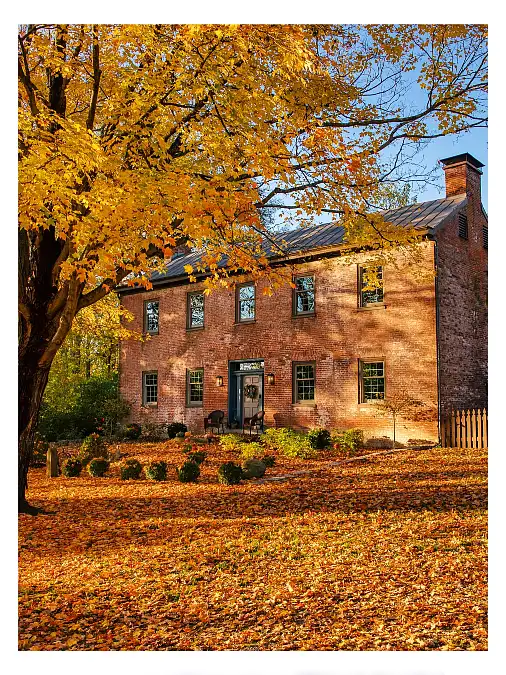
Canfield is not the bargain basement choice here. That is actually part of why it belongs on the list.
MoneyLion put its average home value around $349,676 in 2026. That remains roughly $79,000 below the August national existing home median of $429,100.
GOBankingRates also ranked Canfield first among its best small towns for retirees in 2026. Its data listed a population of about 7,650 and a strong overall livability score.
You also have the wider Youngstown region nearby for shopping and medical care.
The catch: If your main goal is to free as much home equity as possible, several towns earlier in this list give you far cheaper housing.
5 Things to Check Before Moving to Any Cheap Retirement Town
The home price gets your attention. These five checks tell you whether the town really works.
- Get insurance quotes before making an offer. A $220,000 house with expensive flood, wind, or homeowners coverage may cost more each month than a $280,000 house somewhere else.
- Search your doctors and hospitals. Medicare Care Compare lets you compare hospitals, physicians, nursing homes, hospice providers, home health agencies, and other Medicare providers. Use it before you pick a ZIP code.
- Check the state’s actual retirement tax rules. Social Security treatment is very different across states. In 2026, nine states have no broad income tax, while most other states fully exempt Social Security or provide some form of exemption.
- Price the exact house, not the town average. Property taxes, HOA fees, roofs, heating systems, flood zones, and maintenance can change the answer.
- Visit during the town’s worst season. Spend time in Parker during summer, Hibbing during winter, or southeast Texas during hot and wet weather. A place should work on an ordinary Tuesday, not just during a pleasant vacation weekend.