
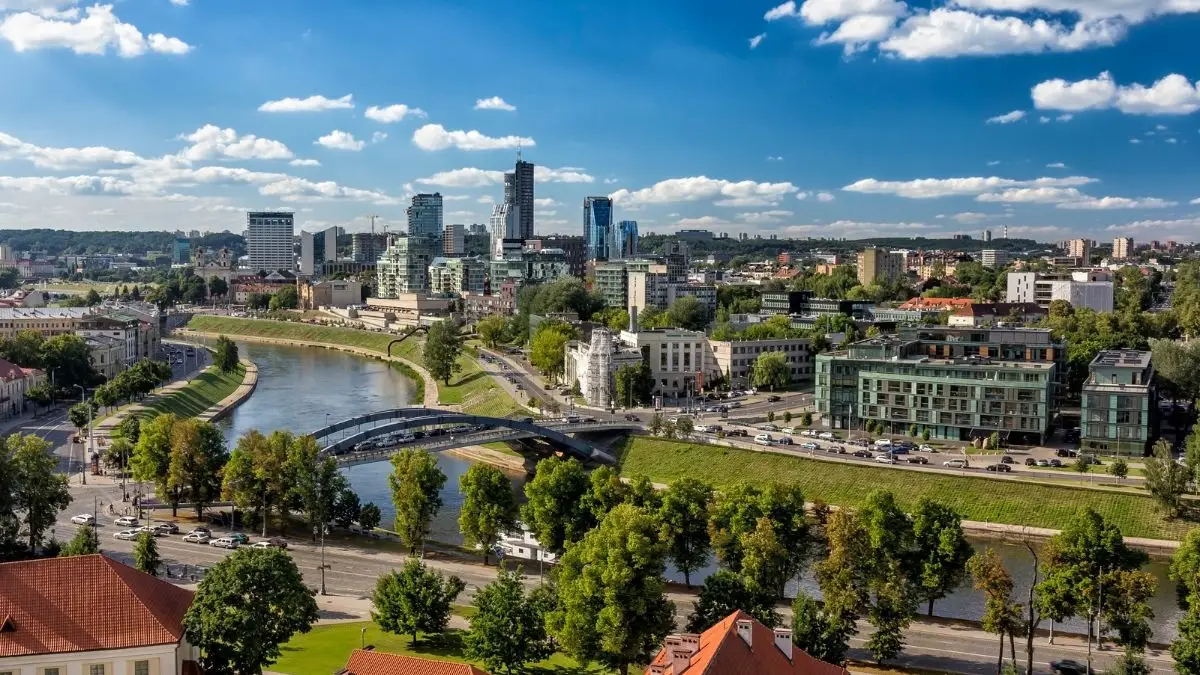
Paris is beautiful. Your bank account may feel very differently about it.
A typical Paris trip now costs around €265 per person per day when lodging, food, local transport, and sightseeing are included. A 2026 Post Office comparison also priced a standard short Paris break for two at about £575.
That does not mean you need to give up pretty streets, outdoor cafés, old churches, river views, castles, or romantic evening walks.
Some of the most underrated European cities offer all of those things for much less. Several also have historic centers protected by UNESCO, while others give you mountains, medieval walls, colorful waterfronts, and great food without Paris prices.
Of course, prettier is personal. Paris will always have its own look.
The cities below are worth considering because they combine beauty, history, useful tourist services, and lower everyday costs. These are affordable European cities where your money can often go much further in 2026.
17 Underrated European Cities Cheaper and Prettier Than Paris
How We Chose These Underrated European Cities
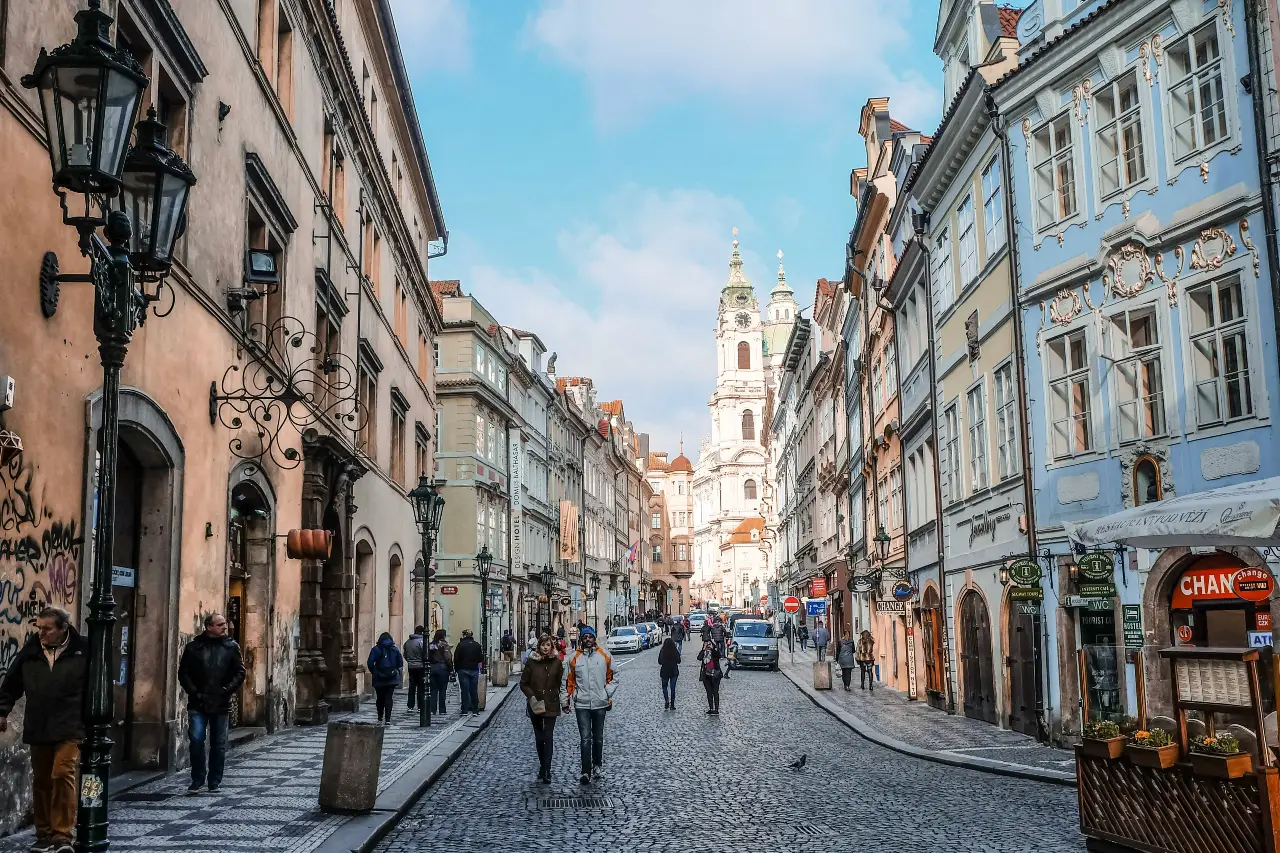
Cheap alone was not enough to make this list.
Each city needed a strong reason to visit. That could mean a beautiful Old Town, striking architecture, a riverfront, mountain scenery, historic streets, or a mix of several.
Price mattered too.
The 2026 Post Office City Costs Barometer compared 12 common tourist costs for two people across 50 European cities. It looked at expenses such as accommodation, meals, drinks, transport, and attractions. Flights were not included.
Paris is a useful benchmark because its everyday costs can rise fast.
The research used for this guide also puts typical Paris spending at about €265 per person per day. Individual trips can cost much more or less depending on your hotel, season, and travel style.
That last point matters.
A €70 hotel one week can become a €150 room during a festival, summer weekend, or major event.
Use the prices below as planning guides. Always check your exact travel dates before booking.
Paris vs Cheaper European Cities in 2026
The Post Office comparison gives one of the clearest ways to see the difference because it uses the same basket of tourist expenses.
| City | 2026 cost for two | What stands out |
|---|---|---|
| Sarajevo | £248 | Ottoman streets and mountain views |
| Bucharest | £258 | Grand avenues and strong food value |
| Tirana | £263 | Cafés, color, and mountain access |
| Belgrade | £265 | Rivers, nightlife, and fortress views |
| Riga | £278 | Art Nouveau architecture |
| Vilnius | £289 | Baroque streets and courtyards |
| Strasbourg | £319 | Canals and historic houses |
| Paris | About £575 | Famous sights with much higher costs |
The Post Office says accommodation usually has the biggest effect on the final price of a city break. Meals, local transport, drinks, and attraction tickets matter too.
This is why a cheap flight does not always mean a cheap vacation.
You need to compare the total trip.
1. Sarajevo Gives You History Without Paris Prices
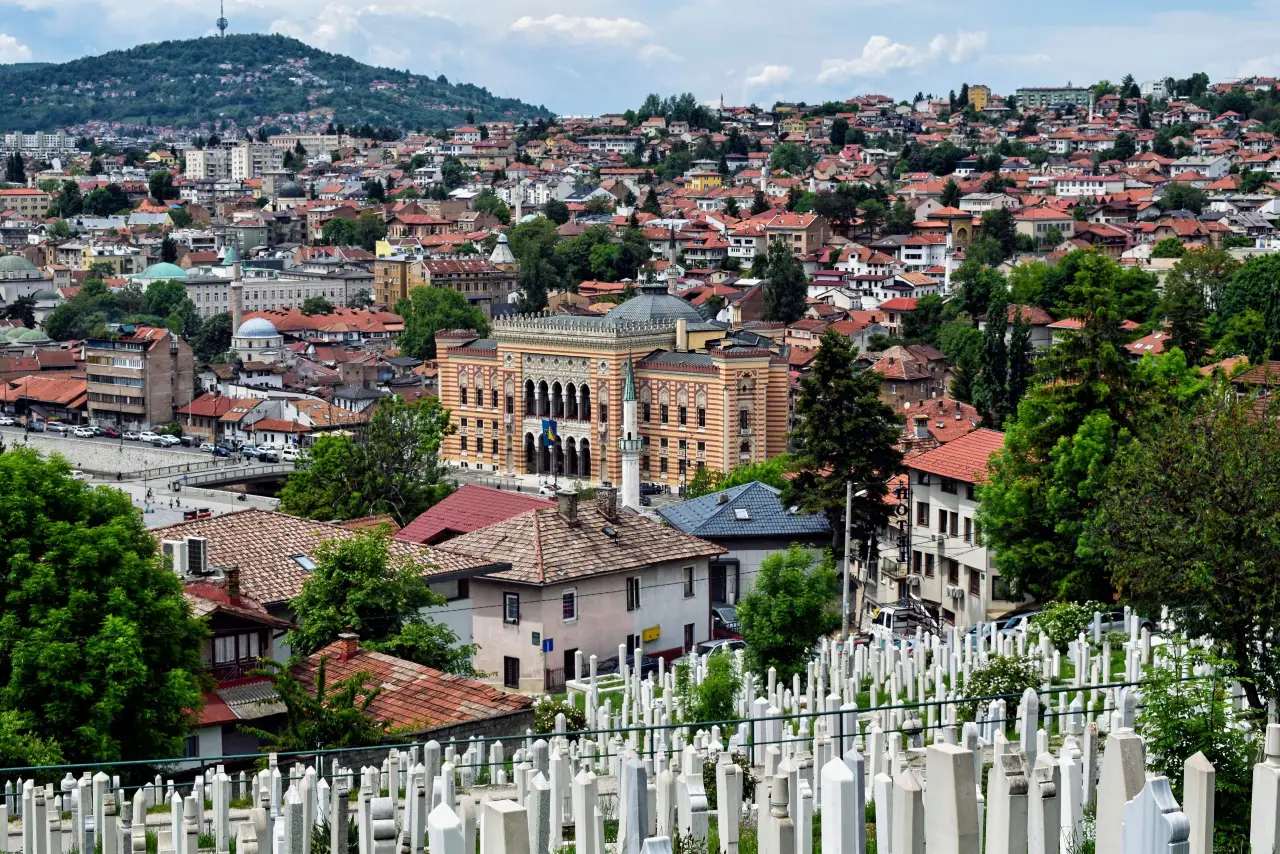
Walk through Sarajevo, and the city can seem to change within a few blocks.
Around Baščaršija, narrow lanes pass small shops, cafés, mosques, and old stone buildings. Walk farther, and Austro-Hungarian architecture begins to appear.
The surrounding hills make the city feel even more dramatic.
Sarajevo came first in the 2026 Post Office City Costs Barometer. The standard basket for two people costs about £248, compared with roughly £575 in Paris.
A separate traveler spending estimate puts average costs around $101 per person per day.
Start around Baščaršija and walk through the old trading streets. Stop for Bosnian coffee and try ćevapi if you eat meat.
Then visit the Latin Bridge area and walk west to see how the architecture changes.
You do not need a packed schedule here.
Much of Sarajevo’s appeal comes from walking, eating, sitting in cafés, and noticing how different periods of history sit next to each other.
Sarajevo works especially well if you want culture, food, and strong value without polished luxury.
Best for: Food, history, café culture
Ideal stay: 3 nights
Money tip: Stay close enough to the center that you can walk instead of using taxis
2. Mostar Gets Better After the Day Trippers Leave
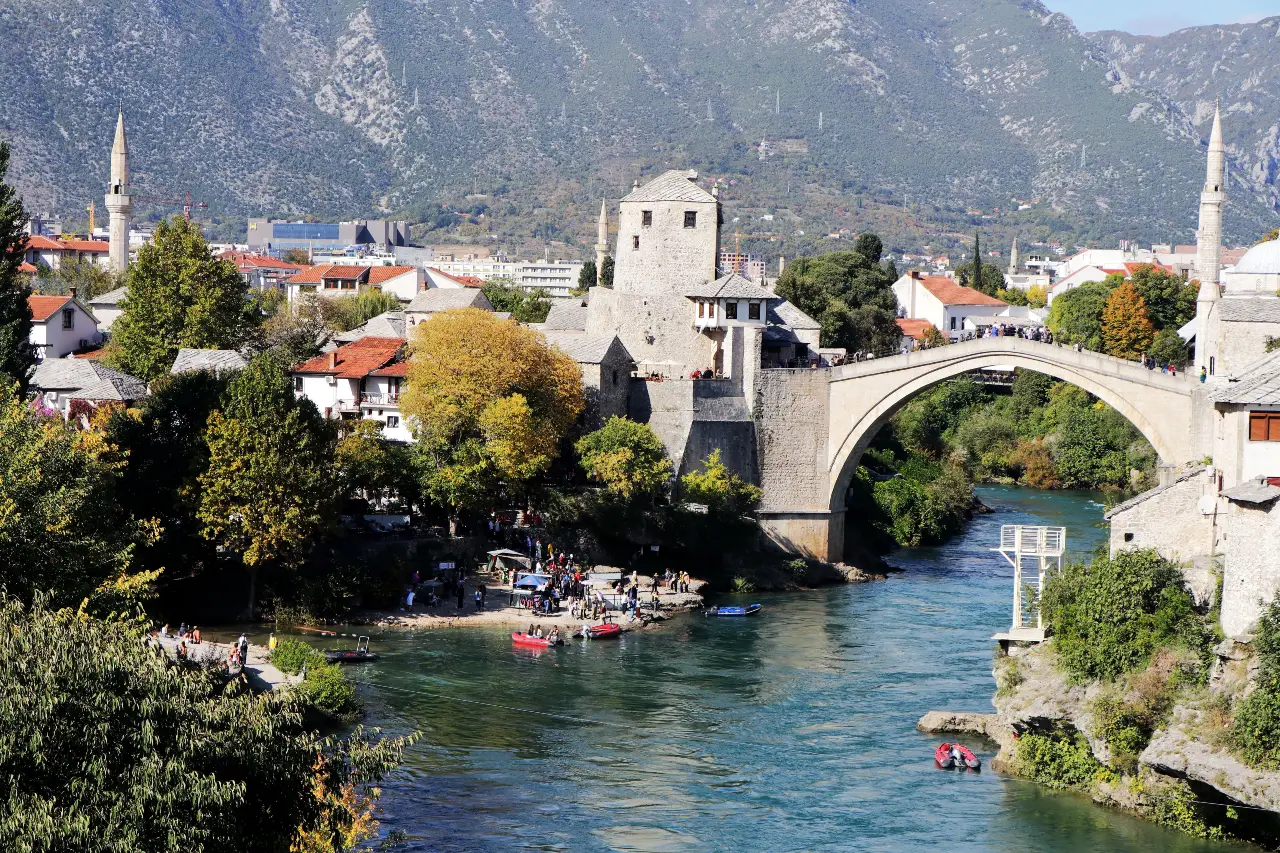
Most people know Mostar because of Stari Most.
The famous stone bridge curves across the bright Neretva River, with old houses, minarets, and rocky hills rising around it.
That view alone brings plenty of visitors.
But staying overnight changes the experience.
Many visitors arrive on day trips. When those groups leave, the old streets become quieter and evening walks feel very different.
Current traveler spending estimates put Mostar at about $97 per person per day.
The Old Bridge area is also recognized by UNESCO. Its historic character reflects Ottoman, Mediterranean, and Western European influences.
Walk both sides of the river instead of stopping only at the main bridge.
Look for viewpoints above the roofs, visit the old bazaar streets, and stay long enough to see the bridge in softer morning or evening light.
One night is better than rushing through in a few hours.
Two nights make sense if you want time for nearby trips as well.
Best for: Couples, photographers, short stays
Ideal stay: 1 or 2 nights
Money tip: Compare overnight rates with nearby day trip packages before deciding how to visit
3. Ljubljana Feels Like a Smaller and Calmer Paris
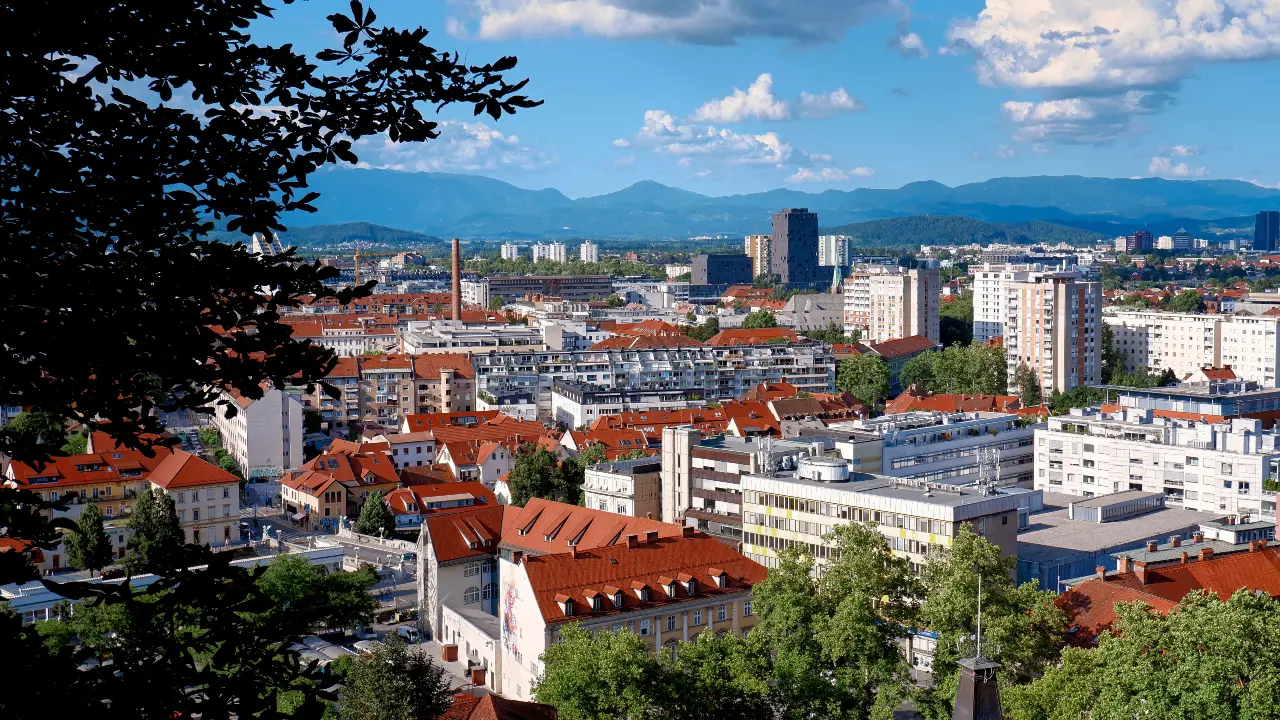
Ljubljana is one of those cities where you can do less and still feel like you had a full day.
The Ljubljanica River curves through the center beside cafés, bridges, trees, and pastel buildings.
Cars do not dominate the historic center, which makes walking easier.
The Triple Bridge, Central Market, Ljubljana Castle, and riverside streets can all fit into a relaxed day.
Average traveler spending is around €98 per person per day in the research used for this guide. Paris is around €265 by the same source.
That makes Ljubljana one of the more interesting Paris alternatives in Europe for travelers who enjoy café culture but do not want a huge city.
The official Ljubljana Card can also help if you plan to visit several paid attractions.
In 2026, the research price was €41 for 24 hours, €49 for 48 hours, and €54 for 72 hours. Check the current price and included attractions before buying.
Ljubljana is compact enough that a central hotel can reduce your transport costs.
It also works well as a base if you want to add Lake Bled to your trip.
Best for: Couples, first visits to Slovenia, slow city breaks
Ideal stay: 2 or 3 nights
Money tip: Walk the center first before paying for local transport
4. Krakow Packs a Huge Amount Into a Walkable Center
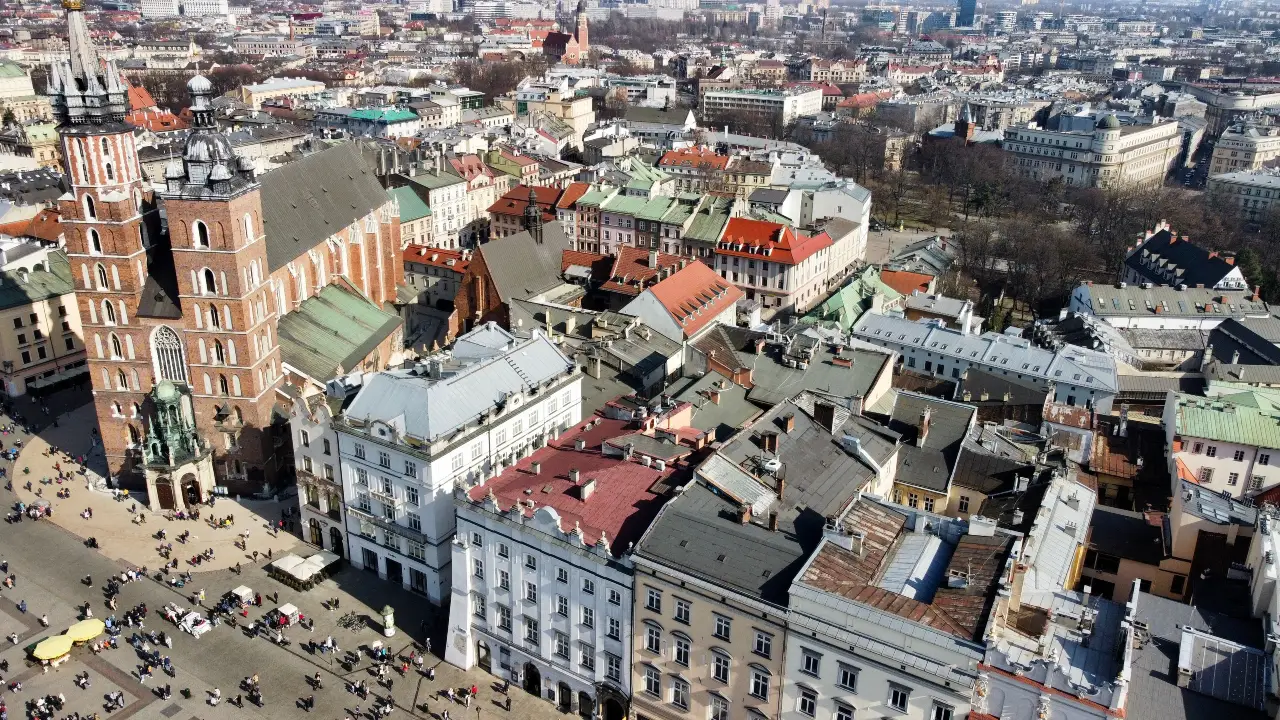
Krakow gives you big European city sights without requiring big European city distances.
Rynek Główny sits at the heart of the historic center. Churches, old merchant buildings, cafés, and side streets spread out from the square.
Wawel Castle adds another major sight within walking distance.
Then there is Kazimierz, where restaurants, historic buildings, religious sites, and nightlife give you another area to explore.
Current traveler spending estimates put Krakow at around $80 per person per day.
The historic center is recognized by UNESCO and includes the medieval core, Wawel, and the historic Kazimierz district.
This is a good city for travelers who like to walk from one major sight to another.
You can spend money on museums and tours, but you can also fill hours by walking the squares, river area, churches, and old streets.
Stay near the Old Town or Kazimierz if your budget allows.
That can save time and reduce your need for transport.
Best for: History, food, first trips to Poland
Ideal stay: 3 nights
Money tip: Compare attraction bundles with single tickets before buying a pass
5. Gdansk Gives You a Waterfront Instead of Boulevards
Gdansk looks very different from Krakow.
That is exactly why it belongs on this list.
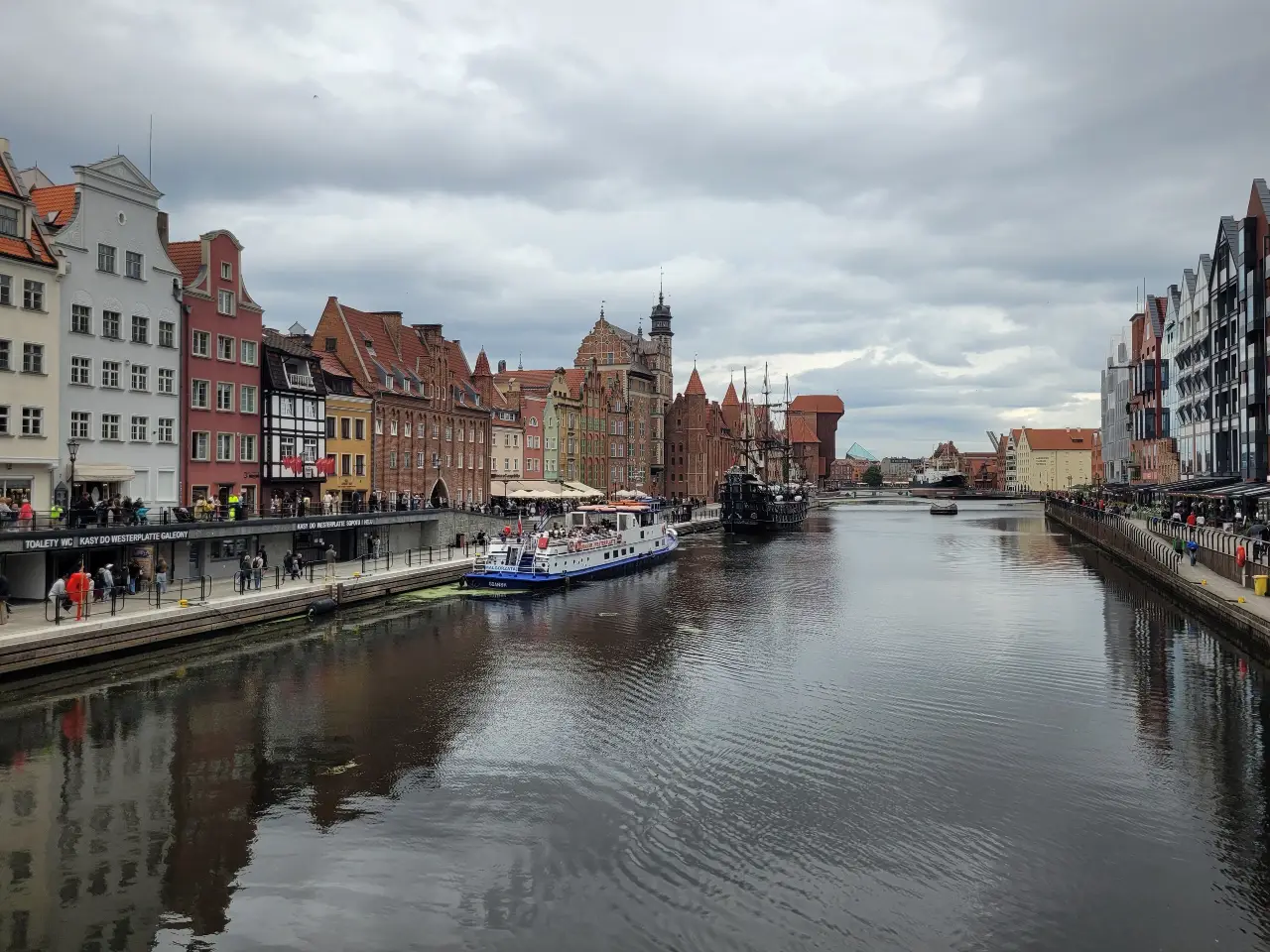
Long Market is lined with narrow, colorful buildings that make the center feel almost theatrical. Walk toward the Motława River and the scene changes again.
Old warehouses, waterfront restaurants, historic merchant houses, and the famous Crane create a strong northern European feel.
Current traveler spending is around $75 per day in the research used for this article.
Gdansk works well if you want history but also want water nearby.
You can spend the morning in the historic center and later head toward the coast or combine Gdansk with nearby Sopot and Gdynia.
The biggest mistake is treating Gdansk as a smaller version of Krakow.
It is not.
Come for the Baltic atmosphere, merchant history, and waterfront streets.
Best for: Waterfront walks, history, photography
Ideal stay: 3 nights
Money tip: Check local rail fares if you plan to add Sopot or Gdynia
6. Wroclaw Makes Walking Part of the Trip
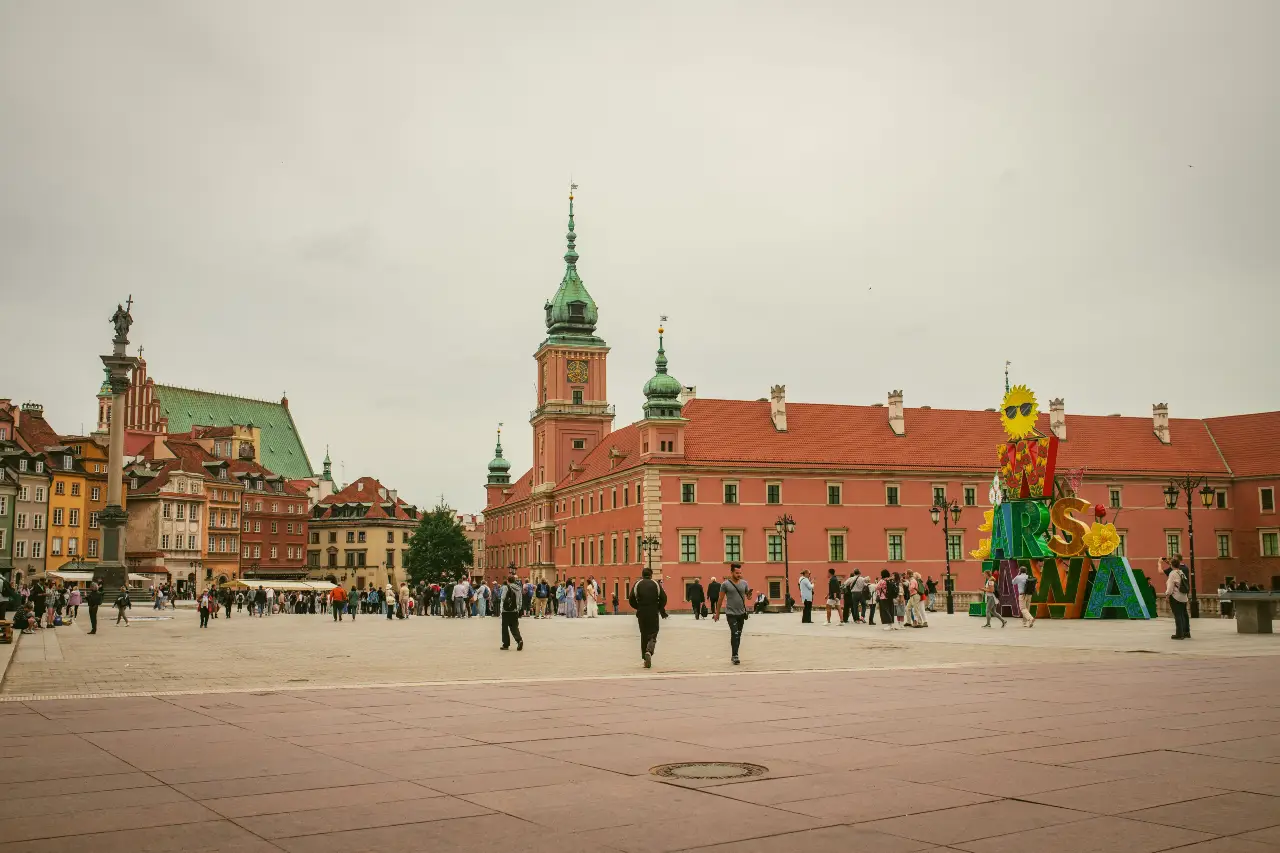
Wroclaw gives you colorful squares, bridges, river islands, churches, and small surprises spread through the center.
The Market Square is the obvious starting point.
From there, walk toward Cathedral Island and cross the Oder River.
This is a city where the route between sights can be as enjoyable as the attraction itself.
Traveler spending estimates in the research put Wroclaw at roughly $44 per day. Treat that number as a broad average rather than a promise, since hotel prices can change sharply by date.
The city is also known for hundreds of small dwarf statues.
They are fun to spot, but do not let them become the only reason you visit.
Wroclaw is stronger as a city break because its historic center and river areas are easy to explore on foot.
That can also help keep your daily transport bill low.
Best for: Walking, photos, lower-cost Poland trips
Ideal stay: 2 or 3 nights
Money tip: Choose a central room if the small extra hotel cost lets you skip daily transport
7. Český Krumlov Is Worth Staying Overnight
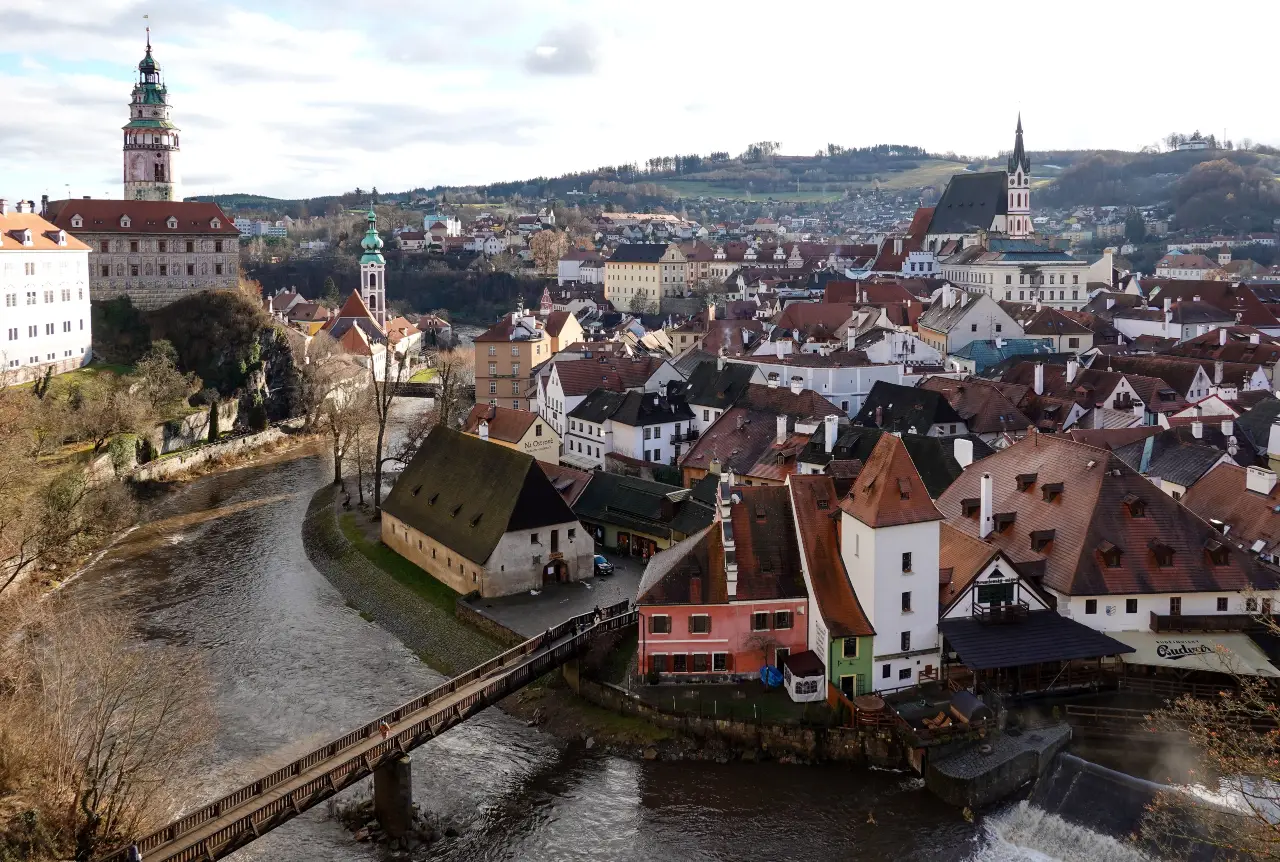
Český Krumlov looks almost designed for a postcard.
The Vltava River bends around a compact historic center filled with red roofs and winding lanes.
Above it sits the huge castle complex.
The problem is that plenty of other travelers know this too.
Daytime can feel busy when tour groups arrive.
That is why the best move may be simple: stay overnight.
Traveler spending estimates are around $89 per day.
Wake early and walk before the biggest groups arrive.
Then stay out after many day visitors have gone.
You will still see the same castle and streets, but the experience can feel much calmer.
Český Krumlov is small.
You do not need four or five days here.
One night can completely change how the town feels.
Best for: Romantic trips, photography, historic streets
Ideal stay: 1 or 2 nights
Money tip: Compare overnight hotel prices with Prague day tour costs
8. Sibiu Gives You Transylvania Without a Huge Budget
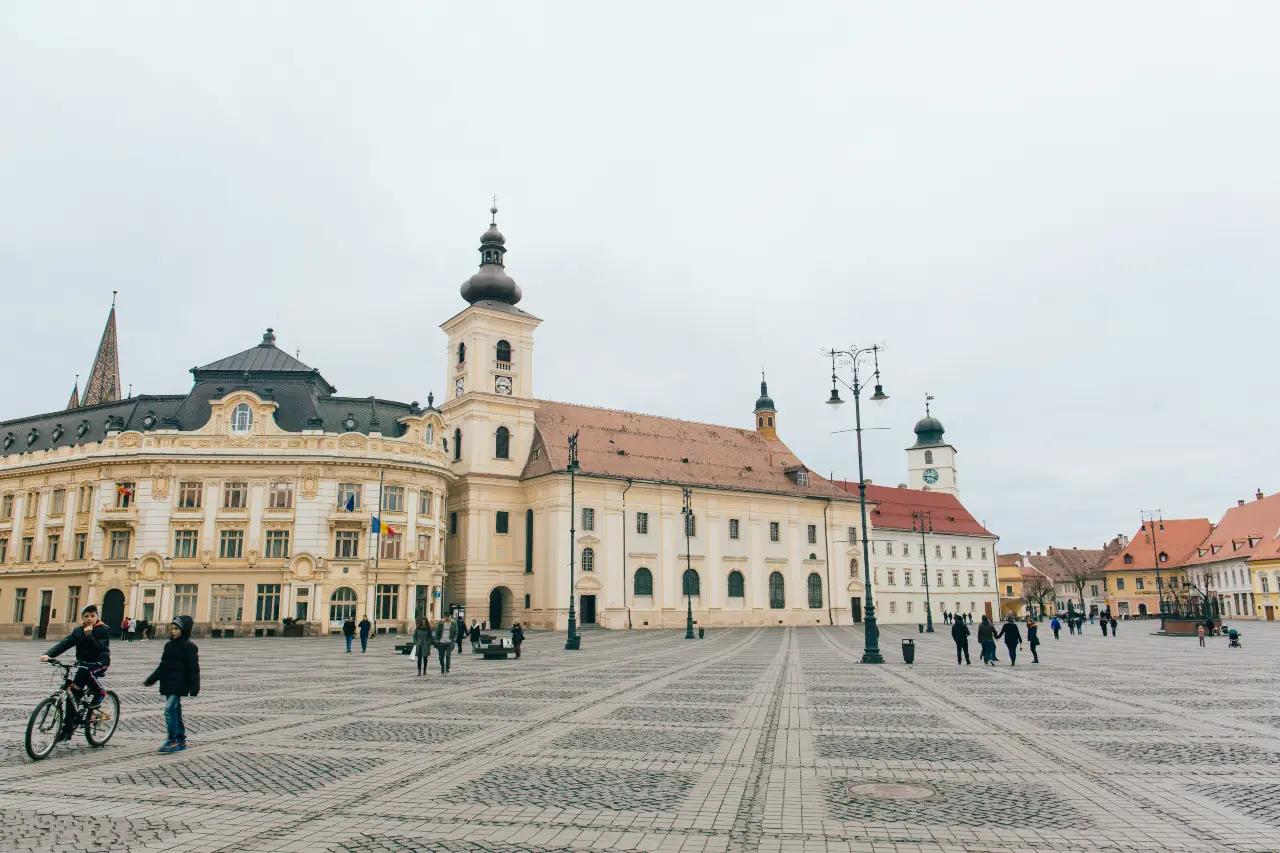
Sibiu feels manageable from the moment you arrive in the historic center.
Large Square and Small Square form the heart of the old city.
The Bridge of Lies connects another well-known part of the center.
Then look up.
Many roofs have small windows that look like eyes watching the streets below.
That unusual detail has become one of Sibiu’s most recognizable features.
Typical traveler spending is around $91 to $92 per day in the research used for this guide.
You can see much of the historic center on foot.
That makes Sibiu especially useful for travelers who want atmosphere without the size and noise of a capital.
It also gives you a good base for exploring more of Transylvania if you have extra time.
Come here if your ideal city break involves old squares, cafés, towers, and slow evening walks.
Best for: Quiet city breaks, couples, Transylvania trips
Ideal stay: 2 nights
Money tip: Check event dates because festivals can push room prices higher
9. Bucharest Gives You More City for Your Money
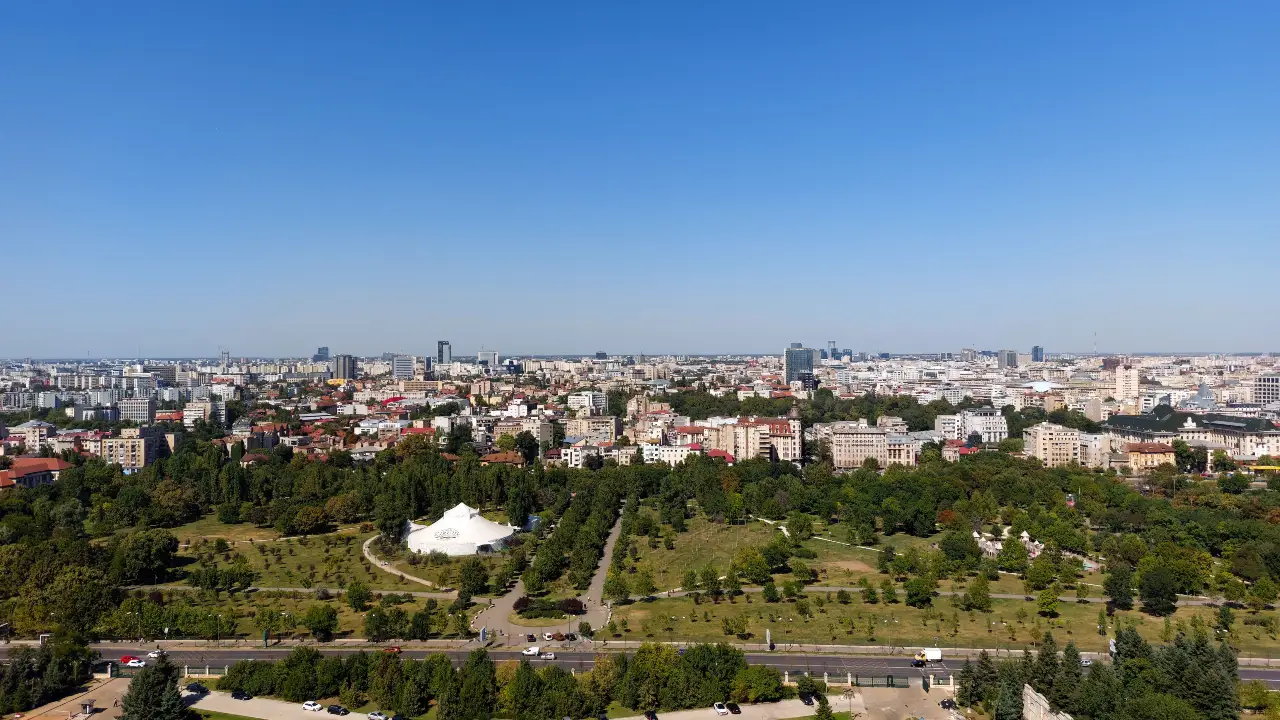
Bucharest is not pretty in the same way on every street.
That is part of what makes it interesting.
You can move from grand avenues and Belle Époque buildings to Orthodox churches, huge government buildings, modern cafés, and blocks from the Communist period.
Calea Victoriei is one of the easiest places to see this mix.
The 2026 Post Office City Costs Barometer put Bucharest at about £258 for its standard two-person basket. That was less than half its Paris figure.
Broader traveler spending data in the research puts the average around $185 per day.
Those numbers measure different things, so do not compare them as if they are identical.
The useful point is that Bucharest can offer strong value for a major European capital.
Spend time around Calea Victoriei, the Old Town, parks, and historic churches.
But do not expect every block to look like a postcard.
Bucharest is better for travelers who enjoy contrast and big city energy.
Best for: Food, nightlife, architecture contrasts
Ideal stay: 3 nights
Money tip: Check whether your hotel is close to a metro station before booking
10. Belgrade Mixes Fortress Views With Nightlife
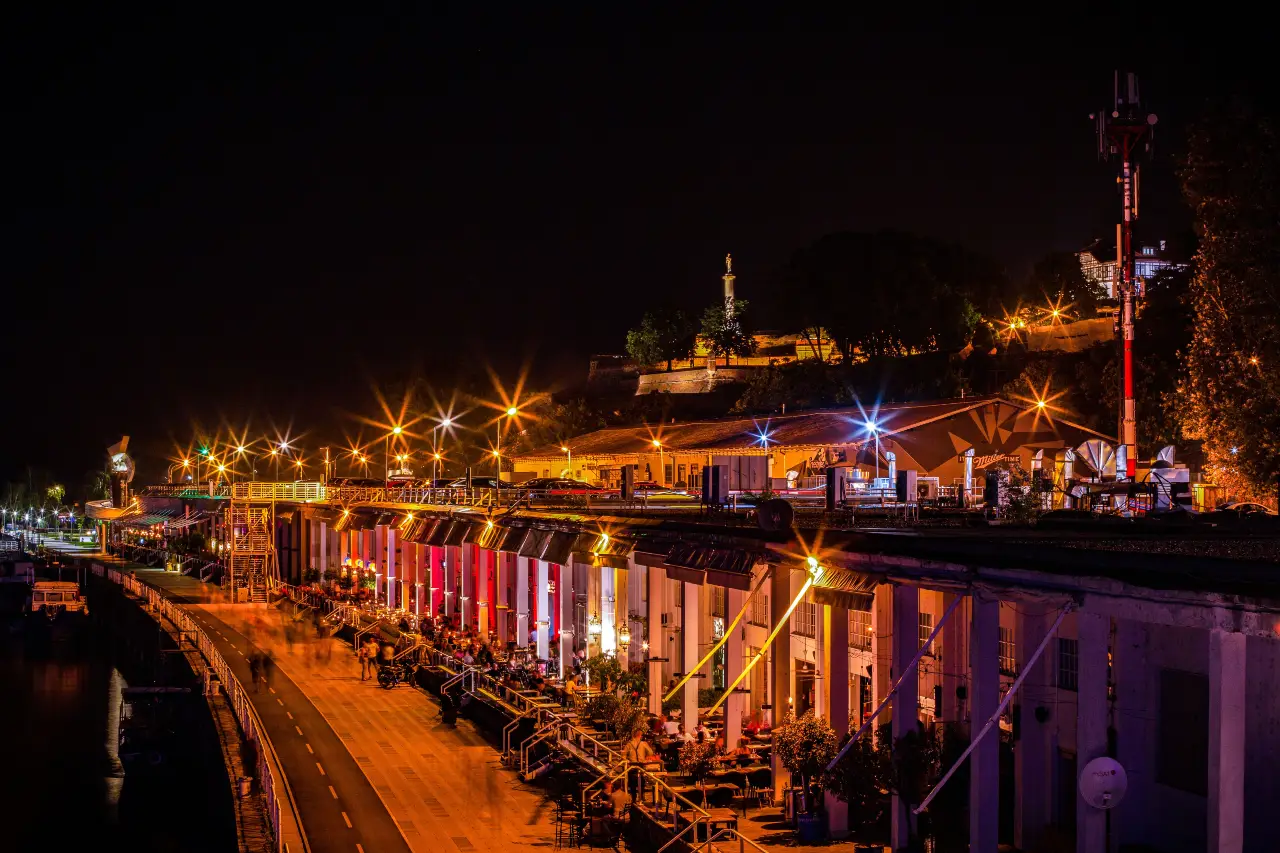
Belgrade’s strongest view comes from Kalemegdan Fortress.
From the high ground, you can look across the meeting point of the Sava and Danube rivers.
That view gives the city a scale you may not expect.
Move into the center, and Knez Mihailova gives you a busy walking street filled with shops and cafés.
Cross or travel toward Zemun and the atmosphere changes again.
Typical visitor spending is around $56 per day in the research used for this guide. The 2026 Post Office basket for two people came to about £265.
Belgrade is not the city to pick if you want every street to look polished.
Choose it for good food, river areas, history, late nights, and relatively low everyday costs.
Spend at least one sunset around the fortress.
It is one of the easiest free experiences in the city.
Best for: Nightlife, food, river views
Ideal stay: 3 nights
Money tip: Use walking and public transport instead of relying on taxis
11. Tirana Is Better for Cafés and Color Than Medieval Streets
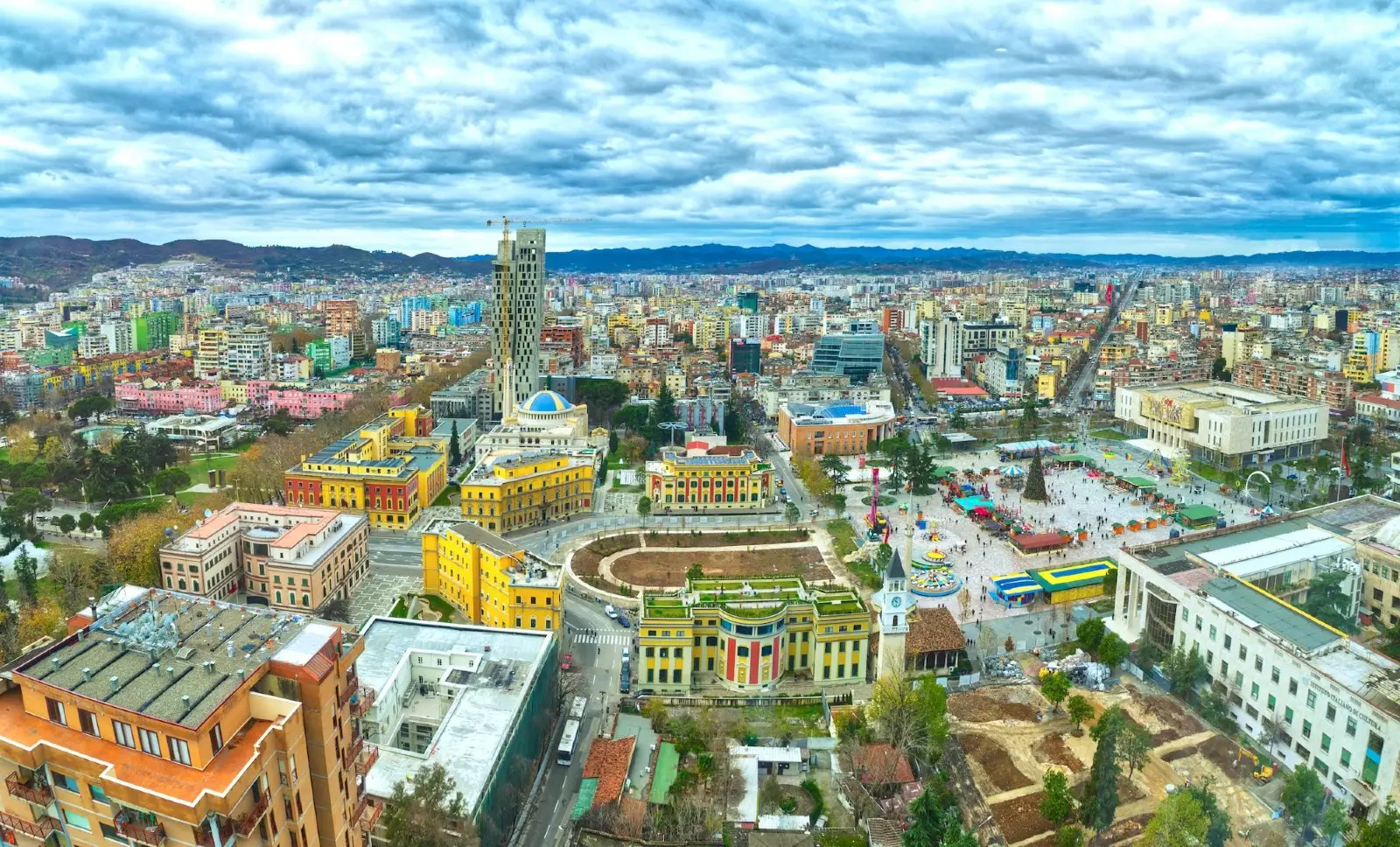
Do not visit Tirana expecting Prague or Tallinn.
Its appeal is different.
Skanderbeg Square gives you a large central space surrounded by major buildings and museums.
Blloku brings cafés, restaurants, shops, and evening activity.
Mount Dajti adds something many city breaks cannot offer: easy access to mountain scenery.
Tirana ranked third in the 2026 Post Office City Costs Barometer.
Its standard two-person basket was about £263.
The same report found that Tirana had the lowest accommodation price in its 2026 comparison.
That makes it especially interesting for travelers trying to keep hotel costs under control.
Use Tirana as a place for food, coffee, museums, colorful streets, and side trips.
Do not force it into a Paris comparison based only on old architecture.
Best for: Cafés, food, modern city energy
Ideal stay: 2 or 3 nights
Money tip: Check the cost of mountain trips and airport transfers before setting your daily budget
12. Vilnius Rewards Travelers Who Like Wandering
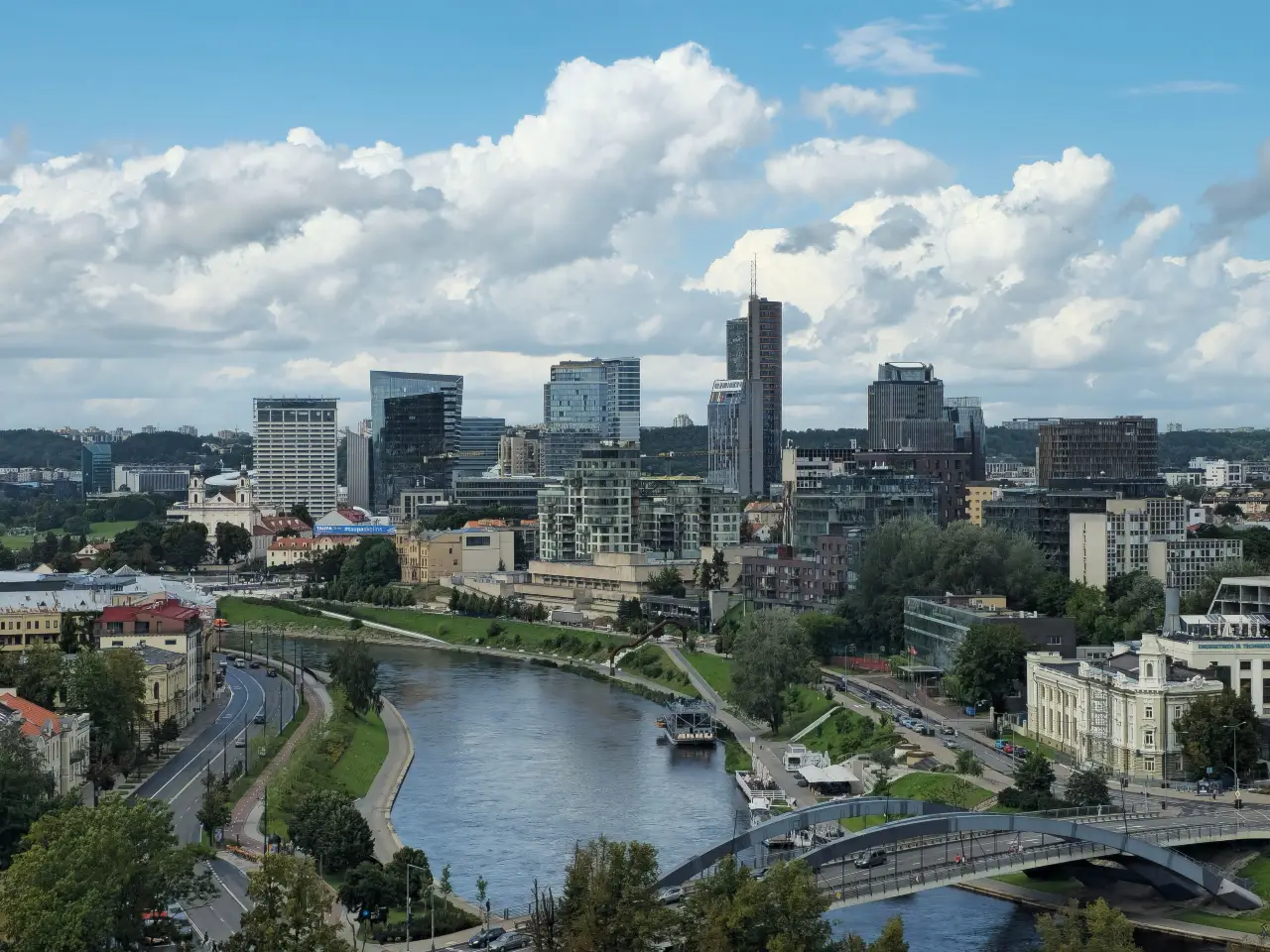
Vilnius does not need one huge landmark to keep you interested.
Its strength is the whole historic center.
Baroque churches, courtyards, narrow streets, small squares, and different building styles make walking the main attraction.
Head up toward Gediminas Hill for broader views.
Then cross into Užupis for a smaller neighborhood feel.
Typical visitor spending is around €117 per day in the research used for this article.
The historic center is recognized by UNESCO for its mix of Gothic, Renaissance, Baroque, and classical architecture within its older street plan.
The 2026 Post Office comparison also priced Vilnius at £289 for its two-person basket.
This is one of the best underrated European cities for travelers who enjoy finding places rather than checking off famous landmarks.
Give yourself time to walk without a strict route.
That is where Vilnius works best.
Best for: Architecture, walking, quieter city breaks
Ideal stay: 2 or 3 nights
Money tip: Check whether a city pass makes sense for your exact museum plans
13. Riga Gives Architecture Fans a Strong Reason to Visit
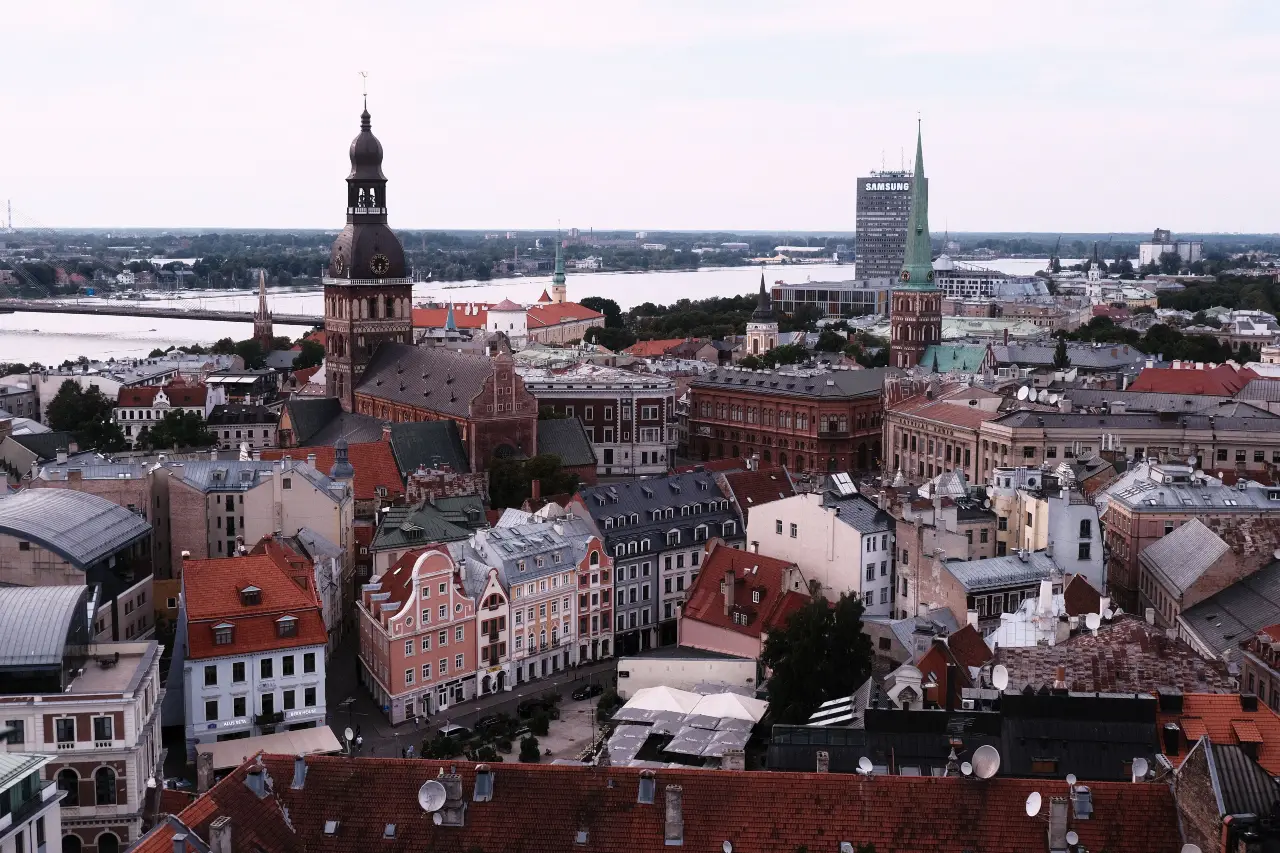
You do not have to be an architecture expert to notice Riga.
Walk along Alberta Street, and the building fronts become the attraction.
Faces, curves, plants, statues, and detailed shapes cover many of the façades.
UNESCO says Riga has the finest collection of Art Nouveau buildings in Europe. The historic center also includes medieval streets, later boulevards, wooden architecture, and a strong city skyline.
Typical spending is around €122 per day in the research used for this guide.
The Post Office placed Riga sixth among its cheapest European city breaks for 2026, with a two-person basket costing about £278.
Do not spend your whole visit only in Old Town.
Walk into the Art Nouveau district.
Visit the Central Market.
Then make time for the Daugava riverfront.
Riga works especially well if you want strong visual rewards without paying Paris prices.
Best for: Architecture, markets, photography
Ideal stay: 3 nights
Money tip: Walk between Old Town and the Art Nouveau area instead of booking separate transport
14. Tallinn Gives You the Medieval Look Paris Cannot
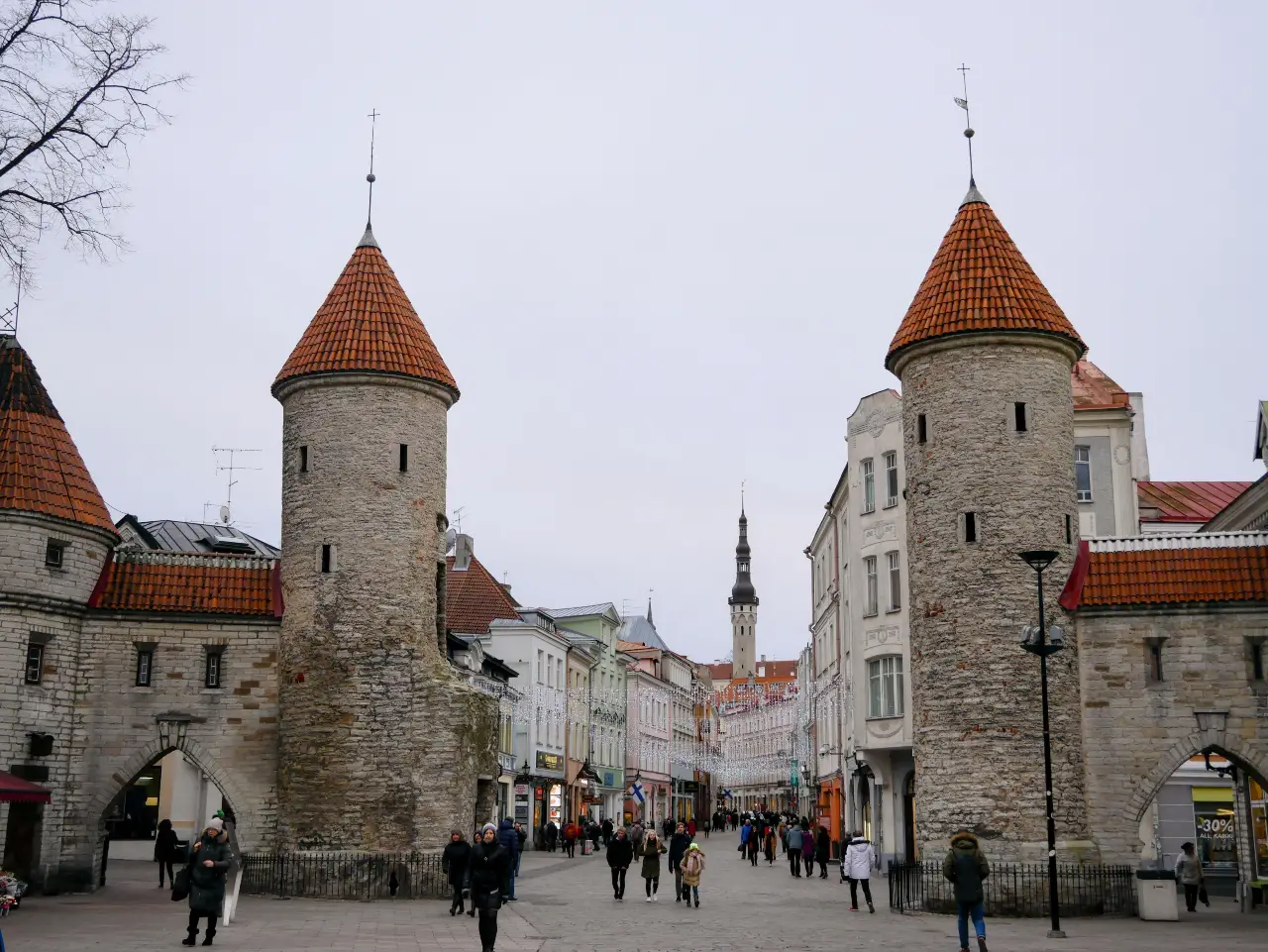
Tallinn is one of the easiest cities on this list to recognize from a photo.
Stone walls, towers, church spires, narrow streets, and red roofs fill the Old Town.
Head uphill to Toompea and the views open across the lower city.
UNESCO describes Tallinn as an exceptionally complete and well-preserved medieval northern European trading city. Its historic streets, walls, churches, merchant houses, and skyline have survived to a remarkable degree.
Typical traveler spending is about €121 per day in the research used for this article.
Tallinn is not a Paris replacement.
That is a good thing.
Choose it when you want medieval streets instead of wide boulevards.
Go early to the major viewpoints if you want quieter photos.
Then spend part of the day walking streets away from the main visitor route.
Best for: Medieval history, winter trips, photography
Ideal stay: 2 or 3 nights
Money tip: Many of the city’s best street views cost nothing
15. Porto Still Costs Less Than Paris, But It Is Not Dirt Cheap
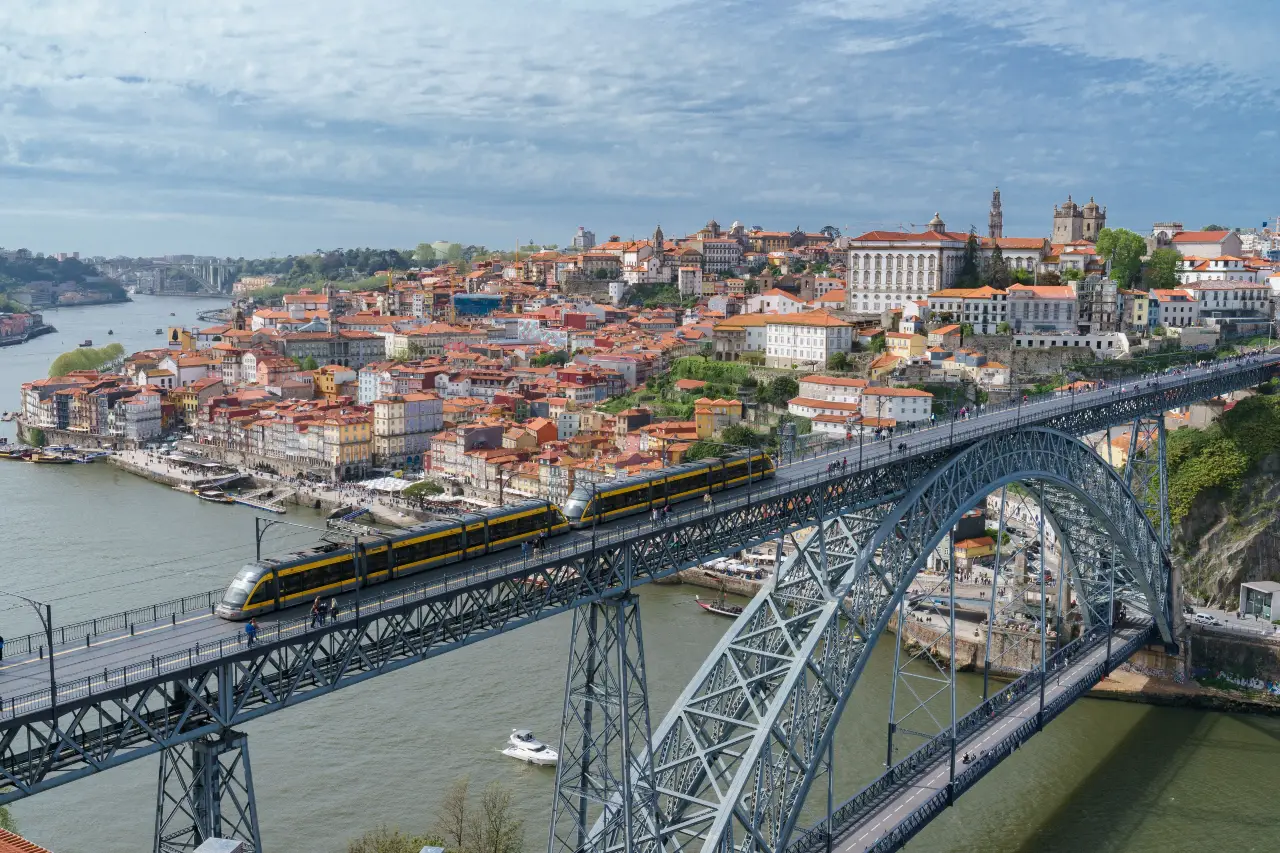
Porto has one of the strongest natural settings on this list.
The city drops down steep hills toward the Douro River.
Across the water, Vila Nova de Gaia climbs up the opposite side.
Between them sits the Dom Luís I Bridge.
Walk through Ribeira, then climb higher for views across roofs, church towers, boats, and the river.
UNESCO describes Porto’s historic center as an outstanding urban landscape with around 2,000 years of history.
Typical traveler spending is around €160 per day, compared with roughly €265 for Paris in the research used for this guide.
But Porto needs a reality check.
It is no longer the ultra-cheap destination that older travel articles sometimes describe.
Accommodation has become more expensive.
That means your hotel dates matter a lot.
You can still save by walking, eating away from the busiest riverfront tables, and traveling outside the busiest summer period.
Best for: Couples, food, river views, photography
Ideal stay: 3 or 4 nights
Money tip: Price hotels before buying a cheap flight
16. Palermo Gives You More Than Pretty Buildings
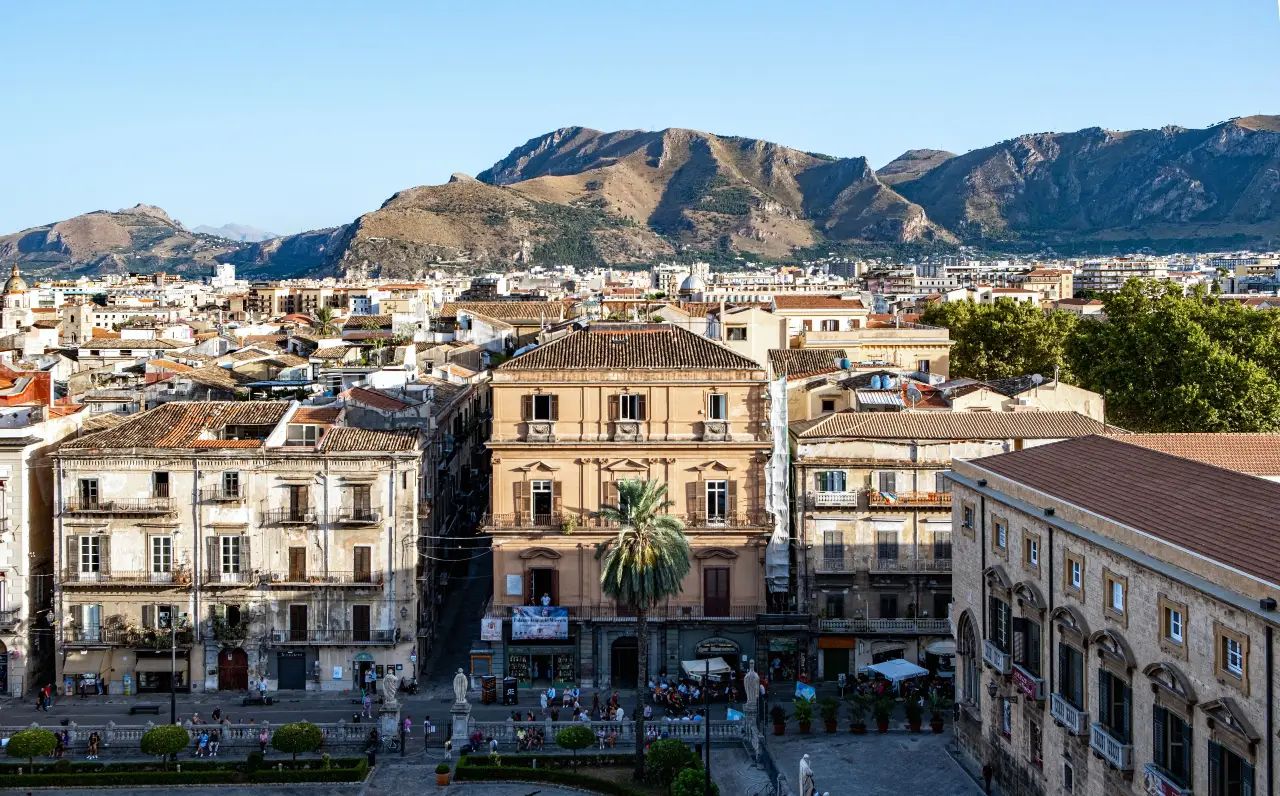
Palermo can feel messy, loud, beautiful, worn, and exciting on the same walk.
That is part of the experience.
Norman buildings sit near Baroque churches.
Busy markets spill into narrow streets.
Street food vendors compete with cafés and restaurants.
Then there is the Palatine Chapel, one of the city’s major historic sights.
Typical traveler spending is around €114 per day in the research used for this article. Budget travelers may spend much less, depending on lodging and food choices.
Do not come expecting a perfectly polished historic center.
Palermo is stronger when you accept its rough edges.
Walk through the markets.
Look inside churches instead of judging them only from the street.
Eat local food.
Then add the coast or a nearby day trip if you have extra time.
This is one of the affordable European cities that feels very different from northern Europe.
Best for: Food, history, warmer weather
Ideal stay: 3 or 4 nights
Money tip: Eat where locals eat instead of choosing every meal beside a major attraction
17. Kotor Gives You the Most Dramatic Natural Setting
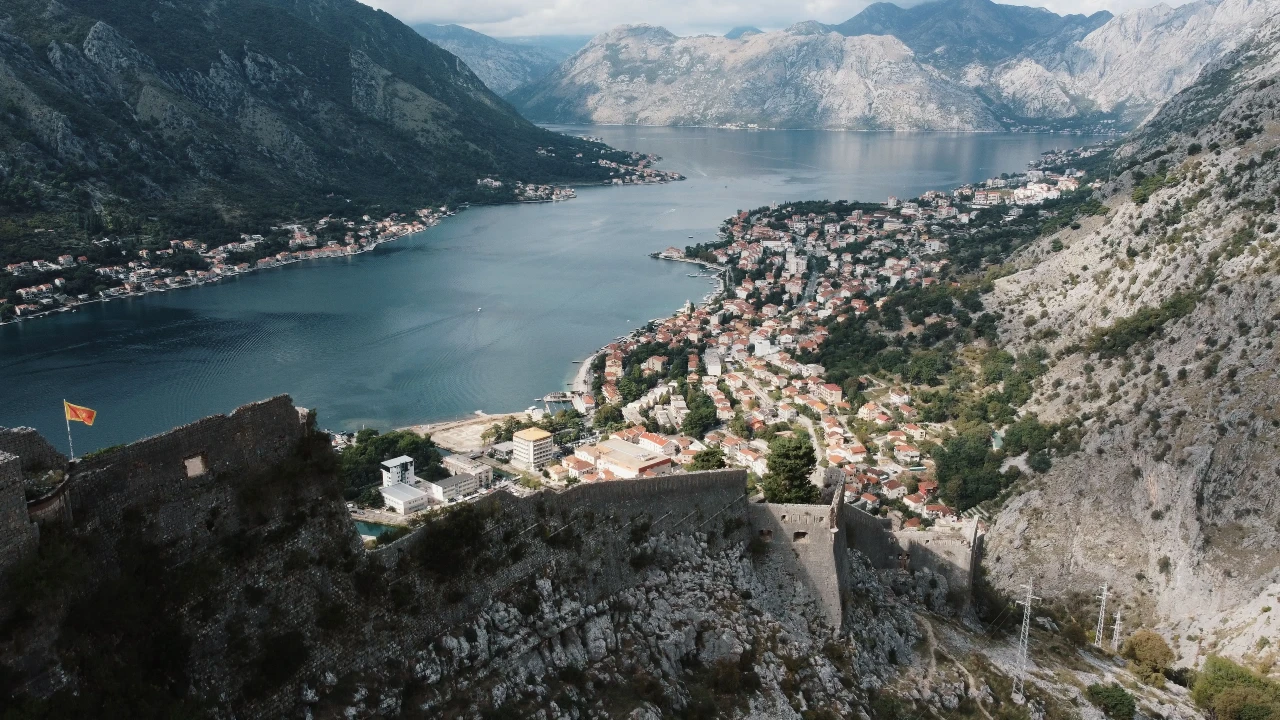
Few cities on this list combine old walls and natural scenery as tightly as Kotor.
The fortified center sits beside the Bay of Kotor.
Behind it, steep mountains rise quickly from the water.
UNESCO’s protected region covers historic settlements, palaces, churches, fortifications, and a mountain landscape rising to almost 1,500 meters in places.
Typical visitor spending is around €131 per day in the research used for this guide.
But Kotor has an important problem.
Summer crowds can change the experience.
Cruise visitors can fill the Old Town, while July and August accommodation can cost much more than quieter months.
Consider May, early June, late September, or October.
You may get milder crowds while still enjoying the bay and outdoor scenery.
Walk the Old Town early.
Then head higher for views if the weather and your fitness allow.
Best for: Scenery, couples, historic streets
Ideal stay: 2 or 3 nights
Money tip: Shoulder season can make a much bigger difference here than small daily savings
Which Paris Alternative Fits Your Travel Style?
Seventeen choices can create a new problem.
Which one should you actually book?
Start with the kind of trip you want rather than choosing the cheapest number.
| If you want | Consider |
|---|---|
| Romantic river views | Porto or Ljubljana |
| Medieval streets | Tallinn or Český Krumlov |
| Art Nouveau buildings | Riga |
| Food at lower prices | Sarajevo or Palermo |
| Mountain scenery | Kotor or Mostar |
| Café culture | Ljubljana or Tirana |
| Nightlife | Belgrade or Bucharest |
| Historic architecture | Krakow, Riga, or Vilnius |
| Low daily spending | Wroclaw |
| A compact historic center | Sibiu |
Sarajevo makes sense if food, history, and value are your main goals.
Choose Ljubljana if you want a relaxed couple’s trip with riverside cafés.
Pick Tallinn if medieval walls and old streets matter more than nightlife.
Go to Porto if river views and food are worth spending a little more.
Kotor and Mostar work better when dramatic scenery matters as much as architecture.
There is no single right choice.
The goal is to match the city to the trip you actually want.
How to Keep a European City Break Cheap in 2026
Cheap destinations can still become expensive when the planning goes wrong.
Start with your hotel.
Accommodation usually creates the biggest change in total city break costs, according to the 2026 Post Office comparison.
Check hotel prices before buying your flight.
A £40 saving on airfare means little if your room costs £100 more each night.
Next, look at location.
A slightly more expensive central room can save money if you can walk to most attractions.
Airport transport matters too.
Some cheap flight routes use airports far outside the city.
Add that bus, train, or taxi cost before deciding which flight is actually cheaper.
Travel outside the busiest weeks when possible.
Spring and autumn can offer better hotel value in many destinations.
This does not work everywhere, so check local weather and event dates first.
Compare public transport tickets with passes.
Do not buy a 72-hour pass automatically because a blog says it saves money.
Count how many trips you will really make.
Use the same rule with tourist cards.
List the attractions you actually want to visit.
Add their individual ticket prices.
Then compare that total with the city card.
Food can also change your budget quickly.
Restaurants directly beside famous squares and waterfronts often charge more.
Walk a few streets away and compare menus before sitting down.
Finally, price the whole trip.
For cheap European city breaks, compare:
- Flights
- Accommodation
- Airport transfers
- Local transport
- Attraction tickets
- Food
- Tourist taxes
- Any day trips you want
The cheapest flight does not always lead to the cheapest vacation.
Paris Is Special, but It Is Far From Your Only Choice
Paris still gives you something these cities cannot copy.
You have the Seine, the Louvre, Montmartre, grand boulevards, famous cafés, and landmarks known around the world.
But you do not need Paris prices every time you want a beautiful European break.
Sarajevo gives you remarkable value and layers of history. Ljubljana offers quiet riverside cafés. Riga rewards architecture fans. Tallinn gives you medieval streets. Porto brings the Douro into almost every good view, while Kotor puts an old walled city beside huge mountains.
Pick two or three underrated European cities that fit your travel style.
Then compare the same dates, hotel standard, transport costs, and attractions.
That simple check will tell you far more than a cheap flight ever will.