
That viral Instagram reel of a tranquil European plaza or pristine alpine trail might look like paradise, but the real-world safety metrics tell a drastically different story. Post-pandemic tourism has skyrocketed.
This surge created unprecedented overcrowding, aggressive organized scam rings, extreme weather patterns, and underreported physical hazards in places long marketed as completely secure.
If you are planning your next trip, you need facts instead of polished marketing photos. Relying on outdated travel guides can cost you thousands of dollars, or even your life.
17 ‘Safe’ Tourist Spots Far More Dangerous Than You’ve Been Told
European Cultural Hotspots & Hidden Urban Traps
Europe feels familiar, comfortable, and easy to navigate. That comfort creates a false sense of security. Professional criminal networks target busy European plazas specifically because tourists let their guard down.
1. Las Ramblas & Barrio Gótico (Barcelona, Spain)
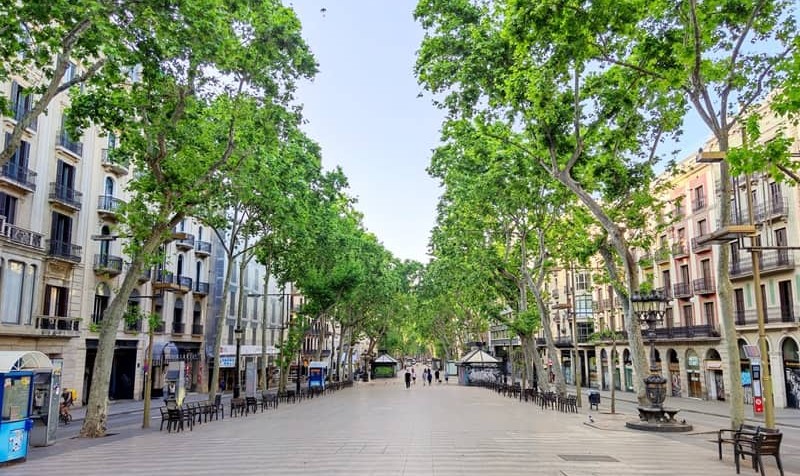
Barcelona remains one of the top destinations in Europe, but its main pedestrian boulevard is an active zone for organized theft. Crime statistics show Barcelona leads Western Europe in per-capita purse snatching and distraction theft.
Pickpocket rings operate in coordinated teams of three or four. One person bumps into you or asks for directions while another opens your bag from behind.
2. Eiffel Tower Area & Champ de Mars (Paris, France)
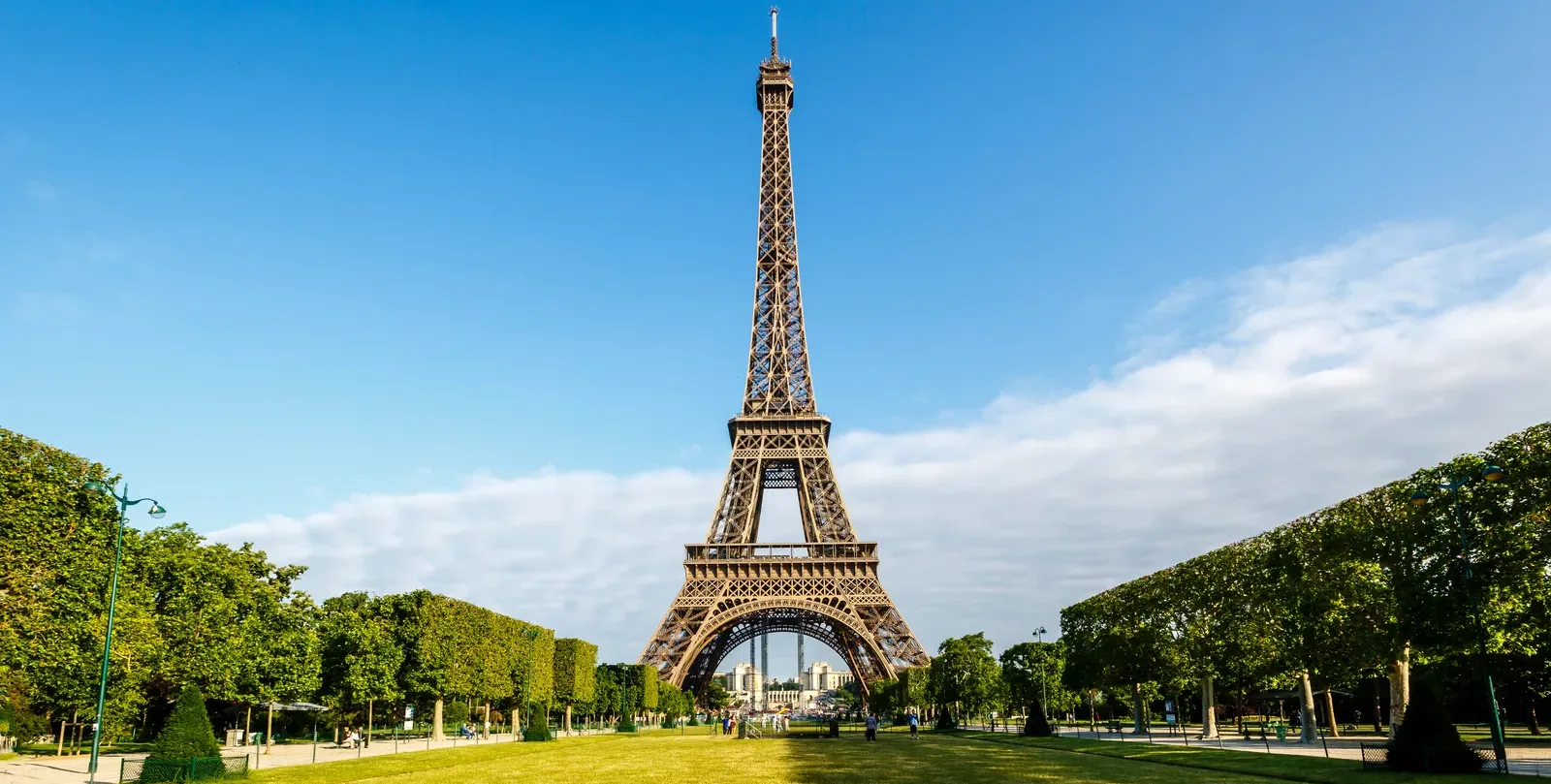
The open parks surrounding the Eiffel Tower host continuous scam operations. Groups carrying clipboards approach travelers asking for signatures for fake deaf charities.
You look down to read or sign; accomplices clean out your pockets. Near metro entrances, scam artists drop brass rings on the ground, claim you dropped them, and demand cash rewards.
3. Termini Station Surroundings (Rome, Italy)
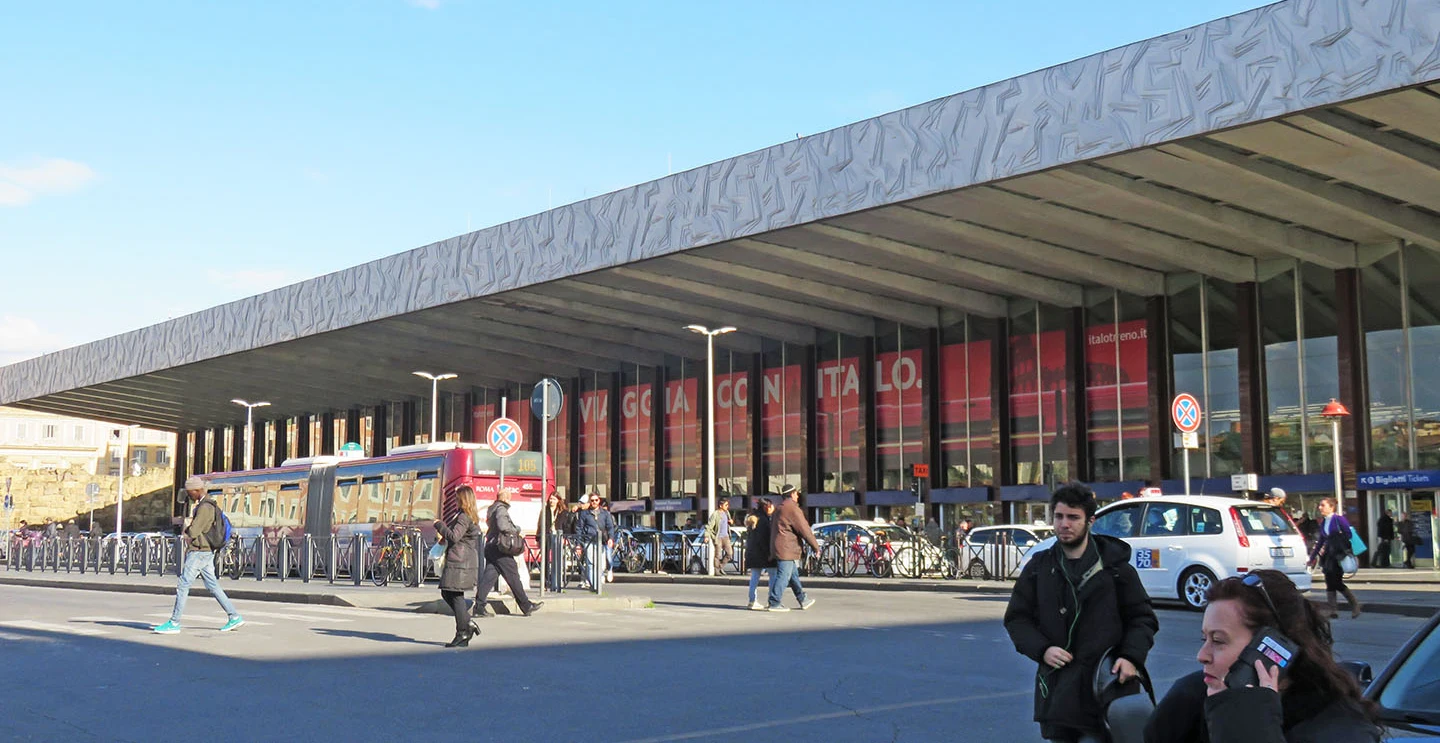
Rome’s central transit hub becomes hazardous after dark. Violent muggings, aggressive panhandling, and fake taxi operations cluster outside the station exits.
Unlicensed drivers approach tired tourists arriving off late trains, quoting reasonable rates upfront, only to demand hundreds of Euros once your luggage is locked in their trunk.
4. Old Town Square & Charles Bridge (Prague, Czech Republic)
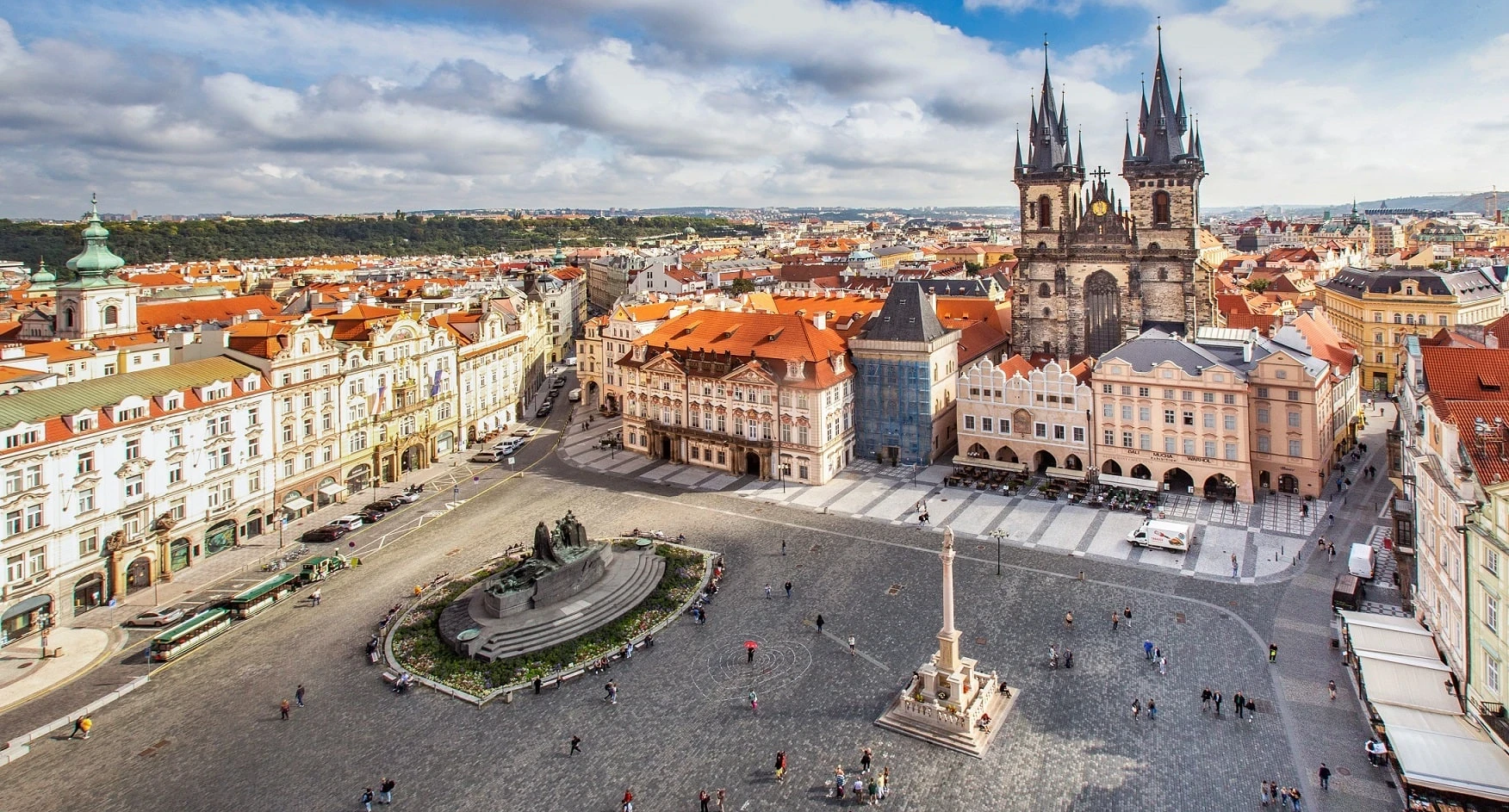
Prague’s historic center hides financial traps behind its Gothic architecture. Unregulated currency exchange booths near Old Town Square advertise “0% Commission” in huge bold letters.
Inside, they apply hidden fees or give you decommissioned Belarusian Rubles instead of Czech Korunas. Meanwhile, aggressive bar touts lure solo travelers into side-street venues where security guards force them to pay inflated bills.
Deceptive Natural Wonders & Alpine Hazards
Nature does not offer warning signs or safety nets. Beautiful landscapes draw millions of casual walkers who underestimate basic physical demands, terrain challenges, and rapid weather shifts.
5. Mont Blanc Trails (France/Italy)
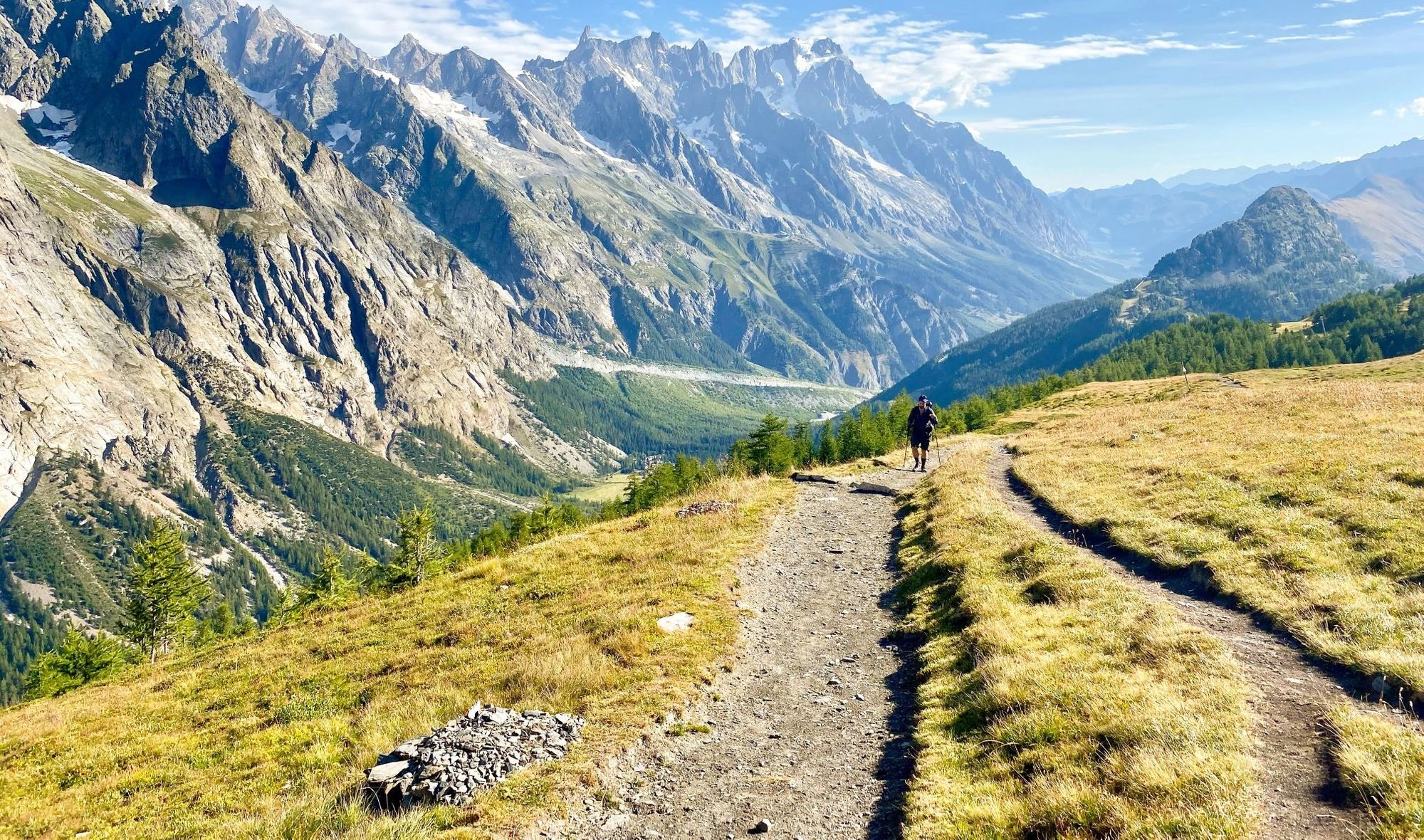
Mont Blanc is famous for scenic alpine views, but it is one of the deadliest mountain ranges in the world. The routes average roughly 100 fatalities every year. Unprepared tourists tackle steep trails in simple sneakers, unaware of frequent rockfalls in the Grand Couloir and sudden sub-zero weather drops that strike even in mid-July.
6. Trolltunga & Kjeragbolten (Norway)
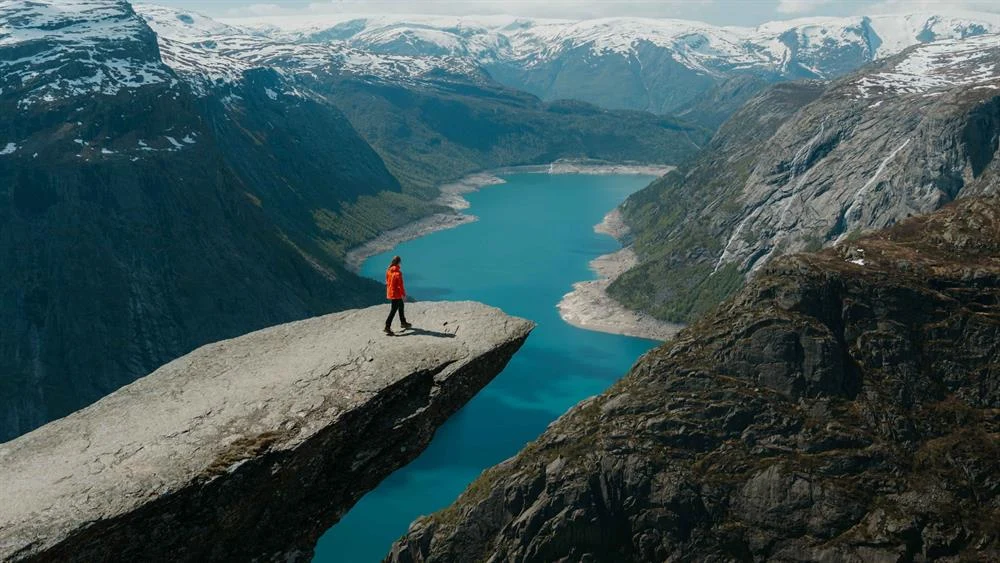
Social media posts show travelers posing calmly on rock ledges over Norwegian fjords. What those photos hide is an 8- to 12-hour grueling wilderness trek across exposed rock.
Rescuers handle dozens of emergency extractions every season for hikers suffering from severe hypothermia, twisted ankles, and total physical exhaustion.
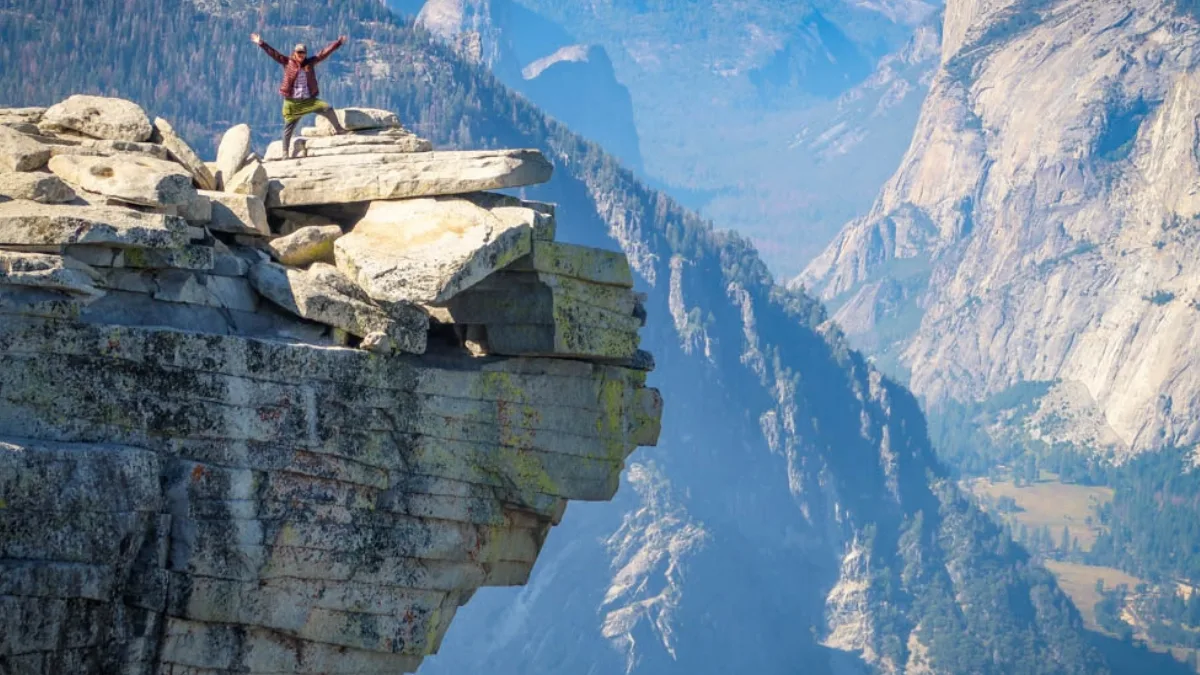
7. Half Dome Cables (Yosemite, USA)
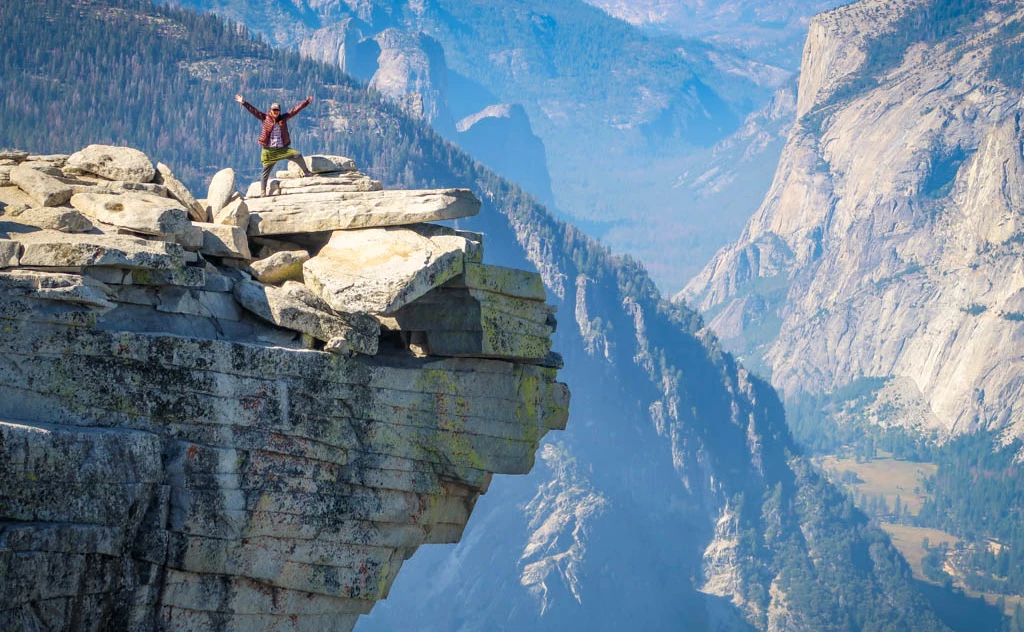
The final ascent up Half Dome requires climbing a steep granite slope using metal cables. Over 60 people have died on Half Dome, with hundreds suffering severe falls. Rain turns the polished granite surface into an ice-like slide. Casual hikers often get caught on the cables during sudden afternoon thunderstorms.
8. Plitvice Lakes National Park (Croatia)
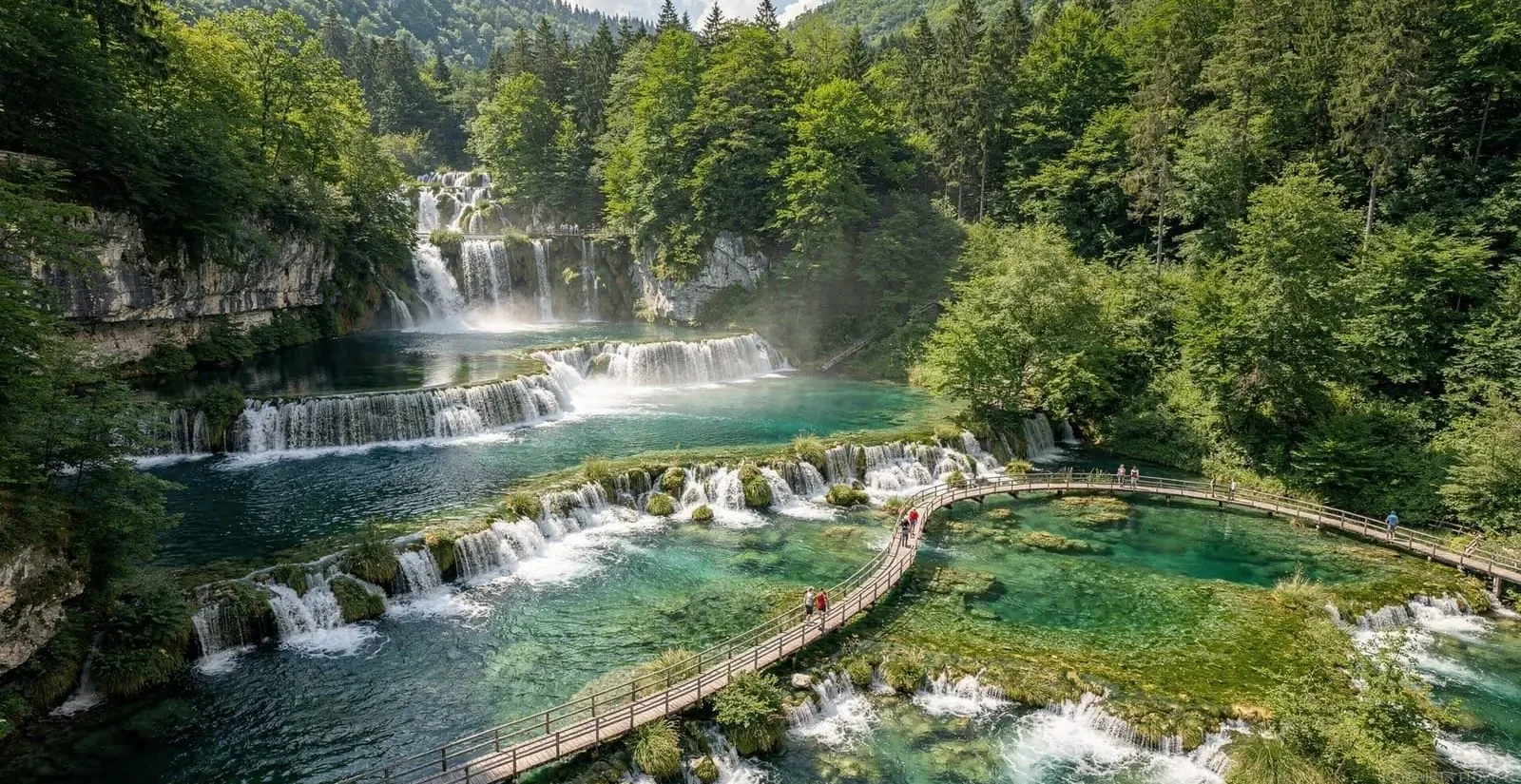
Plitvice Lakes attracts huge crowds to its narrow, unrailed wooden boardwalks suspended directly over deep water. Slippery planks cause frequent falls and bone fractures. Additionally, wandering off the marked trails into the park’s dense outer forest zones puts travelers near historic minefields left over from regional conflicts.
Tropical Paradises with High Physical & Scam Hazards
Warm water, cheap drinks, and relaxed local rules draw millions to tropical hubs. But tropical relaxation often lowers your survival instincts right when you need them most.
9. Yucatán Cenotes & Cancun Corridor (Mexico)
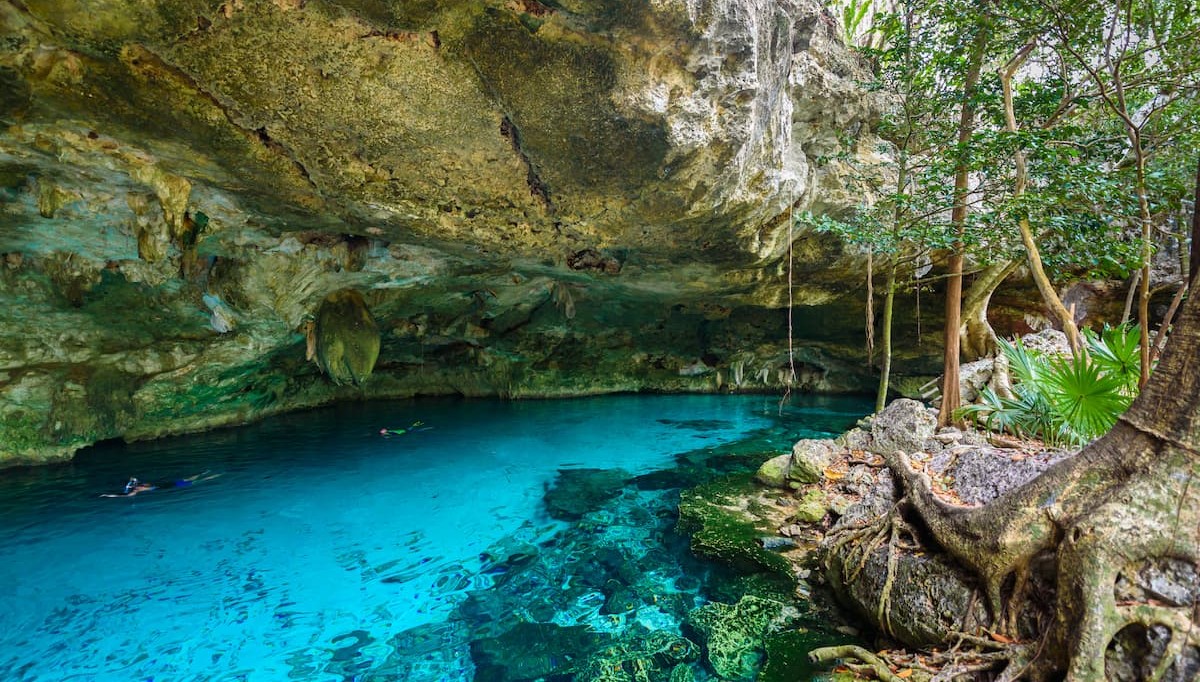
The limestone sinkholes across the Yucatán Peninsula offer stunning swimming opportunities. However, unregulated cave diving operations have caused over 20 fatalities in recent years due to deep silt blowouts and missing guide lines.
Closer to the Cancun hotel zone, tourist bars feature cartel-adjacent extortion schemes where venue managers charge massive surprise tab fees and enforce them with armed security.
10. Kuta Beach & Seminyak (Bali, Indonesia)
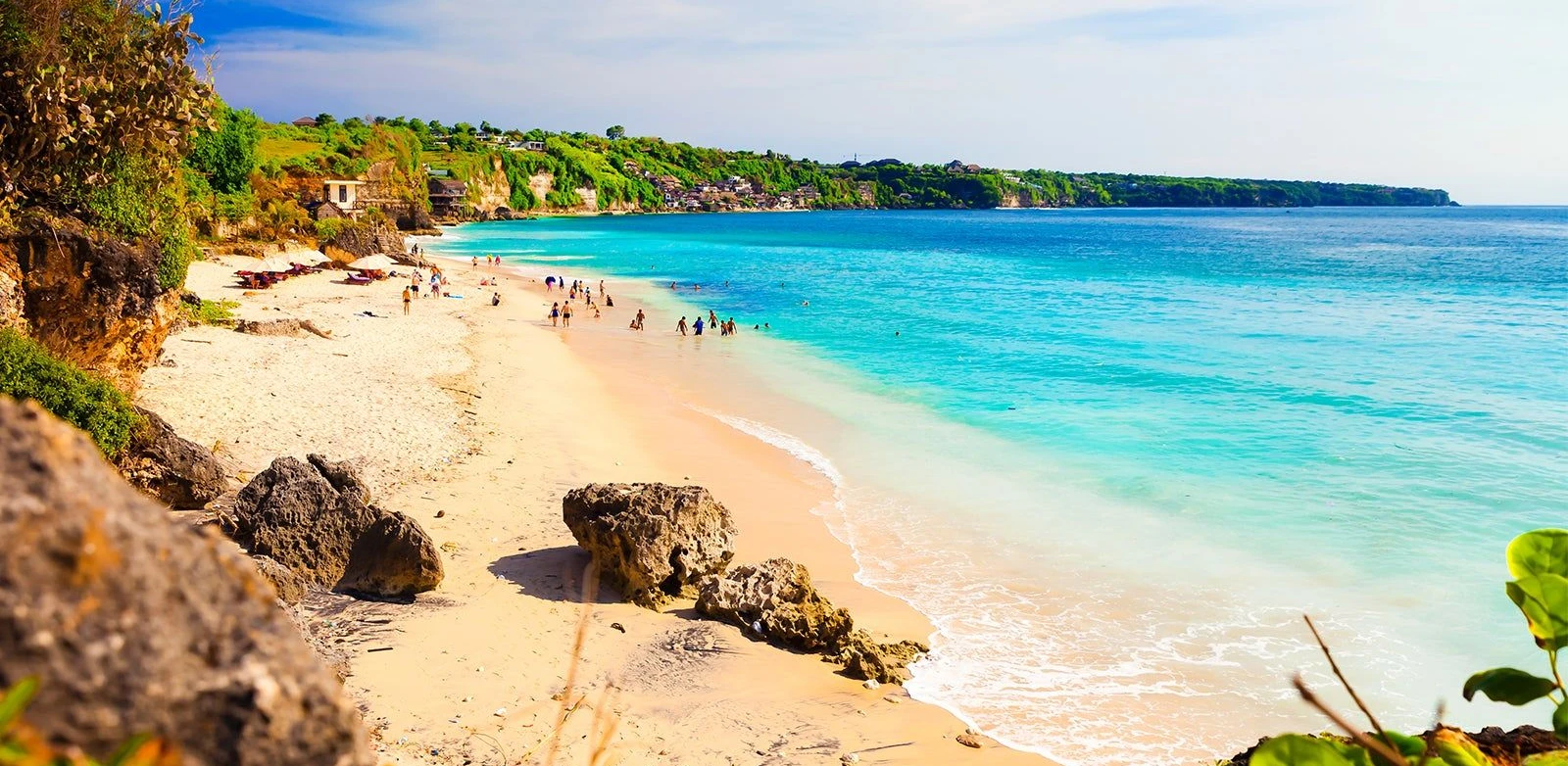
Bali is marketed as a spiritual haven, but its main tourist strip hides severe dangers. Methanol poisoning from bootleg alcohol in local cocktails causes permanent blindness and death every year.
On the roads, high-frequency motor scooter collisions injure hundreds of uninsured tourists who rent bikes without international motorcycle licenses.
11. Phuket Bangla Road (Thailand)
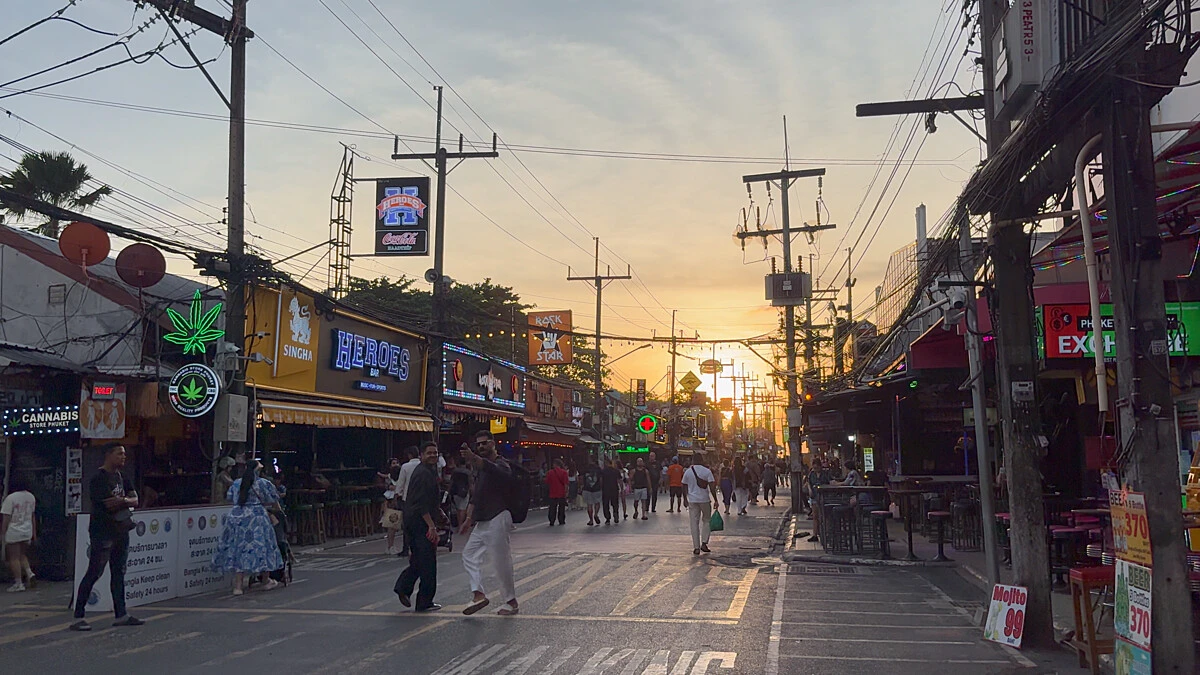
Bangla Road in Patong is packed with high-pressure night entertainment scams. Touts push visitors toward floor shows promising cheap drinks. Once inside, venues lock the doors and present bills totaling hundreds of dollars for a single drink.
Jet ski rentals on nearby beaches run a similar extortion scheme, accusing tourists of pre-existing hull damage and demanding massive cash payouts before returning passports held as collateral.
12. Na Pali Coast Kalalau Trail (Hawaii, USA)
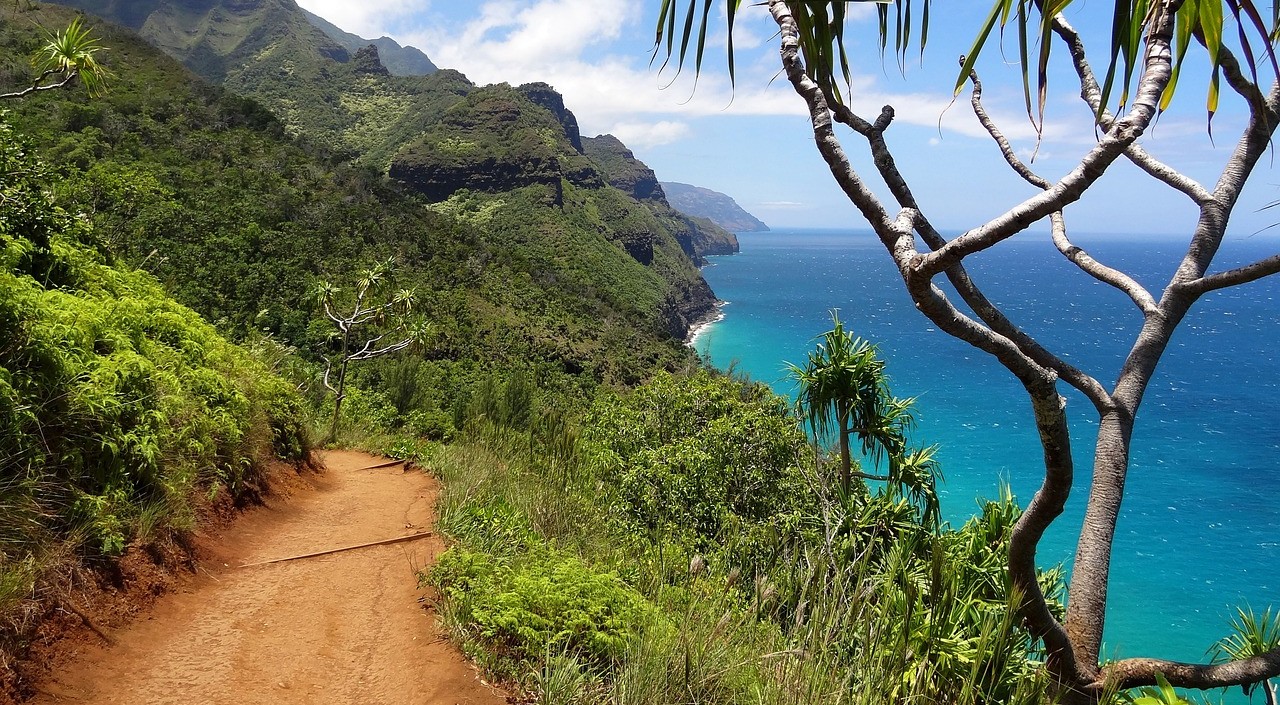
This trail along Kauai’s coast offers unmatched Pacific views alongside extreme physical hazards. Deceptively beautiful shorelines feature violent shorebreak undertows responsible for over 100 drownings. Crossing Hanakapiai Stream during sudden rains leads to flash floods that trap hikers against sheer ocean cliffs.
13. San Andrés Island (Colombia)
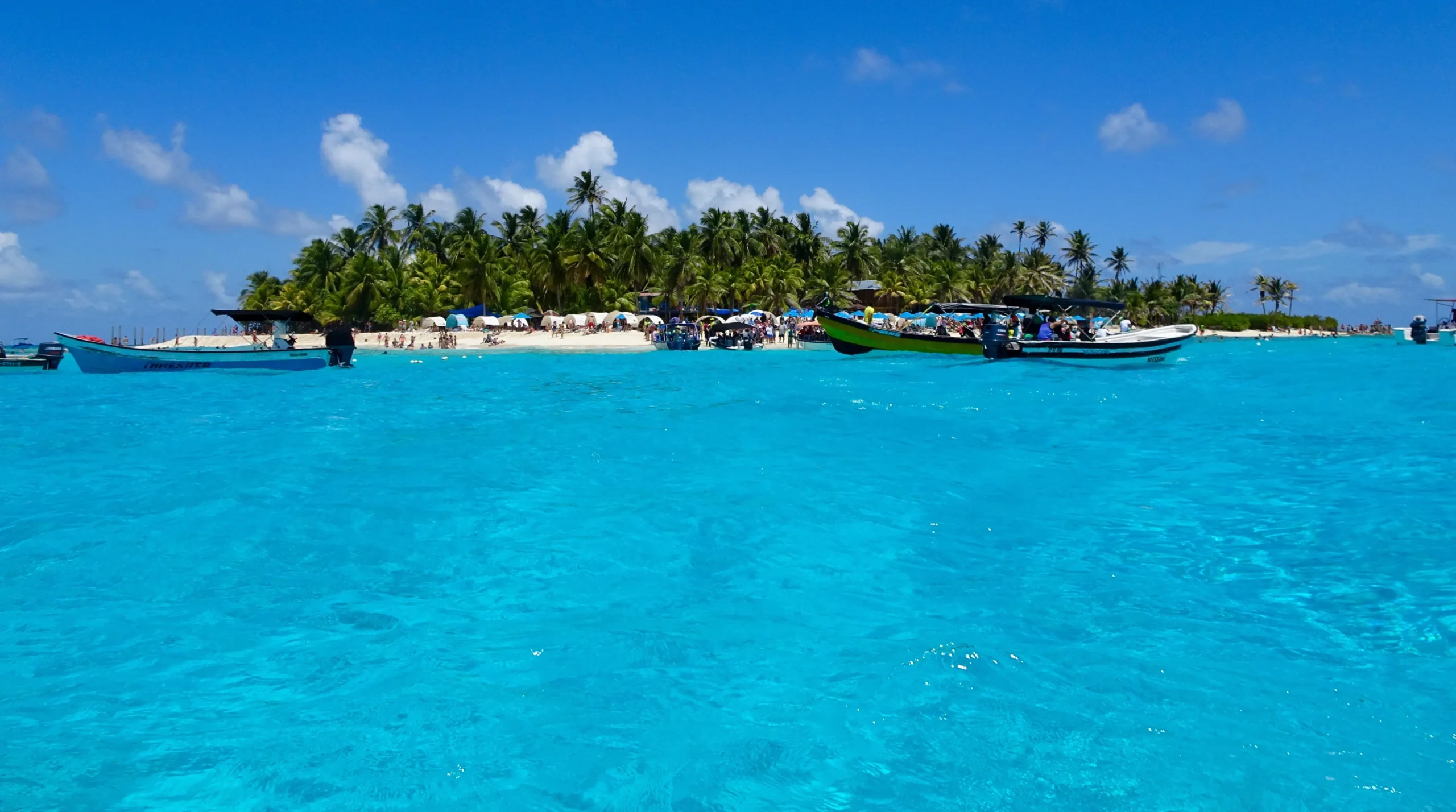
San Andrés offers white sand beaches, but its isolated Caribbean position presents severe security issues. High rates of sea-borne muggings and violent local gang disputes target tourists renting buggies or vehicles along unlit coastal loops.
Historical Monuments Turned High-Risk Micro-Zones
Ancient wonders pull massive crowds into tight geographic spaces. This creates concentrated markets for predatory sales tactics, physical intimidation, and fake service fees right outside world-famous gates.
14. Intramuros (Manila, Philippines)
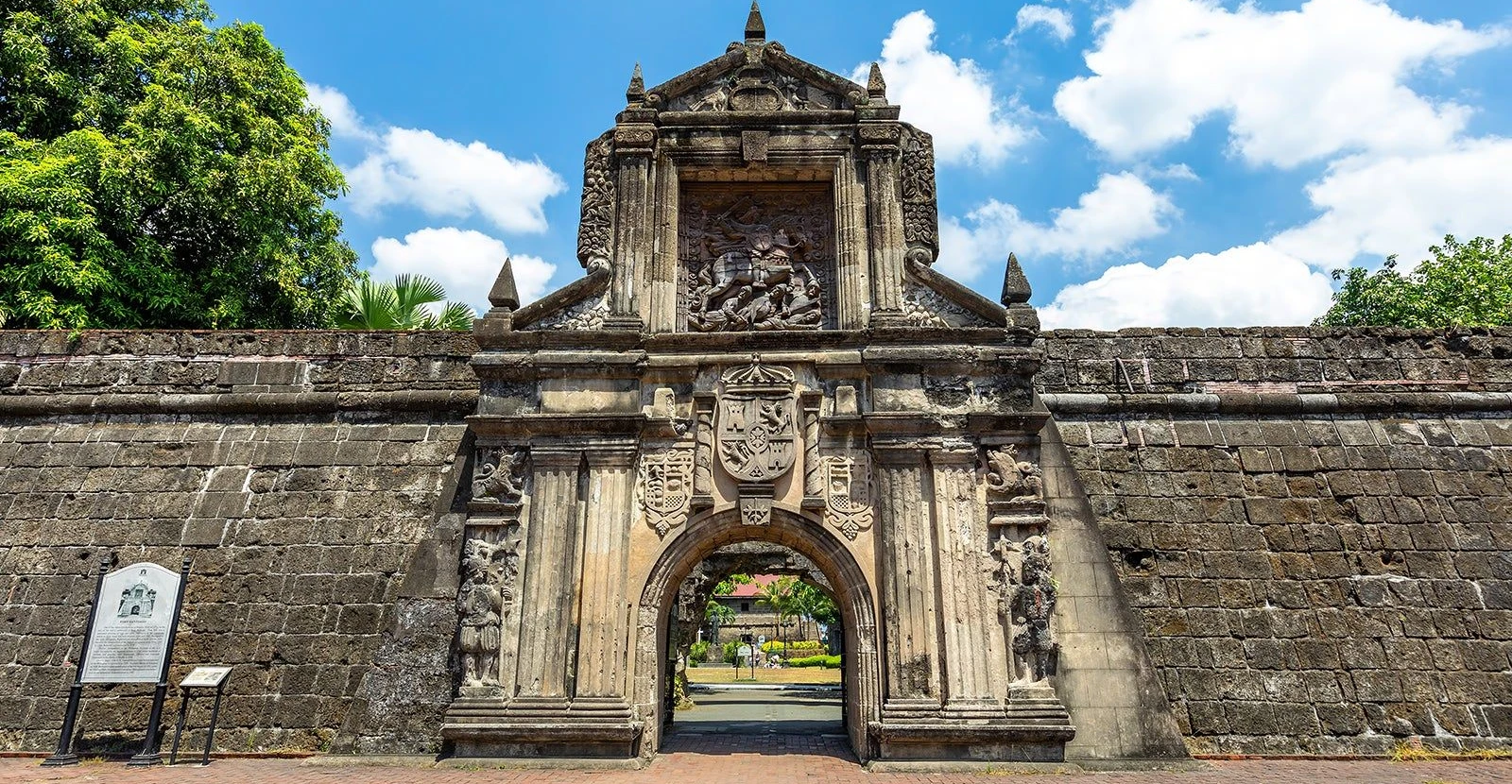
Manila’s historic walled city is packed with rich history, but it has a high rate of review-based scam warnings online. Unlicensed pedicab and trike drivers target visitors outside the gates.
They offer cheap tours for 50 Pesos, but claim at the end of the ride that the price was “per minute” or “per meter,” charging up to 100 times the standard rate under threat of intimidation.
15. The Pyramids of Giza (Cairo, Egypt)
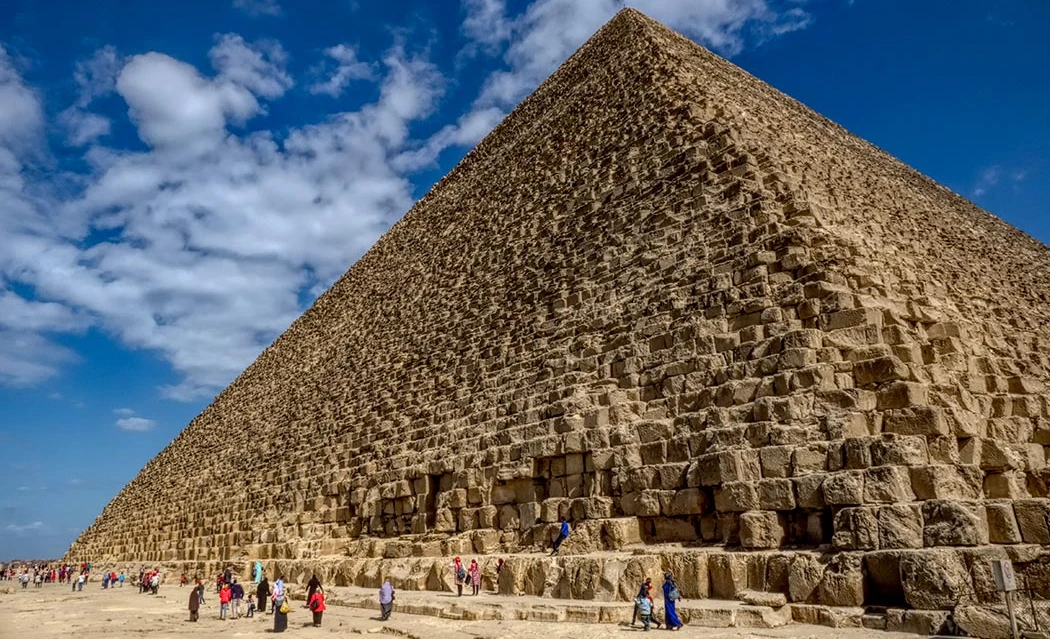
The Giza Plateau features aggressive sales tactics and physical intimidation. Illegal ticket touts pose as site officials, grab your tickets, and demand fees to hand them back.
Camel and horse owners offer cheap rides, carry tourists far out into the desert, and demand hundreds of dollars in cash to let them dismount.
16. Petra Historic Site (Jordan)
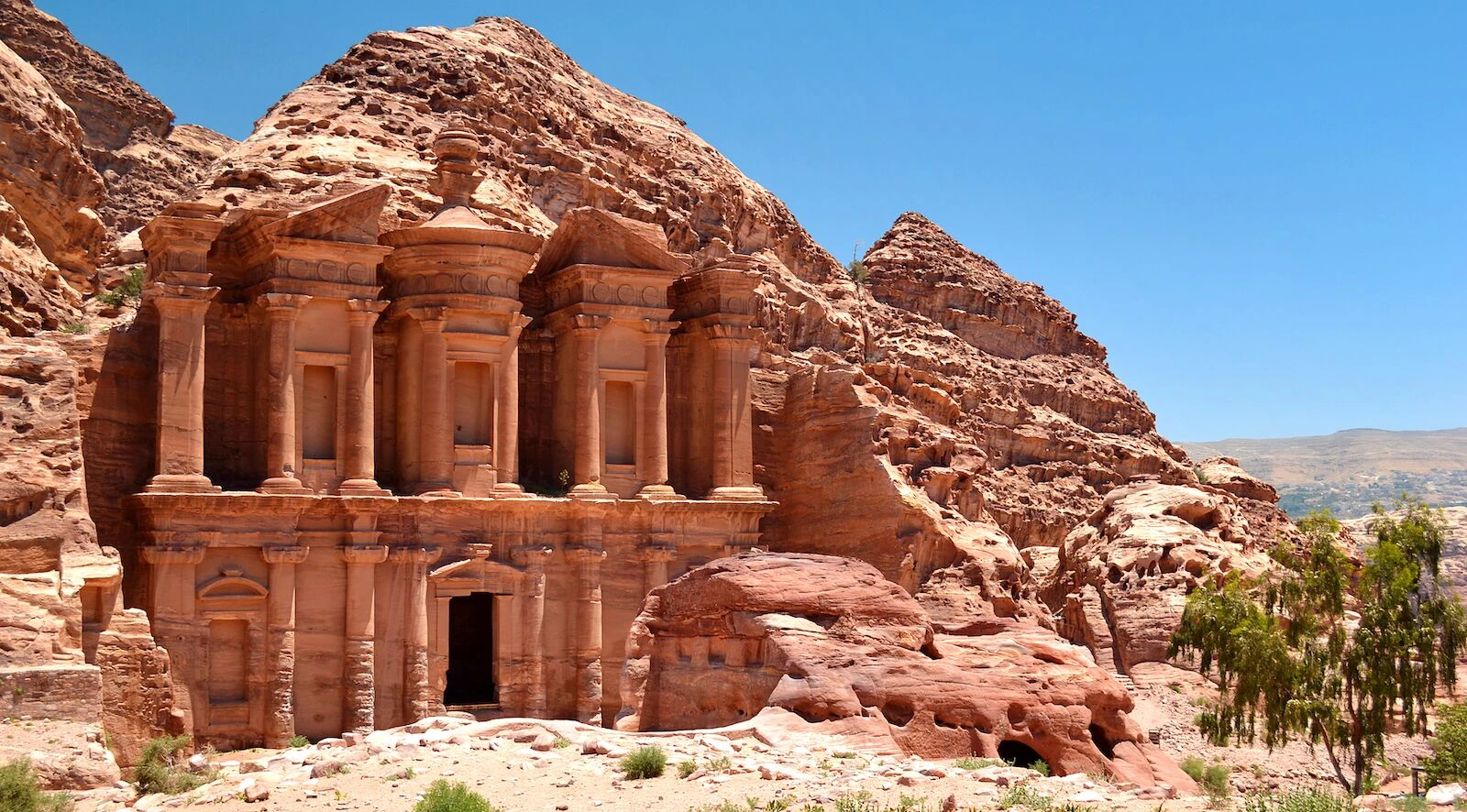
The narrow Siq canyon leads to breathtaking monuments, but it hosts persistent tourist scams. Local operators offer “free” horse rides included with your entrance ticket, then aggressively demand massive cash tips at the end.
Fake Bedouin guides offer access to closed off-trail viewpoints, leading travelers up unstable rock faces without safety equipment.
17. The Grand Bazaar (Istanbul, Turkey)
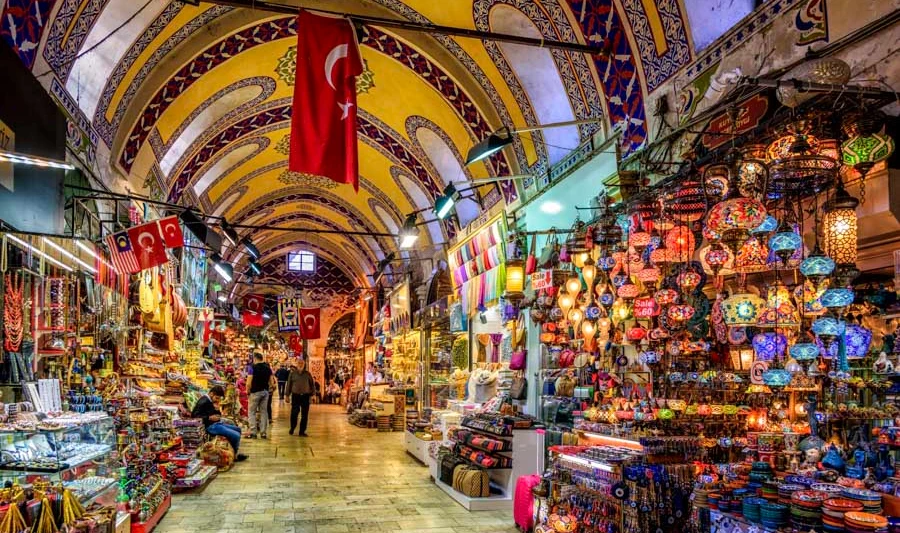
Istanbul’s Grand Bazaar contains thousands of shops across a massive maze of covered streets. The main threat here is the “friendly stranger” tea ceremony scam.
Well-dressed strangers strike up conversations in fluent English, invite you to a nearby rug shop or bar for complimentary tea, and use high-pressure tactics or credit card cloning machines to steal thousands from your account.
Travel Smart.
Stay Alert.
Popular tourist spots can hide real risks. Use simple defensive habits, verify who you trust, and prepare before you leave home.
3 Rules for High Pressure Sites
Use the Power of No
Give one firm, polite “No thank you”, avoid eye contact, and keep moving instead of getting pulled into a sales pitch.
Verify Official Uniforms
If you feel threatened or cornered, look for badged tourist police near official site entrances.
Confirm the Full Price
Before entering a vehicle or riding an animal, confirm the final total for everyone.