
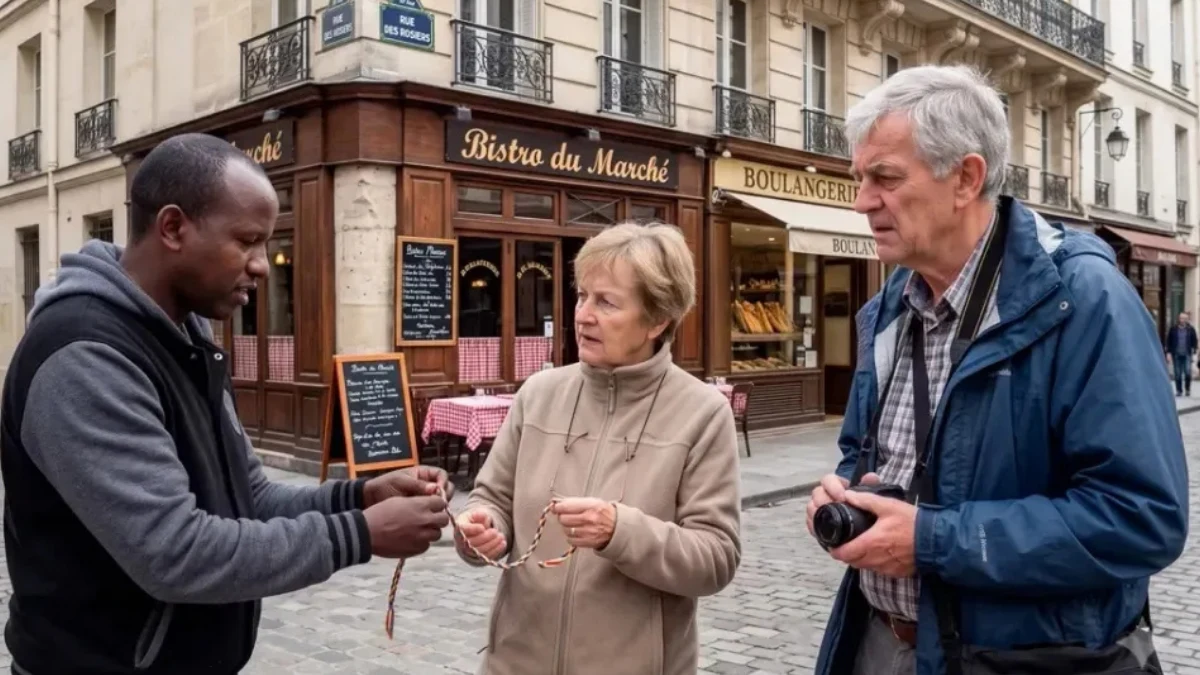
Standing at the base of the Sacré-Cœur in Paris or the Colosseum in Rome, you are carrying something far more visible than a DSLR camera: an unmistakable American presence that signals high-limit credit cards and unfamiliarity with local street dynamics.
International travel is back in full force, but street hustlers and cybercriminals have upgraded their playbooks. In 2026, street cons combine quick physical distraction with high-tech exploits like malicious QR codes, contactless skimming, and AI voice scams.
21 Travel Scams Targeting Americans Abroad (And the One Word That Stops Them Cold)
Why Street Hustlers Focus on American Travelers Overseas
Foreign street hustlers choose targets based on quick risk calculations. American travelers consistently top their list, not because of what they wear, but because of how they interact.
Street Distractions & “Friendly” Local Cons
Scam #1: The Friendship Bracelet and Ring Drop
- Locations: Paris, Rome, Athens, Barcelona.
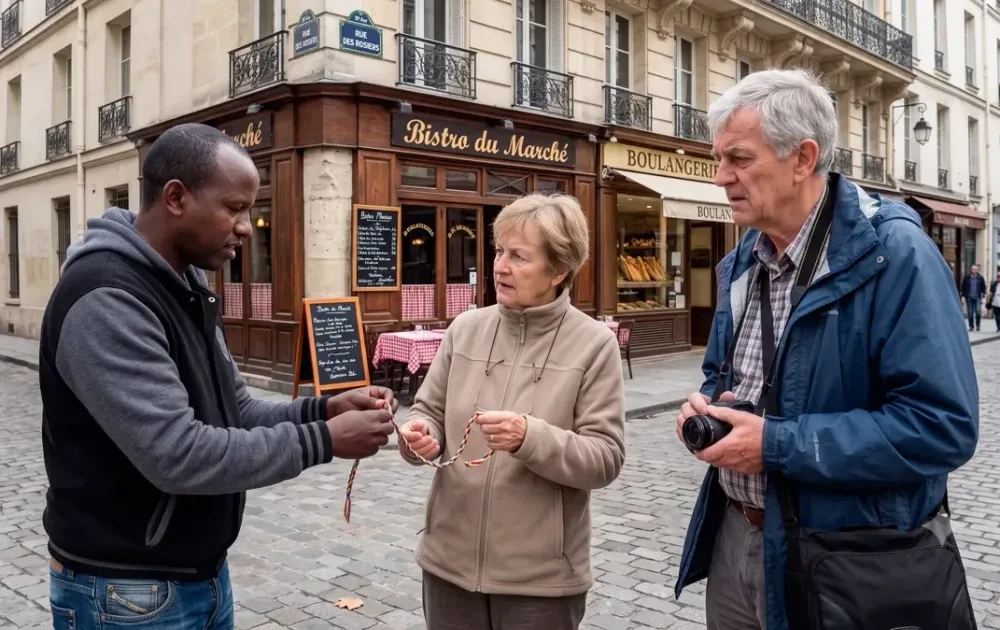
- The Setup: A stranger approaches you with a friendly smile, offering a braided string bracelet or holding up a “lost” gold ring found at your feet.
The scammer wraps a string bracelet around your wrist or ties it around your finger before you can react and rapidly weaves it tight while making casual small talk about where you are from. They demand cash for the “gift,” shouting or causing a scene if you refuse to pay.
The Rule: Keep your hands in your pockets or close to your body in crowded plazas. If someone reaches toward your hands, step backward immediately without speaking.
Scam #2: The Mustard and Spill Distraction

- Locations: Buenos Aires, Barcelona, Madrid, Florence.
- Where It Happens: You are walking down a quiet street when you suddenly feel a wet splash on your shoulder, coat, or daypack.
An accomplice squirts mustard, fake bird droppings, or sauce on your clothes from behind. A helpful passerby approaches with tissues, pointing at the stain and offering to wipe it off as you set your bags down to inspect the mess; the “helper” or an accomplice grabs your purse, backpack, or phone.
The Protocol: If anything spills on you in public, do not stop. Keep walking into a brightly lit store or bank before checking your clothes.
Scam #3: The Charity Clipboard and Petition Trap
- Hotspots: Western European landmarks (Louvre, Berlin Cathedral, Charles Bridge).
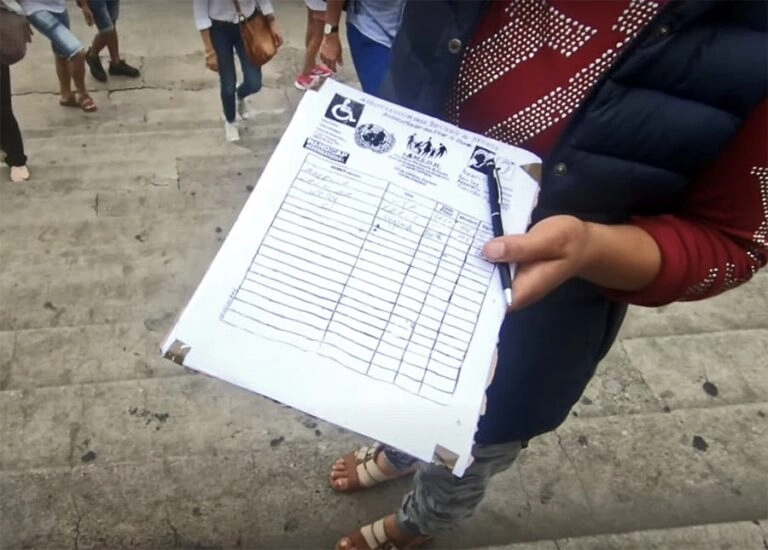
- How It Starts: A young person carrying a clipboard approaches, indicating they are deaf or working for a children’s charity, and asks for your signature.
They thrust a clipboard close to your chest, covering your line of sight. While you read or sign the fake paper, their hand or an accomplice’s hand works underneath the clipboard to unseal your pockets and demand a cash donation after you sign, refusing to let you leave easily.
The Playbook: Never sign petitions on the street. Use a flat hand gesture to block the clipboard from reaching your chest area and keep walking.
Scam #4: The Flirtatious Local and Tea House Trap
- Common Areas: Beijing, Shanghai, Istanbul, Tokyo (Kabukicho).
- The Pitch: Friendly young locals or attractive strangers approach single travelers or small groups, asking to practice their English over tea or drinks.
They lead you to a hidden upstairs tea house, lounge, or bar away from main streets, order expensive items or top-shelf drinks without showing you a menu with prices. The final bill arrives totaling thousands of dollars. Large bouncers block the door until your credit card clears.
The Golden Rule: Never enter a venue chosen by a stranger who approached you on the street. Always select your own cafes and bars using independent maps.
Scam #5: The Dropped Item and Commotion Distraction
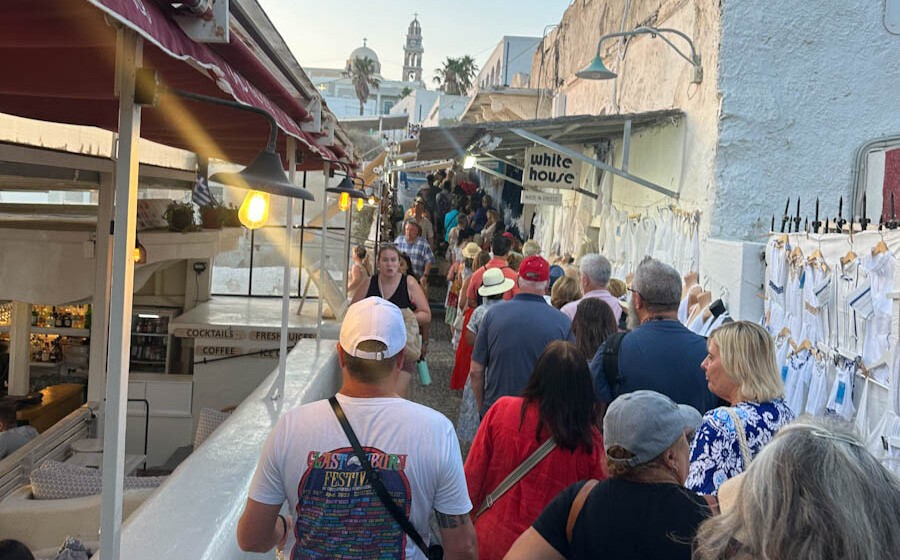
- Prime Spots: Rome, Cairo, Athens, Ho Chi Minh City.
- The Hook: A sudden, shocking event happens right in front of you a stranger drops a box of items, tumbles, or throws something toward you.
The sudden noise and movement catch your attention, forcing you to look toward the commotion, and your natural reflex makes you step forward or reach out to help. Pickpockets positioning themselves behind you sweep through your unzipped daypack while you are distracted.
The Bottom Line: When commotion happens in a crowded area, do not step closer. Secure your hand directly over your valuable items and step against a wall.
Scam #6: The Broken Camera Trap

- High-Risk Zones: Tourist hotspots worldwide.
- The Play: A stranger hands you their camera or smartphone, asking you to take a photo of them in front of a monument.
You take the photo and hand the device back. The owner intentionally fumbles the handoff, letting the device drop and shatter on the pavement, making a loud scene, claiming you broke their expensive equipment and demanding cash compensation.
The Defense: Politely decline requests to handle a stranger’s phone or camera. Offer to take a photo only if their device is mounted on a selfie stick or secure strap.
Transport Exploits: Taxis, Trains, and Transit Hubs
Scam #7: The Broken Meter and Flat Rate Switch
When arriving at international airports or central train stations with luggage, travelers are vulnerable to transit transport exploits. Taxi drivers recognize jet-lagged Americans who are unfamiliar with local currency calculations.
You step into an unmarked or street-hailed taxi. The driver starts driving before claiming the meter is broken, or covers the display with a cloth. At your hotel, they demand a fixed rate that is three to five times higher than the metered fare.
How to Handle This: Never enter a taxi until you confirm the meter is reset and running. If the driver claims it is broken, step out immediately and use an official taxi queue or rideshare app.
Scam #8: “Your Hotel is Closed or Burned Down”
This con occurs during taxi rides from airports to town centers, particularly in South and Southeast Asia.
You give the driver your hotel address. Mid-ride, the driver claims that the hotel is closed, burned down, or located inside a protest zone. They offer to take you to a “better” hotel, which turns out to be a high-commission partner property where you pay inflated rates.
Your Move: Call your hotel directly using a local SIM card or roaming connection. Tell the driver you have a confirmed booking and insist on being dropped off at the address.
Scam #9: Train Station Luggage “Assistance”
- Target Cities: Paris Gare du Nord, Rome Termini, Milan Centrale.
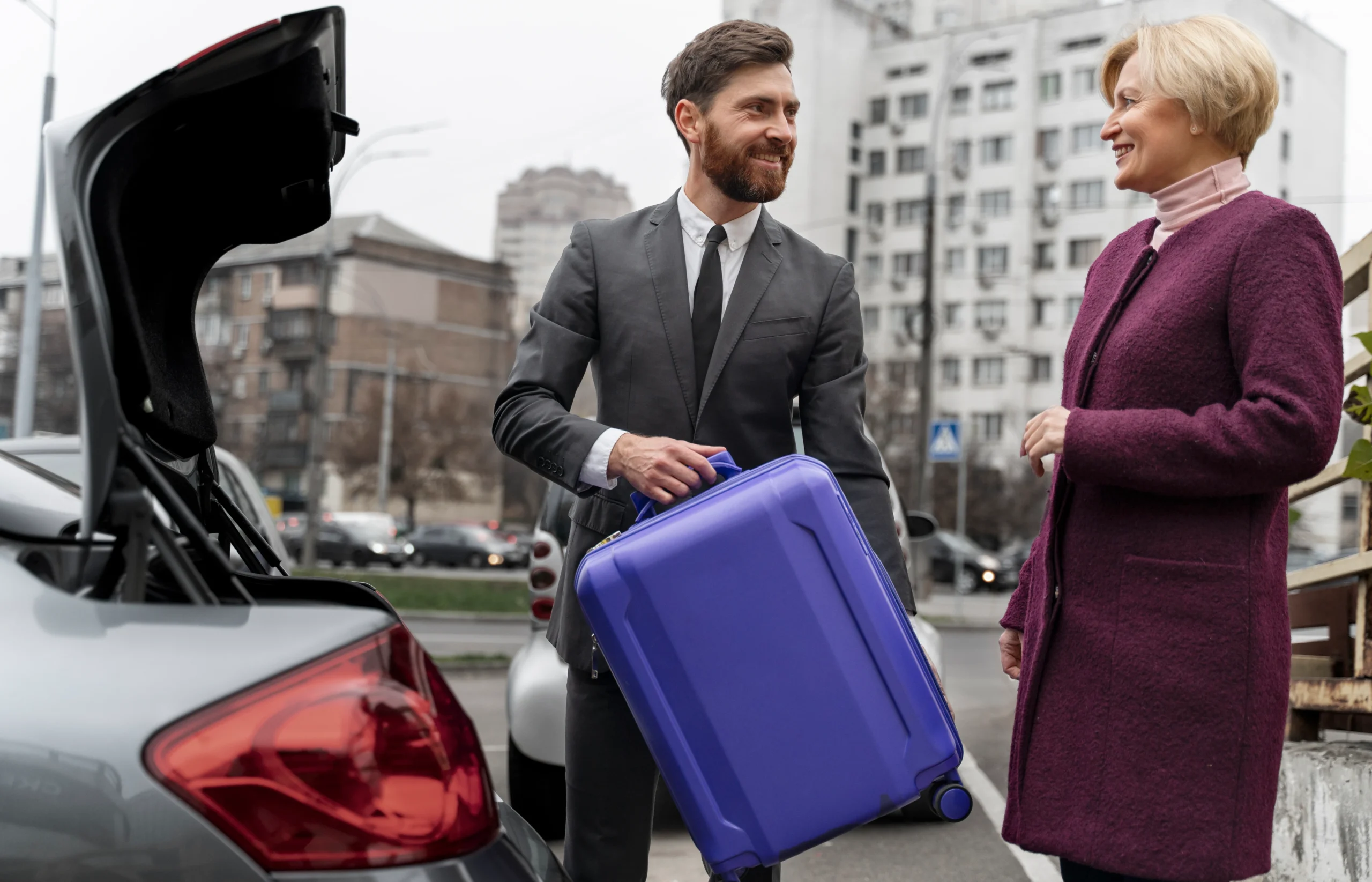
As you step onto a train platform, a person wearing high-visibility gear or clean clothes grabs your heavy suitcase. They lift it into the luggage rack or carry it up the train steps before you can stop them and block the aisle, and aggressively demand $20 to $50 in cash for their unwanted service.
Pro Tip: Keep a firm hand on your luggage handle at all train hubs. Say “No” clearly if anyone reaches for your bags.
Scam #10: Scooter and Rental Vehicle Damage Extortion
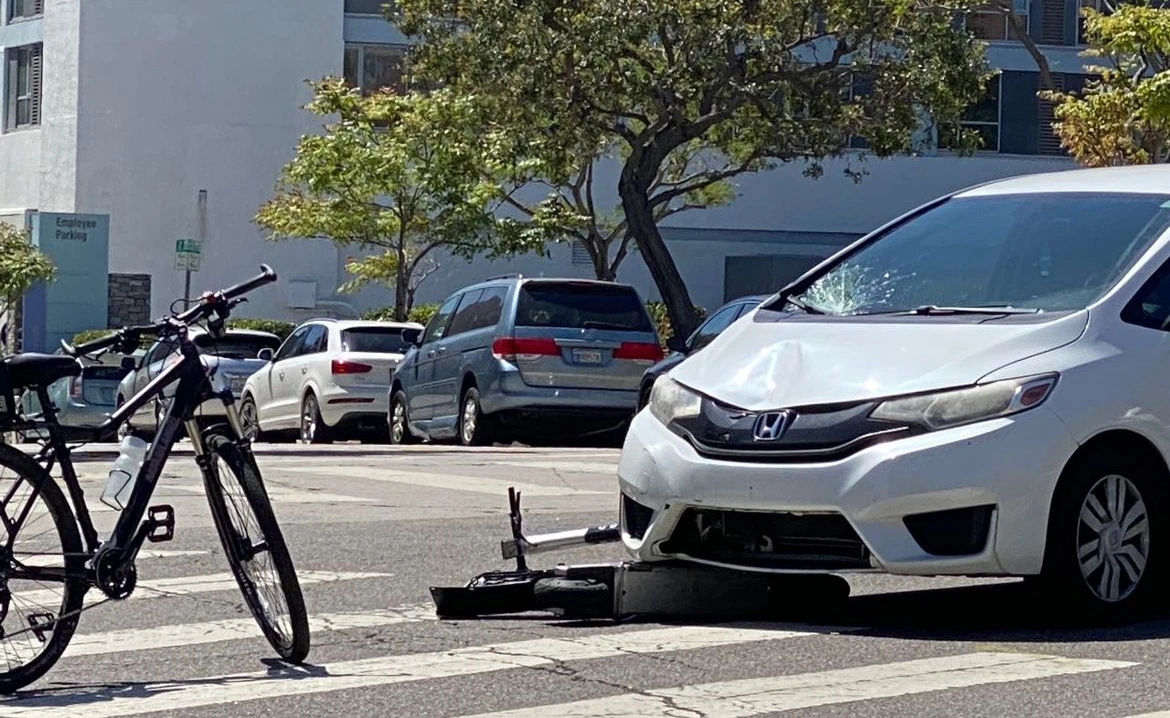
- Frequent Sighting Areas: Thailand, Indonesia, Greece, Mexico.
You rent a scooter, jet ski, or car. The shop owner skips a pre-rental inspection, telling you “it’s fine.”When you return the vehicle, the owner inspects it closely, pointing out deep scratches underneath the frame. They threaten police action or withhold your passport/cash deposit unless you pay thousands in immediate cash repairs.
The Fix: Photograph and record a full HD video of every inch of a rental vehicle before touching it, ensuring the rental shop employee is visible in the video frame.
Scam #11: Fake Border Official Fees
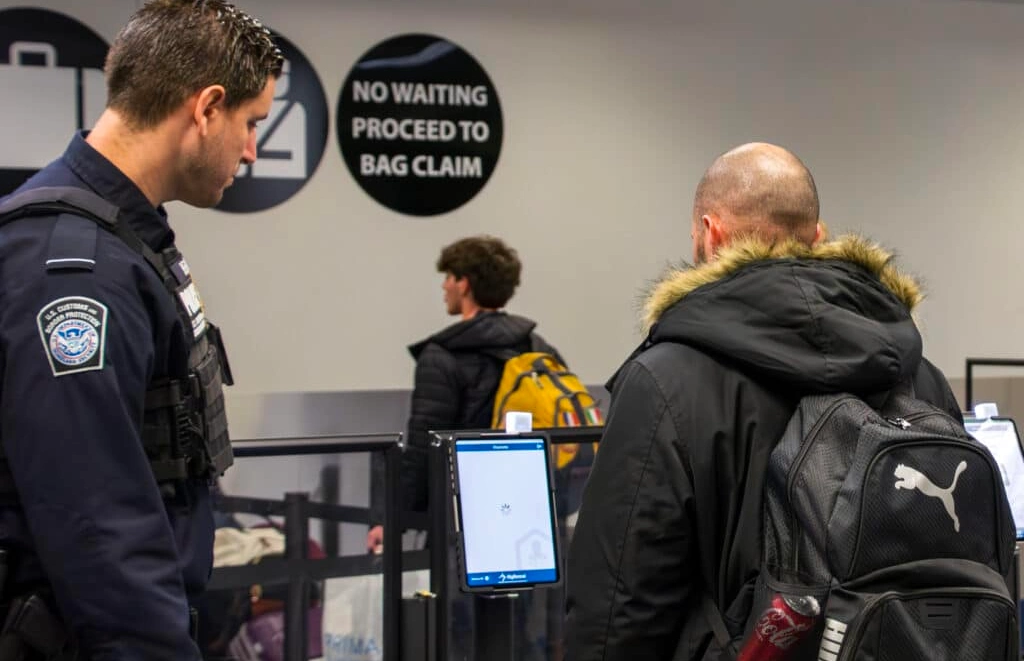
- Common Settings: Land crossings in Southeast Asia, Central America, and East Africa.
At land borders, individuals dressed in official-looking attire approach you before the passport control building, demand non-existent “health clearance,” “tourist card processing,” or “stamp fees,” and hold your paperwork until you pay their cash bribe.
Action Step: Pay fees only at official, permanent glass windows inside government border facilities where printed receipts are issued.
Hotel, Rental, and Digital Wallet Fraud
Scam #12: The Late-Night Front Desk Credit Card Call
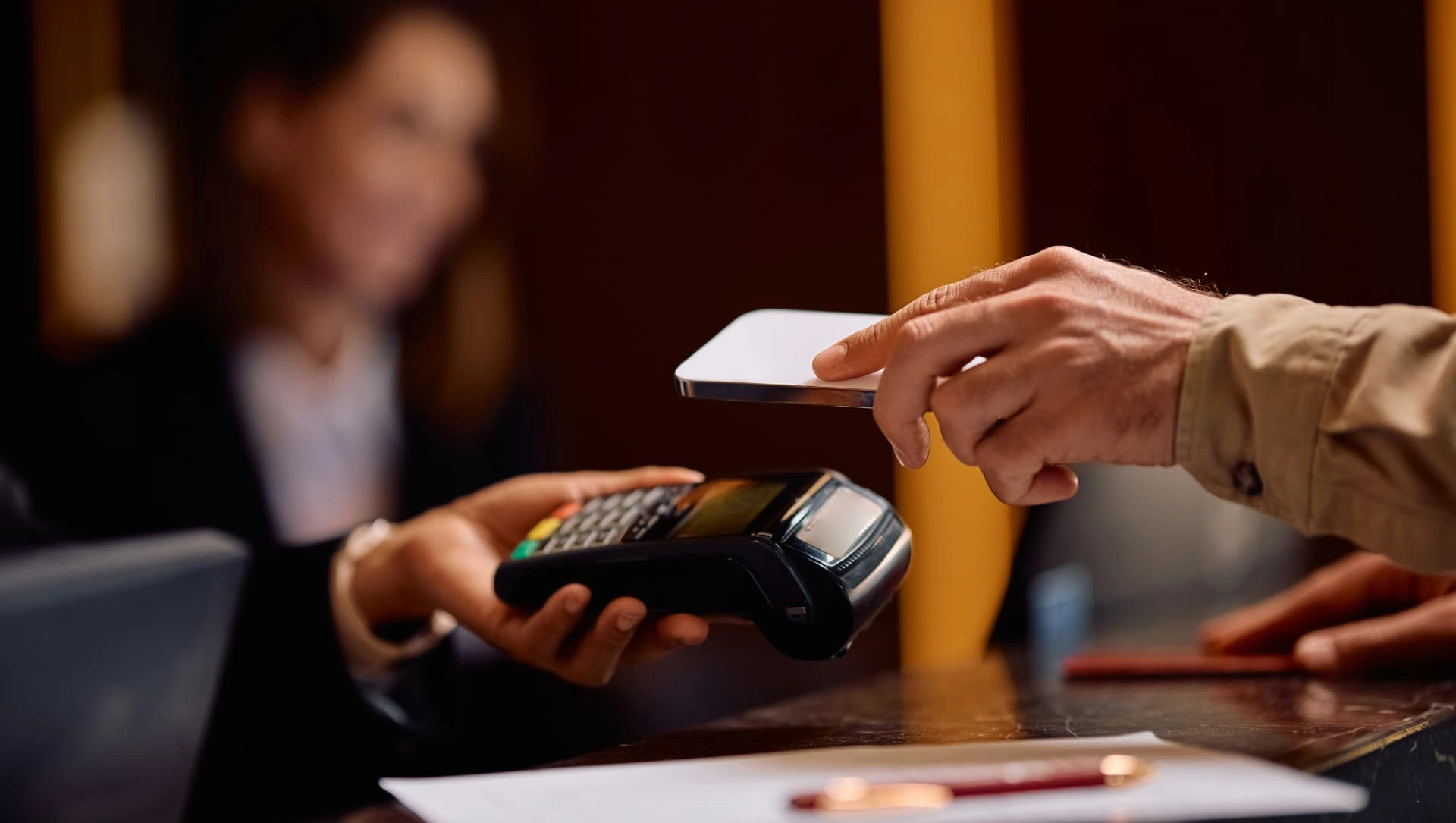
- The Play: Your phone rings in your hotel room at 1:30 AM.
The caller claims to be the front desk night manager, apologizing for a system crash or billing card error. They ask you to re-verify your credit card number, expiration date, and three-digit security code over the phone. A scammer standing at a lobby payphone or calling from outside drains your credit line before morning.
Key Command: Never give credit card details over a room phone. If asked about billing, walk down to the front desk in person.
Scam #13: The Rogue Wi-Fi Hotspot (“Evil Twin”)
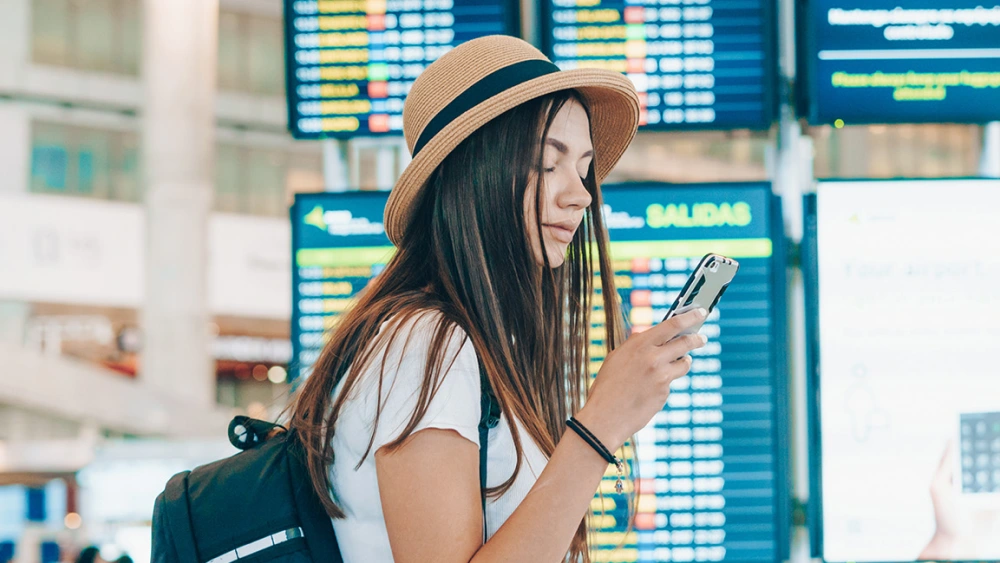
You search for Wi-Fi and see an unencrypted network named Hotel_Guest_Free or Airport_Terminal_WiFi. An attacker operating a portable router nearby created this network to capture unencrypted data traffic. As you log into banking apps or email, your credentials pass directly through the attacker’s server.
Best Practice: Turn off auto-join for public Wi-Fi networks. Always run an active Virtual Private Network (VPN) or use a local eSIM for cell data.
Scam #14: Malicious Restaurant QR Code Menus
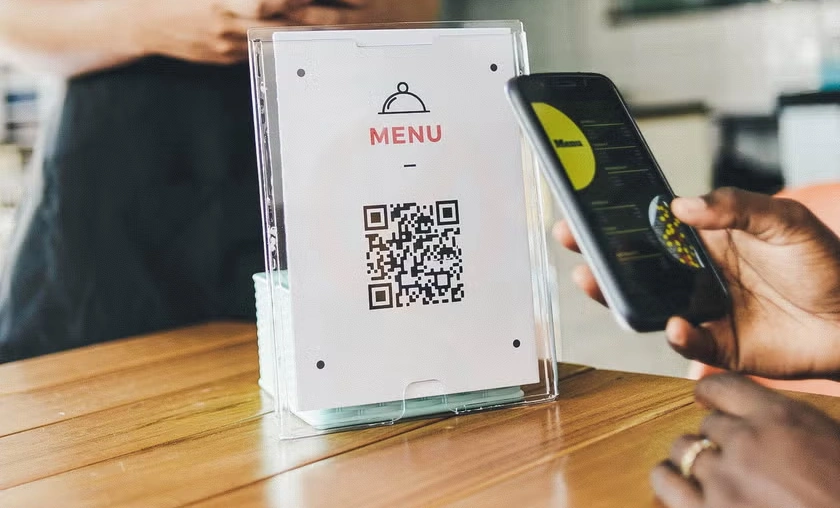
- The Bait: Restaurants post QR code menu stickers on outdoor tables.
Scammers paste malicious sticker overlays on top of genuine restaurant QR code menu placards. Scanning the code redirects your phone to a phishing site that prompts a software update or asks for payment details to view the menu. Malware installs on your phone, or your card data is stolen.
Core Principle: If a QR code menu opens a browser page asking for personal info, payment details, or app downloads, ask the server for a paper menu immediately.
Scam #15: The Room Inspector Distraction

Two people wearing suits or hotel uniforms knock on your hotel door, claiming to conduct an emergency room safe check, mini-bar audit, or maintenance review. While one person engages you in conversation near the bathroom or window, the second person quickly searches your luggage and nightstand.
The Standard: Call the front desk to confirm any unannounced maintenance visit before opening your door to hotel staff.
Scam #16: Dynamic Currency Conversion (DCC)
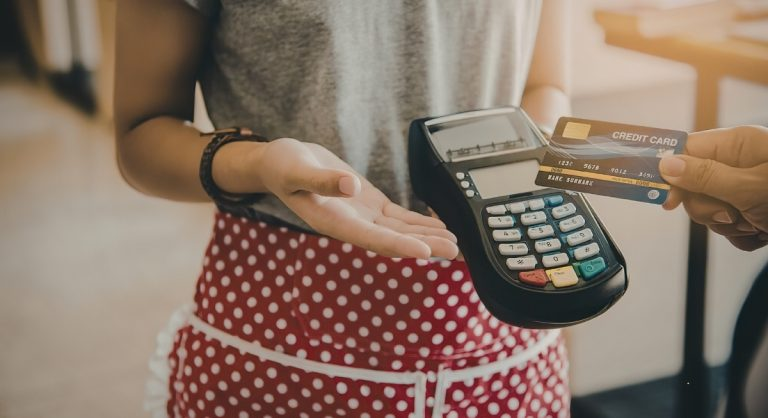
This legal card processing scam costs U.S. travelers millions of dollars annually in conversion fees. You pay for a meal or shopping items with your U.S. credit card. The card terminal asks: “Process payment in USD or Local Currency?” Choosing USD allows the merchant’s foreign bank to set a high exchange rate, adding an unnecessary 10% to 15% fee to your bill.
Key Guideline: Always select payment in the Local Currency (Euros, Yen, Pesos) when using credit card terminals abroad. Your home bank handles the conversion at better rates.
Tech-Driven Travel Fraud & ATM Scams
Modern travel scams use subtle technology tricks alongside traditional distraction methods. The FBI Internet Crime Complaint Center (IC3) notes that social engineering and credential-harvesting attacks against international travelers continue to rise.
Scam #17: ATM Skimming and Shoulder Surfing
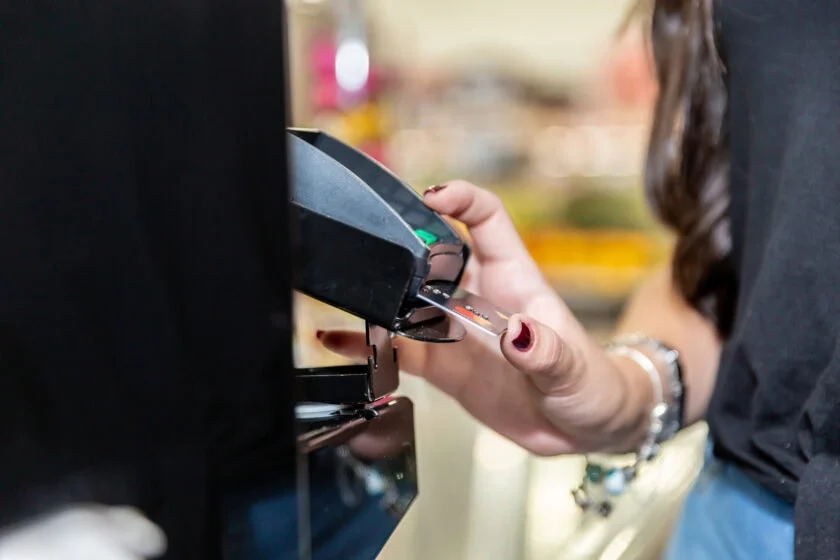
- The Approach: Standalone ATMs located in dimly lit convenience stores, transit hubs, or tourist streets.
Scammers attach a thin card reader overlay onto the card slot and mount a pinhole camera above the keypad. The skimmer copies your card’s magnetic strip data, while the camera records your PIN as you type it. Cloned cards enable rapid cash withdrawals from your account.
The Directive: Use bank ATMs located inside secure bank lobbies. Cover the keypad completely with your non-typing hand when entering your PIN.
Scam #18: The “Helpful” ATM Local
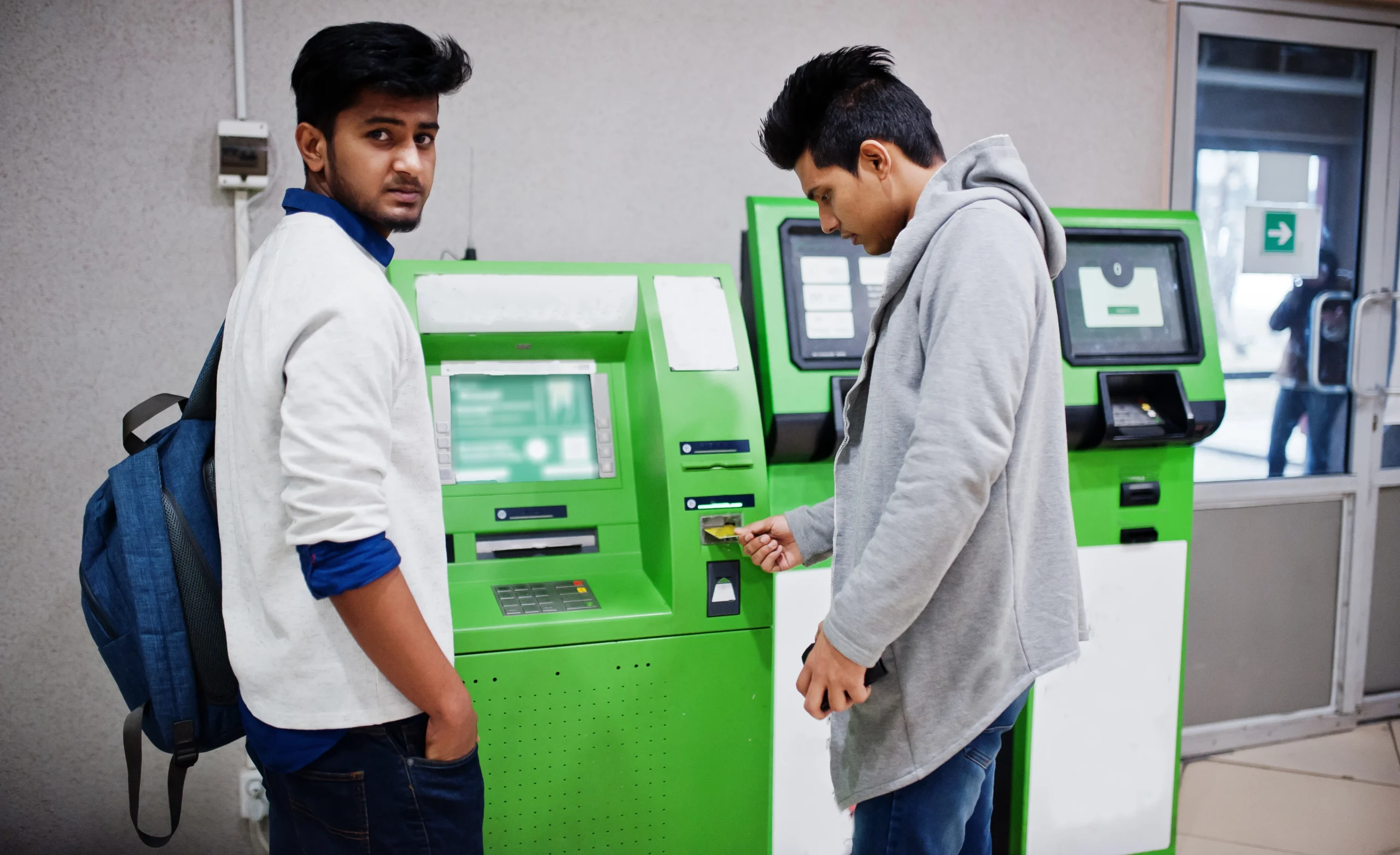
A friendly person stands near an ATM, approaching you as you pull out your credit card. They warn you about high foreign transaction fees, offering to walk you through the terminal menus to save money and watch your PIN entry, memorize your card details, or use hands-on distraction to swap your real bank card with a dummy card.
The Safe Move: Never interact with anyone while standing at an ATM. Cancel your transaction immediately if a stranger approaches or speaks to you.
Scam #19: Fake International Driving Permit (IDP) Websites

- The Opening Move: Travelers search online for an International Driving Permit before a road trip.
Search engine ads display official-looking websites promising “Instant PDF International Driving Permits” for $50 to $120. These non-official websites issue worthless printed papers that rental car agencies and local police officers reject, and they collect your driver’s license details and credit card info.
The Shield: Official U.S. International Driving Permits are issued exclusively through the American Automobile Association (AAA). Apply directly through an official AAA branch or their official site.
Scam #20: AI Voice Cloning Emergency Scams
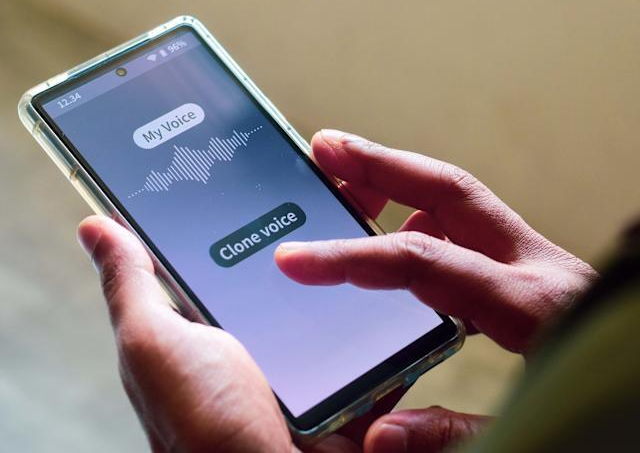
- The Angle: Scammers harvest short audio clips from your public social media stories or travel vlogs.
Using AI voice cloning software, scammers synthesize your voice from public video clips. They call your relatives in the U.S. using spoofed international phone numbers, the cloned voice sounds distressed, claiming you were arrested, hospitalized, or robbed, and urgent money transfers are needed for bail or medical care.
The Mandate: Set your social media profiles to private while traveling. Establish an offline family password before leaving home to verify genuine emergencies.
Scam #21: Fake Reservation Override Emails

You receive an urgent email or message that appears to come from your booking site or hotel. The email states that your credit card authorization failed, threatening reservation cancellation within 2 hours unless you click a link to re-enter payment details, link leads to a payment clone site that steals your card information.
The Red Line: Never click payment links sent via email or text. Log into your booking portal account directly through an official app or browser to verify requests.
The “One Word” Strategy: How to Shut Down Street Hustlers Cold
Street scammers rely on conversational momentum. They create an artificial obligation to reply, turning your politeness into an opportunity to manipulate you. To break this momentum instantly, you need an effective boundary rule: The “One Word” Strategy.
The Word
Use the local word for “NO” in the country you are visiting:
- France: Non
- Spain / Latin America: No
- Germany / Austria: Nein
- Greece: Ochi
- Italy: No
- Japan: Iie
- Thailand: Mai
Safe Travel Protection Checklist
Travel Smart.
Stay Protected.
Register With STEP
Enroll your itinerary in STEP to receive security updates and help during emergencies.
Save Emergency Numbers
Keep the local emergency number and your nearest U.S. Embassy or Consulate contact ready.
Carry Backup Cards
Bring two separate cards. Keep one card and backup cash somewhere secure at your hotel.
Lock Down Your Devices
Use biometric locks and a trusted VPN, and disable automatic public Wi Fi and Bluetooth connections.
Choose Safe Transportation
Use official taxi ranks, verified rideshares, or transportation arranged by your hotel.