
Some of the world’s most expensive vacation spots only become painfully expensive when you travel the way most tourists do.
A 2026 travel cost study ranked French Polynesia, the Maldives, Switzerland, Iceland, and Norway among the world’s 15 most expensive destinations. The Maldives can become especially expensive once resort rooms, private transfers, meals, and activities are added.
But those big numbers do not mean you have to give up on these places.
The trick is knowing which costs are optional. A private island resort is optional. Taking a taxi everywhere is optional. Eating beside the biggest tourist attraction three times a day is optional too.
If you want to visit expensive vacation spots on a budget, you have more choices than you may think. Local guesthouses, public transport, free attractions, simple meals, and smarter neighborhoods can cut a large part of the bill.
These 16 places prove that even famous luxury destinations can be budget-friendly when you spend on what matters and skip what doesn’t.
16 ‘Expensive’ Vacation Spots You Can Actually Do on a Shoestring
What Does Shoestring Travel Mean in an Expensive Destination?
A shoestring budget does not mean the same thing in every country.
Spending $70 in one day may be possible in some parts of Southeast Asia. That same amount can disappear much faster in Switzerland.
The goal is not to make an expensive country magically cheap. The goal is to stop paying the highest price for every part of your vacation.
That may mean staying outside the famous neighborhood, riding a bus instead of taking a taxi, or buying lunch from a bakery instead of sitting at a tourist restaurant.
It also means choosing which experience is worth paying for.
You might skip five small attractions so you can afford one mountain trip in Switzerland. Or you might stay in a simple guesthouse in the Maldives so you still have money for snorkeling.
Here is what that switch can look like.
| Cost | Expensive Choice | Shoestring Choice |
|---|---|---|
| Hotel | Famous central district | Area connected by public transport |
| Transport | Taxis and private cars | Bus, metro, or train |
| Food | Three restaurant meals | Bakery, market, grocery store, plus one meal out |
| Attractions | Paid sights every day | Free sights plus one priority attraction |
| Timing | Peak season | Shoulder season |
That is the basic rule behind this entire list.
1. The Maldives: Skip the Private Island Resort
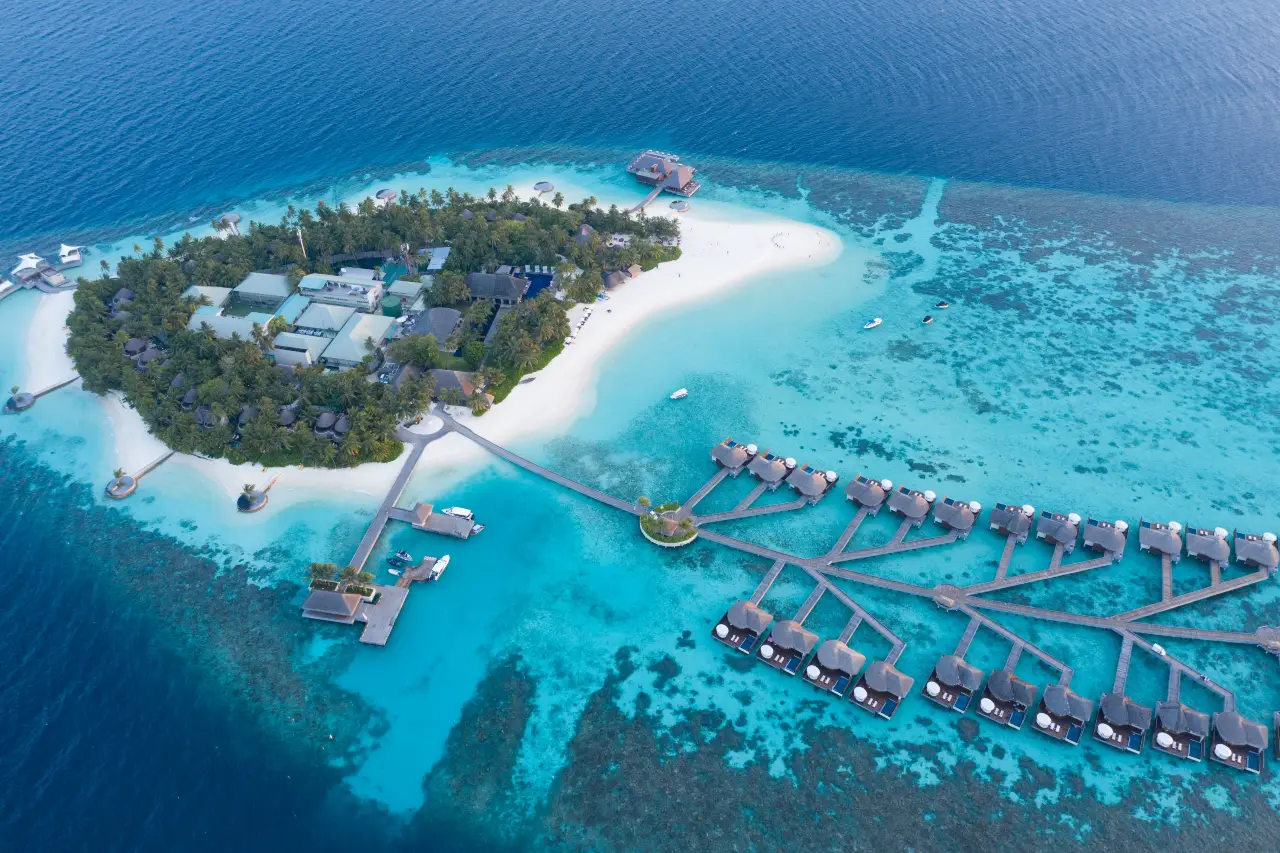
The Maldives looks expensive because most advertising shows one version of it.
You see an overwater villa, a private speedboat, a private beach, and a resort restaurant where there may be no cheaper place nearby to eat.
There is another option.
Stay on an inhabited local island.
The official Maldives tourism site lists guesthouses throughout the country. Current local island examples put some guesthouse rooms around $70 to $150 per night.
Look at places such as Maafushi, Thulusdhoo, Dhigurah, and Omadhoo.
You can sleep in a guesthouse, eat in local restaurants, use shared boat transfers, and book activities from local operators.
You still get clear water, beaches, snorkeling, and island scenery.
There are trade-offs. Local islands follow local laws. Alcohol restrictions apply, and modest clothing is expected away from designated bikini beaches.
That is important to know before booking.
But if your dream is seeing the Maldives rather than staying inside a private resort, this one change can completely alter the cost of the trip.
What makes it expensive: Private resorts and transfers.
Worth paying for: A good snorkeling or diving trip.
Skip when possible: Private resort transfers when a shared option serves your island.
2. French Polynesia: Make Moorea Your Base
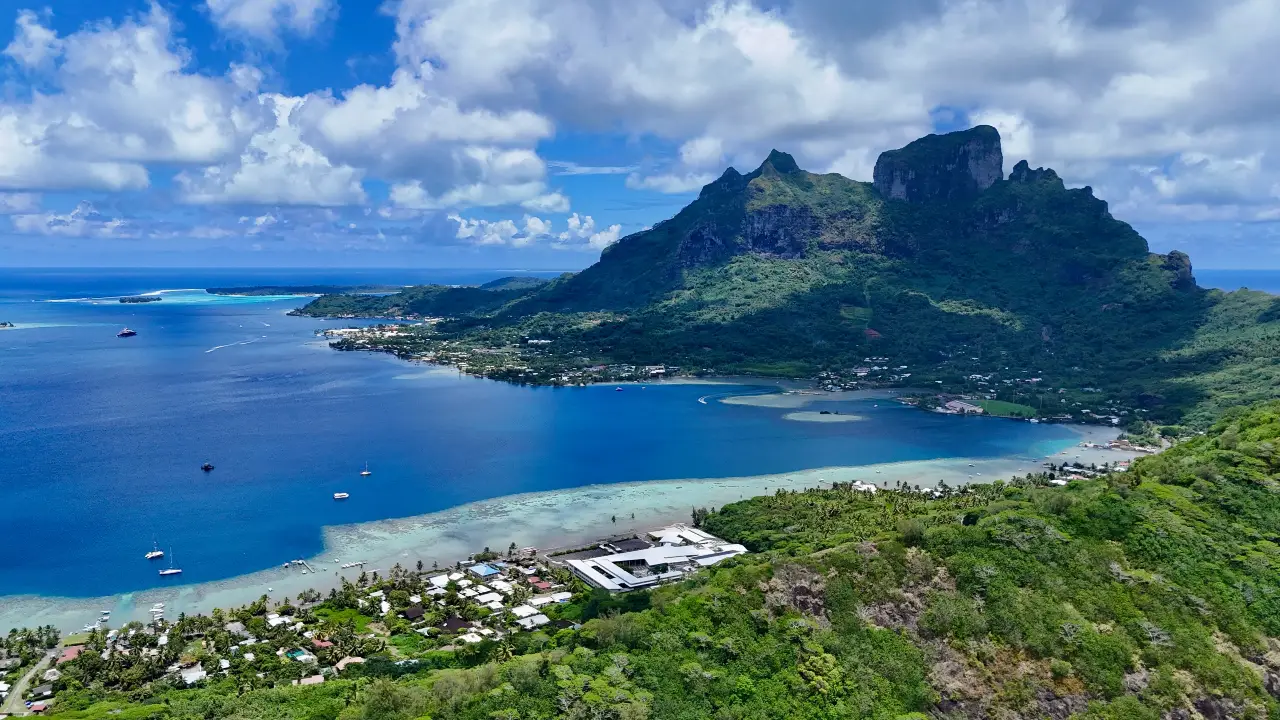
Bora Bora may be the first place you picture when you hear French Polynesia.
That picture often includes an overwater bungalow. It may also include a very large hotel bill.
French Polynesia ranked among the world’s most expensive destinations in 2026 travel cost research. But you do not need an overwater bungalow to see blue lagoons and dramatic green mountains.
Look at Moorea.
Tahiti Tourisme has listed basic local accommodation on Moorea from around 10,300 XPF. Prices vary by date, but it shows that high-end resorts are not the only lodging option.
Search for pensions, family-run stays, and rooms with kitchens.
A kitchen matters because restaurant meals can add up fast.
You can also control costs by staying on fewer islands. Every extra flight, boat transfer, and hotel move adds another expense.
Spend your time swimming, hiking, relaxing on beaches, and enjoying the landscape.
Use Bora Bora as inspiration, not as a rule for where you must sleep.
What makes it expensive: Resort rooms and repeated island transfers.
Worth paying for: One lagoon or snorkeling experience.
Money-saving move: Stay longer on one island instead of moving every two nights.
3. Switzerland: Let the Scenery Do the Heavy Lifting
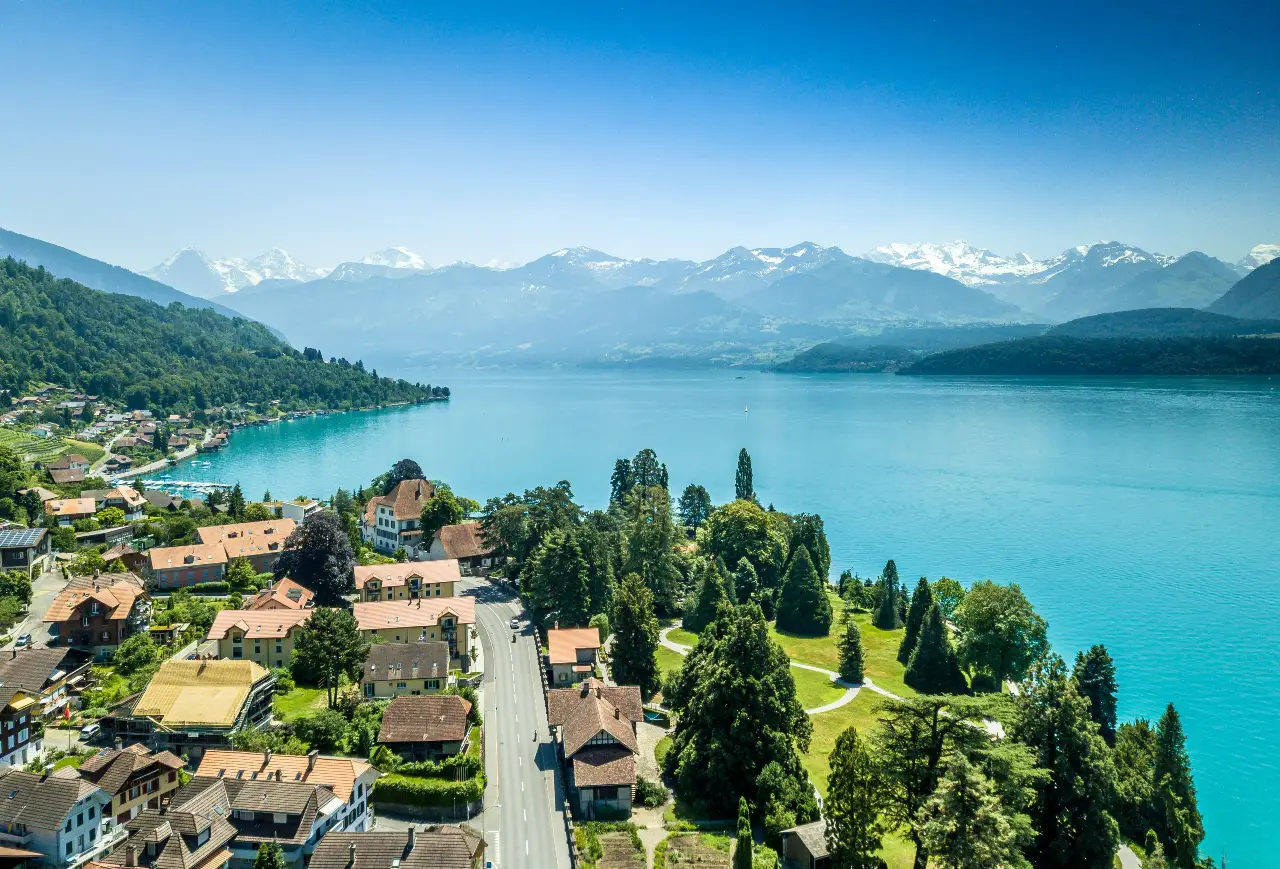
Switzerland deserves its expensive reputation in several areas.
Hotels can hurt. Restaurant meals can hurt. Mountain transport can hurt too.
Yet one of the country’s greatest attractions is free.
The scenery.
Build your days around hiking trails, lakefront walks, old towns, public viewpoints, and mountain villages.
Then be careful with transportation.
The Swiss Travel Pass starts from CHF 254 and covers a large network of trains, buses, and boats. It also includes city transport in many places and admission to hundreds of museums.
That sounds useful, but do the math before buying it.
Compare the Swiss Travel Pass with the Half Fare Card and normal tickets for your exact route.
A pass only saves money when you actually use enough of its benefits.
Food is another easy place to save.
Buy breakfast or lunch from supermarkets and bakeries, then choose one restaurant meal you really want.
Switzerland will never have Southeast Asia prices. It does not need to.
The goal is to see Switzerland without paying the maximum price at every step.
What makes it expensive: Lodging, restaurants, and mountain transport.
Worth paying for: One mountain experience you truly want.
Skip when possible: Expensive rail passes that do not match your route.
4. Iceland: Build Your Trip Around Nature
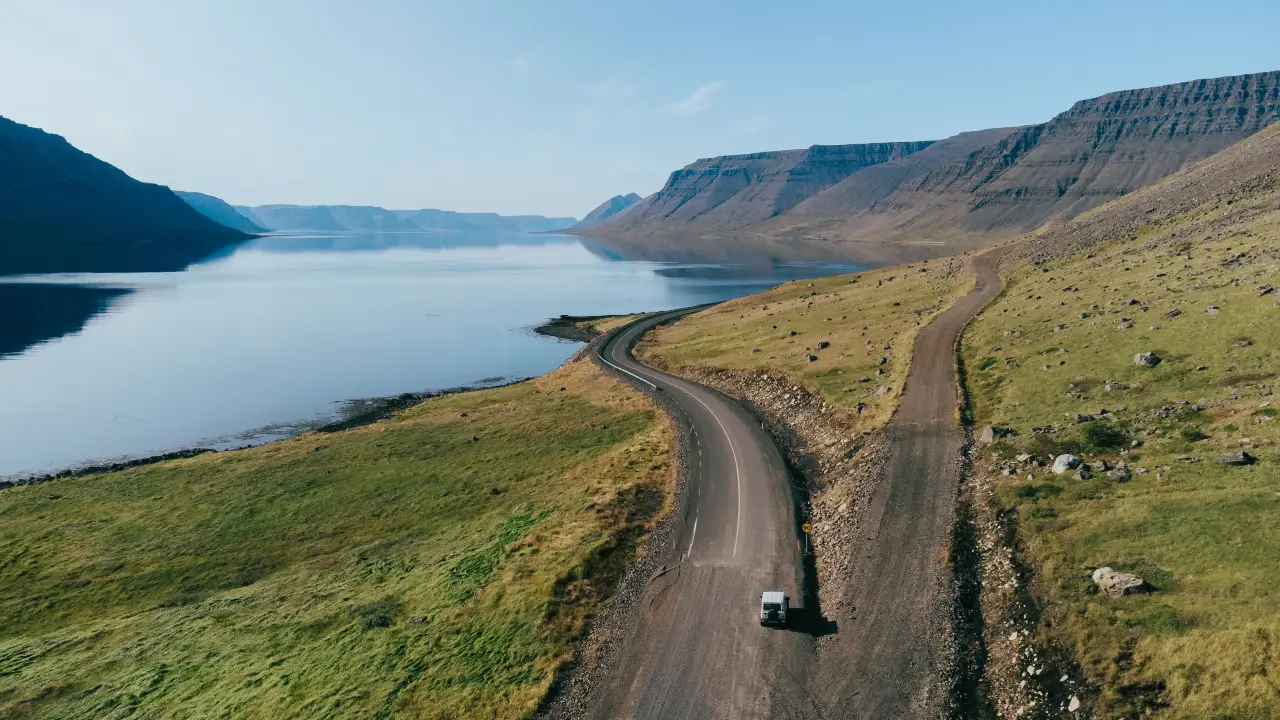
Iceland is famous for expensive hotels, restaurant bills, car rentals, and guided tours.
It was also listed among the world’s most expensive destinations in 2026 travel cost research.
The best response is simple.
Make nature the center of the trip.
Waterfalls, coastlines, volcanic landscapes, walking routes, and scenic viewpoints can fill large parts of your day without another attraction ticket.
In Reykjavík, public swimming pools offer another smart alternative.
You do not have to make the Blue Lagoon the center of your Iceland trip just because it appears in travel ads.
For city sightseeing, the Reykjavík City Card starts at ISK 6,100 for 24 hours. It includes museums, geothermal pools, and unlimited city buses.
Calculate whether you will use enough of those benefits before paying for it.
Also think carefully before booking a guided tour every day.
One special guided experience may be worth the cost. Five expensive tour days can destroy a small budget.
What makes it expensive: Accommodation, restaurant meals, cars, and tours.
Worth paying for: One experience that would be difficult to do safely or easily alone.
Money-saving move: Use public pools and free landscapes for most of the trip.
5. Oslo: Buy Transport, Not Every Attraction
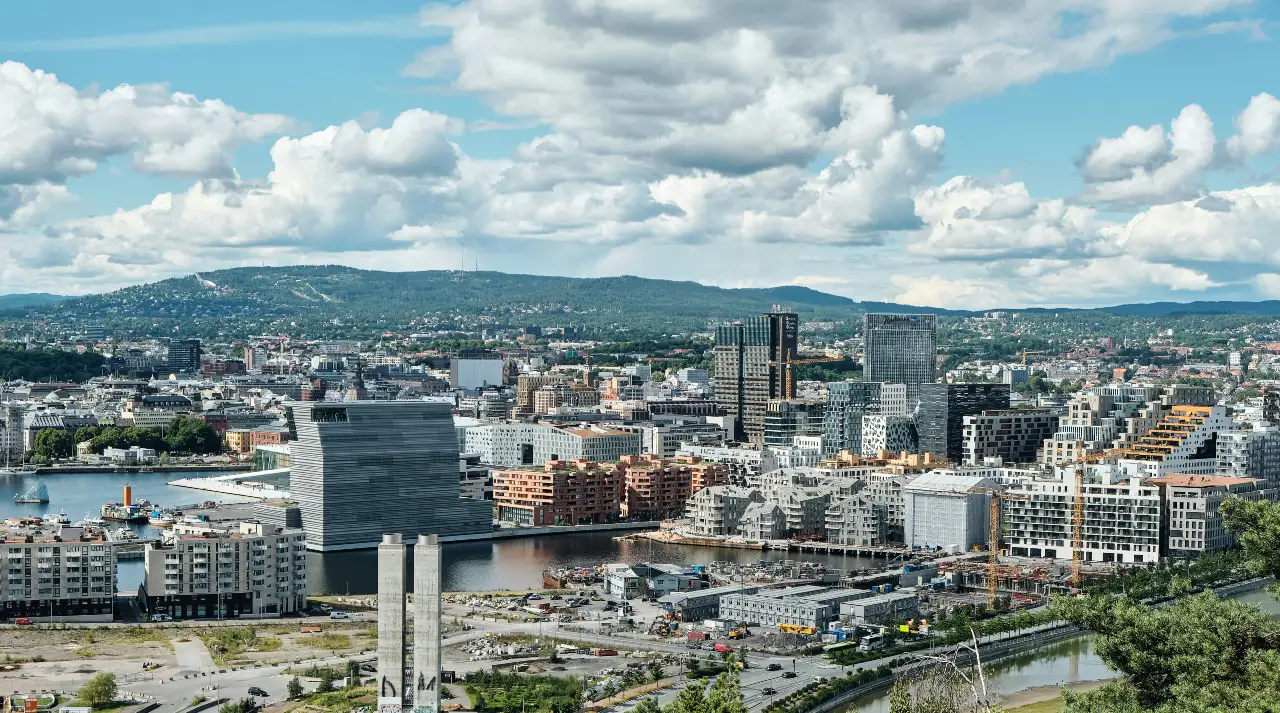
Oslo can feel expensive very quickly when you start buying restaurant meals and museum tickets.
But it has parks, waterfront areas, neighborhoods, and outdoor spaces that do not require a major sightseeing budget.
Public transport also makes it easier to move around without a rental car.
In 2026, a Zone 1 adult ticket is 46 NOK. A 24-hour ticket is 137 NOK, while a seven-day ticket costs 379 NOK. The Oslo Pass costs 580 NOK for 24 hours and combines transport with entry to more than 30 attractions.
Which one should you buy?
That depends on your day.
If you plan to visit several museums, calculate the Oslo Pass.
If your plan is parks, waterfront walks, neighborhoods, and outdoor views, normal transport may make more sense.
This is a good rule for many luxury destinations on a budget.
Do not buy a sightseeing pass because the word “pass” sounds like a bargain. Add up what you will actually use first.
6. Copenhagen: Walk Before You Pay for a Pass
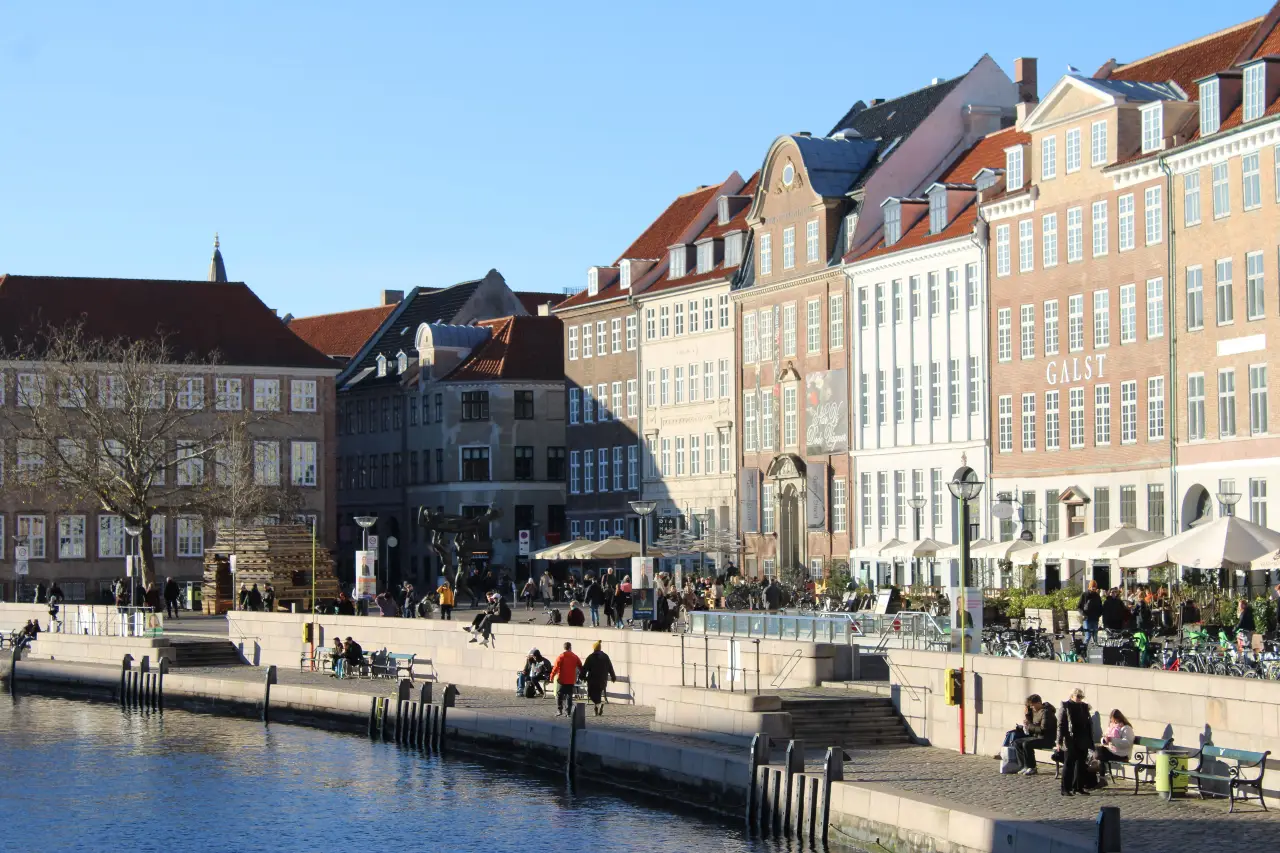
Central Copenhagen is compact enough that walking can become part of the sightseeing.
You can see Nyhavn, Strøget, Christianshavn, harbor areas, and attractive neighborhoods without buying a ticket every hour.
That keeps a city day simple.
The Copenhagen Card Discover costs DKK 859 for 48 hours and DKK 1,039 for 72 hours. It includes access to more than 80 attractions, plus regional public transport.
That can be useful for an attraction-packed trip.
But what if you only plan to enter two paid attractions?
The card may cost more than the things you actually want to see.
Use the official calculator before buying.
Then build the rest of the day around walking, parks, canals, neighborhoods, and public spaces.
The cheapest Copenhagen trip is not the trip where you buy the most discounts.
It is the trip where you pay only for the things you planned to do anyway.
7. London: Let the Free Museums Save Your Budget
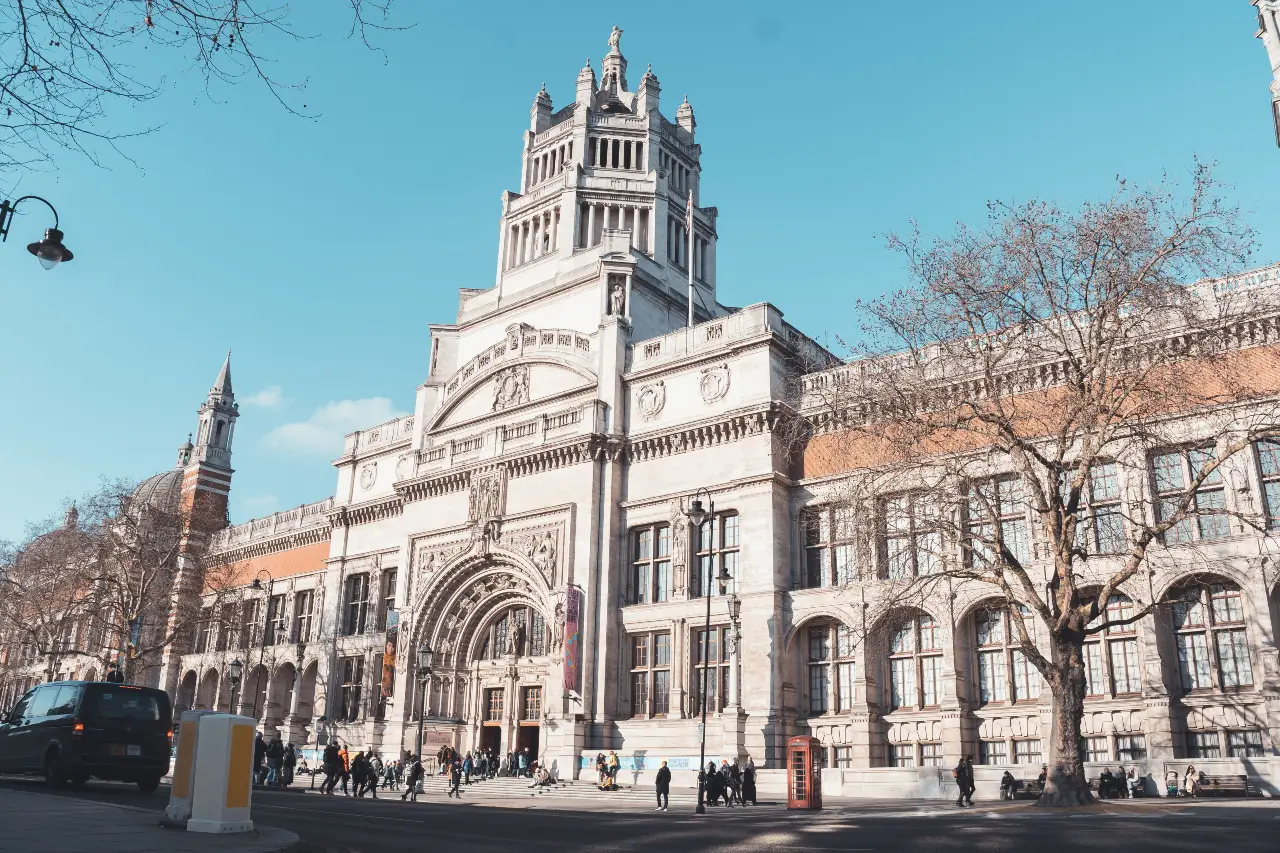
London hotel prices can make your wallet nervous before you even arrive.
Sightseeing is a different story.
Some of the city’s most famous museums are free, including the British Museum, the Victoria and Albert Museum, the Natural History Museum, and the Science Museum.
That can fill several hours without an admission bill.
Transport is also easier to control when you use fare caps.
The Zone 1 and Zone 2 daily cap is £8.90. Bus and tram fares also have their own daily cap.
So stop thinking you need taxis to see London.
A simple budget day could look like this.
Morning: Visit the British Museum.
Lunch: Pick up a supermarket meal deal.
Afternoon: Walk through Covent Garden, Westminster, and the South Bank.
Evening: Find a free river or skyline view.
You could spend most of your sightseeing money on nothing more than transport and food.
London accommodation may still be expensive, so look outside the most famous central areas. Just make sure you stay close to a useful Tube or rail connection.
What makes it expensive: Accommodation.
Worth paying for: One attraction, show, or experience you really care about.
Skip when possible: Taxis for normal sightseeing.
8. Paris: Pay for Paris, Not Every Paris Attraction
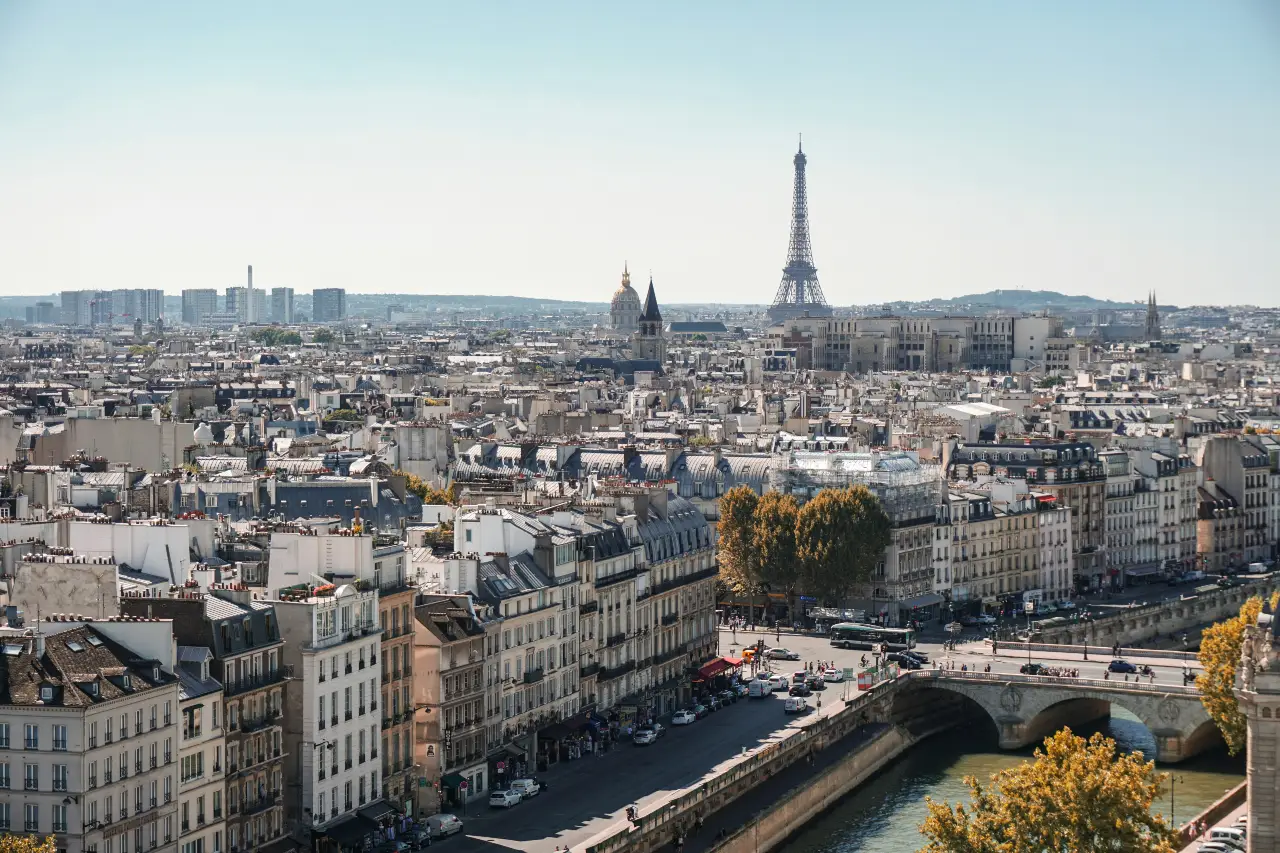
Paris is one of those places where the city itself is the attraction.
You can walk beside the Seine, explore Montmartre, sit in Luxembourg Gardens, cross famous bridges, browse neighborhood markets, and view the Eiffel Tower without paying to enter something every hour.
That is a huge advantage.
Paris visitor transport products start from €13.20 for one day, while the official Paris City Pass starts at €65.
Do not automatically buy the more expensive option.
First write down the attractions you actually want.
Check their individual admission prices.
Then compare the total with the pass.
You may find that one paid museum plus a day of walking gives you a better trip than rushing between five attractions just to “get value” from a pass.
A budget Paris trip should still feel like Paris.
Have a bakery breakfast. Walk the river. Sit in a park. Pick one museum or monument you really care about.
You do not need to buy Paris one ticket at a time.
9. Venice: Sleep Away From the Biggest Tourist Streets
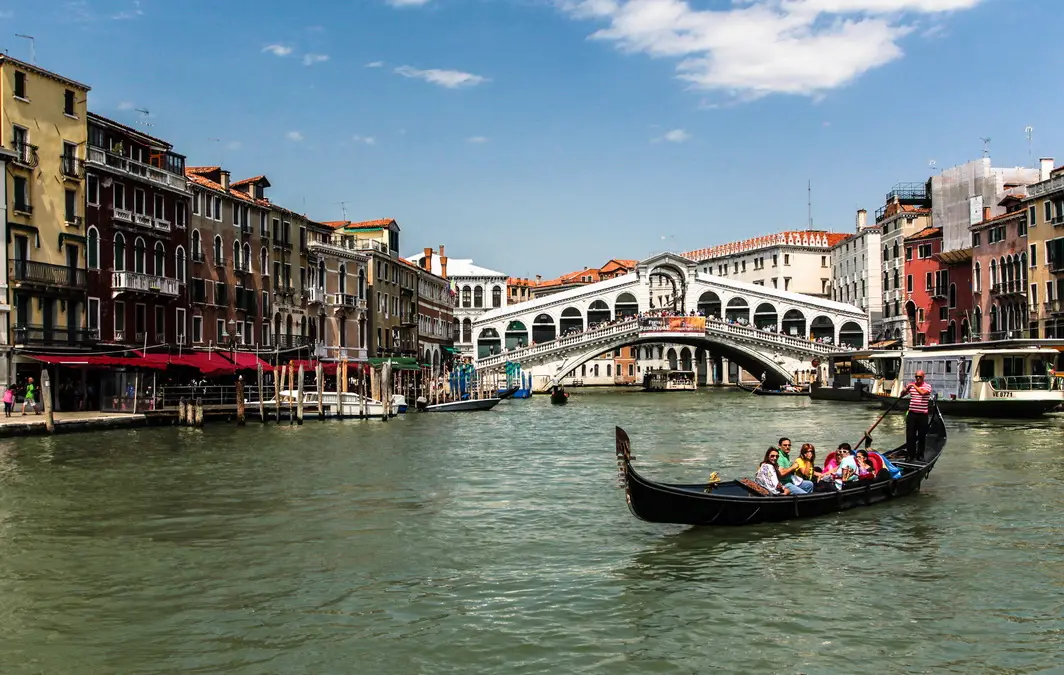
Venice can become expensive when you insist on sleeping beside its most famous sights.journeys6senses
Rooms near Piazza San Marco often carry a premium.
Look at Mestre, Cannaregio, and other areas away from the busiest tourist streets.
The key is simple.
Check how easy it is to reach the places you want before booking.
For visits after July 27, Venice’s 2026 Access Fee trial had ended. Future rules may change, so anyone planning later travel should check the official Venice site again before arrival.
Once you are there, make walking the main event.
Cross bridges. Find small squares. Wander through Cannaregio. Walk quieter canals.
Use a vaporetto when it saves time or gives you a useful route.
You probably do not need a private water taxi just because Venice has water.
That is one of the easiest costs to avoid.
What makes it expensive: Central accommodation and private transport.
Worth paying for: One museum, church, or special experience you truly want.
Skip when possible: Private water taxis.
10. Santorini: Sleep Away From the Caldera
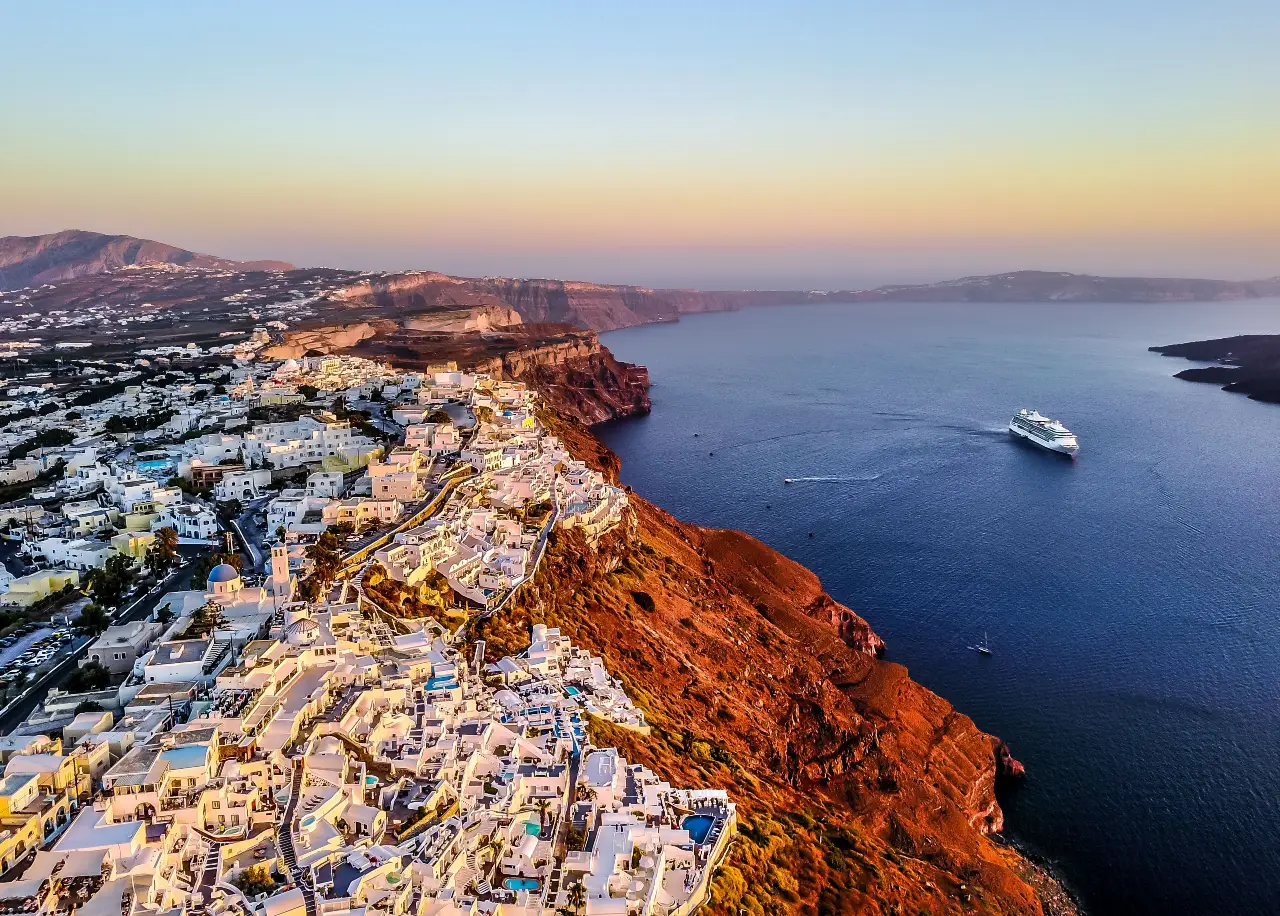
The classic Santorini photo shows a white hotel hanging over the caldera.
That view can come with a serious room rate.
You do not have to sleep there to enjoy the island.
Look at Fira, Karterados, Perissa, or Kamari before paying for Oia.
Public buses also make some common sightseeing trips surprisingly affordable.
The March 2026 KTEL fare table lists Fira to Oia at €2.20, Fira to Kamari at €2.20, Fira to Perissa at €2.70, and Fira to Akrotiri at €2.20.
That is why one of the cheapest ways to visit expensive destinations is to study local transport before renting anything.
You can still see Oia.
You can still watch the sunset.
You can still walk between Fira and Oia or spend the day on the beach.
You simply do not need to pay Oia hotel prices every night.
What makes it expensive: Caldera accommodation.
Worth paying for: A boat trip or archaeological site if it matters to you.
Skip when possible: A rental car for every day when buses serve your plans.
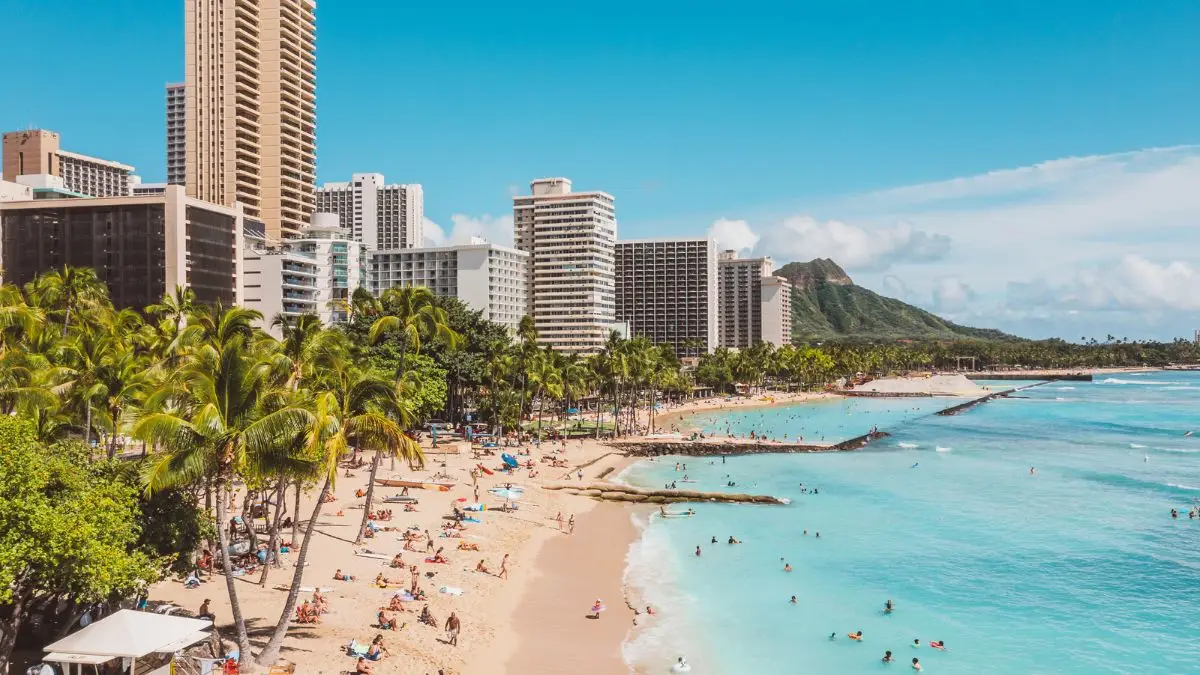
11. Hawaii: Let the Beach Be the Main Attraction
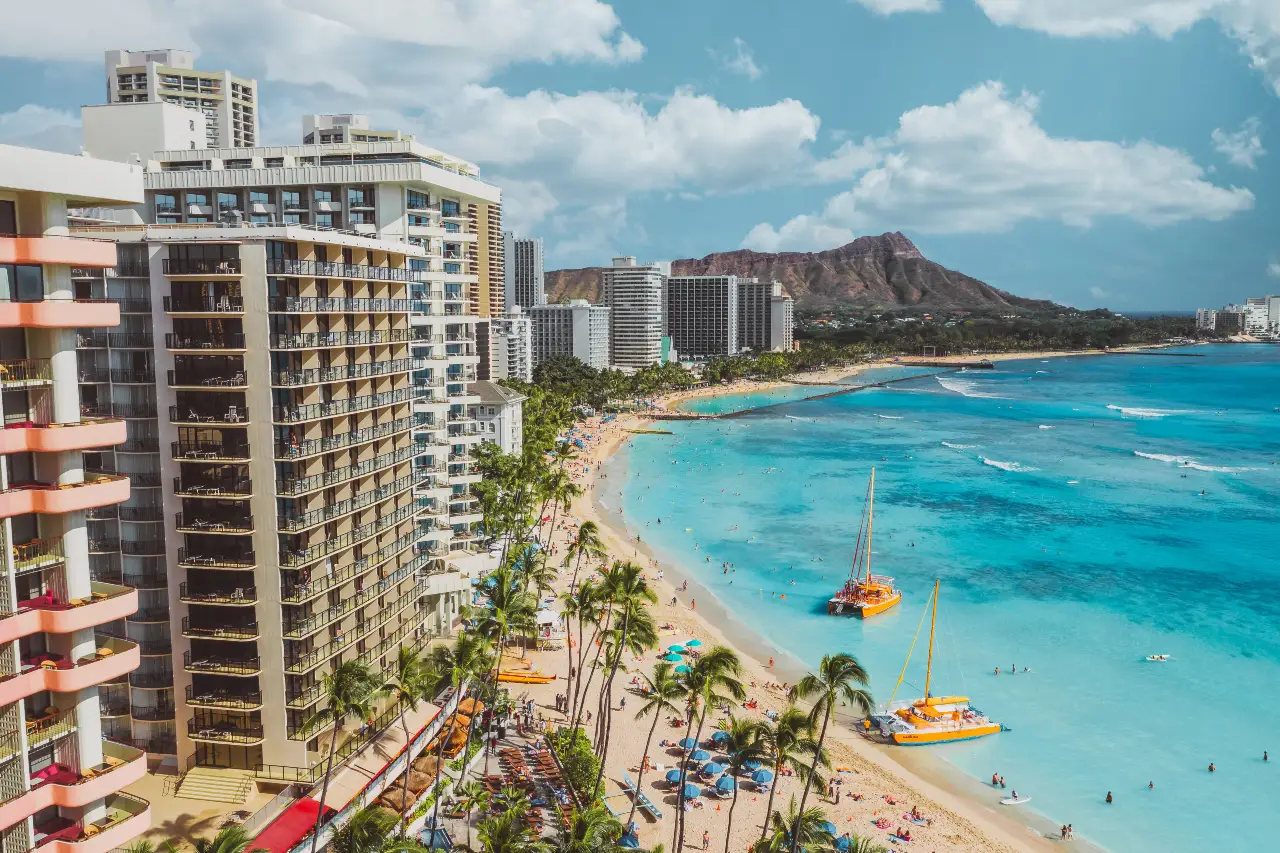
Hawaii becomes expensive when the whole trip is built around resort prices.
Oahu is a useful example of how to do things differently.
Public beaches, hiking trails, viewpoints, cultural sites, farmers’ markets, and some local events can give you full vacation days without constant admission fees.
Start by looking beyond beachfront resort rows.
Then ask if you really need a rental car for the whole trip.
Maybe you need it for two days rather than seven.
Buy some breakfasts and lunches from grocery stores. Save restaurant spending for meals you actually care about.
The biggest caution is planning.
Popular sites such as Diamond Head and Hanauma Bay can have reservation rules. Other islands also have protected parks with booking systems.
Do not arrive assuming every free or low-cost natural attraction allows walk-in access.
Check before your trip.
What makes it expensive: Resort rooms, cars, and restaurant meals.
Worth paying for: One experience that is truly special to the island.
Money-saving move: Build most days around beaches and outdoor sights.
12. New York City: Stop Paying for the Same Skyline

New York can charge you a lot for looking at New York.
Observation decks are a good example.
Visit several of them, and you are basically paying again and again for different versions of the same skyline.
Choose one.
Then build the rest of the trip around the city itself.
Walk Central Park. Cross the Brooklyn Bridge. Explore the High Line. Ride the Staten Island Ferry. Walk through Times Square and different neighborhoods.
In 2026, the subway and local bus base fare is $3. The rolling seven-day OMNY fare cap is $35.
That makes public transport one of your best tools.
It also gives you freedom to stay outside the most expensive blocks of Manhattan if the subway connection is good.
New York does not become cheap.
But it becomes much easier to manage when you stop treating every famous building as a ticketed attraction.
13. Dubai: The Luxury Version Is Optional
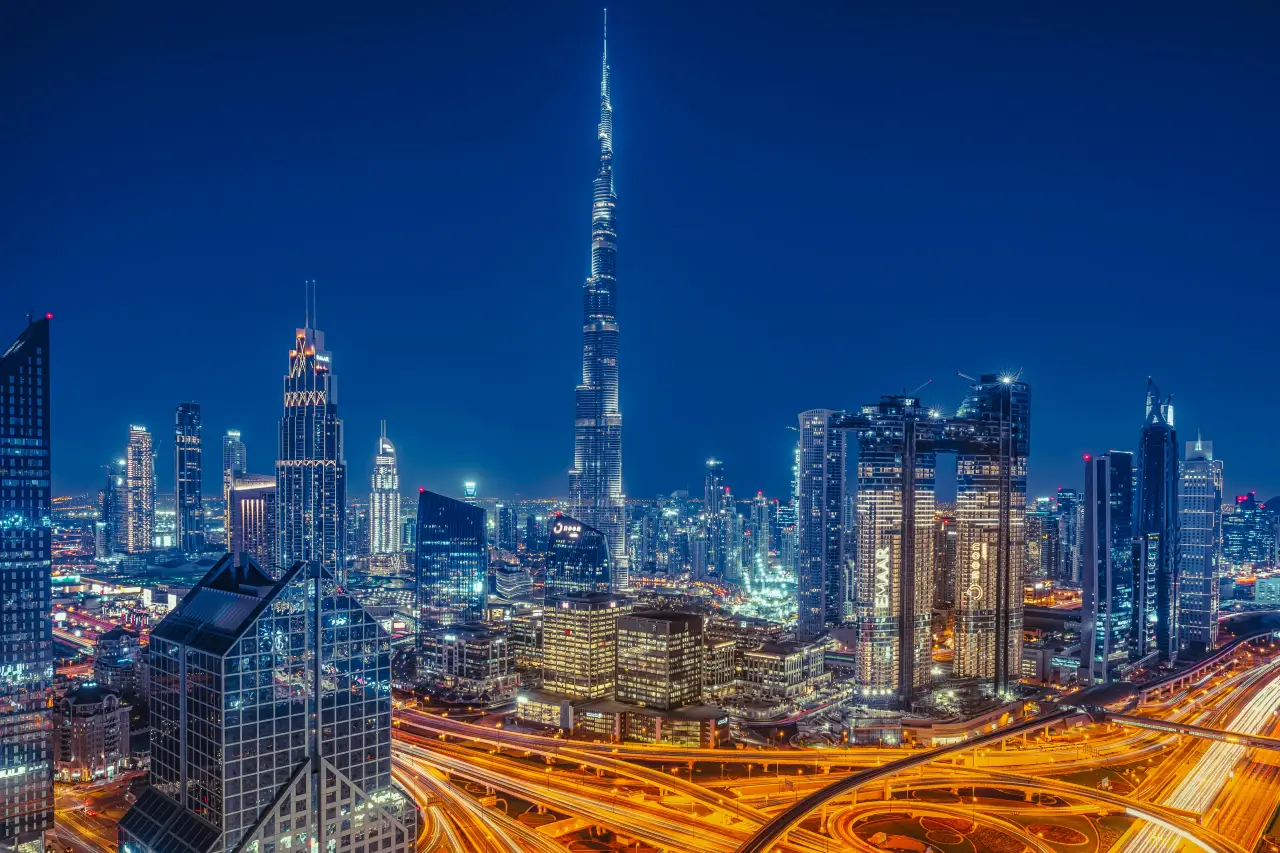
Dubai has built a global image around luxury.
Supercars. Giant hotels. Private beach clubs. Fine dining. Designer shopping.
Those things exist.
They are not required.
Dubai’s standard public bus and Metro fares start at AED 3 within one zone. Fares rise to AED 5 across two zones and AED 7.50 across three or more zones.
That is far cheaper than using taxis for every trip.
There is also plenty to see without luxury admission prices.
Visit Al Fahidi. Explore traditional souks. Walk the Dubai Water Canal. See public beaches. Visit Alserkal Avenue or the Ras Al Khor area.
Even a traditional abra crossing on Dubai Creek has been listed at AED 1.
That is the Dubai budget travelers should study.
Old neighborhoods, public transport, beaches, waterfronts, and cheap casual food can sit right beside some of the most expensive experiences in the region.
You choose which version you buy.
What makes it expensive: Luxury hotels and premium activities.
Worth paying for: One activity you cannot easily do elsewhere.
Skip when possible: Taxis when the Metro serves the route.
14. Singapore: Save on Food and Transport
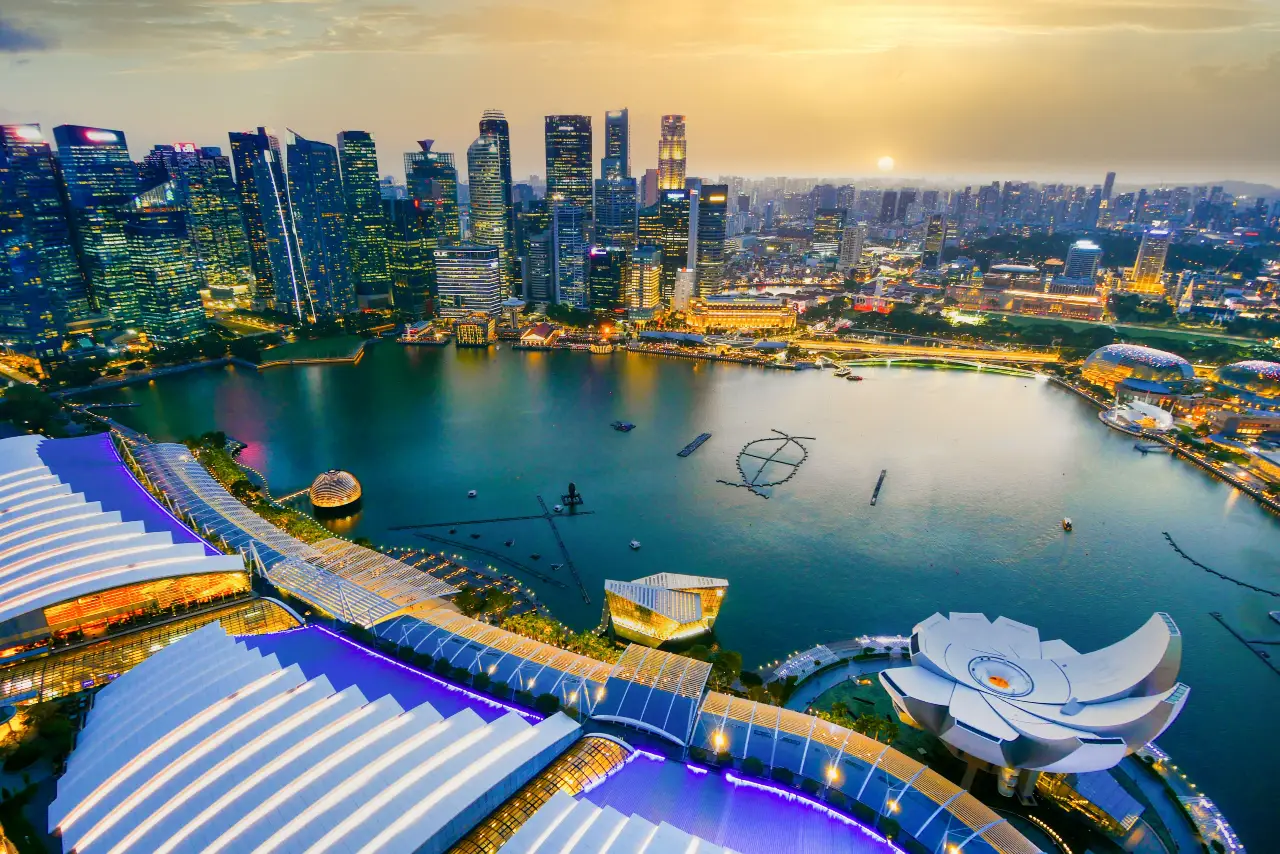
Singapore hotels can be expensive.
That does not mean every part of your day needs to be.
Start with food.
Hawker centers give you access to local dishes without hotel restaurant prices.
Then use the excellent public transport system.
The Singapore Tourist Pass offers unlimited basic bus and train travel from S$17 per day.
Now build your sightseeing around places that do not require large tickets.
Walk Marina Bay. Explore Chinatown. Visit Little India. Walk through Kampong Glam. Spend time around outdoor areas of Gardens by the Bay and the waterfront.
Accommodation may remain your hardest problem.
Be honest about that.
You are probably not turning Singapore into a $ 30-a-day destination.
But a simple hotel combined with public transport, hawker food, and free sightseeing can look very different from a hotel, taxi, cocktail, and attraction-heavy trip.
15. Tokyo: Do Not Assume Expensive Means Unaffordable
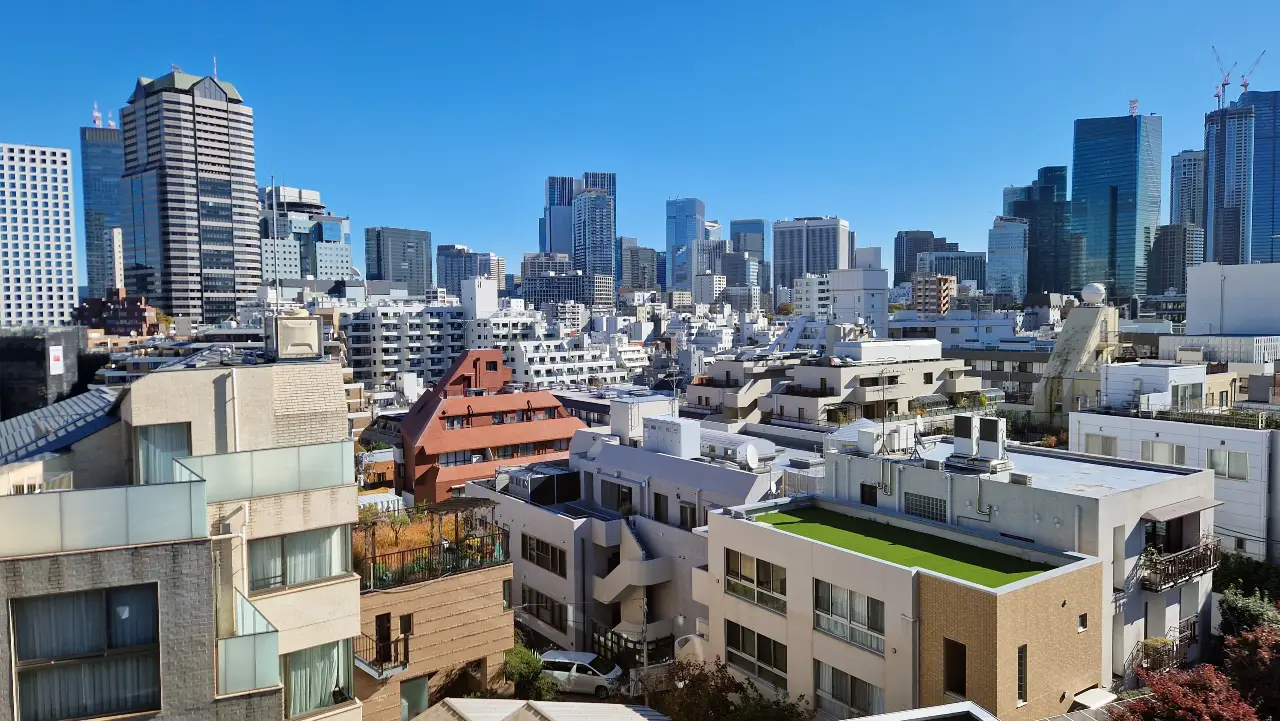
Tokyo has an expensive reputation that does not tell the whole story.
Tokyo’s own tourism authority publishes advice for affordable lodging, food, transportation, and free cultural experiences.
That should tell you something.
You can spend days visiting shrines, parks, markets, neighborhoods, and waterfront areas without building a huge attraction bill.
One of the best examples is the Tokyo Metropolitan Government observatory.
It is free and sits about 202 meters above the city.
That gives you a skyline view without paying for another tower.
Another common mistake is buying a national rail pass when your trip does not need one.
The ordinary seven-day Japan Rail Pass costs ¥50,000 when bought online.
If most of your trip is inside Tokyo, buying a national pass may make little sense.
Check your actual train routes first.
Tokyo rewards travelers who plan by neighborhood.
Pick one area, walk more, eat local casual food, and stop treating the city like a checklist of paid sights.
16. Monaco: Visit the Millionaires Without Spending Like One
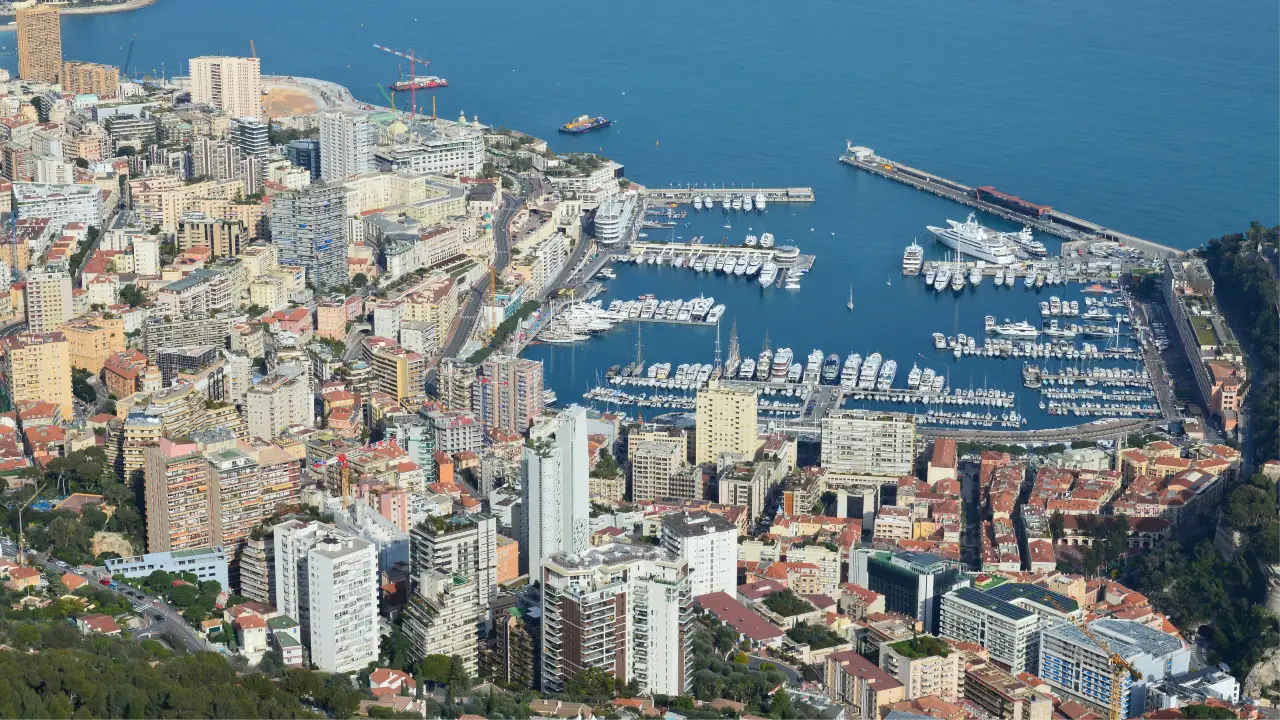
Monaco may be one of the funniest places to visit on a small budget because so much of its appeal is simply looking at expensive things.
Yachts.
Supercars.
Casino Square.
Huge buildings.
None of those require you to own them.
You also do not need to sleep in Monte Carlo.
Look at nearby towns on the French Riviera and compare transport costs with Monaco hotel prices.
Inside Monaco, local buses cost €1.50 when paid by bank card or Monapass. A day pass costs €5.50. Routes serve areas around the Casino, Larvotto beach, the Prince’s Palace, and Port Hercule.
Spend your day walking the harbor, visiting the old town, relaxing at Larvotto, exploring gardens, and seeing parts of the famous Formula One route.
Monaco displays wealth everywhere.
Looking at it costs much less than joining in.
The Budget Switch That Works in Expensive Places
Most of these destinations have the same problem.
Travelers choose the most expensive version without realizing there are other versions available.
| Destination | Expensive Choice | Smarter Budget Choice |
|---|---|---|
| Maldives | Private resort | Local island guesthouse |
| French Polynesia | Overwater bungalow | Moorea pension |
| Switzerland | Resort hotel | Smaller town or hostel |
| Iceland | Guided tours every day | Free nature plus one priority tour |
| London | Taxis and paid sights | Public transport plus free museums |
| Santorini | Oia cliff hotel | Perissa or Karterados |
| Hawaii | Beach resort | Simple lodging plus public beaches |
| Dubai | Luxury attractions | Metro plus free sights |
The important part is deciding what you refuse to cut.
Maybe you really want one overwater bungalow night.
Fine.
Save money before and after it.
Maybe you want a Broadway show in New York.
Great.
Do not spend another $150 visiting several observation decks if you care more about the show.
Budget travel works better when you protect the experiences that matter most.
6 Rules That Make Expensive Places Easier to Afford
1. Sleep One Neighborhood Away
The famous address often costs more than the room itself is worth.
Check public transport.
A 15-minute ride can sometimes save far more than paying to sleep beside the main attraction.
2. Travel Outside the Busiest Weeks
Santorini can make more sense in spring or autumn.
Paris can become easier outside the busiest travel periods.
Switzerland also changes depending on whether you arrive during major ski or summer demand.
Do not chase the lowest price without checking the weather.
A cheap trip that gives you conditions you hate is not a bargain.
3. Check Public Transport Before Renting a Car
Transport is one area where current numbers can quickly change your decision.
Santorini buses can cost little more than €2 on major routes.
Dubai Metro fares start at AED 3.
Monaco has a €5.50 day bus pass.
New York caps seven days of eligible OMNY subway and local bus rides at $35.
A few minutes of research before your trip can save days of unnecessary car costs.
4. Let Free Activities Fill Most of the Day
Do not start each morning by asking, “Which attraction should I buy?”
Ask, “What can I explore today?”
Walk a waterfront. Visit a public beach. Explore a neighborhood. Hike. Visit a free museum.
Then add one paid experience when it truly improves the day.
5. Shop Like Someone Who Lives There
You do not need a restaurant breakfast, lunch, and dinner every day.
Try a bakery breakfast.
Buy fruit, drinks, snacks, or lunch from a supermarket.
Visit markets and simple local food spots.
Then spend more on the restaurant meal that actually feels worth it.
6. Calculate Tourist Passes Before Buying Them
A city pass is not automatically a money saver.
Write down the attractions you plan to visit.
Add their normal prices.
Add the transport you expect to use.
Then compare that number with the pass.
If the pass wins, buy it.
If it does not, walk away.
Expensive Does Not Mean Impossible
The biggest mistake is deciding a destination is unaffordable before pricing the cheaper version of the same trip.
Start with airfare and simple lodging. Then add public transport, food, and one experience you really want.
Look at that total before giving up.
Expensive trips often become painful when you combine peak season, luxury hotels, taxis, tourist restaurants, and paid activities every day. Change two or three of those choices and the numbers can look very different.
That is the real secret to visiting expensive vacation spots on a budget.
You do not have to make the destination cheap.
You just have to stop buying its most expensive version.