

Solo van life looks like the ultimate freedom. You wake up beside a quiet lake, make coffee with the doors open, and decide where to go next without asking anyone. There are no arguments about travel plans, no fixed schedule, and nobody telling you how to spend your day. But living alone on the road feels very different from watching someone else do it online.
Some evenings are peaceful, while others feel painfully quiet. A beautiful sunset can lose a little of its magic when there is nobody beside you to enjoy it. Then there are the practical challenges, like finding safe parking, handling breakdowns, and making every important decision yourself.
In a September 2025 ABC News report, women traveling alone described how van life helped them find independence, new friendships, and a different sense of purpose. Yet their experiences also showed how personal this lifestyle can be.
Here are 19 lonely and liberating parts of solo van life that deserve more attention before you make the road your home.
1. Complete Freedom Feels Amazing Until Every Decision Is Yours
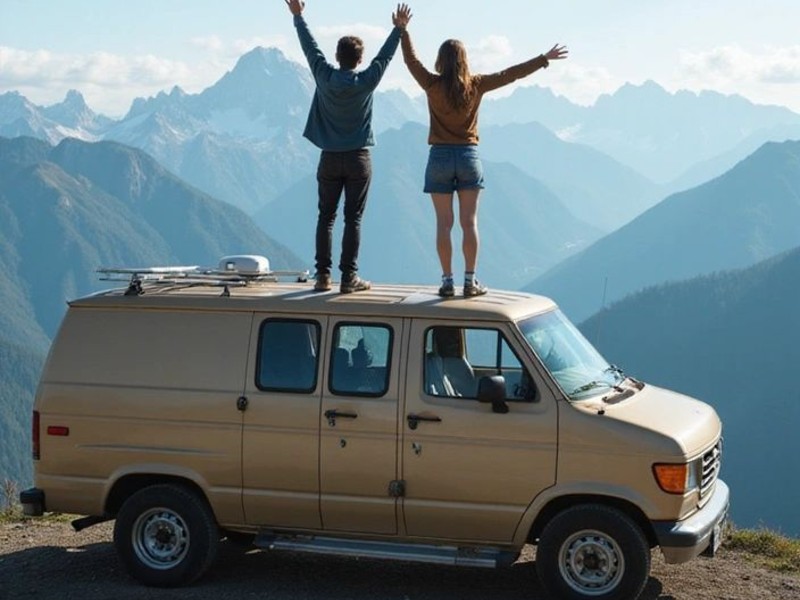
One of the best things about traveling alone is making your own decisions. You can change destinations, stay an extra night, or spend an entire afternoon doing nothing. Nobody expects an explanation, and you don’t need to compromise over every little choice.
But that freedom also comes with responsibility. You must decide where to sleep, which roads are suitable, when to refuel, and whether a location feels safe. Even simple decisions can become tiring when you’re making them every single day.
A good way to manage this is to create a loose weekly plan instead of deciding everything at the last minute. Leave room for unexpected adventures, but choose your next overnight stop before you’re exhausted.
Freedom feels better when you aren’t constantly worried about what comes next.
2. Beautiful Places Can Feel Lonely When Nobody Shares Them

Watching the sun rise over the mountains can be one of the most rewarding parts of van life. You might spend the morning beside a quiet lake or discover a beautiful hiking trail that few people seem to know about.
But sometimes you want someone beside you to appreciate the moment. Taking photographs or sending videos to friends can help, yet it isn’t always the same as sharing an experience with someone in person.
An August 2026 discussion in Reddit’s VanLife community included solo travelers talking about the loneliness of visiting incredible places without a companion. Some said regular conversations with close friends helped them feel connected.
Planning occasional trips with other travelers can also bring more balance to life on the road.
3. Eating Dinner Alone Becomes a Different Experience

Cooking a simple meal inside your van can feel wonderfully peaceful. You can make whatever you want, eat whenever you’re hungry, and leave the dishes until you’re ready to clean them. There is something comforting about having complete control over your evening.
But eating alone night after night can feel different from choosing a quiet dinner occasionally. You might miss talking about your day, laughing over a meal, or having someone else decide what to cook.
Try making dinner an enjoyable routine rather than something you rush through. Sit outside when conditions are safe, call a friend afterward, or occasionally visit a local café. Sharing a meal with other travelers can make an ordinary evening feel special again.
4. You Become More Capable Because Nobody Is There to Fix Everything
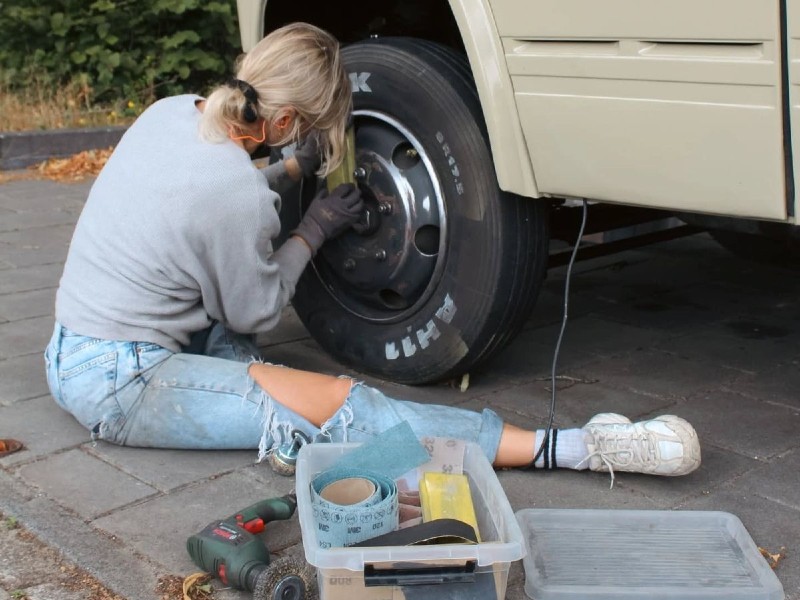
When something breaks inside your van, there may be nobody nearby to solve the problem for you. A loose cabinet door, a dead battery, or a leaking water connection can suddenly become your responsibility.
At first, these situations may feel intimidating. But handling small repairs can build confidence, especially when you discover that many basic problems are manageable with the right tools and information.
Learn simple maintenance skills before leaving home. Know how to check fluids, monitor tire pressure, and recognize warning signs. Keep roadside assistance information handy, and use qualified professionals for dangerous repairs.
Being independent doesn’t mean you must fix everything yourself.
5. Finding Somewhere Safe to Sleep Can Become Mentally Exhausting

A beautiful campsite may look peaceful during the day, but arriving alone after dark can feel uncomfortable. You may start paying closer attention to unfamiliar noises, nearby vehicles, and whether the location allows overnight stays.
Finding legal parking requires planning, especially in cities where sleeping inside vehicles may be restricted. Remote camping brings different concerns, including limited phone coverage, changing weather, and longer distances from emergency services.
The National Park Service recommends researching camping locations, preparing for emergencies, and sharing travel plans with trusted contacts.
Choose your overnight location early, verify that camping is permitted, and keep a backup option available. Never feel obligated to remain somewhere that seems unsafe.
6. You Discover How Much You Enjoy Your Own Company

Before living alone in a van, many people rarely spend an entire day without conversations, television, or other distractions. Solo travel can create long periods when there is nobody around except you.
At first, the silence may feel uncomfortable. But over time, some travelers begin to enjoy having space to read, think, explore, and follow their own interests without needing to entertain anyone else.
In a 2025 interview published by Drifter Vans, solo traveler Susan Lebold described how life changes led her to discover more about herself through van travel. Her experience is personal, but it shows why solitude can become something meaningful rather than something to avoid.
7. Making Friends Takes More Effort Than You Expect

Traveling alone doesn’t mean you won’t meet people. Campgrounds, hiking trails, community events, and van gatherings can introduce you to interesting travelers with similar interests.
The harder part is maintaining those friendships. You might have a wonderful conversation with someone at a campsite, only to discover that you’re both heading in opposite directions the next morning.
Make an effort to exchange contact information with people you genuinely connect with. Consider returning to favorite towns or attending organized gatherings.
Staying longer in one area can also give friendships more time to develop beyond a single pleasant conversation.
8. Bad Weather Makes a Small Van Feel Even Smaller
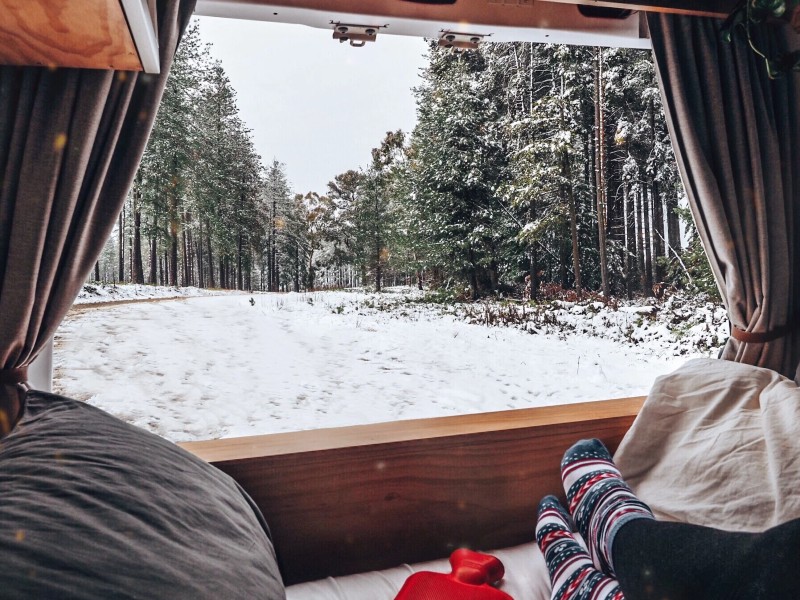
Living in a van can feel spacious when you’re spending most of the day outdoors. But several days of heavy rain, extreme heat, or freezing temperatures can change that feeling quickly.
You may have nowhere comfortable to stretch out, exercise, or escape the noise of rain hitting the roof. Wet clothing takes longer to dry, and condensation can make the living space uncomfortable if ventilation is poor.
Check the weather before choosing your next destination and keep indoor activities ready for difficult days. Libraries, community centers, and other public spaces can provide a useful change of scenery during opening hours. Sometimes moving to a milder climate is the smartest option.
9. You Stop Caring So Much About Owning Things
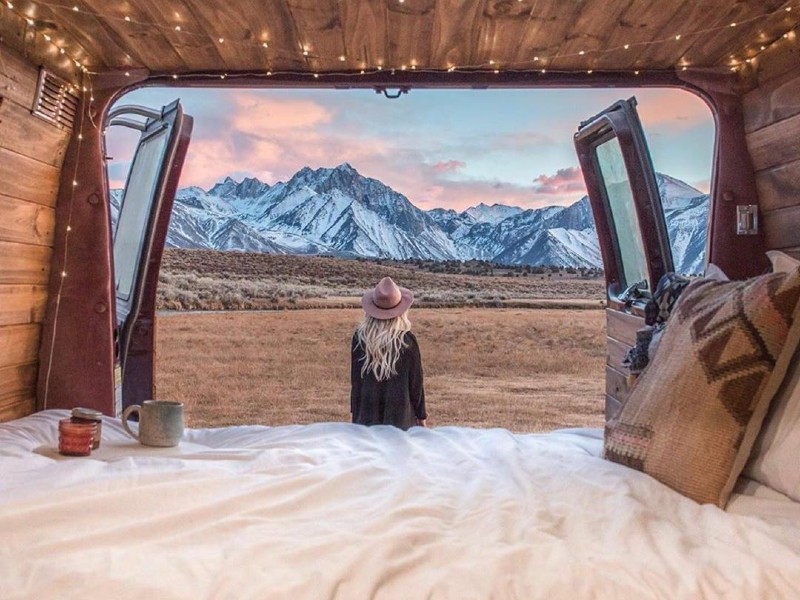
Living in a van forces you to think carefully about what deserves a place inside your home. There isn’t enough room for furniture, extra clothing, decorations, and every item you might use someday.
At first, giving up belongings may feel difficult. But having fewer possessions can also make daily life easier. You spend less time organizing, cleaning, and searching through things you rarely need.
Keep items that serve a clear purpose or have real personal meaning. Before buying something new, ask where it will go and how often you will use it. A smaller home can feel surprisingly comfortable when it contains only what you need.
10. Getting Sick Alone Can Be One of the Hardest Moments
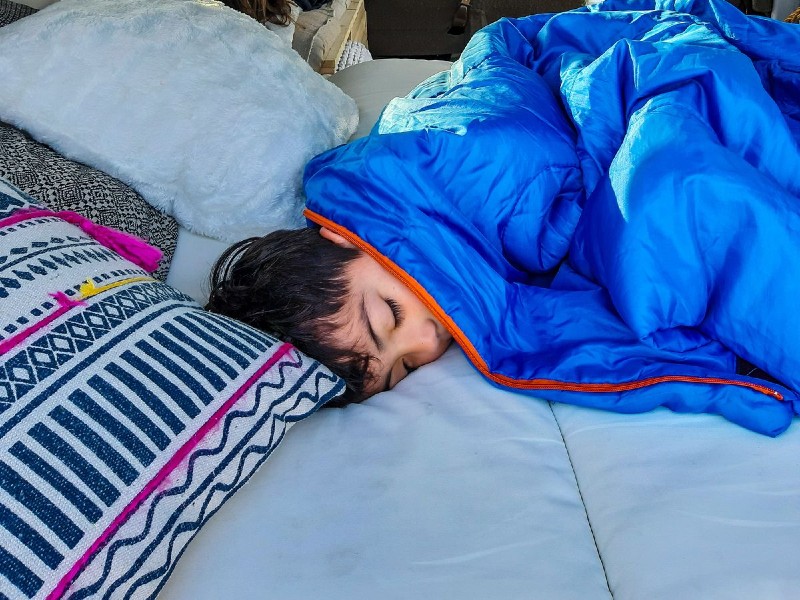
A headache or mild cold can be unpleasant anywhere, but being sick while living alone in a van creates additional challenges. You may still need to arrange parking, prepare meals, and manage basic supplies when you don’t feel well.
More serious symptoms can be especially concerning when you’re far from familiar doctors or medical facilities. Limited phone coverage and remote locations may make getting help more difficult.
Keep basic medical supplies, emergency contacts, and important health information easy to access. Know where nearby medical services are located and maintain an appropriate communication plan. If you become seriously ill, seek medical help rather than trying to manage everything alone.
11. You Can Change Your Plans Without Explaining Yourself

One of the most enjoyable parts of solo van life is being able to follow your own interests. If you love a particular town, you can stay longer. If the weather looks better somewhere else, you can change direction.
You don’t have to argue over restaurants, attractions, or how early to wake up. Your days can follow your own energy and preferences, which may feel especially refreshing after years of strict work schedules.
Still, complete flexibility works best when paired with a few practical habits. Keep enough fuel, check road conditions, and confirm legal overnight options. Spontaneous travel is more enjoyable when you have the essentials covered.
12. Ordinary Chores Take Longer When You Do Everything Yourself

A small van might seem easier to manage than a house, but daily tasks can require more planning. You still need to prepare meals, wash dishes, clean the living space, refill water, and find somewhere to do laundry.
When you’re traveling alone, there is nobody to divide those responsibilities with. Even a simple grocery trip can take longer when you’re unfamiliar with the town or need to find somewhere suitable to park.
Create a basic weekly routine for laundry, shopping, cleaning, and vehicle checks. Try completing several errands during one town visit. Small habits can prevent everyday responsibilities from taking over the time you wanted to spend exploring.
13. Staying Connected With Family Requires Real Effort
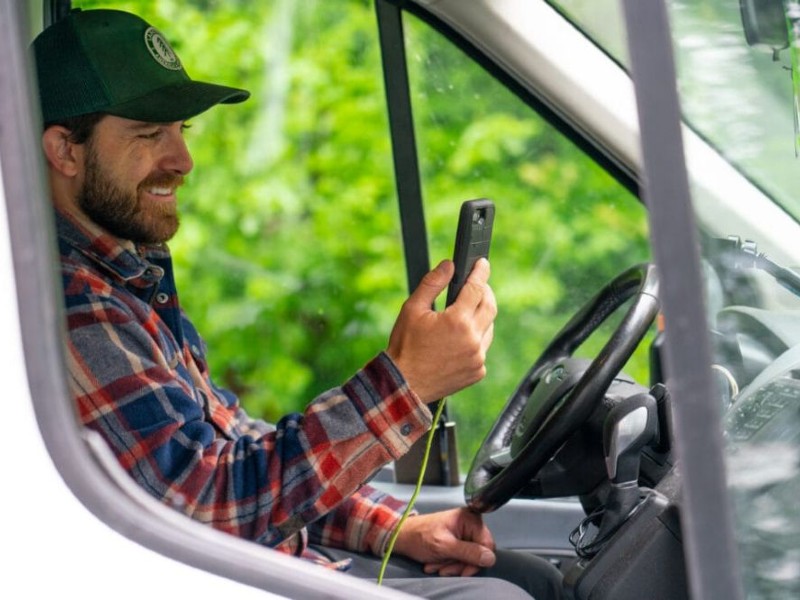
Traveling alone can bring independence, but it may also create distance from the people you care about. Birthdays, family dinners, and ordinary weekends together can become harder to attend when you’re several states away.
Phone calls and video chats help, but relationships still need attention. Without regular contact, it can become easy to feel disconnected from everyday family life.
Choose a few regular times each week to speak with important people in your life. Share updates without feeling pressured to turn every conversation into a travel report.
Planning visits around family events can also help you enjoy the road without losing those connections.
14. Your Confidence Grows Through Small Everyday Wins

The first time you park your van in a difficult space or solve a minor mechanical problem, it may not feel like a major achievement. But small successes can change how you see yourself.
Over time, tasks that once seemed intimidating may become part of your normal routine. You learn to plan routes, manage money, solve problems, and make decisions without waiting for someone else’s approval.
Confidence doesn’t mean taking unnecessary risks. It means learning your limits and knowing when to ask for help. Start with manageable trips, practice important skills, and give yourself time to become comfortable with the responsibilities of traveling alone.
15. Working Remotely Can Make Freedom Feel Like Another Job
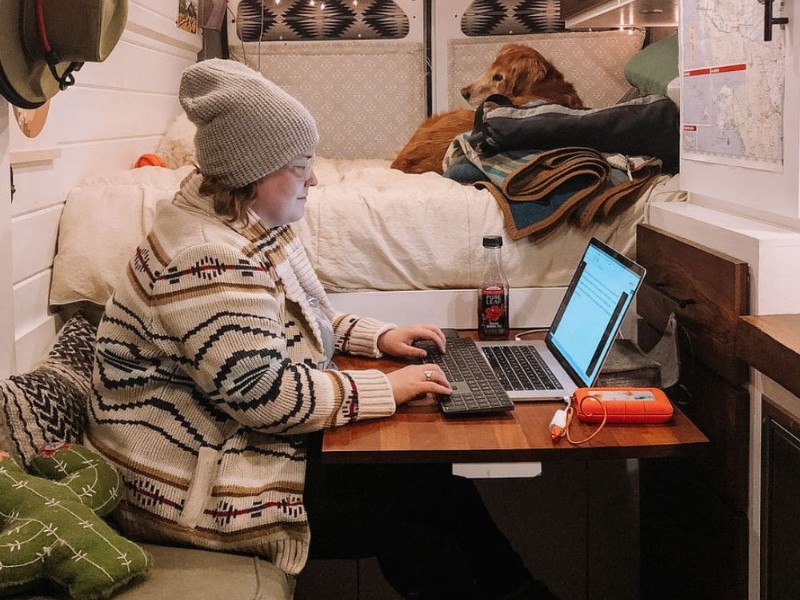
Online photographs often show someone working on a laptop beside a stunning mountain view. But earning money while living in a van still requires deadlines, reliable internet, and enough electricity to keep equipment running.
Some travelers discover that they spend more time working inside their vans than enjoying the places outside. Finding strong cellular coverage and quiet spaces for meetings can also influence where they stay.
A June 2026 solo van life video from Greenoid Adventure discussed the ordinary work involved in building income while planning for more travel freedom
If you work remotely, set clear work hours and plan enjoyable activities around them. Otherwise, changing your home may do little to change your daily routine.
16. Other People May Not Understand Why You Choose This Life

Telling friends or relatives that you want to live alone in a van can lead to uncomfortable questions. Some people may worry about your safety, while others struggle to see why you would give up a traditional home.
Their concerns may come from genuine care, but constantly explaining your decisions can become tiring. You might feel pressured to prove that you’re happy or that every part of van life is going perfectly.
Be open about practical concerns without treating every conversation like a debate. Explain your plans, emergency arrangements, and financial responsibilities when appropriate. You don’t need everyone to choose the same lifestyle to make your own decision worthwhile.
18. You Learn That Freedom Still Needs Money and Planning

Living in a van can reduce certain expenses, especially when you avoid high housing payments. But fuel, maintenance, insurance, groceries, internet, and camping costs don’t disappear.
Traveling alone means you are responsible for the entire budget. There may be nobody to share repair bills, campground fees, or unexpected expenses when something goes wrong.
Track your spending for several months and keep a separate emergency fund. Plan for vehicle repairs and temporary accommodation if your van becomes unusable. Freedom is easier to enjoy when one unexpected bill doesn’t threaten your ability to continue traveling.
17. The Quiet Can Feel Peaceful One Day and Heavy the Next

Some mornings, silence is exactly what you want. You can drink coffee, listen to birds, and enjoy having nowhere urgent to be. Those peaceful moments are part of what attracts many people to solo travel.
But quiet evenings can feel different when you’re tired, worried, or missing someone. A lack of regular conversation may become difficult during long stretches away from friends and familiar places.
In a 2026 academic study of people who travel and live in vans, one participant described using online van communities to arrange meetups and build friendships. Staying socially connected doesn’t take away from your independence. It can make periods of solitude more enjoyable.
19. You Realize That Being Alone and Being Lonely Are Different Things
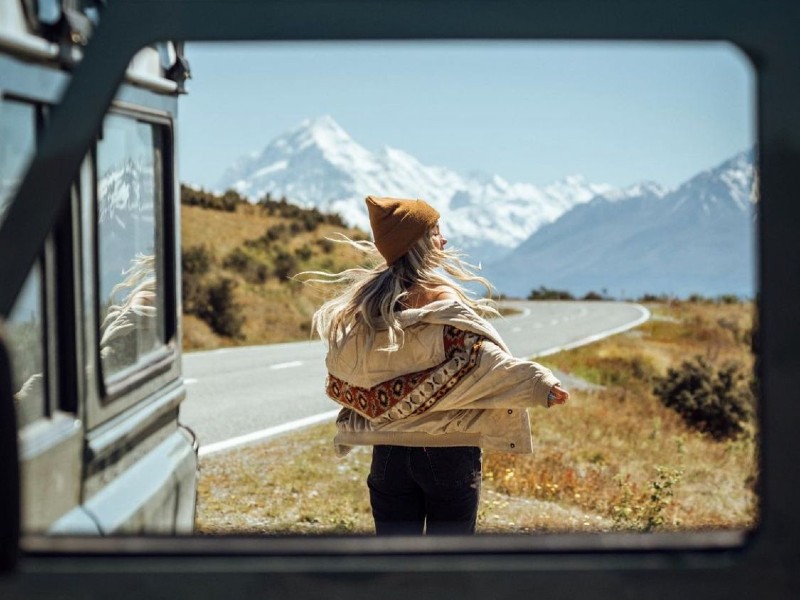
Perhaps the biggest lesson of solo van life is that spending time alone doesn’t always mean feeling lonely. You can be completely happy reading beside a lake, exploring a new town, or spending an evening without speaking to anyone.
At the same time, enjoying independence doesn’t remove the need for meaningful relationships. Some days you may want solitude, while other days you may miss having a familiar person nearby. Both feelings can exist without contradicting each other.
Pay attention to how your lifestyle affects you over time. If you’re feeling isolated, consider traveling with others temporarily, spending longer near friends, or returning to a favorite community. You can value independence while still making room for companionship.