

Starting RV life after 60 can feel like the beginning of a wonderful new chapter. You’ve spent years working, raising a family, and following routines. Now you finally have time to visit national parks, spend winters somewhere warm, and wake up to a different view whenever you choose.
But those beautiful RV brochures rarely show everything that comes with living on the road. There are campground bills, unexpected repairs, medical appointments, and long driving days. Even simple tasks like climbing into bed or connecting a sewer hose can feel different when you’re doing them every day.
According to the RV Industry Association’s 2025 study, the median age of RV owners was 49, and the typical owner used an RV for 30 days per year. That means general RV ownership statistics should not be confused with the experiences of retirees who plan to live on the road for months or year.
RV travel can still be a wonderful retirement choice. But before buying a motorhome or selling your house, here are 19 things worth knowing about starting RV life after 60.
1. RV Living May Cost More Than Your Retirement Budget Allows

Many people expect RV living to be cheaper than maintaining a traditional home. Without a large house to manage, the idea of spending less each month sounds appealing. But campground fees, fuel, insurance, repairs, and RV payments can add up quickly.
In August 2026, the full time RV couple behind Journey With The Gs reported spending $7,351.69. Their expenses included vehicle payments, camping, repairs, fuel, health insurance, and everyday purchases. That was one couple’s spending, not a national average for retired RV owners.
Before buying an RV, compare your expected monthly costs with your retirement income. Include Social Security, pension payments, savings withdrawals, and money for emergencies. A comfortable retirement depends more on staying within your budget than owning an impressive motorhome.
2. Climbing RV Steps Every Day Can Become Frustrating
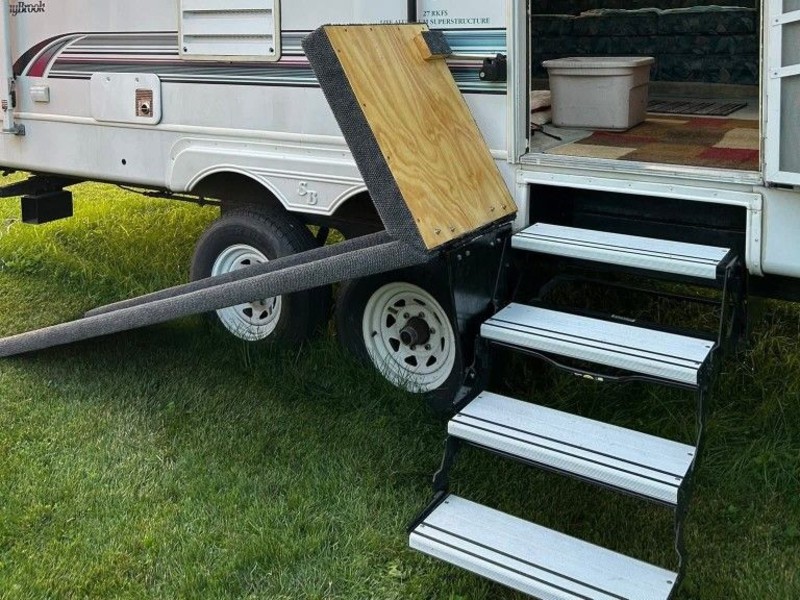
Climbing into an RV may seem easy during a dealership visit. But entering and leaving several times each day can feel different, especially when you’re carrying groceries, dealing with rain, or walking on uneven ground.
Some motorhomes have tall entry steps, narrow doorways, and raised bedroom areas. These features may create problems for people with limited mobility or balance concerns. Even healthy adults can find awkward steps uncomfortable when carrying heavy belongings.
Before choosing an RV, practice entering and leaving it several times. Check the handrails, step height, bathroom access, and space around the bed. A comfortable floor plan should suit the way you move today and remain practical if your needs change.
3. Driving a Large Motorhome Takes More Energy Than Expected
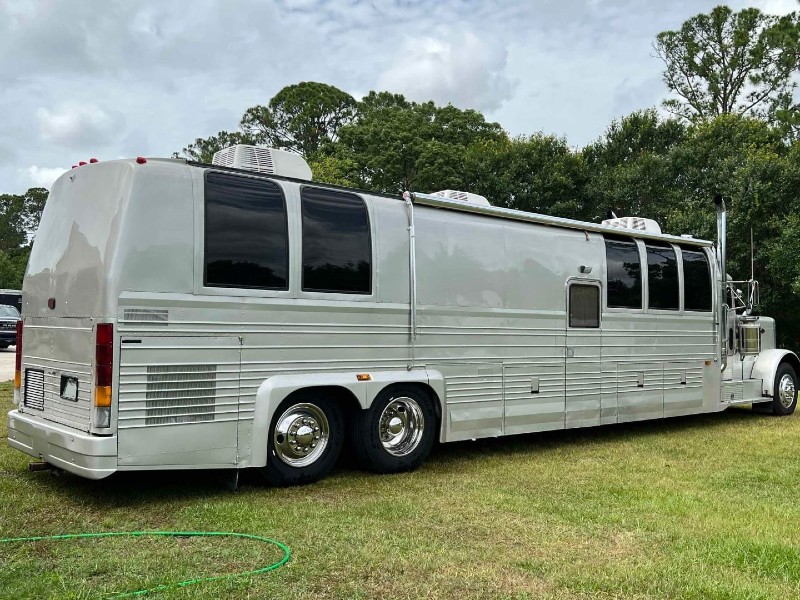
Driving a motorhome is different from driving a passenger car. Large vehicles need more space for turning, stopping, and parking. Wind, mountain roads, heavy traffic, and unfamiliar routes can also make driving more demanding.
Long travel days may become exhausting when you’re also responsible for finding fuel, checking road conditions, and setting up camp afterward. Even experienced drivers can feel tired after several hours behind the wheel of a large vehicle.
Start with shorter trips and practice driving in quiet areas before taking on busy highways. Learn your RV’s height, weight, turning needs, and braking behavior. Planning shorter driving days can make retirement travel more enjoyable and less stressful.
4. Medicare Coverage May Not Work the Way You Expect While Traveling

Medicare can be confusing when you begin traveling between states. People with Original Medicare can generally use any doctor or hospital in the United States that accepts Medicare, but Medicare Advantage plans often have different provider networks and service areas.
Medicare’s official guidance explains that coverage options differ in provider access, referrals, and prior authorization requirements. Emergency and urgent care rules may also differ from routine medical treatment.
Before leaving your home state, contact your health plan and confirm which doctors, hospitals, and pharmacies you can use. If you need regular specialist visits, plan travel around those appointments. Medical access deserves as much attention as choosing beautiful destinations.
5. Campground Fees Can Feel Like Paying Rent All Over Again
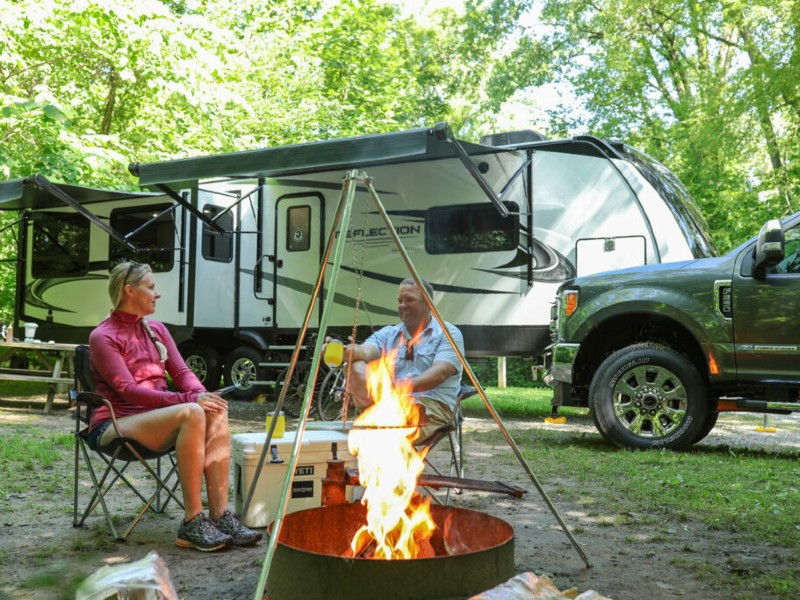
One of the reasons people consider RV living is the hope of escaping expensive housing payments. But if you’re staying in private campgrounds, you may still have a substantial bill every month.
A campsite costing $50 per night adds up to $1,500 over 30 nights. Some locations also charge separately for electricity, pets, or other services. Popular tourist destinations may cost more, particularly during busy seasons.
Ask about monthly rates before booking and compare the complete price rather than the advertised nightly charge. Staying longer in one location can sometimes reduce costs. For retirees living on fixed incomes, campground planning can make a meaningful difference.
6. Small Bathrooms Can Become a Daily Inconvenience

RV bathrooms often look neat and practical in brochures. But using a small shower, compact toilet, and narrow sink area every day may become uncomfortable, especially for people who prefer more room to move.
Some shower stalls have raised entrances or limited standing space. Others have doors that are difficult to open fully in a small bathroom. These details may seem minor during a short visit but become more important during extended travel.
Sit on the toilet, stand inside the shower, and test the bathroom layout before buying. Make sure you can move comfortably without awkward bending or twisting. If accessibility matters, consider an RV with a larger bathroom and an easier shower entrance.
7. RV Repairs Can Interrupt Your Retirement Plans
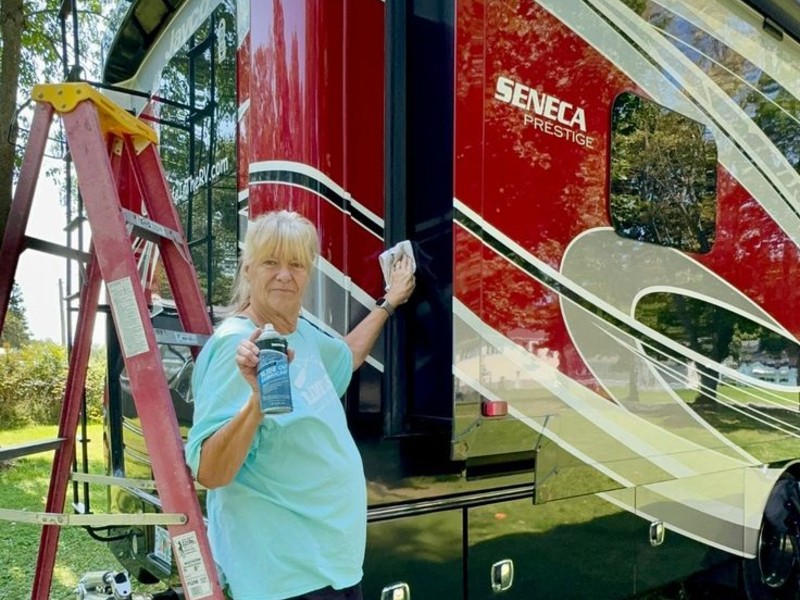
A motorhome is both your vehicle and your living space, which means mechanical problems can affect much more than transportation. A broken refrigerator, leaking roof, or failed leveling system can change your plans without warning.
In May 2026, Journey With The Gs reported $2,185.44 in repairs and maintenance expenses. This shows how unpredictable RV bills can be, although repair costs differ greatly between vehicles and owners.
Keep a dedicated repair fund and follow your RV manufacturer’s maintenance schedule. Arrange independent inspections before purchasing a used RV, and learn which service centers can work on your model. Having money available for repairs makes unexpected problems easier to manage.
8. You May Miss Having Family Close By More Than Expected
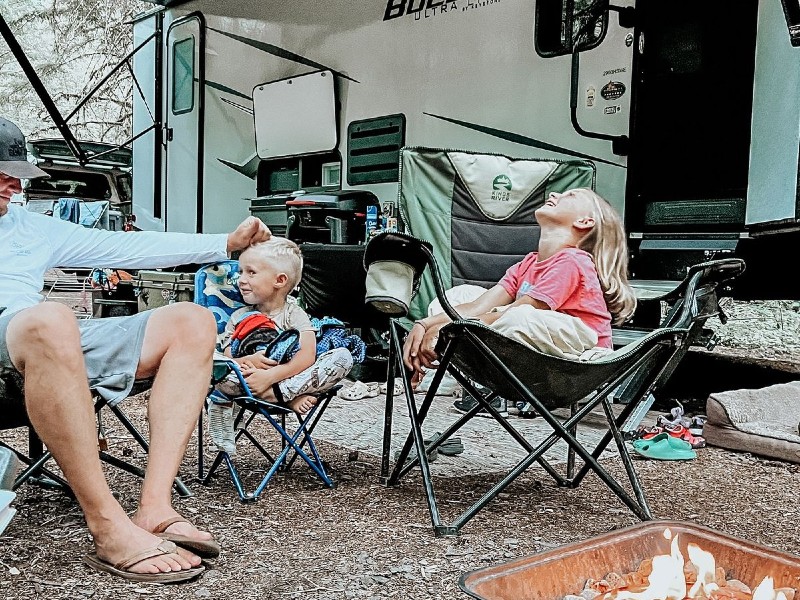
Traveling after retirement gives you an opportunity to visit places you never had time to see. But spending months away from children, grandchildren, and longtime friends can feel different once you’re actually on the road.
Family birthdays, school events, holiday dinners, and ordinary weekends may become harder to attend. Video calls help you stay connected, but they don’t replace every shared experience. Some retirees eventually discover that regular family time matters more than visiting another destination.
Consider planning your travel calendar around important family events. You can spend part of the year exploring and another part near loved ones. RV living doesn’t have to mean staying far from the people who matter most.
9. You May Need More Storage Than the RV Actually Provides
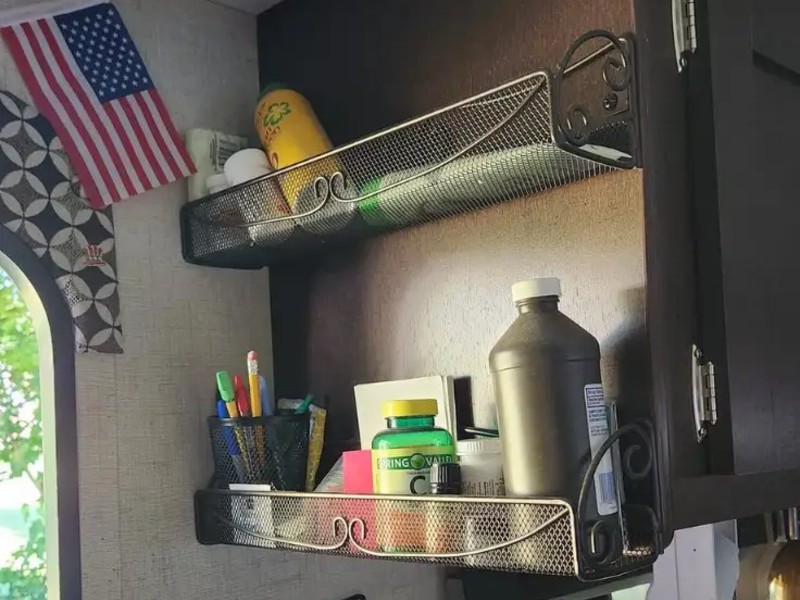
Downsizing from a house into an RV can be harder than expected. You may have collected furniture, tools, holiday decorations, family photographs, and personal belongings over several decades. Suddenly, you need to decide what deserves a place in a much smaller home.
RV storage compartments can look generous when empty, but clothing, kitchen supplies, outdoor equipment, and maintenance tools take up space quickly. Adding too much weight can also push your vehicle beyond its safe carrying limits.
Start sorting your belongings several months before your first trip. Keep what you use regularly and consider storing items with strong personal meaning. Check your RV’s cargo capacity before filling every cabinet and exterior compartment.
10. Keeping an RV Comfortable During Extreme Weather Takes Work

Retirement brochures often show motorhomes parked in perfect sunshine. But real RV travel includes freezing mornings, heavy rain, strong winds, and uncomfortable summer heat. A motorhome may need extra preparation to handle these conditions.
Cold weather can affect water hoses, holding tanks, and heating systems. Hot weather may force your air conditioner to run for long periods, increasing electricity use. Severe storms can also require you to leave the RV and seek a safer building.
Plan your routes around weather conditions when possible. Check local forecasts, maintain heating and cooling equipment, and identify emergency shelters before storms arrive. Choosing the right season for each destination can make RV living much more comfortable.
11. Setting Up Camp Can Feel Like Another Household Chore
Arriving at a beautiful campground sounds relaxing until you remember everything that needs to happen before settling in. You may need to level the RV, connect electricity, attach water hoses, arrange sewer connections, and check your equipment.
These jobs can become tiring after several hours of driving. Uneven ground, wet weather, or awkward hookups can make the process more difficult. Having to repeat these tasks every few days may take away some of the enjoyment of traveling.
Create a written setup checklist and keep your equipment organized. Consider staying at each destination for a week or longer instead of moving constantly. Traveling at a slower pace often leaves more time for the activities you actually enjoy.
12. Free Camping Comes With Rules That May Surprise You
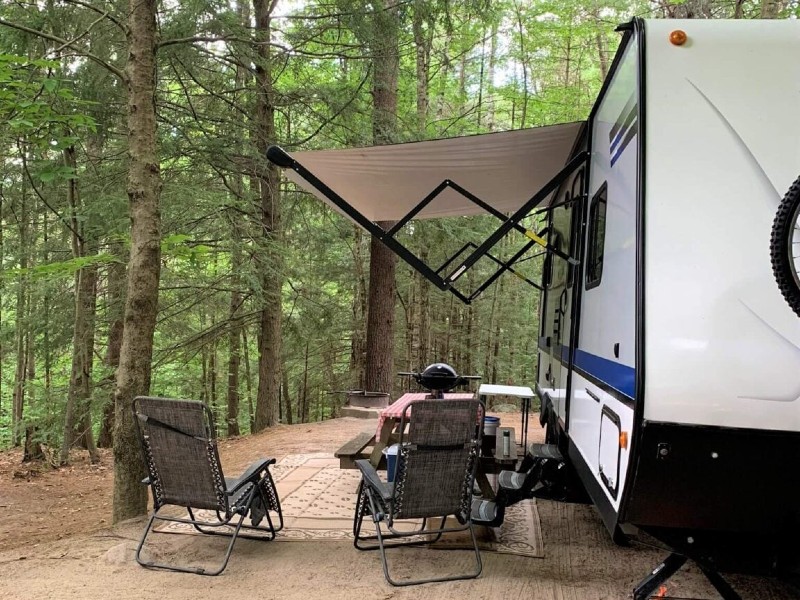
Free camping sounds like an excellent way to stretch retirement savings. But public land camping is not the same as being allowed to park anywhere for as long as you want.
The Bureau of Land Management generally limits dispersed camping to 14 days within a 28 day period in many areas, although local rules can be stricter. Certain locations also restrict vehicle access, campfires, and the disposal of wastewater.
Before choosing a free campsite, contact the local land management office and check current restrictions. Make sure your RV can safely reach the location and that you have enough water, electricity, and waste storage. Free parking is useful only when the site meets your needs.
13. Laundry and Grocery Shopping Can Take Longer Than Expected
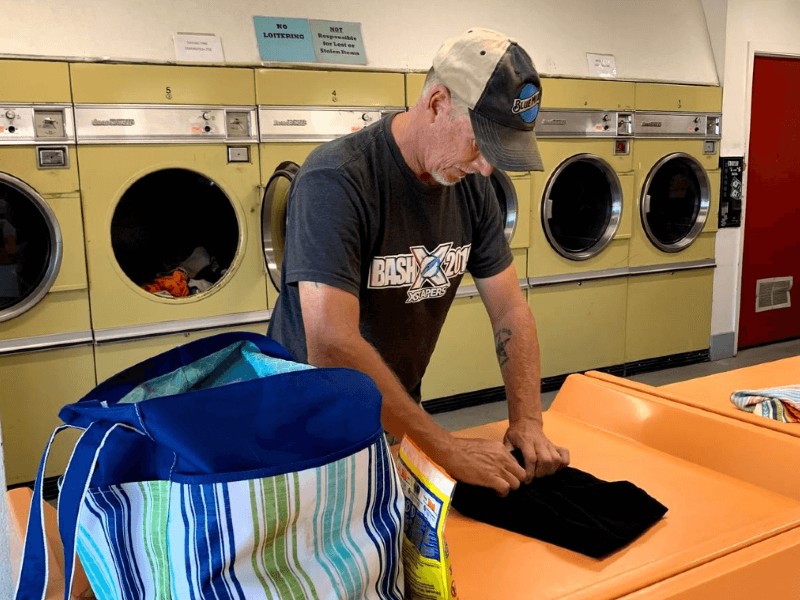
Living in a small RV means you may no longer have a full size washing machine, large refrigerator, or generous pantry. Everyday tasks that were simple at home can require more planning.
Laundry may involve driving to a laundromat and waiting for available machines. Grocery shopping can also become inconvenient in remote towns where stores are small or far away. Limited storage makes it harder to buy large quantities of food at once.
Choose campgrounds with convenient laundry facilities when possible. Plan a few simple meals before shopping and keep basic supplies organized. Combining errands into one town visit can save fuel and reduce unnecessary driving.
14. Traveling With Your Spouse Can Test Your Patience
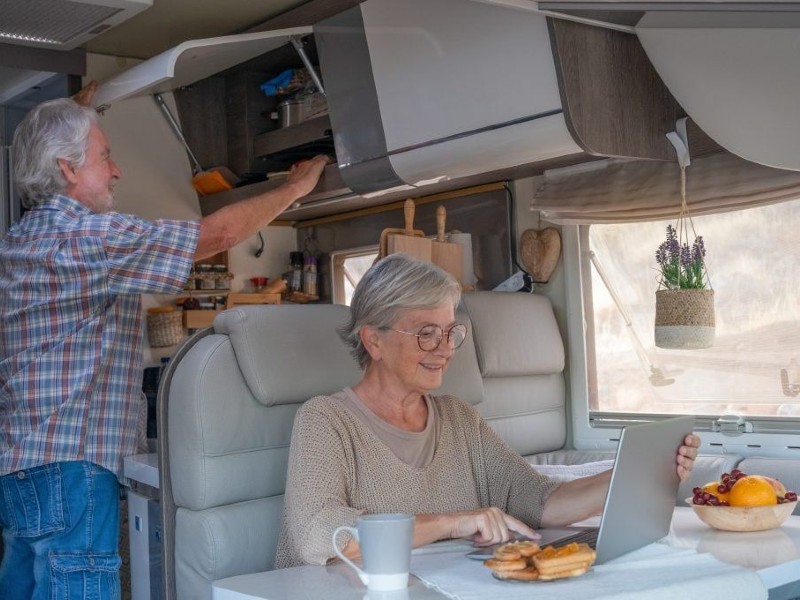
Retirement gives couples more time together, which can be wonderful. But sharing a small RV every day leaves less room for privacy, quiet activities, and personal routines.
One person may want to explore a new town while the other prefers a peaceful afternoon. Small disagreements over driving, spending, cooking, or campground choices can become frustrating when both people share the same limited space.
Talk about expectations before beginning full time travel. Divide household tasks fairly and make room for separate hobbies when possible. A comfortable RV lifestyle should give both people opportunities to enjoy retirement in their own way.
15. RV Insurance Needs More Attention Than a Vacation Policy

Buying insurance for an RV used on occasional holidays is different from arranging coverage for a vehicle that serves as your primary residence. Some policies have restrictions based on how often you use the RV and whether you live in it full time.
Coverage for personal belongings, liability, emergencies, and the RV itself can vary between insurers. Your premium may also depend on the vehicle’s value, location, driving history, and the coverage you select.
Explain your actual travel plans to an insurance provider before purchasing a policy. Ask about full time use, liability protection, deductibles, and exclusions. The least expensive policy is not necessarily the best choice when the RV is also your home.
16. Safety Equipment Matters More Than Fancy RV Features
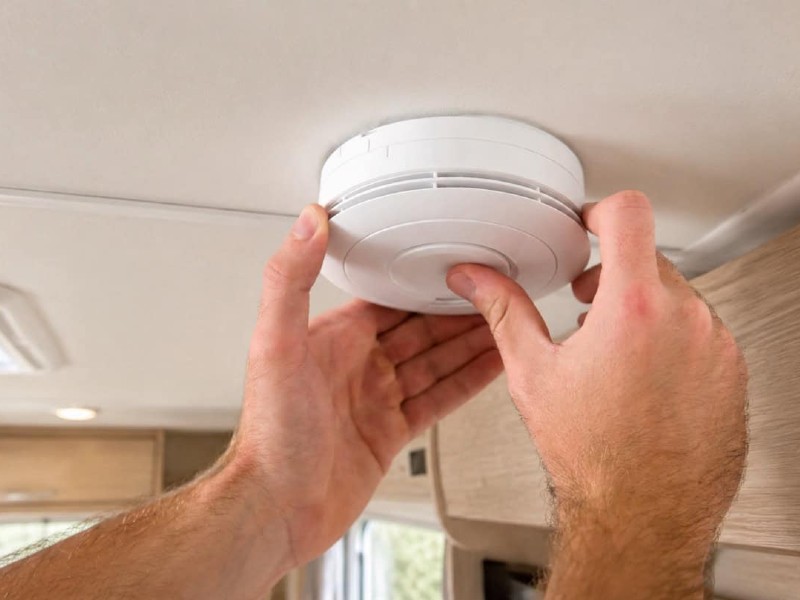
A comfortable sofa and beautiful kitchen are appealing during an RV tour. But safety equipment deserves more attention than decorative features, especially when you’re planning extended travel.
RVs contain electrical systems, fuel burning appliances, batteries, and equipment that require proper maintenance. The National Park Service warns that cooking fires, electrical overloads, and fuel leaks can create serious dangers inside recreational vehicles.
Check smoke alarms, carbon monoxide alarms, propane leak detection equipment, fire extinguishers, and emergency exits before traveling. Learn how to leave the RV quickly during an emergency.
Spending time on safety preparation is more useful than buying accessories you may rarely use.
17. A Second Vehicle Can Make Life Easier but More Expensive
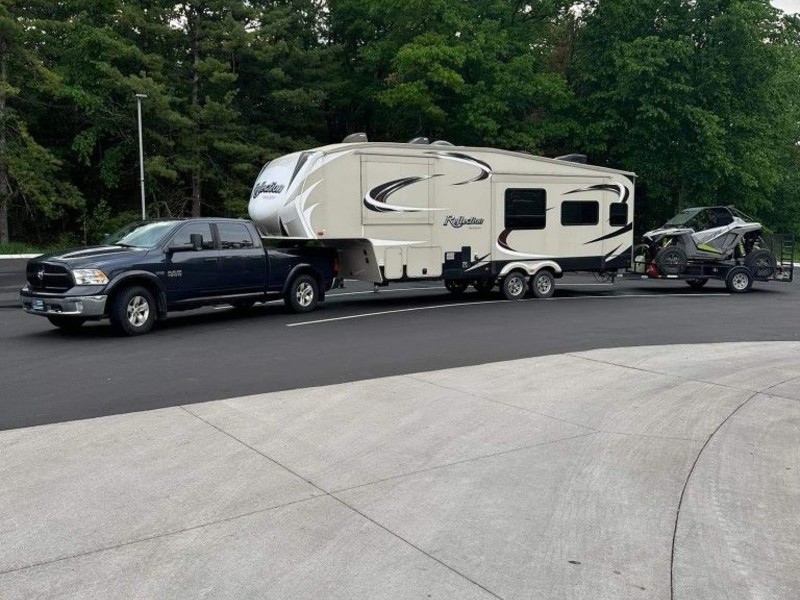
Large motorhomes are comfortable for living, but they are not always convenient for grocery shopping, medical appointments, or exploring busy towns. Some retirees choose to tow a smaller vehicle so they don’t have to move the entire motorhome for every errand.
However, another vehicle adds insurance, maintenance, registration, and fuel expenses. Towing equipment also costs money and must be compatible with both vehicles. Not every passenger vehicle can safely be towed with all four wheels on the ground.
Before buying a tow vehicle, consider how often you will need separate transportation. Check manufacturer towing instructions and your motorhome’s weight limits. A smaller motorhome, a suitable tow vehicle, or occasional rental cars may offer different advantages.
18. You May Eventually Want a Permanent Home Base Again

Living on the road can be exciting during the first year. But after visiting favorite destinations, some retirees begin missing regular neighbors, familiar shops, and having a place where they can settle for longer periods.
A permanent home base can make medical appointments, family visits, and everyday routines easier to organize. It also provides somewhere to return between trips without needing to book another campground.
You don’t have to choose between traveling constantly and giving up RV life. Some retirees keep a small house or apartment and use their RV for extended vacations. Spending several months on the road before selling your home can help you decide which arrangement suits you.
19. A Slower Travel Schedule May Bring More Happiness Than Constant Moving

It’s tempting to plan an ambitious first year filled with national parks, famous highways, and dozens of destinations. But traveling too quickly can turn retirement into a long list of driving days and campground reservations.
Frequent moves also increase fuel use and leave less time to enjoy each location. You may arrive somewhere beautiful only to spend most of your visit getting settled, doing errands, and preparing to leave again.
Try staying at destinations for one or two weeks when your schedule and campground rules allow it. Spend time exploring local communities, relaxing outdoors, and meeting other travelers. Retirement travel should leave you feeling rested rather than rushed.